

Thinking about ditching your cable or DSL internet for something newer? You’ve likely heard the buzz about 5G Fixed Wireless Access (FWA) and are wondering if it’s a realistic option for your suburban home. The short answer is: yes, in many cases, it absolutely can be.
5G FWA is emerging as a serious contender to traditional broadband, offering speeds and reliability that can make it a great replacement.
Before we dive into ditching your old internet, let’s get a clear picture of what 5G FWA actually is. Think of it as a wireless internet connection for your home, but instead of relying on a satellite dish or the kind of cellular data you use on your phone, it uses the latest 5G mobile network technology.
The “Fixed Wireless” Part
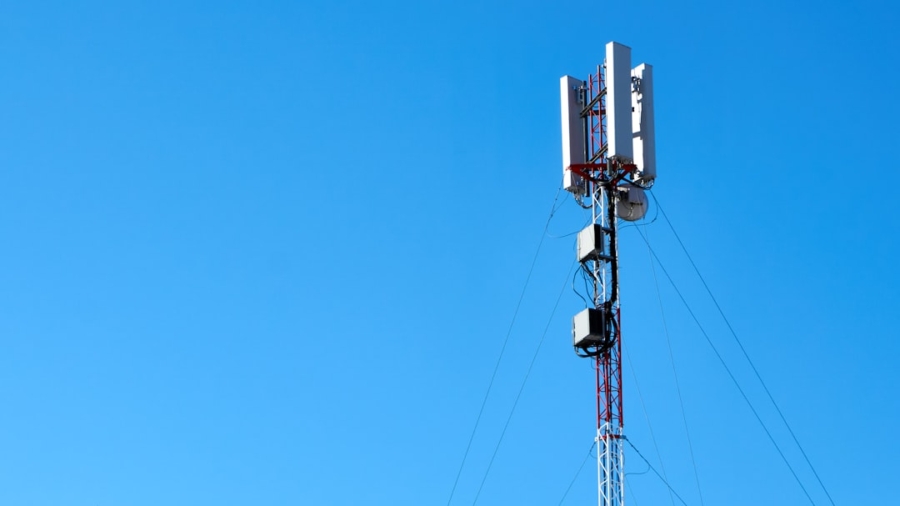
The “fixed wireless” aspect is key. Unlike the mobile broadband that lets you roam around with your phone, FWA connects a specific location – your house – to the nearest 5G tower. A small receiver or antenna is typically installed on your home, pointing towards the cell tower. This receiver then wirelessly picks up the 5G signal and brings it into your home, usually via a Wi-Fi router.
How it Differs from Mobile 5G
While it uses the same 5G technology that powers your smartphone, the infrastructure and purpose are different. Mobile 5G is designed for high mobility and connecting many devices in a broad area. 5G FWA is optimized for a fixed point, meaning it can deliver a more consistent and potentially faster connection to a single location because the network can dedicate more resources to that specific connection.
The Role of 5G Technology
The “5G” in 5G FWA refers to the fifth generation of cellular network technology. This generation brings significant improvements over 4G, including much higher speeds, lower latency (the delay between sending a command and receiving a response), and the ability to handle more connected devices simultaneously. These advancements are what make 5G FWA a viable alternative to wired broadband.
In exploring the impact of advanced technologies on various sectors, an interesting article discusses the best software for interior design in 2023, highlighting how digital tools are transforming creative processes. This shift parallels the transition from traditional broadband to 5G Fixed Wireless Access in suburban areas, as both innovations aim to enhance efficiency and accessibility. For more insights on how technology is reshaping industries, you can read the article here: The Best Software for Interior Design in 2023.
Key Takeaways
- Clear communication is essential for effective teamwork
- Active listening is crucial for understanding team members’ perspectives
- Setting clear goals and expectations helps to keep the team focused
- Regular feedback and open communication can help address any issues early on
- Celebrating achievements and milestones can boost team morale and motivation
Why Consider 5G FWA in the Suburbs?
Suburban areas have historically been a mixed bag when it comes to internet options. While many have decent cable or DSL, some are still stuck with slower, less reliable connections, especially if they’re further out from urban centers. This is where 5G FWA really starts to shine.
Bridging the Digital Divide
One of the biggest promises of 5G FWA is its ability to reach areas that have been underserved by traditional broadband providers. Running fiber optic cables to every home in sprawling suburban neighborhoods can be incredibly expensive and time-consuming. 5G FWA can often be deployed much faster and at a lower cost, making high-speed internet accessible to more people.
Faster Deployment Than Fiber
If you’ve ever looked into getting fiber internet, you know it can involve digging up streets, long wait times for installation, and often high upfront costs. 5G FWA skips most of that. Once the 5G towers are in place, installing an FWA service at your home typically involves mounting an antenna and running a cable inside, a process that can often be completed in a few hours.
Potential for Competitive Pricing
As 5G FWA services mature and more providers enter the market, expect to see more competitive pricing. This could offer a welcome alternative to the often bundled and sometimes inflated prices of traditional cable internet packages. Competition is good for consumers, and 5G FWA is poised to increase that competition in many suburban markets.
Future-Proofing
The speeds and capabilities of 5G continue to evolve. By adopting 5G FWA now, you’re essentially getting future-proofed for internet connectivity. As the technology advances, your existing FWA service might be able to handle even higher speeds and more demanding applications without needing to replace your equipment.
How Does 5G FWA Performance Compare to Traditional Broadband?

This is where the rubber meets the road. How does this new technology stack up against the cable or DSL you’ve been using? The answer is nuanced, but generally, it’s looking very promising.
Speed Expectations
This is often the biggest draw.
Many 5G FWA services boast download speeds that rival or even exceed those of some cable internet plans. We’re talking about speeds that can easily handle streaming multiple 4K movies, robust online gaming, and downloading large files quickly. Upload speeds are also improving, though they can still be a key differentiator compared to fiber.
Latency Matters
For gamers, video conferencing enthusiasts, and anyone who relies on real-time interaction, latency is crucial.
5G FWA generally offers significantly lower latency than DSL and can be comparable to cable internet, and in many cases, it’s getting closer to fiber optic levels. This means less lag and a more responsive online experience.
Reliability and Stability
This has been a concern for some early adopters of wireless internet. However, as 5G networks mature and the equipment becomes more sophisticated, reliability is improving dramatically.
Factors like signal interference, weather, and distance from the tower can still play a role, but providers are working to mitigate these issues.
What About Fiber?
It’s important to acknowledge that fiber optic internet still holds the crown for raw speed and consistency, especially for upload speeds. If you have access to fiber and are achieving gigabit speeds with near-zero latency, 5G FWA might not offer a significant upgrade. However, for the many suburban homes that don’t have fiber or are on slower tiers of cable, 5G FWA presents a compelling alternative.
Practical Considerations for Switching

So, you’re intrigued. But what do you need to think about before pulling the trigger and signing up for a 5G FWA plan? There are a few practical steps and considerations that will make your transition smoother.
Availability Check is Key
This is the absolute first step. 5G FWA isn’t magic; it needs a 5G tower within range, and the network needs to be configured to offer FWA service in your area. Most providers have online tools where you can enter your address to check for availability. Don’t skip this!
Installation Process
You’ll need some space outside your home for an antenna or receiver. This is usually mounted on a wall or a pole, facing the nearest 5G tower. The installer will then run a cable inside to a power source and your router. Most installations are pretty straightforward, but make sure you’re comfortable with a small outdoor unit being visible.
Equipment and Home Network
The provider will typically supply a modem/router device. You might be able to use your own compatible router, but check the provider’s policy on this. Ensure your home Wi-Fi network is up to the task of handling the new speeds. If you have a lot of dead spots or an old router, you might need to upgrade your internal Wi-Fi setup as well.
Data Caps and Usage Policies
“`html
| Metrics | Traditional Broadband | 5G Fixed Wireless Access |
|---|---|---|
| Speed | Up to 100 Mbps | Up to 1 Gbps |
| Latency | 20-40 ms | 5-10 ms |
| Installation | Requires professional installation | Self-installation possible |
| Reliability | Dependent on physical infrastructure | Less susceptible to physical disruptions |
| Deployment | Requires extensive cabling and infrastructure | Quick deployment with minimal infrastructure |
“`
This can be a significant difference from traditional broadband. While many cable and DSL plans have unlimited data, some 5G FWA plans may have data caps, especially at the entry-level. Read the fine print very carefully. If you’re a heavy streamer or downloader, a plan with generous or unlimited data will be essential.
Understanding Contract Terms
As with most internet services, you’ll likely encounter contracts. Understand the length of the contract, any early termination fees, and what happens if you move. Some providers offer more flexible month-to-month options, while others require a commitment.
In exploring the potential of 5G Fixed Wireless Access as a replacement for traditional broadband in suburban areas, it is interesting to consider how advancements in technology are influencing various sectors. For instance, a related article discusses the latest innovations in laptops, highlighting the best Toshiba models of 2023, which are designed to leverage high-speed internet connections effectively.
This can be particularly relevant as more users in suburban regions adopt 5G technology for their home connectivity needs.
You can read more about these laptops in the article found here.
What to Watch Out For and How to Maximize Your Experience
Even with the promise of 5G FWA, it’s wise to go in with your eyes open. Being aware of potential pitfalls and adopting best practices will help you enjoy a smooth and fast internet experience.
Signal Strength and Placement
The performance of your 5G FWA is directly tied to the strength of the signal it receives. The installer will aim to find the best spot, but sometimes minor adjustments or even considering alternative placement options (if supported) can make a difference. Trees, buildings, and even certain types of windows can impact signal quality.
Potential for Congestion
Like any cellular network, 5G FWA can experience congestion during peak usage hours, especially in densely populated areas. While providers try to manage this, there might be times when speeds dip slightly. This is less common with wired connections, so it’s something to keep in mind.
Weather Impact
Extreme weather conditions like heavy thunderstorms or blizzards can sometimes interfere with wireless signals. While 5G technology is designed to be robust, significant atmospheric conditions can cause temporary disruptions. This is generally less of an issue than with older satellite technologies.
Customer Service and Support
When things go wrong – and sometimes they do with any technology – good customer service is essential. Research the provider’s reputation for support. Are they responsive? Do they have knowledgeable staff who can help troubleshoot FWA-specific issues?
Home Network Optimization
Once you have your 5G FWA activated, don’t forget your internal network.
- Router Placement: Position your router in a central location in your home for the best Wi-Fi coverage.
- Wi-Fi Channels: If your router allows, experiment with different Wi-Fi channels to minimize interference from neighboring networks.
- Mesh Systems: For larger homes or those with many connected devices, a mesh Wi-Fi system can extend coverage and ensure a strong signal throughout.
- Wired Connections: For devices that are essential for speed and stability (like gaming consoles or desktop PCs), consider using Ethernet cables directly from the router.
Is it Time to Cut the Cord on Traditional Broadband?
The decision to switch from your current internet provider to 5G Fixed Wireless Access is a personal one, and it really depends on your specific circumstances and what’s available in your suburban neighborhood.
When 5G FWA is a Strong Candidate
- Limited High-Speed Options: If your only choices for traditional broadband are slow DSL or expensive cable plans with poor performance, 5G FWA could be a game-changer.
- Desire for Upgrade: If you’re unhappy with your current speeds or reliability and want a significant improvement without waiting for fiber to arrive, 5G FWA is worth exploring.
- Faster Installation Needed: If you’re moving into a new home or need internet quickly, the rapid deployment of 5G FWA can be a major advantage.
- Cost-Conscious Switch: When new 5G FWA offerings are priced competitively, they can provide a more affordable way to get high-speed internet.
When to Be Cautious or Stick with Traditional
- Existing Fiber Access: If you already have access to symmetrical gigabit fiber internet and are happy with it, it’s hard to beat.
- Strictly Unlimited Data Needs: If you consistently use massive amounts of data and any potential cap on a 5G FWA plan would be a problem, proceed with caution unless you find a truly unlimited plan.
- Very Remote Locations: While 5G FWA aims to reach more areas, extreme remoteness might still mean an insufficient signal, even with a dedicated antenna.
- Concerns about Signal Stability: If you live in an area known for extremely unpredictable weather or have had issues with wireless signals in the past, you might want to weigh this carefully.
Ultimately, the best way to find out if 5G FWA is right for you is to do your research, check availability in your specific address, and compare the plans, speeds, data allowances, and contract terms offered by various providers. It’s a dynamic and evolving technology, and for many suburban homes, it’s a very real and exciting option for ditching the old and embracing the new.
FAQs
What is 5G Fixed Wireless Access (FWA)?
5G Fixed Wireless Access (FWA) is a wireless broadband technology that uses 5G network infrastructure to deliver high-speed internet access to homes and businesses. It replaces traditional wired broadband connections with a wireless signal transmitted from nearby 5G cell towers.
How does 5G FWA benefit suburban areas?
5G FWA offers faster internet speeds and lower latency compared to traditional broadband, making it an attractive option for suburban areas where laying fiber optic cables may be costly or impractical. It also provides an alternative for areas with limited broadband options.
What are the challenges of replacing traditional broadband with 5G FWA in suburban areas?
Challenges include the need for sufficient 5G network coverage, potential signal interference from buildings or foliage, and the initial cost of installing 5G infrastructure. Additionally, regulatory and zoning issues may arise when installing new cell towers.
What are the potential drawbacks of 5G FWA compared to traditional broadband?
While 5G FWA offers high-speed internet access, it may be susceptible to signal interference and coverage limitations, especially in areas with dense foliage or buildings. Additionally, the technology is still in its early stages and may not be as widely available as traditional broadband options.
Is 5G FWA a viable alternative to traditional broadband in suburban areas?
5G FWA has the potential to be a viable alternative to traditional broadband in suburban areas, especially in areas where laying fiber optic cables is challenging. However, its success depends on the expansion of 5G network coverage and the ability to overcome technical and regulatory challenges.
Enjoying our content? Make us a preferred source on Google:
Add us as a Preferred Source on Google