

When you hear “IoT” and “smart devices,” you might picture smart thermostats or maybe Alexa. But beyond the household gadgets, there’s a whole universe of specialized career paths emerging. If you’re looking for something beyond the usual software development or IT support, the architecture of these connected systems offers some really interesting and in-demand opportunities. These aren’t just about coding; they’re about designing, building, and managing the complex brains and nervous systems of our increasingly connected world.
At its heart, IoT and smart device architecture refers to how all the pieces of a connected system come together to function. It’s not just about individual devices, but how they communicate, how data flows, how it’s stored and processed, and how the whole thing stays secure and reliable. Think of it like designing a city. You don’t just build one house; you plan roads, utility lines, traffic flow, and public spaces so everything works efficiently. In the digital realm, this means figuring out everything from the tiny microcontrollers in a sensor to the massive cloud platforms that manage millions of devices.
The Building Blocks of Connectedness
Before diving into specialized roles, it’s helpful to understand the fundamental components that make up these architectures:
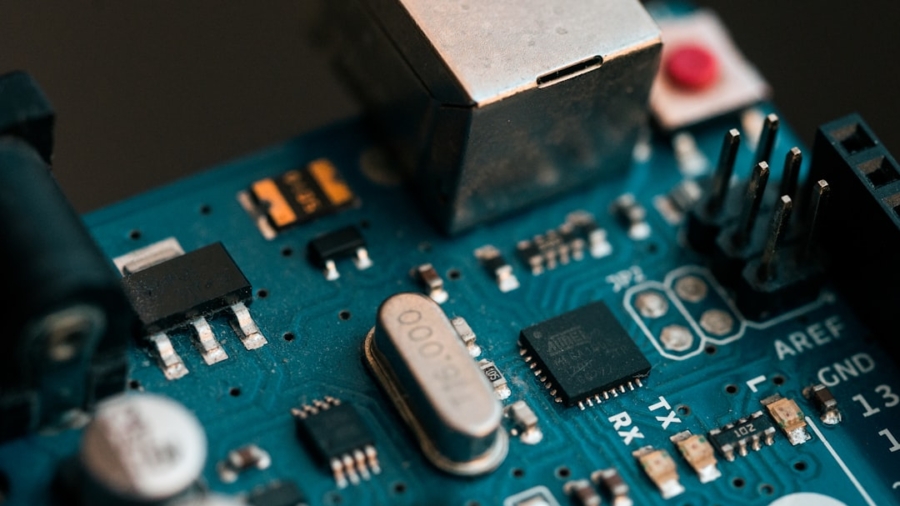
Hardware and Embedded Systems
This is where the physical things live.
Every smart device has hardware, and often it’s quite specialized.
- Microcontrollers and Processors: The tiny brains within devices that run the specific functions.
- Sensors: The “senses” of a device, collecting data like temperature, motion, light, or pressure.
- Actuators: The “muscles” that allow a device to do something, like turn a valve, move a motor, or display information.
- Connectivity Modules: The parts that enable devices to talk to each other and the internet (Wi-Fi, Bluetooth, cellular, LoRaWAN, etc.).
Device-to-Cloud Communication
Once a device has collected data, it needs to send it somewhere. This layer is all about making that happen.
- Communication Protocols: The “languages” devices use to talk. Think MQTT, CoAP, HTTP.
- Edge Computing: Processing data closer to the device itself, rather than sending everything to the cloud, which can save bandwidth and reduce latency.
- Gateways: Devices that act as intermediaries, collecting data from multiple local devices and forwarding it to the cloud.
Cloud Platforms and Data Management
This is the backend infrastructure that handles the heavy lifting.
- Cloud Services (AWS IoT, Azure IoT, Google Cloud IoT): Managed platforms providing services for device management, data ingestion, processing, and analytics.
- Databases: Storing vast amounts of time-series data generated by IoT devices.
- Data Analytics and Machine Learning: Extracting insights and patterns from the collected data to drive decisions and automate actions.
Application and User Interface
This is what users interact with – the apps, dashboards, and interfaces that make smart devices useful.
- Web and Mobile Applications: The user-facing applications that control devices or display data.
- APIs (Application Programming Interfaces): How different software systems and devices talk to each other.
For those interested in exploring specialized career opportunities in IoT and smart device architecture, a related article that provides insights into the latest technological advancements is available at The Best Tech Products of 2023. This article highlights innovative products that are shaping the future of technology, which can be crucial for professionals looking to stay ahead in the rapidly evolving field of IoT.
Key Takeaways
- Clear communication is essential for effective teamwork
- Active listening is crucial for understanding team members’ perspectives
- Conflict resolution skills are necessary for managing disagreements
- Trust and respect are the foundation of a successful team
- Collaboration and cooperation are key for achieving common goals
Specialized Roles: Beyond Generic Development
Many people assume IoT careers are just about writing code for an app. While that’s a part of it, the architecture side opens up distinctly specialized and often high-impact roles. These positions require a deeper understanding of how the entire ecosystem functions, not just isolated components.
IoT Solutions Architect
This is a big one. A Solutions Architect is like the master planner. They don’t necessarily write all the code, but they design the entire system from end to end. They figure out which technologies to use, how they’ll connect, what the data flow will look like, and how it all scales.
What They Do:
- Conceptualization and Design: Translating business needs into a technical blueprint for an IoT solution.
- Technology Selection: Choosing the right hardware, software, cloud services, and communication protocols.
- System Integration: Ensuring all the different components, both internal and external, work together seamlessly.
- Scalability and Performance Planning: Designing systems that can handle growth in devices and data volume without breaking.
- Security and Compliance Strategy: Building security into the architecture from the ground up and ensuring adherence to relevant regulations.
Skills Needed:
- Broad understanding of hardware, software, networking, and cloud computing.
- Strong problem-solving and strategic thinking abilities.
- Excellent communication and stakeholder management skills.
- Familiarity with various IoT platforms and cloud providers.
Embedded Systems Engineer (with an Architecture Focus)
While many embedded engineers focus on the firmware for a single device, those with an architectural mindset are looking at how that device fits into a larger system. They might be designing the core logic of a device that needs to interact with multiple other systems or manage complex local processing.
What They Do:
- Designing Firmware Architectures: Creating the structure and flow of software running on microcontrollers, considering resource constraints and connectivity needs.
- Real-time Operating Systems (RTOS) Expertise: Implementing and optimizing RTOS for embedded devices to manage tasks efficiently.
- Hardware-Software Co-design: Working closely with hardware teams to ensure the software can leverage the hardware capabilities effectively.
- Protocol Implementation: Developing or integrating communication protocols for device-to-device or device-to-cloud communication.
- Power Management Optimization: Designing systems that are highly efficient in power consumption, crucial for battery-powered IoT devices.
Skills Needed:
- Deep knowledge of C/C++ programming for embedded systems.
- Understanding of microcontrollers, their architectures, and peripherals.
- Familiarity with RTOS and low-level systems programming.
- Experience with debugging and testing embedded hardware.
- Knowledge of wireless communication standards (Wi-Fi, Bluetooth, Zigbee, etc.).
IoT Data Architect
The sheer volume of data generated by IoT devices is staggering. An IoT Data Architect is responsible for designing how this data is collected, stored, managed, and made accessible for analysis and action.
This is a critical role for any organization looking to derive meaningful insights from their connected devices.
What They Do:
- Designing Data Pipelines: Establishing the flow of data from devices through processing stages to storage and analysis.
- Database Design and Optimization: Choosing and configuring databases (e.g., time-series databases like InfluxDB, NoSQL databases) suitable for IoT data.
- Data Modeling: Creating structures that represent the IoT data effectively for querying and analysis.
- Data Governance and Quality: Implementing processes to ensure data accuracy, integrity, and compliance.
- Integration with Analytics Tools: Planning how data will be accessed by machine learning platforms and business intelligence tools.
Skills Needed:
- Expertise in database technologies, particularly those suited for high-volume, time-series data.
- Strong understanding of data warehousing and data lake concepts.
- Proficiency in SQL and NoSQL query languages.
- Familiarity with data processing frameworks (e.g., Spark, Kafka).
- Knowledge of data security and privacy best practices.
The Infrastructure Side: Keeping it Running

Beyond the data and the devices themselves, there’s the underlying infrastructure that makes everything possible. These roles are essential for the stability, scalability, and security of any large-scale IoT deployment.
IoT Platform Engineer
IoT platforms are the central hubs for managing devices, ingesting data, and orchestrating services. Platform engineers are the architects and caretakers of these complex systems, ensuring they are robust, scalable, and performant.
What They Do:
- Designing and Implementing IoT Platform Architectures: Building or customizing cloud-based or on-premise platforms for device management and data handling.
- Managing Device Connectivity and Protocols: Ensuring smooth and secure communication between devices and the platform.
- Developing APIs and Integrations: Creating interfaces for other applications to interact with the IoT platform.
- Monitoring and Maintaining Platform Health: Ensuring the platform is running optimally, troubleshooting issues, and planning for upgrades.
- Security Implementation: Hardening the platform against threats and ensuring secure device authentication and authorization.
Skills Needed:
- Strong cloud computing skills (AWS, Azure, GCP).
- Experience with containerization technologies (Docker, Kubernetes).
- Proficiency in scripting and programming languages (Python, Go, Java).
- Understanding of networking and distributed systems.
- Familiarity with microservices architecture.
Edge Computing Architect
As IoT deployments grow, sending all data to the cloud becomes inefficient and expensive.
Edge computing brings processing closer to the source of data. An Edge Computing Architect designs and implements these distributed processing systems.
What They Do:
- Designing Edge Processing Architectures: Determining where computing resources should be placed (on devices, gateways, or local servers).
- Selecting Edge Hardware and Software: Choosing appropriate computing platforms and operating systems for edge devices.
- Developing Edge Application Deployment Strategies: Planning how applications and machine learning models will be deployed and updated at the edge.
- Managing Data Synchronization and Offline Capabilities: Ensuring data is handled correctly when connectivity is intermittent.
- Optimizing for Latency and Bandwidth: Designing systems that can respond quickly and efficiently with limited resources.
Skills Needed:
- Understanding of distributed systems and network topology.
- Familiarity with edge computing frameworks and technologies.
- Knowledge of embedded systems and microservices.
- Ability to work with resource-constrained environments.
- Experience with deploying and managing applications remotely.
Security and Reliability: Non-Negotiables

In the world of connected devices, a breach or failure can have significant consequences. These roles focus on making IoT systems secure and dependable.
IoT Security Architect
Securing a network of billions of devices is a monumental task. An IoT Security Architect is the guardian of this complex ecosystem, designing layered security measures to protect against threats.
What They Do:
- Developing IoT Security Strategies: Creating a comprehensive plan for protecting devices, data, and the wider network.
- Threat Modeling and Risk Assessment: Identifying potential vulnerabilities and attack vectors specific to IoT environments.
- Designing Secure Device Authentication and Authorization: Implementing robust methods for verifying device identities and controlling access.
- Securing Data in Transit and at Rest: Implementing encryption and access controls for all data.
- Incident Response Planning: Developing strategies for detecting, responding to, and recovering from security incidents.
- Ensuring Compliance: Adhering to industry-specific security standards and regulations.
Skills Needed:
- Deep understanding of cybersecurity principles and best practices.
- Knowledge of common IoT vulnerabilities and attack methods.
- Expertise in cryptographic techniques and network security protocols.
- Familiarity with security frameworks and compliance requirements (e.g., NIST, GDPR).
- Experience with penetration testing and vulnerability management.
Reliability and Resilience Engineer (for IoT)
When a smart city’s traffic lights fail or a connected factory’s machinery goes offline, the impact can be severe. Reliability engineers focus on ensuring that IoT systems are dependable and can withstand failures.
What They Do:
- Designing for High Availability: Architecting systems that can continue to operate even if parts of them fail.
- Implementing Redundancy and Failover Mechanisms: Building in backup systems and automatic switching in case of breakdowns.
- Conducting Failure Mode and Effects Analysis (FMEA): Proactively identifying potential failure points and their consequences.
- Developing Disaster Recovery Plans: Creating strategies for restoring operations after major outages.
- Performance Monitoring and Optimization: Continuously tracking system performance to identify and address potential issues before they cause failures.
Skills Needed:
- Strong understanding of distributed systems and fault tolerance.
- Experience with system monitoring and alarming tools.
- Knowledge of networking principles and the behavior of complex systems.
- Ability to analyze historical data to predict and prevent failures.
- Proficiency in scripting for automation and testing.
As the demand for specialized career opportunities in IoT and smart device architecture continues to grow, professionals in this field must stay informed about the latest advancements and trends. A related article that explores the innovative features of smart devices is available at this Huawei smartwatch review, which highlights how these technologies are shaping the future of personal electronics. Understanding such developments can provide valuable insights for those looking to advance their careers in IoT and smart device architecture.
The Future is Connected: Why These Roles Matter
| Job Title | Median Salary | Job Growth |
|---|---|---|
| IoT Solutions Architect | 110,000 | 20% |
| Embedded Systems Engineer | 95,000 | 6% |
| Smart Device Developer | 105,000 | 15% |
| IoT Security Specialist | 115,000 | 28% |
The demand for professionals who can design, build, and manage the architecture of IoT and smart devices is only going to grow. As more industries adopt these technologies – from healthcare and manufacturing to agriculture and transportation – the need for specialized expertise in these areas becomes critical. These aren’t just jobs; they are opportunities to shape the future of how we interact with technology and the world around us. If you’re looking for a career that’s challenging, innovative, and has a real-world impact, exploring these specialized architectural roles in IoT is definitely worth your time.
FAQs
What is IoT and smart device architecture?
IoT (Internet of Things) refers to the network of physical devices, vehicles, home appliances, and other items embedded with electronics, software, sensors, actuators, and connectivity which enables these things to connect and exchange data. Smart device architecture refers to the design and structure of these interconnected devices and systems.
What are some specialized career opportunities in IoT and smart device architecture?
Some specialized career opportunities in this field include IoT solution architect, IoT security specialist, embedded systems engineer, IoT data scientist, and smart device software developer.
What skills are required for a career in IoT and smart device architecture?
Skills required for a career in this field include knowledge of programming languages such as C, C++, Java, and Python, understanding of hardware and software integration, familiarity with IoT platforms and protocols, and expertise in data analytics and security.
What industries are actively seeking professionals in IoT and smart device architecture?
Industries actively seeking professionals in this field include healthcare, manufacturing, transportation, agriculture, energy, and smart home technology.
What is the future outlook for careers in IoT and smart device architecture?
The future outlook for careers in this field is promising, with the increasing integration of IoT and smart devices in various industries, leading to a growing demand for professionals with expertise in IoT and smart device architecture.
Enjoying our content? Make us a preferred source on Google:
Add us as a Preferred Source on Google