

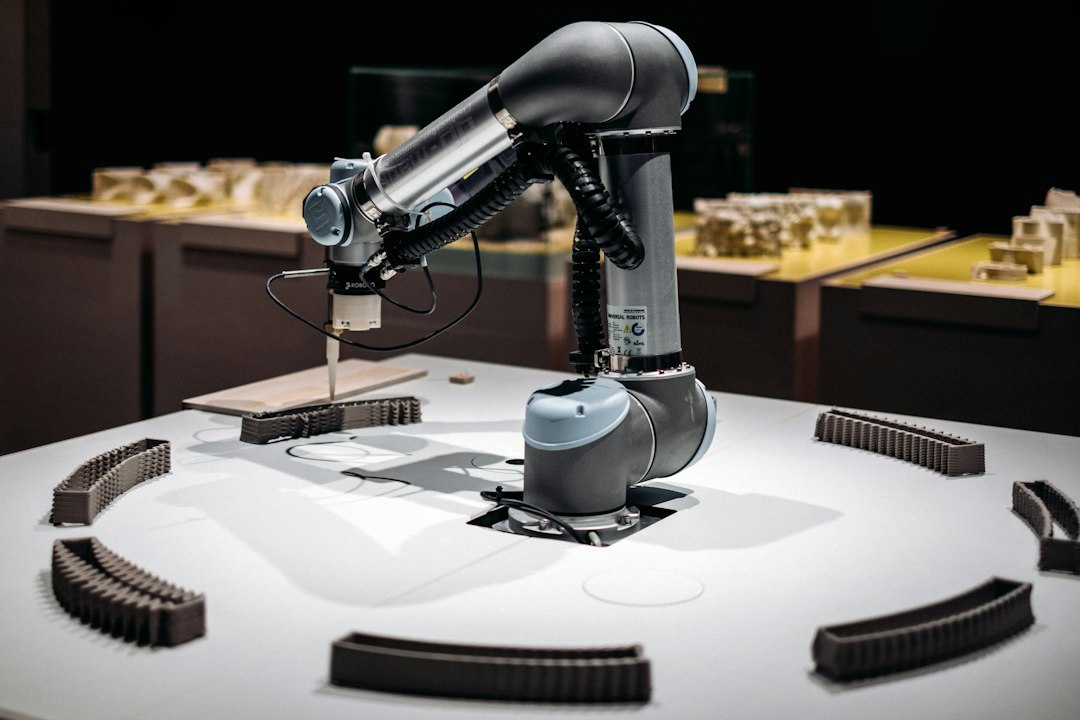
Industrial robots are increasingly connected, bringing great efficiency but also significant cybersecurity risks to operational technology (OT) environments. Essentially, securing the OT boundary for industrial robots means establishing robust defenses at the points where these robots connect to other networks and systems, protecting them from cyber threats that could disrupt operations, steal data, or cause physical harm. This article will explore the critical architectural considerations and common threat vectors you need to understand to keep your robotic deployments safe and sound.
Understanding the OT Boundary for Industrial Robots
Think of the OT boundary as the digital fence around your industrial robots and the systems that control them. In the past, many industrial systems were “air-gapped,” meaning they had no connection to external networks like the internet.
This made them inherently more secure, but also less flexible.
Today, that air gap is rapidly disappearing. Robots need to communicate with manufacturing execution systems (MES), enterprise resource planning (ERP) systems, cloud-based analytics, and sometimes even remote support teams.
Each of these connections creates a potential entry point for adversaries.
The OT boundary isn’t just a single point; it’s a collection of interfaces and protocols that govern how your robots interact with the outside world. This includes network segmentation, firewalls, secure gateways, and even the physical security around the robot itself and its controllers. The goal is to create a secure perimeter that allows necessary communication while blocking malicious activity.
The Converged IT/OT Landscape
The lines between information technology (IT) and operational technology (OT) are blurring. IT focuses on data confidentiality, integrity, and availability for business operations, while OT prioritizes availability, integrity, and then confidentiality for industrial processes. This difference in priorities can lead to friction when securing converged environments.
For industrial robots, the convergence means that IT security practices, such as patch management and vulnerability scanning, are becoming relevant to OT, but with critical adaptations. You can’t just apply IT solutions directly to OT systems without risking operational disruption. For instance, a reboot for a security patch might be acceptable for an office PC, but it could halt an entire production line. Therefore, a careful, risk-aware approach is essential to bridge the gap between IT and OT security philosophies.
Key Components of Industrial Robot Systems
To effectively secure an industrial robot, you need to understand its constituent parts. Each component presents its own security challenges.
- Robot Controller: This is the brain of the robot, housing the programming, logic, and motion control. It often runs proprietary operating systems or real-time operating systems (RTOS) that may not receive frequent security updates. Access to the controller’s programming ports, human-machine interfaces (HMIs), and network interfaces is critical to protect.
- Teach Pendant/Operator Interface: This is how operators interact directly with the robot, teach it new movements, and monitor its status. These devices can be vulnerable to physical tampering, unauthorized access, or the introduction of malware if not properly secured.
- End-Effector/Tooling: While often physical, smart end-effectors can have their own embedded controllers and network interfaces. A compromised end-effector could perform unintended actions or provide a gateway to the main robot controller.
- Sensors and Actuators: Vision systems, force sensors, and other input/output (I/O) devices feed data to the controller. Manipulating sensor data or actuator commands can lead to dangerous or incorrect robot operations.
- Networking Infrastructure: The switches, routers, and cables that connect the robot to the plant network, and potentially to external networks. These form the backbone of the OT boundary and must be robustly secured.
- Programming Software and Workstations: The development environments used to create and deploy robot programs. These workstations can be a conduit for malware if not properly protected.
In the realm of industrial cybersecurity, understanding the various threat vectors that can compromise operational technology (OT) is crucial. A related article that delves into the importance of securing the OT boundary is titled “The Ultimate Collection of 2023’s Best Notion Templates for Students.” While it primarily focuses on productivity tools for students, it highlights the significance of structured information management, which can also be applied to the organization of cybersecurity protocols in industrial settings. For more insights, you can read the article here.
Key Takeaways
- The training data includes information and events up to October 2023.
- Insights and knowledge are based on a wide range of sources available until the cutoff date.
- No updates or developments occurring after October 2023 are included in the training.
- Users should verify current information from reliable sources for the latest updates.
- The model’s responses reflect the context and knowledge available up to the specified date.
Cybersecurity Architecture for Industrial Robots
A well-designed cybersecurity architecture for industrial robots isn’t a one-size-fits-all solution; it’s a strategic framework built on layered defenses and a clear understanding of your operational needs. It’s about making it really hard for attackers to get in and causing significant delays if they do.
Network Segmentation and Zoning
This is arguably the most fundamental architectural control. Don’t let your robots sit on the same flat network as your office PCs. Segment your network into logical zones based on criticality and communication needs.
- Purdue Model: A widely recognized framework for segmenting industrial networks. It proposes distinct levels, from enterprise IT at the top (Level 5 & 4) down to the process control and safety systems (Level 1 & 0). Industrial robots typically reside in Level 2 (control systems) and Level 1 (basic control).
- Demilitarized Zone (DMZ): A buffered network segment between the IT and OT networks. This is where systems that need to communicate with both IT and OT, such as data historians or remote access servers, should reside. Traffic flows through a firewall, limiting direct access.
- Micro-segmentation: Within the OT network itself, further segmenting robot cells or even individual robots. This means if one robot is compromised, the attacker’s ability to move laterally to other robots or systems is severely restricted. Each robot or cell gets its own little isolated network segment.
- VLANs and ACLs: Virtual Local Area Networks (VLANs) can logically separate traffic, even on the same physical switch. Access Control Lists (ACLs) on switches and firewalls define which devices can talk to which other devices and using which protocols. Restrict communication to only what is absolutely necessary for the robot to function.
Secure Remote Access
Remote access is a major convenience, but it’s also a common entry point for attackers. If you allow external access to your robots, make sure it’s done securely.
- Multi-Factor Authentication (MFA): Essential for any remote access. A password alone is no longer enough.
- Virtual Private Networks (VPNs): Encrypt remote connections, creating a secure tunnel. Ensure the VPN gateway is robust and regularly patched.
- Jump Servers/Bastion Hosts: Instead of direct access, force remote users to connect to a hardened “jump server” within the DMZ or OT network. From there, they can then access the robot controller. This adds an extra layer of scrutiny and logging.
- Session Monitoring and Logging: Keep detailed records of who accessed what, when, and for how long. This is crucial for auditing and forensic investigations.
- Just-in-Time Access: Grant remote access only when needed and for a limited duration. Revoke access automatically once the task is complete.
Hardening Robot Controllers and Components
The robot controller itself, along with its associated HMI and teach pendant, represents a critical asset. Hardening these components makes them more resilient to attacks.
- Disable Unnecessary Services: Many controllers come with services enabled by default that are not required for your specific application (e.g., FTP, unnecessary web servers). Turn them off. Each open port is a potential vulnerability.
- Strong Authentication and Authorization: Implement strong, unique passwords for all accounts. Use role-based access control (RBAC) to ensure operators, maintenance staff, and engineers only have the minimum privileges necessary to perform their jobs. Don’t use default credentials.
- Physical Security: Don’t underestimate physical access. Lock down control cabinets, secure teach pendants, and ensure only authorized personnel can get near the robot controller. A USB stick can be a dangerous attack vector.
- Firmware and Software Updates: Keep robot firmware, operating systems (if applicable), and application software as up-to-date as possible. This is challenging in OT environments, so plan maintenance windows carefully and test updates rigorously in a non-production environment first.
- Logging and Auditing: Configure controllers to log relevant security events, such as login attempts, configuration changes, and program modifications. Centralize these logs for easier monitoring and analysis.
Identity and Access Management (IAM)
Properly managing identities and access across your robot systems is crucial for maintaining security and accountability.
- Centralized Identity Management: Where feasible, integrate robot access with your organization’s centralized identity management system (e.g., Active Directory). This simplifies user management and ensures consistent policy enforcement.
- Least Privilege Principle: Grant users only the minimum level of access required to perform their duties. Don’t give an operator administrator rights if they only need to start and stop a program.
- Segregation of Duties: Ensure that no single person can perform a critical action (e.g., program modification and deployment) without another person’s involvement or approval. This prevents malicious insiders or errors from causing significant damage.
- Regular Access Reviews: Periodically review who has access to which robot systems and ensure their privileges are still appropriate. Remove access for employees who have left or changed roles.
Common Threat Vectors for Industrial Robots
Understanding how attackers might target your industrial robots is key to building effective defenses. It’s not just about protecting data; it’s about protecting physical safety, intellectual property, and operational continuity.
Network-Based Attacks
These threats exploit vulnerabilities in network protocols, services, and configurations to gain unauthorized access or disrupt communication.
- Port Scanning and Enumeration: Attackers often start by scanning the robot’s network interfaces to identify open ports and running services. This helps them find potential entry points.
- Exploiting Vulnerable Network Services: Many industrial protocols (e.g., Modbus/TCP, Ethernet/IP) were designed for efficiency, not security, and may lack robust authentication or encryption.
Attackers can exploit these weaknesses or vulnerabilities in common services like unpatched web servers on controllers.
- Denial of Service (DoS): Flooding the robot controller with traffic or malformed packets can overwhelm its processing capabilities, causing it to freeze, shut down, or perform erratically. This directly impacts availability.
- Man-in-the-Middle (MITM) Attacks: An attacker intercepts communication between the robot and its controller or between the robot and other systems. They can then read, alter, or inject malicious commands without detection, potentially leading to incorrect robot actions or data manipulation.
- Worms and Malware Propagation: If one system on the network is compromised, malware can spread laterally to unprotected robot controllers, causing widespread disruption.
Supply Chain Attacks
This sophisticated threat vector targets the various stages of a robot’s lifecycle, from manufacturing to deployment.
- Hardware Tampering: Malicious actors could introduce hidden components or modify existing hardware during manufacturing or shipping, creating backdoors or altering robot behavior.
- Software/Firmware Compromise: Injecting malware or malicious code into the robot’s operating system, firmware, or application software at the vendor level.
This allows attackers to control the robot from the outset.
- Third-Party Components: Modern robots often incorporate components from multiple vendors. A vulnerability in one third-party sensor or embedded controller could compromise the entire robot system.
- Trusted Developer Environments: If the programming workstations or software development kits (SDKs) used by integrators or customers are compromised, malicious code could be inadvertently introduced into robot programs.
Human-Induced Threats
Even the most robust technical controls can be bypassed or undermined by human actions, whether intentional or accidental.
- Insider Threats: Disgruntled employees, negligent contractors, or even well-meaning but careless staff can pose significant risks. This could involve unauthorized access, data theft, or accidental misconfigurations.
- Social Engineering: Phishing, pretexting, and other psychological manipulation tactics can trick personnel into revealing credentials, running malicious software, or granting unauthorized access.
This often targets IT and OT staff who have elevated privileges.
- Lack of Training and Awareness: Operators and maintenance staff who are unaware of cybersecurity best practices might make simple mistakes, like using weak passwords, connecting unauthorized devices, or ignoring security alerts.
- Unauthorized Physical Access: If an attacker gains physical access to a robot controller, teach pendant, or network equipment, they can often bypass many network-based security controls. This might involve directly modifying configuration files, introducing USB-borne malware, or connecting unauthorized devices.
Program and Logic Manipulation
Altering the robot’s core programming or operational logic can lead to severe consequences, including safety incidents, quality defects, and production downtime.
- Malicious Program Uploads: An attacker could upload a modified robot program that causes the robot to perform dangerous movements, damage products, or steal intellectual property. This is a direct attack on the robot’s intended function.
- Altering Robot Logic: Modifying parameters, calibration settings, or safety limits within the controller can lead to unpredictable and unsafe operation.
For example, changing acceleration limits could cause the robot to move too fast or violently.
- Sensor Data Spoofing: Feeding false data to the robot’s sensors (e.g., vision systems, force sensors) can trick it into misinterpreting its environment and performing incorrect actions.
- Command Injection: Injecting unauthorized commands into the robot’s control system, potentially overriding legitimate commands or triggering unintended functions.
Incident Response and Recovery for Industrial Robots
No security architecture is foolproof. Even with the best defenses, a breach is always a possibility. Having a solid incident response plan specifically tailored for OT environments and industrial robots is absolutely critical. It’s not just about cleaning up the mess; it’s about learning from it and improving your defenses.
Developing an OT-Specific Incident Response Plan
Your existing IT incident response plan likely won’t cut it for industrial robots. OT systems have different priorities (availability first) and unique constraints.
- Establish a Dedicated OT IR Team: This team should include IT security specialists, OT engineers, and operations personnel. They understand both the cyber risks and the operational impacts.
- Define Clear Roles and Responsibilities: Who does what when an incident occurs? Ensure everyone knows their part, from initial detection to recovery.
- Communication Protocols: Establish clear internal and external communication channels. Who needs to be informed, and at what stage? This includes management, legal, external cybersecurity experts, and potentially regulatory bodies.
- Playbooks for Common Scenarios: Develop step-by-step guides for typical robot-related incidents, such as unauthorized program modification, controller malfunction due to malware, or loss of network connectivity. These playbooks help ensure a consistent and effective response.
- Integration with Overall Business Continuity: Ensure your robot IR plan aligns with your broader business continuity and disaster recovery strategies.
Detection and Monitoring
You can’t respond to an incident if you don’t know it’s happening. Effective monitoring is the eyes and ears of your security program.
- Network Intrusion Detection Systems (IDS)/Intrusion Prevention Systems (IPS): Deploy these systems to monitor network traffic for suspicious patterns, known attack signatures, and anomalies specific to industrial protocols.
- Security Information and Event Management (SIEM) for OT: Centralize logs from robot controllers, network devices, and security tools. A SIEM can correlate these events to detect sophisticated attacks that might otherwise go unnoticed.
- Endpoint Detection and Response (EDR) for Controllers (where applicable): If robot controllers run standard operating systems (e.g., Windows Embedded, Linux), EDR solutions can provide deeper visibility into activity on the endpoint. However, be cautious with active scanning or agents that might impact performance.
- Anomaly Detection: Use baselines of normal robot operation (e.g., typical network traffic, CPU usage, program checksums). Any significant deviation from these baselines could indicate a compromise.
- Physical Monitoring: Don’t forget physical security. Cameras, access control systems, and alarms around robot cells and control cabinets can help detect unauthorized physical access.
Containment, Eradication, and Recovery
Once an incident is detected, the clock is ticking. You need to act swiftly and methodically to limit damage and restore operations.
- Containment: The immediate goal is to prevent the attack from spreading further. This might involve isolating the compromised robot or network segment, disabling specific network ports, or shutting down systems (if safe and necessary).
- Eradication: Remove the threat entirely. This could involve removing malware, patching vulnerabilities, reconfiguring systems, or restoring from known-good backups.
- Recovery: Bring affected systems back online in a secure and controlled manner. This means validating the integrity of restored systems, verifying robot programs, and closely monitoring for any lingering signs of compromise. Prioritize critical systems and follow established procedures.
- Forensics and Post-Incident Analysis: After recovery, conduct a thorough investigation to understand how the breach occurred, what systems were affected, and what data was accessed or manipulated. This involves collecting evidence, analyzing logs, and interviewing personnel. This step is crucial for identifying weaknesses and preventing future incidents.
Regular Testing and Drills
An incident response plan is only as good as its last test. You need to practice to ensure your team is ready.
- Tabletop Exercises: Simulate various cyberattack scenarios in a classroom setting to test your plan’s effectiveness, identify gaps, and train your team without impacting live operations.
- Live Drills: Conduct limited, controlled live simulations where you physically test response procedures on non-production systems or during scheduled downtime. This could involve trying to restore a robot controller from a backup or isolating a test network segment.
- Penetration Testing (Red Teaming): Engage ethical hackers to attempt to breach your robot security, mimicking real-world attackers. This provides invaluable insights into your actual resilience and helps identify unknown vulnerabilities.
- Vulnerability Assessments: Regularly scan your OT network and robot controllers for known vulnerabilities and misconfigurations. This helps proactively address weaknesses before they can be exploited.
In the ever-evolving landscape of industrial cybersecurity, understanding the latest trends is crucial for safeguarding operational technology. A related article discusses the anticipated developments in 2023, providing insights that can enhance strategies for securing the OT boundary against emerging threats. By exploring these trends, organizations can better prepare their cybersecurity architecture to mitigate risks associated with industrial robots and other critical systems. For more information on these predictions, you can read the article here: