

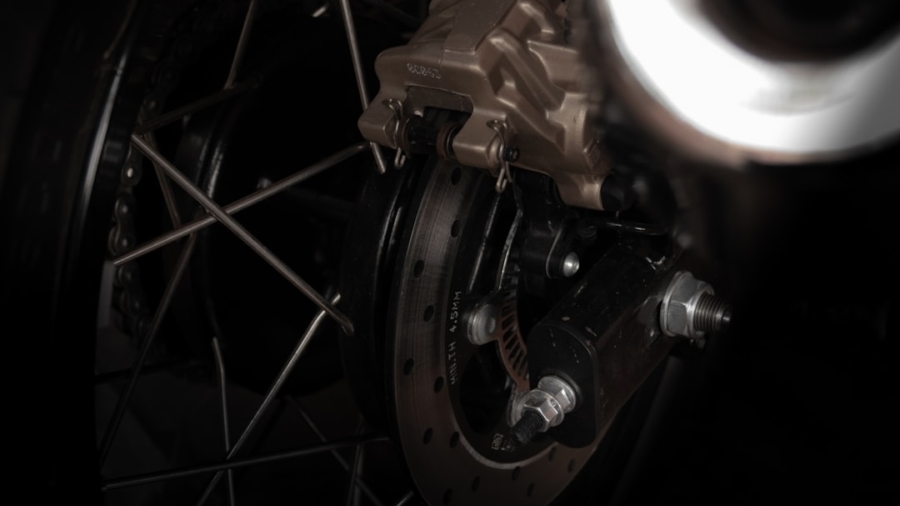
Regenerative braking isn’t just for electric cars anymore. While it’s become a household term thanks to EVs, the basic principle of capturing kinetic energy and converting it back into usable forms, rather than wasting it as heat, has far-reaching applications across various industries. It’s about making things more efficient, safer, and often, more environmentally friendly.
Think about it – every time an elevator goes down with a heavy load, or an escalator carries people downwards, there’s kinetic energy involved. Traditionally, this energy was simply dissipated as heat through friction brakes.
Harnessing Downward Movement
Regenerative braking in elevators and escalators works by turning the motor into a generator during deceleration or when moving downwards with a heavy load.
- Elevators: When an elevator cabin descends with a heavier load than its counterweight, gravity does most of the work. Instead of the motor actively braking and generating heat, it can be switched to generator mode, sending electricity back into the building’s grid.
- Escalators: Similarly, when an escalator is moving downwards and carrying people, the weight of those passengers can contribute to driving the system. Regenerative braking can capture this energy, reducing the overall power consumption of the escalator.
Practical Benefits in Buildings
The advantages here are pretty straightforward and significant.
- Energy Savings: This is the most obvious benefit. By feeding electricity back into the grid, buildings can reduce their overall energy consumption and electricity bills. For large, busy buildings with multiple elevators and escalators, these savings can be substantial over time.
- Reduced Heat Generation: Traditional braking systems generate a lot of heat, which then needs to be dissipated, often requiring additional ventilation or air conditioning, further increasing energy consumption. Regenerative braking reduces this heat load.
- Extended Component Lifespan: Less reliance on friction brakes means less wear and tear on these components, extending their lifespan and reducing maintenance costs.
- Smoother Operation: While not the primary goal, regenerative braking can contribute to smoother deceleration and stopping, improving passenger comfort.
Regenerative braking systems have gained significant attention not only in the automotive sector but also in various other industries, such as public transportation and electric bicycles. For a deeper understanding of how these systems can be applied beyond traditional vehicles, you may find the article on software testing methodologies particularly insightful, as it discusses innovative technologies and their implications across different fields. You can read more about it here: Best Software Testing Books.
Key Takeaways
- Clear communication is essential for effective teamwork
- Active listening is crucial for understanding team members’ perspectives
- Setting clear goals and expectations helps to keep the team focused
- Regular feedback and open communication can help address any issues early on
- Celebrating achievements and milestones can boost team morale and motivation
Industrial Cranes and Hoists: Lifting and Lowering Smarter
Industrial settings often involve moving extremely heavy loads up and down. Think huge container cranes at ports or overhead cranes in factories.
There’s a tremendous amount of potential energy being converted to kinetic energy during lowering.
Capturing Gravitational Energy
When a heavy load is lowered by a crane or hoist, gravity is doing a lot of the work. Instead of using traditional friction brakes to control the descent and dissipate all that energy as heat, regenerative braking systems convert the mechanical energy of the descending load into electrical energy.
- Motor as Generator: The electric motor that lifts the load reverses its function during lowering, acting as a generator. This generated electricity can then be used in various ways.
- Grid Connection: Often, this electricity is fed back into the facility’s power grid, contributing to the overall energy supply.
- Energy Storage: In some more advanced systems, the generated electricity is stored in batteries or supercapacitors for later use, especially if the grid isn’t set up for immediate energy feedback.
Real-World Impact in Factories and Ports
The implications for industrial operations are considerable.
- Significant Energy Cost Reduction: For facilities with constant lifting and lowering operations, the energy saved can be truly massive, directly impacting operational costs.
- Improved Efficiency: By reusing energy, the overall energy efficiency of the industrial process is greatly enhanced.
- Reduced Brake Wear: Just like in elevators, relying less on friction brakes means longer life for those components and less maintenance downtime. This is particularly important for heavy-duty industrial equipment where brake failures can be costly and dangerous.
- Environmental Benefits: Lower energy consumption translates to a smaller carbon footprint, aligning with corporate sustainability goals.
- Enhanced Safety: In certain scenarios, regenerative braking can offer an additional layer of control during load lowering, potentially improving safety by providing precise speed regulation without relying solely on mechanical brakes. This isn’t about replacing safety brakes, but augmenting control.
Rail Transport: Trains, Trams, and Subways

Trains, with their immense weight and frequent stops, are prime candidates for regenerative braking. It’s been used in railway systems for a while, making a big difference in both efficiency and sustainability.
How it Works on the Tracks
When a train, tram, or subway car needs to slow down, its electric motors switch into generator mode.
- Deceleration Power Generation: As the vehicle decelerates, its kinetic energy spins the motor’s rotors, generating electricity.
- Grid Feedback: This generated electricity is then fed back into the railway’s electrical supply system (the overhead lines or third rail). Other trains on the same network that are accelerating or running their systems can then use this recaptured energy.
- Onboard Storage (Less Common but Emerging): While direct grid feedback is the most common, some newer systems are exploring onboard battery storage to capture energy that can’t be immediately used by other trains on the network.
This allows for more flexibility and can be particularly useful in isolated networks or during peak energy generation.
The Clear Advantages for Rail Systems
The scale of energy involved in moving trains means the benefits are significant.
- Massive Energy Savings: When you consider the weight of a train and the frequent stops in urban environments (like subway systems), the amount of energy recovered is huge. This leads to substantial operating cost reductions for railway companies.
- Reduced Heat in Tunnels/Stations: Traditional friction brakes generate immense heat, especially in enclosed environments like subway tunnels and underground stations. Regenerative braking drastically reduces this heat output, leading to more comfortable temperatures for passengers and less need for costly ventilation systems.
- Extended Wheel and Track Lifespan: Less reliance on friction brakes means reduced wear on braking components, but also less wear and tear on wheels and tracks due to heat buildup and physical stress from braking.
- Environmental Friendliness: Lower overall energy consumption and reduced reliance on new electricity generation (often from fossil fuels) contribute to a greener public transport system.
- Smoother Ride: Regenerative braking can provide exceptionally smooth deceleration, improving passenger comfort.
This is especially noticeable on urban transit systems with many stops.
- Improved Peak Power Demand Management: By feeding energy back into the grid, regenerative braking can help level out the power demand peaks that naturally occur when multiple trains accelerate simultaneously. This can reduce stress on the electrical infrastructure.
Marine Vessels: Electric and Hybrid Ships

The shipping industry is increasingly looking for ways to reduce its environmental footprint and fuel consumption. Regenerative braking, particularly in electric and hybrid vessels, offers a compelling solution, though it works a bit differently than on land.
Specialized Marine Applications
While ships don’t ‘brake’ in the same way a car or train does when coming to a complete stop, there are key scenarios where kinetic energy can be recaptured.
- Propulsion Systems: In electric or hybrid propulsion systems, the electric motors driving the propellers can act as generators when the vessel is slowing down, maneuvering, or operating in dynamic positioning mode.
- Dynamic Positioning (DP) Systems: DP systems use thrusters to hold a vessel’s position against wind, waves, and current. When a thruster is quickly reversed or decelerated, regenerative braking can capture some of that energy.
- Wave Energy Conversion (Emerging Concept): This is a much more advanced and experimental concept, but some ideas involve using the motion of waves acting on a ship’s hull or specialized appendages to generate electricity, akin to a form of regenerative braking from environmental forces. More practically, in hybrid vessels, the electric propulsion motor can recover energy during vessel deceleration or when operating at lower speeds where the propeller’s rotational energy might otherwise be wasted.
- Anchor Lowering (Theoretical): For extremely heavy anchors, mechanisms could theoretically be designed to capture some of the potential energy as the anchor is lowered, similar to a crane. This is less common in practice due to the specific design requirements of anchors and chains.
Advantages for the Blue Economy
The benefits for marine applications are primarily about efficiency, cost, and environment.
- Fuel Efficiency: By recapturing and reusing energy, hybrid and electric vessels can significantly reduce their reliance on diesel generators, leading to substantial fuel savings. This is critical as fuel costs are a major operational expense for shipping companies.
- Reduced Emissions: Less fuel consumption directly translates to lower emissions of greenhouse gases and other pollutants, helping the marine industry meet increasingly stringent environmental regulations.
- Lower Maintenance Costs: Less stress on traditional mechanical braking components (where they exist, for example, on winch systems) and extended life for prime movers (engines) due to more stable load profiles.
- Improved Power Management: Regenerative braking can help buffer power demands, ensuring a more stable and efficient power supply across the vessel’s electrical grid, especially beneficial for complex onboard systems.
Regenerative braking systems have gained significant attention in the automotive sector, but their applications extend far beyond vehicles. For instance, industries such as public transportation and renewable energy are exploring innovative ways to harness this technology for improved efficiency. A related article discusses the potential of regenerative braking in various sectors, highlighting its benefits and future prospects. You can read more about this fascinating topic in the article com/ideas-r-us-software-free-studio3-to-svg-converter/’>here.
By integrating these systems into different applications, we can pave the way for a more sustainable future.
Renewable Energy Systems: Wind Turbines and Hydro Power
| Industry | Application | Benefits |
|---|---|---|
| Railways | Train braking systems | Energy savings, reduced wear on braking components |
| Aerospace | Aircraft braking systems | Improved fuel efficiency, extended brake life |
| Heavy machinery | Construction equipment | Energy recovery, reduced operating costs |
This might seem counterintuitive at first glance, but regenerative principles play a crucial role in managing and optimizing renewable energy generation, particularly in how these systems regulate and control their operations.
Managing Nature’s Power
While not “braking” in the traditional sense of slowing down a vehicle, these systems deal with massive kinetic energy (wind or water flow) that needs to be controlled, converted, and sometimes brought to a halt.
- Wind Turbines:
- Pitch Control: When wind speeds get too high, a wind turbine doesn’t just stop. Its blades are “pitched” (rotated along their long axis) to reduce their aerodynamic surface area, thereby controlling the rotational speed and the power output. The energy involved in controlling these large blades can be partially recuperated.
- Braking for Safety/Maintenance: When a turbine needs to be shut down for maintenance or due to extreme weather, mechanical brakes are used, but the initial slowing down can often incorporate the generator reversing its role to provide resistance, effectively converting some of that rotational kinetic energy into electricity before the mechanical brakes engage.
- Grid Connection/Inverters: The inverters connecting the turbine to the grid are sophisticated bidirectional devices. When the turbine’s generator is operating, it sends power to the grid. If for some reason the turbine needs to draw power (e.g., for starting up, pitch control, or certain operational modes), the same inverter allows for power to flow from the grid to the turbine. This isn’t strictly regenerative braking in the sense of capturing kinetic energy from slowing down, but it highlights the reversible nature of power flow and the intelligent management of energy within the system.
- Hydro Power (Pumped-Storage Hydroelectricity):
- Turbine as Pump/Pump as Turbine: This is arguably the ultimate form of regenerative energy storage. During periods of low electricity demand (and often cheaper electricity), excess grid power is used to pump water from a lower reservoir to an upper reservoir. When electricity demand (and price) is high, the water is released from the upper reservoir, flowing down through turbines to generate electricity. The same motor/generator units are often used for both pumping and generating, effectively “regenerating” potential energy into electricity when needed.
- Controlling Water Flow: When a hydro plant needs to reduce its power output or shut down, huge sluice gates or valves are used to control the water flow. The kinetic energy of this moving water is immense, and while not directly “braked” into electricity from the water itself, the control mechanisms and the interaction with the turbine/generator units need to manage these forces efficiently.
Boosting Renewable Energy’s Potential
The intelligent use of regenerative principles in renewables is all about optimization and grid stability.
- Grid Stability and Load Balancing: Particularly with pumped-storage hydro, it provides crucial grid stability by acting as a giant battery, absorbing excess energy when available and releasing it when needed. This helps integrate intermittent renewable sources like wind and solar.
- Efficient Operation: By intelligently controlling turbine speeds and pitch, wind farms can operate more efficiently across a wider range of wind conditions, maximizing energy capture.
- Reduced Mechanical Stress: For both wind and hydro, smooth control and braking reduce sudden stresses on mechanical components, leading to longer lifespans and less maintenance downtime.
- Enhanced Reliability: The ability to precisely control power output and safely shut down systems contributes to the overall reliability of renewable energy installations.
- Addressing Intermittency: Pumped-storage hydro directly addresses the intermittency challenge of other renewables, helping to ensure a consistent power supply.
Beyond the Usual Suspects: Emerging and Niche Applications
While the major heavy-hitters above capture a lot of the spotlight, regenerative braking principles are popping up in all sorts of unexpected places. It’s a testament to the versatility of the idea.
Sporting and Recreational Equipment
Think about activities where human power is translated into motion, and then slowed down.
- Exercise Equipment: High-end treadmills, elliptical trainers, and stationary bikes are starting to incorporate regenerative features. When you’re running on a treadmill, particularly downhill modes, or when the machine slows down, the motor can act as a generator, feeding power back to the grid or charging internal batteries. This lessens the power drain from the wall and can even contribute a tiny bit to the building’s energy supply.
- Electric Bicycles/Scooters with Advanced Systems: While basic e-bikes often allow for some regenerative braking, more advanced models, especially those designed for commuting or cargo, are integrating more sophisticated systems. This extends range and reduces wear on disc brakes.
- Wearable Devices (Future Concept): Imagine a future where your smart shoe or exoskeleton could harvest a tiny amount of energy from your walking or running stride, extending battery life for sensors or communication. This is highly theoretical for significant power, but the principle is there.
Aerospace: Aircraft and Spacecraft
The unique challenges of flight and space mean different applications.
- Aircraft Landing Gear (Experimental): Aircraft, especially large commercial jets, carry immense kinetic energy during landing. While primary braking is still mechanical, research is underway for “greener” landing gears that incorporate electric motors and regenerative braking. During rollout, these motors could capture energy from the turning wheels, reducing wear on traditional brakes, generating auxiliary power, and potentially decreasing fuel burn during taxiing. This is still largely in the experimental phase.
- Rotorcraft (Helicopters): In some electric or hybrid helicopter designs, there’s potential for recuperating energy during autorotation (an emergency landing procedure where the rotor spins freely) or during controlled descents by using the electric motors in a regenerative mode.
- Spacecraft Thrusters/Attitude Control (Very Niche): For certain systems that involve rotating mass for attitude control (reaction wheels), there might be subtle applications where the deceleration of these wheels could contribute minimal amounts of energy back to the spacecraft’s power bus, though the primary goal is control, not energy capture.
Robotics and Automation
As robots become more complex and mobile, energy efficiency is key.
- Industrial Robots: Robotic arms making repetitive movements frequently accelerate and decelerate. Advanced motor control systems in some industrial robots now incorporate regenerative braking to capture energy during deceleration, preventing it from being wasted as heat. This reduces the energy consumption of the robotic cell.
- Mobile Robots and AGVs (Automated Guided Vehicles): Similar to electric vehicles, mobile robots and AGVs that stop and start frequently can benefit from regenerative braking, extending battery life and reducing charging cycles. This is particularly relevant in warehouse environments.
- Exoskeletons: Powered exoskeletons, used for assistance or rehabilitation, involve motors that move and resist motion. Regenerative braking can capture energy from a user’s descending movement or from the system’s own deceleration, contributing to battery longevity.
These diverse applications show that the core idea of regenerative braking is a powerful tool for efficiency across almost any system that involves converting or controlling kinetic or potential energy. It’s about thinking smarter about how we manage movement and power.
FAQs
What is regenerative braking?
Regenerative braking is a system that recovers energy during braking by converting the kinetic energy of a moving vehicle into electrical energy, which can be stored or used to power other systems.
How is regenerative braking used beyond the automotive sector?
Regenerative braking systems are being utilized in various industries such as railways, elevators, and industrial machinery to improve energy efficiency and reduce overall energy consumption.
What are the benefits of regenerative braking systems in non-automotive applications?
The benefits of regenerative braking systems in non-automotive applications include reduced energy costs, lower environmental impact, and increased overall efficiency of the systems in which they are implemented.
Are there any challenges associated with implementing regenerative braking systems in non-automotive applications?
Challenges associated with implementing regenerative braking systems in non-automotive applications include the initial cost of installation, system integration complexities, and the need for specialized expertise in the specific industry.
What are some examples of non-automotive applications of regenerative braking systems?
Examples of non-automotive applications of regenerative braking systems include regenerative elevators, regenerative braking in trains and trams, and regenerative braking in industrial machinery such as cranes and hoists.
Enjoying our content? Make us a preferred source on Google:
Add us as a Preferred Source on Google