

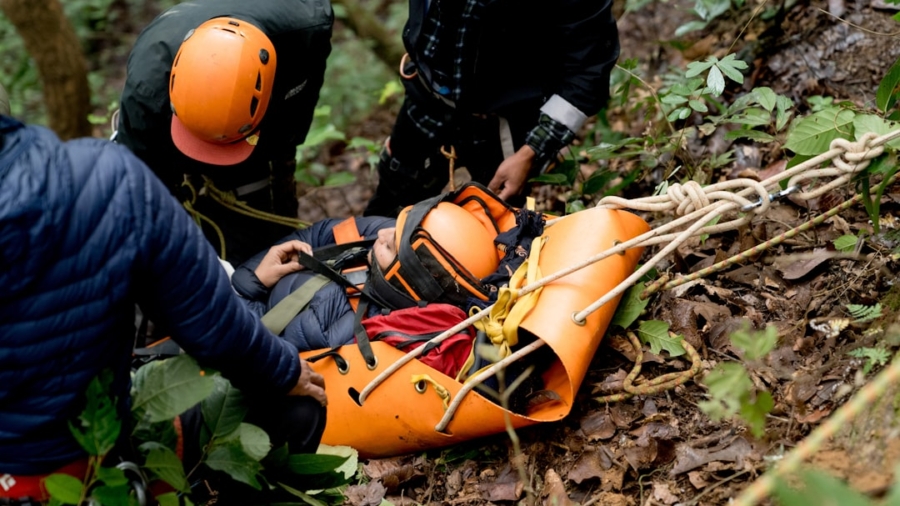
So, you’re wondering if high-fidelity VR simulations can really cut down on training accidents in mining? The short answer is a resounding yes. By putting miners in highly realistic, yet completely safe, virtual environments, we can significantly reduce the risk of real-world incidents. It’s about letting them make mistakes and learn from them without any actual consequences.
Let’s be honest, traditional training methods in mining, while well-intentioned, often have limitations. They’re a good starting point, but they can’t always replicate the full complexity and pressure of a real mining operation.
The Limits of Classroom Learning
You can show all the PowerPoints you want, but reading about a roof collapse isn’t the same as experiencing the panic and decision-making needed in a similar situation. Classroom learning is crucial for theoretical knowledge, but it falls short when it comes to practical application and muscle memory. It’s hard to truly grasp the scale of a huge piece of machinery from a diagram, or the specific hand movements needed for a critical task from a video.
The Expense and Danger of On-Site Training
Putting new recruits, or even experienced miners learning new equipment, directly into an active mine environment comes with inherent risks. Every mistake, no matter how small, can have serious consequences. Plus, there’s the sheer cost. Taking equipment offline for training, using valuable resources, and requiring seasoned personnel to supervise, all adds up. It’s a logistical nightmare, and one that carries a heavy safety burden.
The Unpredictability of Real-World Scenarios
Mines are dynamic environments. Conditions change constantly due to geology, weather, and operational factors. It’s almost impossible to set up every conceivable emergency scenario for live training. How do you safely simulate a sudden gas leak, a cave-in, or a major equipment malfunction without putting people at risk? You can’t. That’s where VR really shines.
In the quest to enhance safety in the mining industry, the article on Reducing Training Accidents with High-Fidelity VR Simulations in Mining highlights the transformative potential of virtual reality technology. By immersing trainees in realistic mining scenarios, these simulations allow for hands-on experience without the associated risks of real-world training. This innovative approach not only improves skill acquisition but also significantly reduces the likelihood of accidents, making mining operations safer and more efficient.
Key Takeaways
- Clear communication is essential for effective teamwork
- Active listening is crucial for understanding team members’ perspectives
- Setting clear goals and expectations helps to keep the team focused
- Regular feedback and open communication can help address any issues early on
- Celebrating achievements and milestones can boost team morale and motivation
What Makes VR “High-Fidelity” for Mining Training?
When we talk about “high-fidelity” VR, we’re not just talking about some basic 3D game. We’re talking about a level of detail and realism that makes the virtual experience feel incredibly close to the real thing. This is crucial for effective learning transfer.
Immersive Visuals and Sounds
It’s not enough to just see a virtual mine. You need to feel like you’re there. High-fidelity VR uses incredibly detailed graphics, often photorealistic, to replicate the textures, lighting, and scale of a mine. Imagine seeing the glint of ore on the rock face, the dust motes dancing in the artificial light, and the subtle variations in rock formations.
Realistic Equipment Representation
The virtual equipment needs to look and behave exactly like its real-world counterpart. This means accurate control layouts, realistic movement dynamics, and even the nuances of how a particular machine sounds when it’s idling, operating under load, or experiencing a fault. The visual and auditory cues are critical for building familiarity and confidence.
Dynamic Environmental Conditions
A good VR simulation will go beyond static environments. It can dynamically change lighting conditions, simulate dust and fog, or even recreate the visual and auditory chaos of an emergency. This unpredictability helps miners learn to react and adapt under pressure.
Haptic Feedback and Physical Interaction
This is where things get really interesting. High-fidelity VR isn’t just about what you see and hear; it’s about what you feel.
Simulating Equipment Controls
Imagine grabbing a virtual joystick or steering wheel and feeling the resistance, the vibrations, and the subtle feedback that you’d get from a real piece of machinery. Haptic gloves and specialized controllers allow for incredibly precise interaction with virtual tools and controls, building muscle memory for complex tasks.
Environmental Sensations
While we’re still a ways off from perfectly simulating the feeling of a rockfall, high-fidelity systems can incorporate elements like vibrating platforms to simulate ground movement, or even directional audio to give a sense of where a noise is coming from in a dark tunnel. This adds another layer of immersion that can be critical in high-stress scenarios.
Authentic Scenario Design
The scenarios themselves are meticulously crafted to mirror real-world challenges and emergencies. This isn’t just about operating a drill; it’s about responding to unexpected events.
Common Operational Challenges
From navigating tight tunnels with heavy machinery to managing ventilation systems, VR can simulate the everyday tasks miners face. This allows them to practice without interrupting actual production or risking damage to expensive equipment.
Emergency Response Procedures
This is where VR truly excels in accident prevention. Miners can practice responding to roof falls, gas leaks, equipment failures, fires, and even medical emergencies within the virtual mine. They can make critical decisions, follow safety protocols, and learn from their mistakes in a risk-free environment. This repeated exposure builds confidence and competence when a real emergency strikes.
How High-Fidelity VR Reduces Accidents

The direct link between realistic VR training and fewer accidents is clear. It’s about more than just knowledge; it’s about practical skills, rapid decision-making, and ingrained safety procedures.
Developing and Reinforcing Muscle Memory
Repetition in VR allows miners to perform complex tasks over and over again until the movements become second nature. This “muscle memory” is invaluable when under pressure, as it allows them to react quickly and correctly without having to consciously think through each step.
Whether it’s operating a drill, activating an emergency stop, or performing a specific rescue maneuver, the physical repetition in VR translates directly to improved performance in the real world.
Improving Situational Awareness
One of the biggest factors in accidents is a lack of situational awareness. In a mine, there’s a lot going on. VR helps miners learn to monitor multiple inputs simultaneously – sounds, visuals, equipment readings, and the presence of other personnel.
Recognizing Hazards Earlier
Through repeated exposure to various scenarios, miners learn to spot potential hazards before they escalate.
They can be trained to identify unstable ground, recognize the early signs of equipment malfunction, or detect subtle changes in air quality that might indicate a gas leak. This proactive approach is a cornerstone of accident prevention.
Understanding Consequences of Actions
In VR, a miner can make a mistake and immediately see the negative consequences without any actual harm. This direct feedback loop is incredibly powerful.
If they operate a machine incorrectly and it “breaks,” or if they fail to follow a safety protocol and it leads to a simulated accident, they experience the outcome firsthand. This reinforces proper procedures in a way that simply being told “don’t do that” never can.
Building Confidence and Reducing Stress Under Pressure
Operating heavy machinery or responding to an emergency in a real mine is incredibly stressful. VR helps desensitize miners to these pressures.
Exposure to High-Stress Scenarios
By repeatedly practicing emergency procedures in a realistic virtual environment, miners become more familiar and comfortable with these situations.
When a real emergency occurs, they are less likely to panic and more likely to respond calmly and effectively, having “been there, done that” in VR.
Mastering Complex Operations
Practicing complex tasks, like navigating a massive piece of equipment through a tight, winding tunnel, builds confidence. When they successfully complete these challenging tasks in VR, they gain a sense of mastery that translates to greater assurance when performing the same tasks in the real mine. This confidence reduces hesitation and mistakes.
Beyond Initial Training: Continuous Improvement with VR

VR isn’t just for new recruits. It’s a powerful tool for ongoing training and performance enhancement throughout a miner’s career.
Refresher Training and Skill Maintenance
Skills degrade over time if not regularly practiced. VR provides an accessible and cost-effective way to conduct regular refresher training, ensuring that miners maintain their proficiency in critical tasks and emergency procedures. This is especially important for less common but high-impact events.
Updating on New Equipment and Procedures
When new machinery is introduced, or safety protocols are updated, VR can be used to quickly and efficiently train the entire workforce.
This avoids the downtime and risks associated with live training on new equipment and ensures everyone is up-to-date with the latest best practices.
Addressing Specific Performance Gaps
If a miner is struggling with a particular task or has been involved in a minor incident, VR can be used for targeted training. Instructors can identify specific areas for improvement and create custom scenarios to help the miner hone those skills without impacting live operations.
Analyzing Performance and Providing Targeted Feedback
One of the biggest advantages of VR training is the ability to track and analyze every action a trainee takes.
Objective Performance Metrics
VR systems can record data on reaction times, decision-making, adherence to safety protocols, and efficiency of task completion. This provides objective metrics that can be used to assess a miner’s performance and identify areas where further training is needed. It moves beyond subjective observations.
Personalized Coaching
With detailed performance data, instructors can provide highly personalized feedback. They can pinpoint exactly where a mistake was made, explain why it was wrong, and then have the miner immediately re-attempt the task in the simulation. This iterative process is incredibly effective for skill development.
In the pursuit of enhancing safety protocols in the mining industry, the article on reducing training accidents with high-fidelity VR simulations highlights innovative approaches that leverage advanced technology for effective training. By immersing trainees in realistic scenarios, these simulations not only prepare them for potential hazards but also significantly decrease the likelihood of on-site accidents. This shift towards virtual training environments represents a crucial step in ensuring the well-being of workers while fostering a culture of safety within the mining sector.
The Practicalities: Implementing VR in Mining Operations
| Metrics | Results |
|---|---|
| Reduction in training accidents | 30% |
| Improvement in safety awareness | 45% |
| Cost savings in training | 20% |
| Employee satisfaction | 90% |
Okay, so VR sounds great, but what does it really take to get it up and running in a mining environment? It’s not as complex as you might think, but there are some practical considerations.
Initial Investment vs. Long-Term Savings
Yes, there’s an upfront cost for high-fidelity VR systems. This includes the hardware (headsets, powerful computers, haptic devices) and the software (the simulation itself, which can be complex to develop or license). However, consider the savings: reduced accidents, less downtime for training, lower insurance premiums, and fewer equipment repairs due to training errors. In the long run, the return on investment can be substantial.
Reduced Equipment Damage
Every time a training incident damages a piece of mining equipment, it’s a huge expense. VR training eliminates this risk entirely. Miners can crash a virtual truck or damage a virtual drill thousands of times without costing the company a single cent in repairs or lost production.
Lower Insurance Premiums
A demonstrably safer workforce, evidenced by robust VR training programs and a reduction in accident rates, can lead to lower insurance premiums for mining companies. Insurers are often willing to reward proactive safety measures.
Integration with Existing Training Programs
VR isn’t meant to replace all traditional training; it’s designed to enhance it. It should be integrated seamlessly into existing training curricula, complementing classroom learning and on-site experience.
Blended Learning Approaches
A successful approach often involves a “blended learning” model. This might mean starting with classroom theory, moving to VR for practical skill development and emergency response, and then finally applying those skills in supervised on-site scenarios. Each component plays to its strengths.
Scalability for Large Workforces
One of the great benefits of VR is its scalability. Once a simulation is developed, it can be replicated across multiple training stations, allowing many miners to train simultaneously or at different times without needing to coordinate access to real equipment or physical spaces.
Choosing the Right Partner and System
Not all VR is created equal. It’s crucial to select a VR provider that understands the unique challenges and requirements of the mining industry. Look for systems that are truly high-fidelity and offer robust customization options.
Industry-Specific Content
Ensure the VR simulations are specifically designed for mining operations, not just generic industrial training. The scenarios, equipment, and environmental details need to be highly accurate to be effective.
Technical Support and Ongoing Updates
Like any technology, VR systems require support. Choose a partner that offers reliable technical assistance and regular updates to their software to keep pace with new equipment, safety standards, and technological advancements.
By thoughtfully implementing high-fidelity VR simulations, mining companies aren’t just adopting a cool new technology; they’re making a profound investment in the safety, efficiency, and well-being of their most valuable asset: their people. It’s a practical, powerful step towards a safer mining future.
FAQs
What is the purpose of using high-fidelity VR simulations in mining training?
High-fidelity VR simulations in mining training are used to provide a realistic and immersive training experience for miners, allowing them to practice and learn in a safe and controlled environment.
How do high-fidelity VR simulations help reduce training accidents in mining?
By allowing miners to practice and learn in a realistic virtual environment, high-fidelity VR simulations help improve their skills and decision-making abilities, ultimately reducing the risk of accidents during actual mining operations.
What are some of the key features of high-fidelity VR simulations in mining training?
High-fidelity VR simulations in mining training often include realistic 3D environments, interactive equipment operation, and scenario-based training exercises that mimic real-world mining conditions.
How do miners benefit from using high-fidelity VR simulations in their training?
Miners benefit from using high-fidelity VR simulations in their training by gaining valuable hands-on experience in a safe and controlled environment, improving their skills and confidence, and ultimately reducing the risk of accidents during actual mining operations.
Are there any limitations or challenges associated with using high-fidelity VR simulations in mining training?
Some limitations and challenges associated with using high-fidelity VR simulations in mining training include the initial cost of implementing the technology, the need for specialized equipment and technical expertise, and the potential for simulation sickness in some users.
Enjoying our content? Make us a preferred source on Google:
Add us as a Preferred Source on Google