

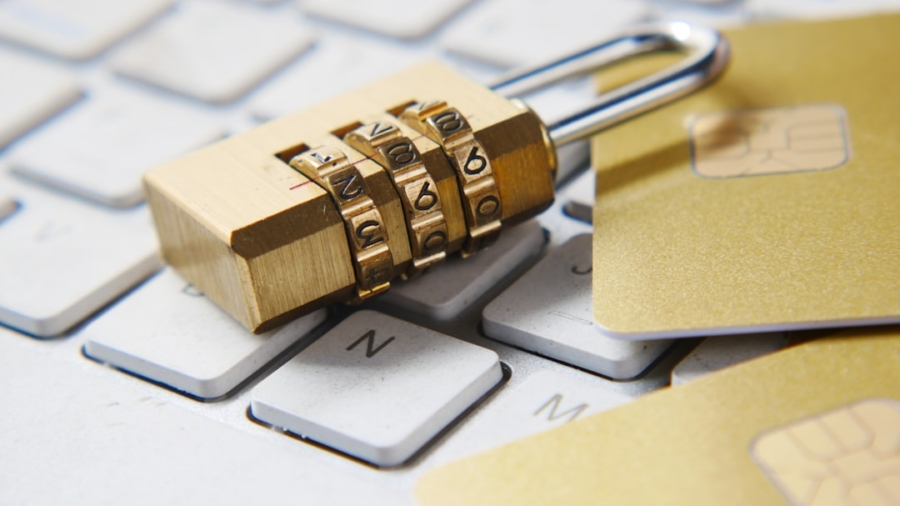
Let’s talk about keeping your information safe when you’re using public Wi-Fi. The short answer is: be incredibly careful. While convenient, public networks are often unsecured, meaning your data could be exposed to anyone with a little know-how. But don’t worry, there are definitely steps you can take to make things a lot more secure.
Think of public Wi-Fi like a big, open meeting place. Everyone’s connected, and if you’re not careful, everyone might also be able to “hear” or “see” what you’re doing. Unlike your home network, which has a password and a degree of inherent trust, public Wi-Fi often has minimal or no security measures in place. This makes it a playground for people with malicious intent. They can easily snoop on activity, intercept data, or even trick you into connecting to a fake network.
The Dangers You Face
When you connect to an unsecured public Wi-Fi network, you’re essentially broadcasting your activity. Here’s a quick rundown of some of the nasties you might encounter:
- Man-in-the-Middle (MitM) Attacks: This is a big one. An attacker places themselves between you and the website or service you’re trying to reach. They can then intercept, read, and even modify your communications without your knowledge. Imagine someone sitting between you and your bank, listening to everything you say and even changing your instructions. Scary, right?
- Packet Sniffing: This is exactly what it sounds like. Attackers use software to “sniff” or capture packets of data traveling across the network. These packets can contain anything from your browsing history to login credentials if they’re not encrypted.
- Unencrypted Traffic: Many websites and services use encryption (HTTPS is your friend here, look for the padlock icon!), but some still don’t. If you access an unencrypted site on public Wi-Fi, everything you do on that site could be visible to others.
- Malicious Hotspots: Sometimes, attackers set up fake Wi-Fi networks with names that sound legitimate (like “Free Airport Wi-Fi” or “CoffeeShop_Guest”). If you connect to one of these, you’re directly connecting to the attacker’s network, giving them full control over your traffic.
- Malware Distribution: Similar to malicious hotspots, attackers can use public Wi-Fi to push malware onto your device. This could be done through compromised websites or by exploiting vulnerabilities in your device’s software.
When navigating the challenges of protecting personal data while using public Wi-Fi networks on the go, it’s essential to stay informed about best practices and potential risks. A related article that delves deeper into this topic is available at Enicomp’s Blog, where you can find valuable insights and tips on enhancing your online security while accessing public networks.
Key Takeaways
- Clear communication is essential for effective teamwork
- Active listening is crucial for understanding team members’ perspectives
- Setting clear goals and expectations helps to keep the team focused
- Regular feedback and open communication can help address any issues early on
- Celebrating achievements and milestones can boost team morale and motivation
Your Essential Tool Kit: VPNs and Encryption
These two are your primary defenses against the wild west of public Wi-Fi. You really shouldn’t be using public Wi-Fi for anything sensitive without them.
Virtual Private Networks (VPNs)
A VPN is like building a private, encrypted tunnel between your device and the internet. Instead of your data going directly from your laptop to the public Wi-Fi and then out to the web, it goes from your laptop, through the encrypted tunnel to a VPN server, and then out to the web.
- How it Works: When you connect to a VPN, your internet traffic is encrypted, masking your IP address and making your online activity private. This means even if someone is sniffing packets on the public Wi-Fi, all they’ll see is encrypted gibberish instead of your actual data.
- Choosing a Good VPN: Not all VPNs are created equal. Look for reputable providers with a strong no-logs policy (meaning they don’t record your online activity). Free VPNs often come with hidden costs, like selling your data, so be wary. Paid VPNs offer better security, faster speeds, and reliable support.
- Always On: Make it a habit to turn your VPN on before you connect to any public Wi-Fi and keep it on for the entire duration of your session. Think of it as putting on your seatbelt before you start driving.
Understanding Encryption (HTTPS)
Even with a VPN, paying attention to encryption on individual websites is crucial. Look for “HTTPS” in the website address and a padlock icon next to it in your browser’s address bar.
- What it Means: HTTPS signifies that the connection between your browser and the website server is encrypted. This means that even if someone intercepts the data, they won’t be able to read it because it’s scrambled.
- Where to Check: Always verify you’re on an HTTPS site when you’re entering sensitive information like passwords, credit card numbers, or personal details. Most reputable sites use HTTPS by default now, but it’s always good to double-check, especially if you get redirected or click on a link you’re unsure about.
- Browser Warnings: Your browser will usually warn you if a site isn’t using HTTPS or if there’s a problem with its security certificate. Don’t ignore these warnings!
Smart Habits and Settings for On-the-Go Security

Beyond VPNs and encryption, there are some practical habits and settings you should adopt to beef up your security posture while using public Wi-Fi. These are easy wins that make a big difference.
Be Picky About Networks
Don’t just connect to the first “Free Wi-Fi” you see. Take a moment to verify the network.
- Confirm the Name: If you’re at a coffee shop, ask a staff member what the official Wi-Fi network name is.
Attackers often create fake networks with similar names to trick you.
- Avoid Auto-Connect: Turn off auto-connect to Wi-Fi networks on your devices. This prevents your device from automatically joining potentially unsecured or malicious networks without your explicit permission.
- Forget Networks: After you’re done with a public Wi-Fi network, make a habit of “forgetting” it on your device settings. This prevents your device from trying to reconnect to it in the future, especially if that network becomes compromised.
Tweak Your Device Settings
A few simple adjustments to your device’s settings can significantly reduce your exposure.
- Disable File Sharing: File sharing features (like AirDrop on Apple devices or network sharing on Windows) are handy at home but a huge security risk on public networks. Make sure they are turned off. This prevents others on the same network from trying to access files on your device.
- Turn Off Automatic Wi-Fi Joining: As mentioned above, this is crucial.
Your phone constantly scans for known networks, and if this feature is on, it might automatically connect to an unsecured network without you even realizing it.
- Use Your Mobile Data (Discreetly): For highly sensitive tasks like online banking or making purchases, it’s often safer to switch to your mobile data. Your cellular connection typically offers better encryption and fewer risks than public Wi-Fi. However, be mindful of your data limits.
- Keep Your Software Updated: This applies to your operating system, web browser, and any applications you use.
Updates often include critical security patches that protect against newly discovered vulnerabilities. An outdated system is an open invitation for attackers.
What Not to Do on Public Wi-Fi

Sometimes, the best security is simply knowing what not to do. There are certain activities that you should simply avoid when connected to public Wi-Fi, even with a VPN.
Avoid Sensitive Transactions
This is probably the most crucial piece of advice.
- Online Banking: Never, ever access your online banking accounts on public Wi-Fi, even with a VPN. The risk is just too high.
- Online Shopping: Similarly, avoid making purchases that require you to enter credit card details or other sensitive payment information. Save it for when you’re on a secure network.
- Accessing Work-Related Data: If your job involves handling confidential information, do not access it on public Wi-Fi. Many companies have strict policies about this for good reason. If you must access work, ensure you’re using official company VPNs or secure remote access solutions.
Be Wary of Logins and Passwords
Unless you are absolutely certain of the security, be very cautious about entering login credentials.
- Social Media: While tempting, think twice about logging into social media accounts on public Wi-Fi, especially if you reuse passwords. A compromised social media account can lead to further identity theft.
- Email: Your email is often the key to recovering other accounts. Logging into an unsecured email account on public Wi-Fi could give an attacker access to password reset links for many of your services.
- Use Strong, Unique Passwords: This is a general cybersecurity rule, but it’s even more important on public Wi-Fi. If one of your accounts gets compromised, having unique passwords for everything prevents a domino effect. Consider using a password manager.
Limit What You Share
Be mindful of what information you’re actively putting out there.
- Personal Information: Don’t fill out extensive forms or share highly personal details on websites while using public Wi-Fi.
- File Transfers: Avoid sending or receiving sensitive files. Even if you’re using a file-sharing service, the initial connection might be vulnerable.
- Video Calls (Without Encryption): If your video call service doesn’t have end-to-end encryption, then your conversation could potentially be intercepted. Stick to services known for strong encryption.
When navigating the challenges of protecting personal data while using public Wi-Fi networks on the go, it’s essential to stay informed about the best practices and tools available. For instance, you might find it helpful to explore the latest advancements in technology that can enhance your online security. A related article discusses the best software for 3D animation, which highlights how innovative tools can also play a role in safeguarding your digital presence. You can read more about it here.
When All Else Fails: Assume Compromise and Act Accordingly
| Public Wi-Fi Network | Risks | Protection Measures |
|---|---|---|
| Unsecured Networks | Data interception, malware attacks | Use VPN, avoid sensitive transactions |
| Man-in-the-Middle Attacks | Data theft, session hijacking | Enable HTTPS, use trusted networks |
| Malicious Hotspots | Phishing, fake networks | Verify network name, use mobile data |
Sometimes, despite your best efforts, something feels off.
Or, you might just want to be extra cautious.
Monitor Your Accounts
- Review Bank Statements: Regularly check your bank and credit card statements for any suspicious activity, especially after using public Wi-Fi.
- Check Login Histories: Many online services offer a feature to review recent login activity. Take a look at these periodically.
- Beware of Phishing: Be extra vigilant about phishing emails or messages that claim to be from services you use. Attackers might try to leverage information they’ve gathered.
Change Passwords
- After Exposure: If you accessed a sensitive account on public Wi-Fi without adequate protection (like a VPN), change that password as soon as you’re on a secure network.
- Regularly: It’s good practice to change important passwords regularly anyway, but even more so if you’re a frequent public Wi-Fi user.
Report Suspicious Activity
- Network Administrator: If you suspect a public Wi-Fi network is malicious (e.g., a fake hotspot), inform the staff of the location immediately.
- Service Provider: If an online account gets compromised, contact the service provider to report the issue and take steps to secure your account.
In essence, using public Wi-Fi doesn’t have to be a complete no-go, but it definitely requires a heightened sense of awareness and some proactive steps. Treat any public network with suspicion, use your VPN and HTTPS diligently, and avoid sensitive activities.
A little caution goes a long way in keeping your digital life private and secure.
FAQs
What are the risks of using public Wi-Fi networks for personal data?
Public Wi-Fi networks are often unsecured, making it easier for hackers to intercept and steal personal data such as passwords, credit card information, and browsing history.
How can I protect my personal data while using public Wi-Fi networks?
To protect your personal data while using public Wi-Fi networks, you can use a virtual private network (VPN) to encrypt your internet connection, enable two-factor authentication for online accounts, and avoid accessing sensitive information such as online banking or shopping websites.
What are some signs that a public Wi-Fi network may be unsafe?
Unsafe public Wi-Fi networks may have generic or misspelled network names, no password requirement for access, and no terms of use or privacy policy displayed. Additionally, if the network prompts you to download software or enter personal information, it may be unsafe.
Are there any specific settings I should adjust on my device to enhance security while using public Wi-Fi networks?
You can enhance security on your device by turning off file sharing, enabling your device’s firewall, and disabling automatic Wi-Fi connections to prevent connecting to unsafe networks without your knowledge.
What should I do if I suspect my personal data has been compromised while using a public Wi-Fi network?
If you suspect your personal data has been compromised while using a public Wi-Fi network, you should immediately disconnect from the network, change your passwords for any accounts accessed, and monitor your accounts for any unauthorized activity. Additionally, consider contacting your financial institutions and credit card companies to report the potential breach.
Enjoying our content? Make us a preferred source on Google:
Add us as a Preferred Source on Google