

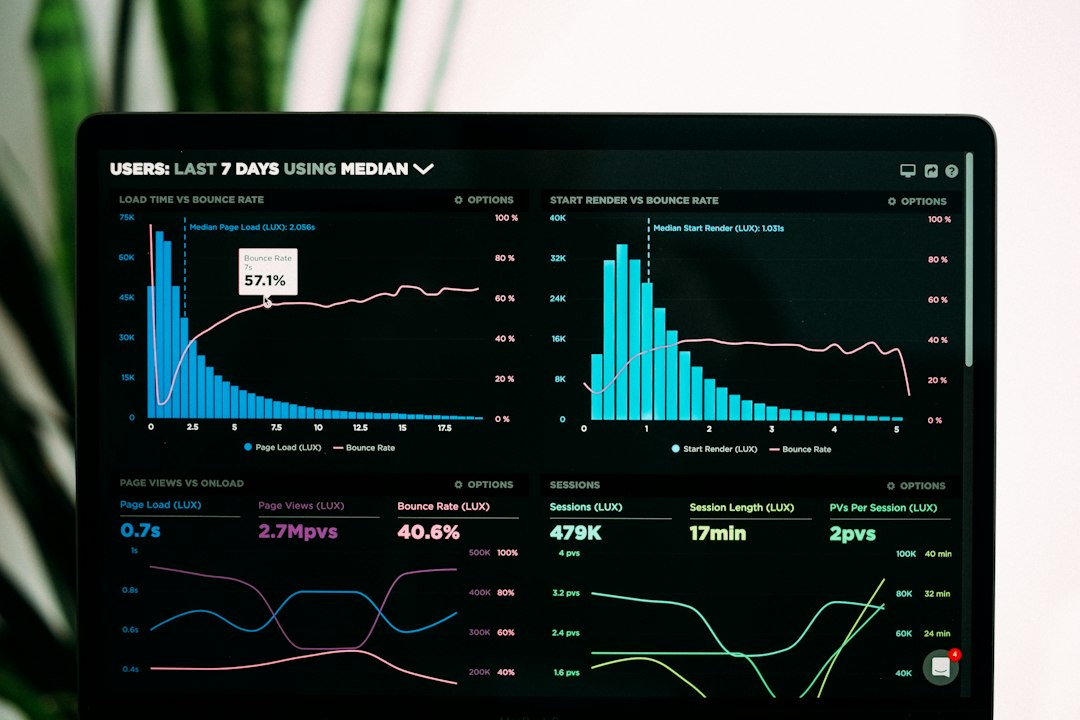
Balancing the powerful insights from learning analytics with the essential privacy protections of FERPA is certainly achievable. It’s about leveraging smart techniques to predict student needs and intervene effectively, all while keeping student data safe and compliant. This isn’t a pipe dream; it involves a careful blend of technical solutions and thoughtful policy decisions to ensure we’re helping students without compromising their trust or their rights.
The Promise and Peril of Learning Analytics
Learning analytics, at its core, involves collecting and analyzing data about learners and their contexts to understand and optimize learning and the environments in which it occurs. We’re talking about everything from login times and assignment submissions to forum participation and grades. The promise here is huge: imagine identifying a student at risk of failing before they fall behind, or personalizing learning pathways to match individual needs. Predictive intervention, driven by these analytics, can be a game-changer for student success and retention.
However, this powerful capability comes with significant privacy concerns. Educational institutions collect a vast amount of sensitive student data, and the aggregation and analysis of this data, even for benevolent purposes, can create detailed profiles that, if mishandled, could expose private information or lead to unintended biases. The “peril” lies in the potential for misuse, accidental breaches, or simply eroding student trust by making them feel constantly monitored. It’s a tightrope walk between effective support and respecting individual boundaries.
What Is Learning Analytics?
Learning analytics involves the measurement, collection, analysis, and reporting of data about learners and their contexts for purposes of understanding and optimizing learning and the environments in which it occurs. This definition, from the Society for Learning Analytics Research (SoLAR), highlights the practical goal: to improve learning outcomes. Data sources can be diverse, including Learning Management Systems (LMS) like Canvas or Moodle, student information systems (SIS), library usage logs, and even campus Wi-Fi connection data. The insights gained can range from identifying struggling students to optimizing course design or even predicting enrollment trends.
The Power of Predictive Intervention
Predictive intervention uses learning analytics to forecast potential academic challenges or successes for individual students. For instance, an algorithm might flag a student who hasn’t logged into the LMS for several days, has consistently low quiz scores, and hasn’t submitted their last assignment. This early warning allows advisors, instructors, or support staff to reach out proactively, offering resources, academic counseling, or just a checking-in conversation. The goal isn’t to replace human judgment but to augment it, ensuring that help arrives when it’s most needed, before a small issue spirals into a larger problem. The benefits extend beyond individual students, potentially reducing attrition rates and improving overall institutional performance.
The Privacy Conundrum
The flip side of this analytical power is the inherent privacy challenge. When we gather and process such extensive data, we’re essentially creating digital footprints of student lives. Questions immediately arise: Who has access to this data? How is it stored? For how long? Could this data be used to discriminate or inadvertently identify individuals in aggregate analyses? The fear isn’t just about malicious actors; it’s also about accidental disclosures, inadequate security, or even well-meaning uses that, in practice, overstep boundaries. This is where regulations like the Family Educational Rights and Privacy Act (FERPA) become absolutely critical, establishing the legal framework for student data protection in the United States.
In exploring the complexities of Privacy-Preserving Learning Analytics, it is essential to consider the broader implications of data privacy in various fields. A related article that delves into the intersection of privacy and digital marketing is available at Best Niche for Affiliate Marketing in Instagram. This piece highlights the importance of maintaining user privacy while leveraging data for targeted marketing, paralleling the challenges faced in educational settings where compliance with regulations like FERPA is crucial.
Key Takeaways
- The training data includes information and events up to October 2023.
- Insights and knowledge are based on a wide range of sources available until the cutoff date.
- No updates or developments occurring after October 2023 are included in the training.
- Users should verify current information from reliable sources for the latest updates.
- The model’s responses reflect the context and knowledge available up to the specified date.
Navigating FERPA in the Age of Analytics
FERPA, enacted in 1974, is a federal law that protects the privacy of student education records. It gives parents certain rights with respect to their children’s education records, and these rights transfer to the student when he or she reaches 18 years of age or attends a postsecondary institution at any age (known as “eligible students”). For learning analytics, FERPA isn’t just a hurdle; it’s a foundational framework that guides responsible data use. Understanding its nuances is crucial for any institution aiming to implement privacy-preserving learning analytics effectively.
Key FERPA Provisions for Learning Analytics
The core of FERPA’s impact on learning analytics revolves around several key provisions:
- Parental/Eligible Student Rights: Individuals have the right to inspect and review their education records, request amendments to records they believe are inaccurate or misleading, and generally control the disclosure of personally identifiable information (PII) from these records. This means institutions can’t just freely share or analyze PII without consent or a specific exception.
- “Education Records” Definition: FERPA defines “education records” broadly as those records, files, documents, and other materials that contain information directly related to a student and are maintained by an educational agency or institution, or by a party acting for the agency or institution. This certainly includes most data collected for learning analytics.
- Consent for Disclosure: Generally, an educational agency or institution must obtain the student’s (or parent’s) written consent before disclosing PII from education records. This is a major point of consideration for sharing analytical insights that contain PII.
- Exceptions to Consent: FERPA does provide several important exceptions to the general consent rule, which are often leveraged for learning analytics. These include disclosures to school officials with a legitimate educational interest, to comply with a judicial order or subpoena, in connection with an emergency, and to organizations conducting studies for or on behalf of educational institutions, among others. The “school official” and “studies” exceptions are particularly relevant.
- Directory Information: Institutions can designate certain PII as “directory information” (e.g., student name, address, telephone number, email, date and place of birth, major field of study, enrollment status) and disclose it without consent, provided they inform parents/eligible students and give them an opportunity to opt out. Learning analytics often goes beyond directory information.
“Legitimate Educational Interest” and “School Officials”
One of the most frequently used exceptions for learning analytics is the “school official with a legitimate educational interest.” This allows institutions to disclose PII from education records to other school officials without prior consent. The institution must define “school official” (e.g., administrators, instructors, counselors, IT staff) and “legitimate educational interest” (e.g., performing a task related to the student’s education, providing a service, maintaining security).
For learning analytics, this means that an institutional research department analyzing aggregated, anonymized data for course improvement might fall under this exception. However, if an instructor is viewing granular data about a student’s engagement to provide targeted support, that also typically falls within the “legitimate educational interest.” The key is that access must be role-based and necessary for the official’s duties. Institutions must clearly outline these policies and train staff accordingly.
The “Studies Exception”
Another significant exception is for disclosures to organizations conducting studies for or on behalf of educational institutions. This exception allows institutions to share PII from education records with third parties (e.g., research partners, vendors providing analytics platforms) without consent, provided the study is for the purpose of developing, validating, or administering predictive tests, administering student aid programs, or improving instruction. There are strict conditions: the study must be conducted in a manner that does not permit personal identification of parents and students by individuals other than representatives of the organization, and the information must be destroyed when no longer needed for the study.
This exception is vital for external vendors providing learning analytics dashboards or predictive modeling services.
Institutions must have robust contracts with these vendors, ensuring they understand and comply with FERPA’s requirements, especially regarding data security, use limitations, and destruction.
Consent and Opt-Out Mechanisms
While exceptions exist, obtaining explicit consent from students for certain uses of their data in learning analytics is often the most transparent and trust-building approach, especially for novel uses or those that push the boundaries of “legitimate educational interest.” This might involve clear opt-in forms for participation in specific research studies or for sharing aggregated, but potentially identifiable, data with external partners not covered by the “studies exception.”
For uses that fall under exceptions, providing clear information to students about how their data is being used and giving them an opportunity to opt out of certain non-essential data collection or analysis is also a best practice. This builds trust and empowers students, even when legally, an opt-out isn’t strictly required. Transparency is key.
Technical Approaches to Privacy Preservation
Meeting FERPA requirements while still gaining valuable insights from learning analytics doesn’t just rely on policy; it heavily depends on clever technical solutions. These methods allow institutions to extract meaningful patterns from data without compromising individual student privacy. They represent a significant area of research and development in the field.
Anonymization and Pseudonymization
These are foundational techniques.
Anonymization aims to remove or sufficiently alter PII so that the data subject cannot be identified directly or indirectly. Think about removing names, student IDs, and then aggregating data points (e.g., “50% of students in this course dropped a week before the deadline”). The challenge is ensuring re-identification isn’t possible, even when combining anonymized datasets.
Truly irreversible anonymization is difficult to guarantee, especially with rich datasets.
Pseudonymization involves replacing PII with artificial identifiers (pseudonyms). For example, a student ID might be replaced with a random string of characters. This allows for analysis of individual-level data without directly linking it to the student’s real identity, but it retains the ability to re-link to the original identity if necessary (e.g., to intervene with a struggling student).
This is often a more practical approach for predictive interventions, as the link needs to be retrievable by authorized personnel. Strict access controls and separate storage of the pseudonym-to-identity mapping are crucial here.
Differential Privacy
Differential privacy is a more advanced technique that mathematically guarantees that the output of an analysis will be approximately the same whether or not any single individual’s data is included in the dataset. In simpler terms, it adds a carefully calibrated amount of noise to the data or the query results, making it extremely difficult to infer anything specific about an individual while still preserving overall statistical patterns.
Imagine querying a dataset about student grades.
A differentially private system would add random noise to the average grade reported, or to the count of students who achieved a certain score. This noise is calculated to be large enough to obscure any single individual’s contribution but small enough that the aggregate statistics remain useful. Implementing differential privacy correctly is complex and requires expertise, as tuning the “privacy budget” (the amount of noise added) is critical to balancing privacy protection with data utility.
Federated Learning
Federated learning is a distributed machine learning approach that allows models to be trained on decentralized datasets without directly sharing the raw data.
Instead of sending all student data to a central server for model training, the model itself (or parts of it) is sent to the individual institutional data silos. Each institution trains a local model using its own student data, and then only the model updates (not the raw data) are sent back to a central server. The central server then aggregates these updates to improve the global model.
This approach is highly promising for learning analytics, especially for collaborations between multiple institutions or departments.
For instance, universities could collaboratively train a predictive model for student success without ever directly sharing sensitive student records with each other. It significantly reduces the risk of central data breaches and aligns well with FERPA’s emphasis on data control by the originating institution.
Homomorphic Encryption
Homomorphic encryption allows computations to be performed on encrypted data without decrypting it first. Imagine having encrypted student grades and being able to calculate the average grade of a class while the grades remain encrypted.
Only the final, encrypted average would be sent back, and then decrypted by an authorized party.
While incredibly powerful for privacy, homomorphic encryption is computationally intensive and generally much slower than working with unencrypted data. It’s currently more suited for specific, well-defined analytical tasks rather than broad, exploratory data analysis. However, ongoing research and improvements in hardware could make it more practical for learning analytics in the future.
Secure Multi-Party Computation (SMC)
Secure Multi-Party Computation enables multiple parties to jointly compute a function over their inputs while keeping those inputs private.
Similar to federated learning, SMC aims to prevent any single party from learning the others’ private data. For example, several departments could pool their student data to train a predictive model, and SMC would ensure that no single department learns the individual-level data of students from another department during the training process. This technique often involves complex cryptographic protocols to ensure privacy and correctness.
Building a Robust Framework: Policies and Practices
Technical solutions are only part of the equation. To truly implement privacy-preserving learning analytics, institutions need a comprehensive framework of clear policies, ethical guidelines, and practical implementation strategies. This ensures that technology is used responsibly and that human judgment guides the process.
Transparent Policies and User Agreements
Institutions must have clear, accessible policies outlining how student data is collected, used, stored, and shared for learning analytics purposes. This information should be readily available to students (and parents, where applicable). A detailed privacy notice, included in student handbooks or online portals, can clarify:
- What data is collected: Specific data points from LMS, SIS, etc.
- Why it’s collected: To improve instruction, identify at-risk students, personalize learning.
- How it’s used: Describe the types of analytics performed (e.g., predictive modeling, aggregated reports).
- Who has access: Define “school officials” and their legitimate educational interests.
- Data retention: How long data is kept and why.
- Opt-out options: Clearly state if and how students can opt out of certain data uses.
- Security measures: Briefly explain safeguards in place.
These policies should be reviewed regularly and updated as technology and practices evolve.
Data Governance and Access Control
Effective data governance is paramount. This involves establishing clear roles and responsibilities for managing student data, including data ownership, stewardship, and usage. A data governance committee, involving representatives from IT, legal, academic affairs, and student services, can oversee these processes.
Strict access control mechanisms are essential. Access to raw student data, or even pseudonymized data with a re-identification key, should be granted only to authorized personnel with a documented legitimate educational interest, following the “need-to-know” principle. This involves:
- Role-based access: Limiting data views and functionalities based on a user’s role (e.g., an instructor sees their students’ data; a dean sees aggregated data for their department).
- Multi-factor authentication: Protecting access to systems containing sensitive data.
- Auditing and logging: Tracking who accessed what data, when, and from where. This creates an accountability trail.
- Data classification: Categorizing data by sensitivity level to apply appropriate safeguards.
Ethical Guidelines and Training
Beyond legal compliance, institutions should develop and adhere to a set of ethical guidelines for learning analytics. These guidelines might address potential biases in algorithms, the responsible use of predictive insights (e.g., avoiding labeling students), and the importance of human intervention over automated decision-making. For instance, a policy might state that predictive flags should always lead to a human outreach and never to an automatic negative consequence.
Regular training for all staff involved in learning analytics – from faculty to IT personnel – is critical. This training should cover:
- FERPA compliance: What it means in practice for their role.
- Data security best practices: How to handle sensitive data, phishing awareness.
- Ethical considerations: The implications of their data use decisions.
- Understanding the limitations of analytics: Recognizing that models are not infallible.
Vendor Management and Data Sharing Agreements
When engaging third-party vendors for learning analytics platforms or services, meticulous vendor management is crucial. Contracts must explicitly address FERPA compliance, including:
- Data ownership: Clearly state that the institution retains ownership of student data.
- Data use limitations: Prohibit vendors from using institutional data for their own purposes, advertising, or selling to other parties.
- Security requirements: Mandate specific security controls (e.g., encryption, regular audits).
- Breach notification: Requirements for timely reporting of any data breaches.
- Data destruction: Provisions for secure deletion of data once the contract ends.
- Subcontractor clauses: Ensure any subcontractors also adhere to these standards.
Similarly, for research collaborations or data sharing with other institutions under the “studies exception,” formal data sharing agreements are mandatory. These agreements should detail the purpose of the sharing, data elements involved, security protocols, and data destruction requirements, ensuring alignment with FERPA.
Student Engagement and Feedback
Ultimately, the success of privacy-preserving learning analytics hinges on student trust. Actively engaging students in discussions about learning analytics can foster transparency and provide valuable feedback. This might include:
- Student advisory groups: Involving students in the governance and policy development process.
- Feedback mechanisms: Providing channels for students to voice concerns or ask questions about data use.
- Educational campaigns: Explaining the benefits of analytics in a non-technical, accessible way.
When students understand why their data is being used and how it benefits them directly (e.g., early intervention, personalized resources), they are more likely to accept and even embrace the use of learning analytics, provided their privacy is genuinely protected.
In the realm of educational technology, the challenge of maintaining student privacy while leveraging data for learning analytics is increasingly critical. A related article discusses the importance of selecting the right tools for business, which can also apply to educational settings where compliance with regulations like FERPA is essential. For instance, understanding the best devices for data management can enhance privacy-preserving learning analytics initiatives. You can read more about this in the article on the best tablets for business in 2023.
The Path Forward: Balancing Innovation and Responsibility
| Metric | Description | Value | FERPA Compliance Impact |
|---|---|---|---|
| Data Anonymization Level | Degree to which student data is anonymized before analysis | 85% | High – Reduces risk of identifying individual students |
| Predictive Accuracy | Accuracy of learning analytics models in predicting student outcomes | 78% | Moderate – Balances intervention effectiveness with privacy |
| Intervention Timeliness | Average time from prediction to intervention implementation | 3 days | Low – Faster interventions may require more data access |
| Data Access Controls | Percentage of analytics processes with strict access controls | 95% | High – Ensures only authorized personnel access sensitive data |
| Student Consent Rate | Percentage of students providing consent for data use | 90% | High – Essential for FERPA compliance and ethical use |
| Data Retention Period | Average duration student data is stored for analytics | 1 year | Moderate – Shorter retention supports compliance |
| Privacy Breach Incidents | Number of reported privacy breaches in analytics systems | 0 | High – Indicates strong compliance and security measures |
The landscape of learning analytics is continuously evolving, bringing with it both exciting opportunities and persistent challenges in privacy protection. The goal isn’t to stifle innovation but to guide it responsibly, ensuring that technological advancements serve the best interests of students without compromising their fundamental right to privacy. This balance requires ongoing vigilance and a proactive approach from educational institutions.
Continuous Evaluation and Adaptation
The effectiveness of privacy-preserving learning analytics strategies isn’t a one-time achievement; it requires continuous evaluation and adaptation. Institutions should regularly:
- Audit their systems: Conduct independent security audits and privacy impact assessments to identify vulnerabilities and ensure compliance.
- Review policies: Update data governance policies, access controls, and user agreements to reflect changes in technology, regulations, and best practices.
- Assess new technologies: Evaluate new privacy-preserving techniques (like improved homomorphic encryption or more efficient differential privacy algorithms) for their applicability and feasibility.
- Monitor regulatory changes: Stay informed about updates to FERPA, state-level privacy laws, and international privacy frameworks like GDPR, which might influence practices, especially for institutions with global reach.
- Seek feedback: Actively solicit feedback from students, faculty, and staff on their experiences and concerns regarding learning analytics.
This iterative process helps institutions remain agile and responsive to emerging threats and opportunities in the data privacy landscape.
Fostering a Culture of Data Ethics
Beyond technical and policy measures, creating a strong institutional culture of data ethics is perhaps the most critical long-term strategy. This means embedding ethical considerations into every stage of the data lifecycle, from collection to analysis and intervention. It involves:
- Prioritizing student well-being: Ensuring that all analytical efforts are primarily aimed at supporting student success and not at surveillance or control.
- Promoting fairness and equity: Actively working to mitigate algorithmic bias and ensure that predictive interventions do not disproportionately affect certain student demographics.
- Encouraging critical thinking: Training staff and faculty to critically interpret analytical insights and avoid over-reliance on automated decisions.
- Empowering data champions: Identifying and supporting individuals within the institution who advocate for responsible data use and privacy.
A strong ethical foundation ensures that even when new technologies emerge or interpretations of regulations shift, the core commitment to student privacy remains unwavering.
The Role of Collaboration and Research
The challenges of privacy-preserving learning analytics are too complex for any single institution to solve alone.
Collaboration across the educational sector, with technology providers, and with privacy experts is essential.
This includes:
- Sharing best practices: Institutions can learn from each other’s successes and failures in implementing analytics responsibly.
- Joint research initiatives: Funding and participating in research that advances privacy-preserving technologies and methodologies specific to the educational context.
- Engaging with industry: Working with EdTech vendors to ensure that new learning analytics tools are designed with privacy by design principles and FERPA compliance at their core.
- Advocacy: Collectively advocating for clear guidance from regulatory bodies on how FERPA applies to specific learning analytics scenarios.
By working together, the educational community can accelerate the development and adoption of robust, ethical, and privacy-preserving learning analytics solutions that genuinely enhance the student experience. The future of education lies in leveraging data wisely, and that wisdom begins with a deep respect for individual privacy and rights.
FAQs
What is Privacy-Preserving Learning Analytics?
Privacy-Preserving Learning Analytics refers to the use of data analysis techniques in educational settings that prioritize the protection of students’ personal information. This approach aims to derive insights from learning data while ensuring compliance with privacy regulations, such as FERPA, to safeguard student identities and sensitive information.
What does FERPA stand for and why is it important?
FERPA stands for the Family Educational Rights and Privacy Act. It is a federal law in the United States that protects the privacy of student education records. FERPA is important because it grants parents and eligible students rights regarding access to and control over their educational records, ensuring that personal information is not disclosed without consent.
How can learning analytics be used while complying with FERPA?
Learning analytics can be used in compliance with FERPA by anonymizing or aggregating student data before analysis, ensuring that individual identities cannot be traced back to the data. Additionally, educational institutions must obtain consent from students or parents before sharing identifiable information and must implement strict data security measures to protect sensitive information.
What are the potential benefits of privacy-preserving learning analytics?
The potential benefits of privacy-preserving learning analytics include improved educational outcomes through personalized learning interventions, enhanced understanding of student performance trends, and the ability to identify at-risk students without compromising their privacy. This approach fosters a data-driven culture in education while maintaining trust and compliance with privacy laws.
What challenges do institutions face in implementing privacy-preserving learning analytics?
Institutions face several challenges in implementing privacy-preserving learning analytics, including the need for advanced technical solutions to anonymize data effectively, the complexity of navigating FERPA regulations, and the potential resistance from stakeholders concerned about data privacy. Additionally, balancing the need for actionable insights with stringent privacy requirements can be difficult.
Enjoying our content? Make us a preferred source on Google:
Add us as a Preferred Source on Google