

Phage therapy, the use of viruses that infect and kill bacteria, is emerging as a critical tool in our fight against antibiotic-resistant “superbugs.” With conventional antibiotics losing their effectiveness, understanding how phages can offer a new line of defense is becoming increasingly important.
The Looming Shadow of Antibiotic Resistance
Antibiotic resistance isn’t just a buzzword; it’s a rapidly escalating global health crisis. Bacteria, being incredibly adaptable, have developed ways to evade the very drugs designed to kill them.
This evolution has led to the rise of multi-drug resistant (MDR) and extensively drug-resistant (XDR) bacteria, often dubbed “superbugs,” which can turn common infections into life-threatening emergencies.
The Mechanism of Resistance
Bacteria develop resistance through various mechanisms.
They can acquire genes that produce enzymes capable of deactivating antibiotics, like beta-lactamases breaking down penicillin.
They might alter the target site of an antibiotic, preventing the drug from binding effectively. Some bacteria pump antibiotics out of their cells using efflux pumps, while others reduce the permeability of their cell membranes, limiting antibiotic entry. These mechanisms, often acquired through horizontal gene transfer from other resistant bacteria, spread rapidly within bacterial populations, especially in environments with high antibiotic use.
The Impact on Healthcare and Society
The consequences of widespread antibiotic resistance are dire. Routine medical procedures, from surgery to chemotherapy, become far riskier due to the increased threat of untreatable infections. Hospital stays lengthen, healthcare costs skyrocket, and patient mortality rates climb. For vulnerable populations, such as the elderly, immunocompromised individuals, and newborns, the threat is particularly acute. The economic burden is substantial, impacting national healthcare budgets and productivity. We’re facing a potential return to a pre-antibiotic era where simple infections could be fatal, and this is why exploring alternatives like phage therapy is so crucial.
In the ongoing battle against antibiotic-resistant bacterial infections, phage therapy has emerged as a promising alternative to traditional antibiotics. A related article discusses the importance of making informed choices in various aspects of life, including technology, which can also be applied to healthcare decisions. For more insights on making smart choices, you can read the article here: How to Choose a Smartphone for Your Girlfriend. This connection highlights the necessity of understanding our options, whether in selecting a smartphone or exploring innovative treatments like phage therapy in the superbug era.
Key Takeaways
- The training data includes information and events up to October 2023.
- Insights and knowledge are based on a wide range of sources available until the cutoff date.
- No updates or developments occurring after October 2023 are included in the training.
- Users should verify current information from reliable sources for the latest updates.
- The model’s responses reflect the context and knowledge available up to the specified date.
Phage Therapy: A Closer Look at Bacterial Viruses
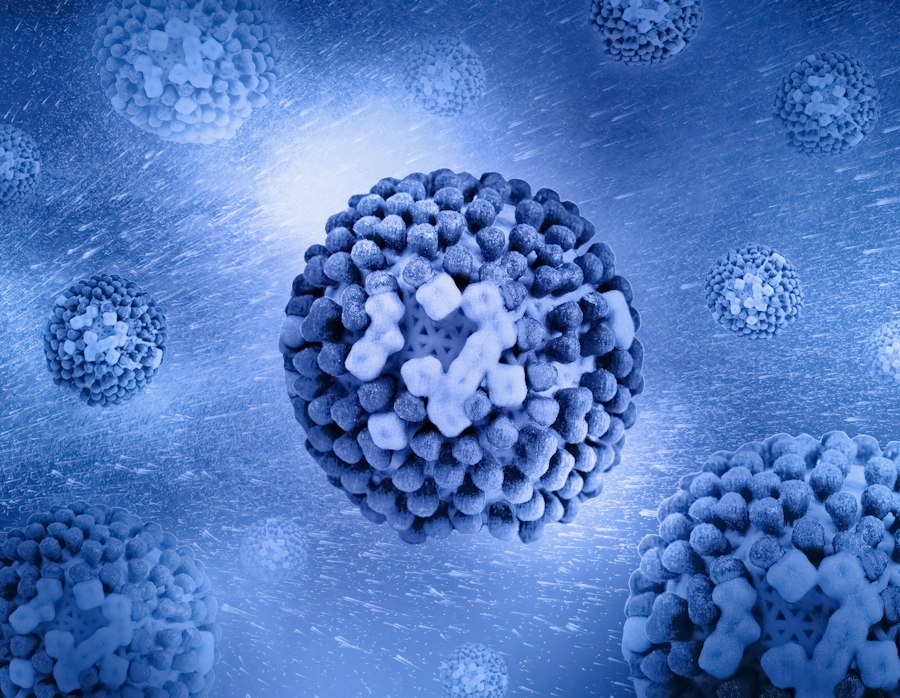
Phage therapy isn’t a new concept; its roots trace back to the early 20th century. However, with the rise of antibiotic resistance, there’s been a significant resurgence of interest in these fascinating biological agents. Bacteriophages, or phages, are viruses that specifically target and infect bacteria. They are ubiquitous in nature, found wherever bacteria exist – in soil, water, and even within our own bodies.
What are Bacteriophages?
Bacteriophages are incredibly diverse, but they share a common life cycle: they attach to a specific bacterium, inject their genetic material, hijack the bacterial machinery to replicate themselves, and then lyse (burst) the bacterial cell to release new phage particles. This lytic cycle is what makes them therapeutic. They are highly specific, typically infecting only a narrow range of bacterial strains or species, which is a key advantage over broad-spectrum antibiotics that can disrupt beneficial gut flora.
The Lytic vs. Lysogenic Cycle
It’s important to distinguish between lytic and lysogenic phages. Lytic phages, also known as virulent phages, are the ones used in therapy. They infect the bacterium, replicate, and then destroy the host cell. Lysogenic phages, or temperate phages, integrate their genetic material into the bacterial genome and can lie dormant, replicating along with the host chromosome without immediately killing it. While temperate phages can eventually enter a lytic cycle, the potential for them to carry and transfer undesirable genes (like antibiotic resistance genes) means that only strictly lytic phages are considered for therapeutic applications.
Advantages of Phage Therapy
Phage therapy offers several compelling advantages over traditional antibiotics. Their high specificity means they can target pathogenic bacteria while sparing beneficial microbiota, reducing side effects like Clostridioides difficile infection. Phages can replicate at the site of infection, increasing their numbers as long as their bacterial target is present, potentially reducing the need for repeated dosing. They can often penetrate biofilms, which are notoriously difficult for antibiotics to treat, by producing enzymes that degrade the biofilm matrix. Furthermore, phages can evolve alongside bacteria, meaning they might be able to overcome bacterial resistance mechanisms more effectively than static chemical compounds. Their low toxicity to human cells is another significant benefit.
The Therapeutic Application of Phages
Bringing phage therapy from the laboratory to the clinic involves careful selection, preparation, and administration. The nuanced approach required for individual patient cases highlights a key difference from standard antibiotic protocols.
Phage Selection and Characterization
The success of phage therapy hinges on identifying the right phage for the job. This involves a rigorous process:
- Isolation: Phages are isolated from diverse environmental sources like sewage, soil, or hospital waste, which are rich in bacteria and their corresponding phages.
- Targeting Specificity: Isolated phages are then tested against the patient’s specific bacterial isolate (the “superbug”) to confirm their lytic activity and narrow host range.
This “phage typing” ensures the phage will effectively kill the pathogen without harming beneficial bacteria.
- Genomic Sequencing: The genome of candidate phages is sequenced to ensure they are strictly lytic and do not carry genes for virulence factors, toxins, or antibiotic resistance. This step is crucial for patient safety.
- Stability and Purity: Phages must be stable under storage conditions and purified to remove bacterial debris, endotoxins, and other contaminants that could trigger an adverse immune response in the patient.
Phage Cocktails vs. Monotherapy
Often, instead of a single phage, a “phage cocktail” is used. This involves administering a combination of two or more different phages.
The rationale behind this strategy is multifactorial:
- Broader Coverage: It increases the likelihood of lysing the target bacteria, especially if the bacterial strain has developed resistance to one of the phages.
- Reduced Resistance Development: It makes it more difficult for bacteria to develop resistance to all phages simultaneously. If a bacterium mutates to resist one phage, the others in the cocktail can still be effective.
- Synergistic Effects: Sometimes, different phages can work synergistically, enhancing their overall lytic activity.
While monotherapy can be effective, particularly when a highly virulent and specific phage is identified, cocktails are often preferred for complex or persistent infections.
Routes of Administration
Phages can be administered in various ways, depending on the site and nature of the infection:
- Topical: For skin and soft tissue infections, burns, or wounds, phages can be applied directly as creams, gels, or sprays. This allows for high local concentrations without systemic exposure.
- Oral: For gastrointestinal infections or to decolonize the gut, phages can be taken orally.
However, they must survive the acidic stomach environment, so enteric-coated formulations are often used.
- Intravenous: For systemic infections like sepsis or deep-seated infections, intravenous administration is necessary. This requires highly purified phages to minimize the risk of adverse reactions.
- Intracavitary: For infections in specific body cavities, such as the pleural space (empyema) or bladder (UTIs), phages can be directly instilled.
- Nebulization: For respiratory tract infections, phages can be inhaled via nebulizer.
The choice of administration route significantly impacts the phage concentration at the infection site and the overall treatment efficacy.
Current Landscape and Clinical Progress
While deeply rooted in history, modern phage therapy is making significant strides, particularly in countries where regulatory pathways have historically been more accommodating, such as Georgia and Poland. However, Western countries, including the United States and those in the European Union, are increasingly exploring and adopting this innovative approach, albeit with more stringent regulatory oversight.
Regulatory Challenges and Advances
One of the biggest hurdles for widespread adoption of phage therapy in Western medicine has been the lack of established regulatory frameworks. Phages, being living biological agents that replicate and evolve, don’t fit neatly into the existing categories for small molecule drugs or biologics.
- United States: The FDA has generally treated phages on a case-by-case basis under “Expanded Access” (or “compassionate use”) protocols, primarily for critically ill patients with no other treatment options. This allows individual patients to receive experimental phage therapy when deemed appropriate by their physicians and approved by the FDA. Clinical trials are also underway, pushing towards more standardized approval processes.
- Europe: Some European countries, notably Belgium and France, have developed specific “magistral preparation” pathways, allowing hospital pharmacies to prepare phages for individual patients under strict quality control. The European Medicines Agency (EMA) is also actively engaged in discussions and guidance document development to facilitate phage therapy’s regulatory path.
- Eastern Europe: Countries like Georgia and Poland have long-standing traditions of phage therapy and more streamlined regulatory processes, making them pioneers in clinical application and research. The Eliava Institute in Tbilisi, Georgia, has been a global center for phage therapy for decades.
These differing regulatory approaches highlight the evolving nature of integrating phage therapy into mainstream healthcare. As of 2026, we’re seeing increased international collaboration and a push towards harmonized guidelines to accelerate clinical research and availability.
Promising Clinical Cases and Trials
The “superbug era” has brought numerous desperate situations where phage therapy has been a literal lifesaver.
- Case Studies: A landmark case involved a patient with a multi-drug resistant Acinetobacter baumannii infection following a pancreatic injury. Traditional antibiotics failed, but a carefully selected phage cocktail led to a dramatic recovery. Similar successes have been reported in patients with chronic Pseudomonas aeruginosa infections in cystic fibrosis, recalcitrant Staphylococcus aureus infections (including MRSA), and severe Klebsiella pneumoniae infections. These individual cases, though not formal clinical trials, provide compelling evidence of efficacy.
- Ongoing Clinical Trials: Numerous clinical trials are currently underway globally. These trials are investigating phage therapy for various indications, including:
- Urinary tract infections (UTIs) caused by resistant E. coli or Klebsiella.
- Chronic lung infections in cystic fibrosis patients caused by Pseudomonas aeruginosa.
- Diabetic foot ulcers infected with resistant Staphylococcus aureus.
- Periprosthetic joint infections, where biofilms are a major challenge.
- Bacteremia and sepsis caused by various MDR pathogens.
These trials are crucial for generating robust, evidence-based data on safety and efficacy, which is necessary for regulatory approval and widespread clinical adoption. The focus is not just on killing bacteria but also on demonstrating improved patient outcomes and reduced mortality.
In the ongoing battle against antibiotic-resistant bacterial infections, phage therapy has emerged as a promising alternative to traditional antibiotics. This innovative approach utilizes bacteriophages, viruses that specifically target and kill bacteria, offering a tailored solution to combat superbugs. For those interested in exploring related advancements in technology that can aid in various fields, including healthcare, you might find this article on the best free software for home remodeling quite enlightening. As we continue to seek effective methods to address the challenges posed by antibiotic resistance, the intersection of technology and medicine remains a crucial area of exploration.
Future Directions and Remaining Hurdles
| Metric | Value | Details |
|---|---|---|
| Global Antibiotic-Resistant Infections (Annual) | 700,000+ | Estimated deaths worldwide due to antibiotic-resistant infections |
| Phage Therapy Success Rate | 70-90% | Reported clinical success in treating resistant bacterial infections |
| Common Target Bacteria | MRSA, Pseudomonas aeruginosa, Klebsiella pneumoniae | Frequently targeted pathogens in phage therapy trials |
| Phage Therapy Treatment Duration | 7-14 days | Typical length of phage therapy courses in clinical settings |
| Antibiotic Resistance Increase Rate | ~5% per year | Annual global increase in antibiotic-resistant bacterial strains |
| Phage Therapy Regulatory Approvals | Limited (Compassionate Use & Trials) | Current status of phage therapy in regulatory frameworks worldwide |
| Phage Therapy Side Effects | Minimal to Mild | Commonly reported adverse effects include mild fever and inflammation |
| Phage Therapy Research Funding Growth | 15-20% annually | Increase in global funding dedicated to phage therapy research |
While the potential of phage therapy in the superbug era is immense, there are still significant scientific, practical, and economic challenges that need to be addressed for it to reach its full potential.
Overcoming Resistance to Phages
Just as bacteria can develop resistance to antibiotics, they can also evolve mechanisms to resist phages. This can occur through:
- Surface Receptor Alterations: Bacteria can mutate their surface receptors, preventing phages from attaching.
- CRISPR-Cas Systems: Bacteria possess adaptive immune systems, like CRISPR-Cas, which can “remember” and destroy invading phage DNA.
- Blocking DNA Injection: Some bacteria develop mechanisms to block the injection of phage genetic material.
To mitigate phage resistance, researchers are exploring several strategies:
- Phage Cocktails: As mentioned, using multiple phages simultaneously reduces the likelihood of broad resistance.
- Phage Engineering: Genetic engineering techniques are being developed to enhance phage efficacy, broaden their host range, or make them more resistant to bacterial defenses. However, this raises additional regulatory and safety concerns.
- Adaptive Phage Therapy: This involves a dynamic approach where the phage cocktail is periodically updated or changed based on the evolving resistance profile of the bacterial infection.
Continuous research into bacterial-phage interactions is vital to stay ahead in this evolutionary arms race.
Manufacturing and Scalability Challenges
Producing phages for therapeutic use on a large scale presents unique hurdles compared to chemical synthesis of antibiotics:
- Quality Control: Ensuring consistent purity, potency, and freedom from contaminants (e.g., bacterial endotoxins, nucleic acids from host bacteria) for every batch is complex and costly.
- Standardization: Developing standardized methods for phage isolation, characterization, and production is critical for regulatory approval and consistent clinical outcomes.
- Storage and Stability: Phages need to remain viable and potent during storage and transport. Formulating phages for long-term stability without losing activity is an active area of research.
- Specificity vs. Broad Spectrum: The high specificity of phages means that for common infections, a large library of phages covering many strains would be needed, or rapid diagnostics for phage typing. This makes “off-the-shelf” solutions more challenging than broad-spectrum antibiotics.
Addressing these manufacturing challenges is essential for making phage therapy widely accessible and affordable.
Economic Viability and Reimbursement
The economic model for phage therapy is still developing.
- Personalized Medicine Costs: The highly personalized nature of phage therapy, often involving rapid identification and purification of specific phages for individual patients, can be expensive. This “precision medicine” approach contrasts with the mass production of broad-spectrum antibiotics.
- Investment in Research and Development: Significant investment is needed for preclinical research, clinical trials, and developing robust manufacturing processes. Attracting pharmaceutical investment requires clear pathways to market and profitability.
- Reimbursement Models: Healthcare systems and insurance providers need to establish clear reimbursement models for phage therapy. Without established billing codes and recognized value, adoption will be slow. Demonstrating cost-effectiveness (e.g., shorter hospital stays, reduced re-admissions due to recurrent infections) will be key.
As we move deeper into the 2020s, a crucial focus will be on building sustainable economic models that support the innovation and delivery of phage therapy, ensuring it becomes a practical and accessible option in the fight against superbugs, rather than a last resort for only a fortunate few.
FAQs
What is phage therapy?
Phage therapy is a treatment that uses bacteriophages, which are viruses that specifically infect and kill bacteria, to combat bacterial infections. This approach is particularly useful in treating infections caused by antibiotic-resistant bacteria, often referred to as superbugs.
How does phage therapy work?
Phage therapy works by introducing bacteriophages into the body, where they seek out and attach to specific bacteria. Once attached, the phages inject their genetic material into the bacteria, leading to the bacteria’s destruction through lysis, or cell rupture. This targeted approach minimizes damage to beneficial bacteria in the microbiome.
What are the advantages of phage therapy over traditional antibiotics?
Phage therapy offers several advantages over traditional antibiotics, including its ability to specifically target antibiotic-resistant bacteria, reducing the risk of collateral damage to healthy bacteria. Additionally, phages can replicate at the site of infection, potentially leading to a more effective and sustained treatment. Phages can also be engineered to enhance their efficacy against specific bacterial strains.
Are there any risks associated with phage therapy?
While phage therapy is generally considered safe, there are potential risks, including allergic reactions to phages or the possibility of the bacteria developing resistance to the phages. Additionally, the regulatory framework for phage therapy is still evolving, which can affect the availability and standardization of treatments.
Is phage therapy widely available and approved for use?
As of October 2023, phage therapy is not widely available as a standard treatment in many countries. However, it is being explored in clinical trials and compassionate use cases, particularly for patients with antibiotic-resistant infections. Regulatory approval varies by region, and ongoing research aims to establish guidelines for its safe and effective use.
Enjoying our content? Make us a preferred source on Google:
Add us as a Preferred Source on Google