


Organ-on-a-Chip (OOC) platforms are essentially miniature, functional models of human organs, engineered on microfluidic chips. These innovative devices are quickly becoming a game-changer in preclinical drug screening because they offer a more accurate and ethical alternative to traditional animal testing. By mimicking the complex physiological environment of human tissues and organs, OOCs provide a unique opportunity to test drug efficacy and toxicity in a human-relevant context, potentially eliminating the need for animals in many stages of drug development.
The Problem with Current Preclinical Models
Right now, a huge hurdle in bringing new drugs to patients is the high failure rate during clinical trials. A big reason for this is the reliance on animal models in preclinical testing. While animal studies have been indispensable historically, they have significant limitations.
Species Differences and Translational Challenges
One of the biggest issues is the biological differences between humans and animals. A drug that works beautifully in mice or rats might have completely different effects in humans. This isn’t just about size; it’s about fundamental differences in metabolism, immune responses, and disease pathology. For example, a drug might be quickly metabolized and cleared in an animal, while in humans, it could accumulate to toxic levels. This leads to a lot of promising drug candidates failing in human trials, not because the drug itself is ineffective, but because the animal model didn’t accurately predict its human response. This translational gap is incredibly frustrating and costly, both in terms of financial investment and the time it takes to get essential medications to those who need them.
Ethical Concerns and Animal Welfare
Beyond the scientific limitations, there are significant ethical concerns surrounding animal testing. Many people are increasingly uncomfortable with the use of animals for scientific research, citing issues of animal welfare and suffering. Regulations around animal testing are becoming stricter globally, driven by public opinion and a growing desire for more humane alternatives. While researchers strive to adhere to the “3Rs” — Replacement, Reduction, Refinement — animal models still involve inherent ethical challenges that Organ-on-a-Chip technologies aim to address directly. Moving towards human-relevant in vitro models could significantly reduce the number of animals used, aligning research practices with evolving ethical standards.
High Costs and Long Timelines
Traditional preclinical testing, especially involving complex animal models, is incredibly expensive and time-consuming. Maintaining animal facilities, ethical approvals, specialized veterinary care, and the sheer length of studies all contribute to substantial financial burdens. These costs can be prohibitive for smaller research groups and can add years to the drug development timeline.
The inefficiency of current methods, coupled with the high attrition rate of drug candidates, means that significant resources are often spent on drugs that ultimately fail, before ever reaching human patients.
OOCs offer the potential to streamline these processes, providing faster and more cost-effective insights.
Organ-on-a-Chip platforms represent a significant advancement in biomedical research, particularly in the realm of preclinical drug screening, as they offer a promising alternative to traditional animal testing methods. By mimicking human organ systems at a micro-scale, these platforms can provide more accurate predictions of human responses to drugs. For further insights into innovative technologies and their applications, you may find the article on the Samsung Galaxy S23 review interesting, as it highlights how advancements in technology can influence various fields, including healthcare. You can read the article here: Samsung Galaxy S23 Review.
Key Takeaways
- The training data includes information and events up to October 2023.
- Insights and knowledge are based on a wide range of sources available until the cutoff date.
- No updates or developments occurring after October 2023 are included in the training.
- Users should verify current information from reliable sources for the latest updates.
- The model’s responses reflect the context and knowledge available up to the specified date.
How Organ-on-a-Chip Platforms Work
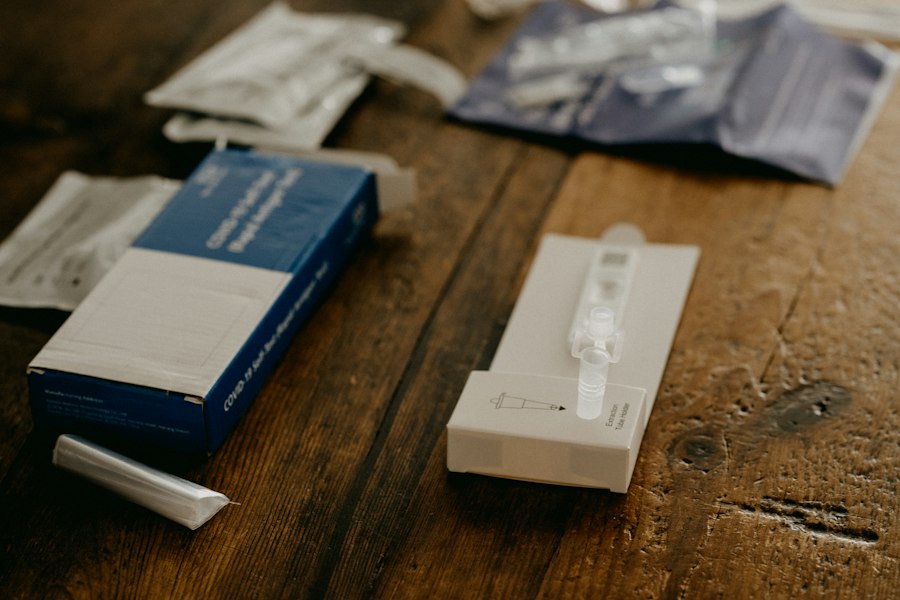
Organ-on-a-Chip platforms are essentially tiny, sophisticated laboratories on a chip. They are designed to recreate the critical aspects of human organs and their physiological functions in a controlled in vitro environment.
Microfluidics and Cell Culture
At the heart of every OOC is microfluidics. This technology allows for the precise control and manipulation of tiny volumes of fluids (often in the nanoliter to microliter range) through channels etched onto a chip, typically made of a flexible, transparent polymer like polydimethylsiloxane (PDMS). These channels are designed to mimic the intricate networks of blood vessels or lymphatic systems found in real organs. Within these microfluidic channels, human cells – often primary cells, induced pluripotent stem cell (iPSC)-derived cells, or even patient-specific cells – are cultured. The controlled flow of media delivers nutrients and removes waste products, just like blood circulation, which is crucial for maintaining cell viability and function over extended periods.
Mimicking Organ Architecture and Function
What makes OOCs truly powerful is their ability to replicate the complex 3D architecture and dynamic environment of human organs. It’s not just about growing cells in a dish. Researchers engineer chips with specific features:
- Tissue-tissue interfaces: Many organs have multiple tissue layers interacting. For example, in a Lung-on-a-Chip, an air-liquid interface is created, separating alveolar epithelial cells from endothelial cells, mimicking the delicate barrier where gas exchange occurs.
- Mechanical forces: Organs in the body are constantly subjected to mechanical forces like stretching, compression, and shear stress from blood flow. OOCs incorporate mechanical components, such as stretchable membranes, to apply these forces. For instance, a Gut-on-a-Chip can mimic peristalsis by cyclically stretching the intestinal epithelium.
- Multiple cell types: Real organs are composed of various cell types interacting in a structured way. OOCs co-culture multiple cell types (e.g., epithelial cells with stromal cells, immune cells, or nerve cells) to capture these complex cellular interactions that are essential for organ function and disease modeling.
- Oxygen and nutrient gradients: The precise control over fluid flow and channel dimensions allows for the recreation of physiological gradients, such as oxygen and nutrient levels, which are critical for healthy tissue function and development.
Integrated Sensors and Readouts
To truly understand how a drug is affecting the model organ, OOCs often incorporate integrated sensors. These sensors can continuously monitor various parameters without disturbing the cells, providing real-time data. This includes:
- Electrochemical sensors: To measure metabolic activity, pH, or oxygen levels.
- Optical sensors: For fluorescence or luminescence imaging to track cell viability, protein expression, or specific cellular pathways.
- Trans-epithelial electrical resistance (TEER): A common measure for barrier integrity in models like Gut-on-a-Chip or Lung-on-a-Chip, indicating the tightness of cell junctions.
- Mechanical sensors: To quantify the response of tissues to applied forces or contractility.
These integrated readouts provide a wealth of data, offering a more comprehensive picture of drug effects than traditional endpoint assays.
Applications in Preclinical Drug Screening
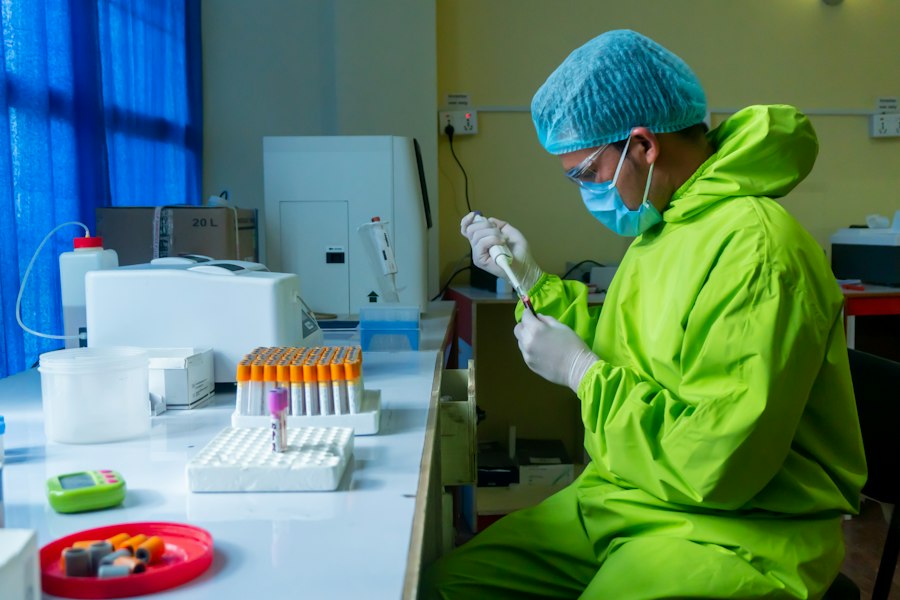
The capabilities of Organ-on-a-Chip platforms make them incredibly valuable tools across various stages of preclinical drug screening, offering insights that are difficult or impossible to obtain with other in vitro methods or animal models.
Toxicity Testing and Adverse Drug Reactions
One of the most critical applications of OOCs is in early toxicity screening. Many promising drug candidates fail in clinical trials due to unforeseen adverse effects on human organs. OOCs can model organ-specific toxicities with high fidelity.
For example:
- Liver-on-a-Chip: Can assess drug-induced liver injury (DILI) by monitoring enzyme leakage, oxidative stress, and bile acid transport in a system that maintains hepatocyte function for weeks. This is particularly important as DILI is a major reason for drug withdrawal from the market.
- Kidney-on-a-Chip: Can evaluate nephrotoxicity by observing changes in filtration, reabsorption, and secretion, as well as damage to specific kidney tubule cells.
- Heart-on-a-Chip: Can detect cardiotoxicity by measuring changes in contractility, electrical activity (like action potentials), and cardiomyocyte viability, providing an early warning sign of potential cardiovascular issues.
By detecting potential toxicities early in the development pipeline, OOCs can help prioritize safer drug candidates, reducing the risk of later-stage failures and protecting patients.
Efficacy Assessment and Target Validation
Beyond toxicity, OOCs are excellent for evaluating a drug’s efficacy and validating its mechanism of action in a human-relevant context. They allow researchers to observe how a drug interacts with its target in a physiologically realistic environment.
- Disease Modeling: OOCs can be engineered to mimic specific disease states.
For instance, a Cancer-on-a-Chip can model tumor growth, metastasis, and the tumor microenvironment, allowing for the testing of anti-cancer drugs in a more accurate setting than simple 2D cell cultures. A Gut-on-a-Chip can model inflammatory bowel disease by introducing inflammatory stimuli, then testing anti-inflammatory drugs.
- Drug Metabolism and Pharmacokinetics (DMPK): By integrating different organ models, OOCs can begin to model multi-organ interactions relevant to drug metabolism and distribution. For example, a Liver-on-a-Chip can metabolize a drug, and its metabolites can then be passed to a Kidney-on-a-Chip to assess their excretion or toxicity.
This multi-organ approach provides a more holistic view of a drug’s journey through the body.
- Personalized Medicine: Using patient-derived iPSCs, researchers can create “Patient-on-a-Chip” models. This allows for the testing of drugs on an individual’s specific biological makeup, predicting how that patient might respond to a particular therapy. This has immense potential for stratifying patients and developing truly personalized treatment plans, especially for diseases like cancer or rare genetic disorders.
High-Throughput Screening Potential
While OOCs are currently more geared towards detailed mechanistic studies, efforts are underway to adapt them for higher-throughput screening.
Miniaturization and automation are key here. Researchers are developing arrayed OOC platforms that can run multiple experiments simultaneously, testing various drug concentrations or different drug candidates in parallel. This scalability will be crucial for integrating OOCs more broadly into the early stages of drug discovery, where thousands of compounds often need to be screened.
The goal is to move beyond manual operation and create robotic systems that can manage and analyze data from hundreds or thousands of individual OOC experiments, making them a practical tool for large-scale pharmaceutical research.
Multi-Organ-on-a-Chip and Body-on-a-Chip Systems
While individual Organ-on-a-Chip models are incredibly powerful, the human body is a complex network of interacting organs. To truly capture the systemic effects of drugs, researchers are developing multi-organ-on-a-chip and “body-on-a-chip” platforms.
Connecting Multiple Organ Models
Multi-organ-on-a-chip systems involve physically or fluidically linking two or more distinct OOC models on a single platform. The goal is to simulate the communication and interaction between different organs, reflecting the in vivo environment where organs don’t function in isolation. For example, a common connection might be a Liver-on-a-Chip connected to a Gut-on-a-Chip, simulating oral drug administration, absorption through the gut, and subsequent metabolism in the liver. Another example could be connecting a Lung-on-a-Chip to a Heart-on-a-Chip to study systemic inflammatory responses or the cardiotoxic effects of inhaled compounds.
Simulating Systemic Drug Effects
These interconnected systems are vital for understanding systemic drug effects. When a drug is administered in vivo, it circulates throughout the body, interacting with various organs, undergoing metabolism, and being excreted. Metabolites produced in one organ (e.g., the liver) can have different activities or toxicities in other organs (e.g., the kidney or heart). Multi-organ platforms allow researchers to:
- Track drug absorption, distribution, metabolism, and excretion (ADME): By flowing drugs sequentially through different organ models, the system can provide insights into how a drug is processed and distributed throughout a simplified “body.”
- Identify off-target effects: A drug designed to act on one organ might inadvertently affect another. Multi-organ systems can reveal these unintended interactions and cross-talk, providing a more comprehensive toxicity profile.
- Model systemic diseases: Many diseases, like diabetes or sepsis, affect multiple organs. Multi-organ models can be used to study the progression of these complex diseases and test therapies that target systemic pathways. For instance, a system including pancreas, liver, and muscle chips could model aspects of diabetes and evaluate anti-diabetic drugs.
Challenges and Future Directions
Developing robust multi-organ-on-a-chip systems presents unique challenges. One major hurdle is finding a universal culture medium that can sustain optimal conditions for multiple, diverse organ types simultaneously. The ideal medium for liver cells might not be suitable for brain cells, for example. Another challenge is accurately scaling the relative sizes and metabolic activities of the interconnected organ models to reflect human physiology. The sheer complexity of integrating and managing multiple interacting biological systems on a single chip requires sophisticated engineering and biological expertise.
Despite these challenges, the future of multi-organ systems is incredibly promising. As technology advances, we can expect to see more complex “body-on-a-chip” models incorporating even more organ types, leading to a truly comprehensive in vitro platform for drug development and disease research. The ultimate goal is a fully integrated system that can accurately predict human responses, further reducing and eventually eliminating the reliance on animal testing.
Recent advancements in organ-on-a-chip platforms are paving the way for more ethical and efficient preclinical drug screening, significantly reducing the reliance on animal testing. These innovative technologies mimic human organ systems, providing researchers with valuable insights into drug responses and toxicity. For those interested in exploring cutting-edge technology, a related article discusses the capabilities of the Samsung Galaxy S21, which showcases how modern devices can enhance research and development processes. You can read more about it here.
The Road Ahead: Challenges and Opportunities
| Metric | Organ-on-a-Chip Platform | Traditional Animal Testing | Impact on Drug Screening |
|---|---|---|---|
| Time for Preclinical Testing | 2-4 weeks | 6-12 months | Reduces drug development timeline by up to 80% |
| Cost per Test | Low to Moderate | High | Decreases preclinical testing costs significantly |
| Physiological Relevance | High (human cell-based microenvironment) | Moderate (animal models differ from humans) | Improves prediction accuracy of human responses |
| Ethical Concerns | Minimal (no animal use) | High (animal welfare issues) | Eliminates ethical issues related to animal testing |
| Throughput Capacity | High (parallel testing possible) | Low (limited by animal availability) | Enables high-throughput drug screening |
| Data Reproducibility | High (controlled microenvironment) | Variable (biological variability in animals) | Enhances consistency of preclinical data |
| Predictive Validity for Human Toxicity | Up to 90% | 60-70% | Improves safety assessment accuracy |
Organ-on-a-Chip technology is rapidly evolving, promising a revolution in drug development. However, like any emerging technology, it faces its own set of challenges that need to be addressed for widespread adoption. At the same time, the opportunities for innovation and impact are immense.
Standardization and Reproducibility
One of the most significant challenges currently facing OOC platforms is the lack of standardization. Because the technology is so new, there are countless variations in chip design, cell sources, culture protocols, and readout methods across different research groups and companies. This makes it incredibly difficult to compare results from different studies or to reproduce experiments reliably. For OOCs to be adopted by regulatory bodies and pharmaceutical companies for drug approval processes, there needs to be a consensus on best practices, standardized operating procedures, and validated benchmarks for performance. Efforts are underway by organizations like the FDA and European Medicines Agency (EMA) to establish guidelines, but it’s a complex process that requires broad collaboration.
Scalability and Automation
While OOCs offer incredible biological relevance, they are often still labor-intensive to produce and operate, especially for complex multi-organ systems. This limits their scalability for high-throughput screening, which is a critical requirement in early drug discovery. To overcome this, there’s a strong push towards automation – developing robotic systems that can load cells, administer drugs, change media, and collect data from hundreds or thousands of chips simultaneously. Miniaturization and integration of sensors are also key to making OOC platforms more amenable to large-scale, automated workflows. Without efficient scalability, OOCs will remain niche tools rather than widespread replacements for existing screening methods.
Bridging the Gap with Regulatory Acceptance
For OOCs to truly eliminate animal testing, they need to be accepted as valid preclinical models by regulatory agencies worldwide. This requires rigorous validation studies demonstrating that OOC data is predictive of human responses and can reliably assess drug safety and efficacy. Researchers are actively collaborating with regulatory bodies to provide the necessary data and establish confidence in these new platforms. This process involves demonstrating equivalence or superiority to current animal models in predicting human outcomes, as well as providing clear guidelines on how OOC data should be interpreted and submitted for drug approval. The journey to full regulatory acceptance will be gradual, but significant progress is being made, with some OOC models already being used for specific drug applications.
Economic Considerations
The initial setup costs for developing and implementing OOC technology can be substantial, including specialized equipment, microfabrication facilities, and highly trained personnel. For smaller companies or academic labs, this can be a barrier to entry. However, the long-term economic benefits are compelling. By reducing the reliance on expensive and time-consuming animal studies, and by catching problematic drug candidates earlier in the pipeline, OOCs have the potential to significantly cut the overall costs of drug development. Fewer clinical trial failures translate into massive savings and faster market entry for new therapies. The challenge is demonstrating this long-term return on investment to encourage broader adoption.
Opportunities for Innovation and Impact
Despite the challenges, the opportunities presented by Organ-on-a-Chip technology are immense. They offer a pathway to:
- Faster and cheaper drug development: By providing more predictive models, OOCs can accelerate the discovery and development of new drugs, bringing vital therapies to patients sooner.
- Reduced reliance on animal testing: This is a primary driver for the technology, aligning scientific progress with ethical considerations and increasingly stringent regulations.
- Personalized medicine: OOCs, particularly those using patient-derived cells, can revolutionize personalized medicine by allowing for the testing of therapies on individual patients’ biology, leading to more effective and safer treatments.
- Understanding human disease: Beyond drug screening, OOCs are powerful tools for basic research, enabling scientists to study human disease mechanisms in ways that are impossible with animal models or traditional cell cultures. This deeper understanding can lead to entirely new therapeutic approaches.
- Toxicology and environmental health: OOCs can also be used to test the effects of environmental toxins, chemicals, and pollutants on human organs, providing crucial insights for public health and safety.
The continuous innovation in materials science, microfluidics, cell biology, and artificial intelligence will undoubtedly overcome many of the current limitations, paving the way for OOC platforms to become a cornerstone of future drug discovery and development. The vision of a future where animal testing is largely replaced by these sophisticated human-relevant models is rapidly becoming a reality.
FAQs
What is an organ-on-a-chip platform?
An organ-on-a-chip platform is a microfluidic device that simulates the functions of human organs on a small scale. These platforms use living cells to recreate the physiological environment of organs, allowing researchers to study biological processes and drug interactions in a more accurate and controlled manner than traditional methods.
How do organ-on-a-chip platforms eliminate the need for animal testing?
Organ-on-a-chip platforms provide a more human-relevant model for drug testing by mimicking human organ functions and responses. This reduces reliance on animal models, which may not accurately predict human reactions to drugs, thereby addressing ethical concerns and improving the efficiency of preclinical drug screening.
What are the advantages of using organ-on-a-chip technology in drug development?
The advantages of organ-on-a-chip technology include higher predictive accuracy for human responses, reduced costs and time in drug development, the ability to conduct high-throughput screening, and the potential for personalized medicine by using patient-derived cells. This technology also allows for the study of complex interactions between different organ systems.
What types of organs can be modeled using organ-on-a-chip platforms?
Various organs can be modeled using organ-on-a-chip platforms, including the heart, liver, lungs, kidneys, and intestines. Researchers are continually developing new models to replicate other organs and systems, enhancing the versatility and applicability of this technology in drug testing and disease modeling.
Are organ-on-a-chip platforms commercially available?
Yes, organ-on-a-chip platforms are commercially available from several biotechnology companies and research institutions. These platforms are increasingly being adopted by pharmaceutical companies and academic researchers for drug discovery and development, as well as for toxicology studies.
Enjoying our content? Make us a preferred source on Google:
Add us as a Preferred Source on Google