

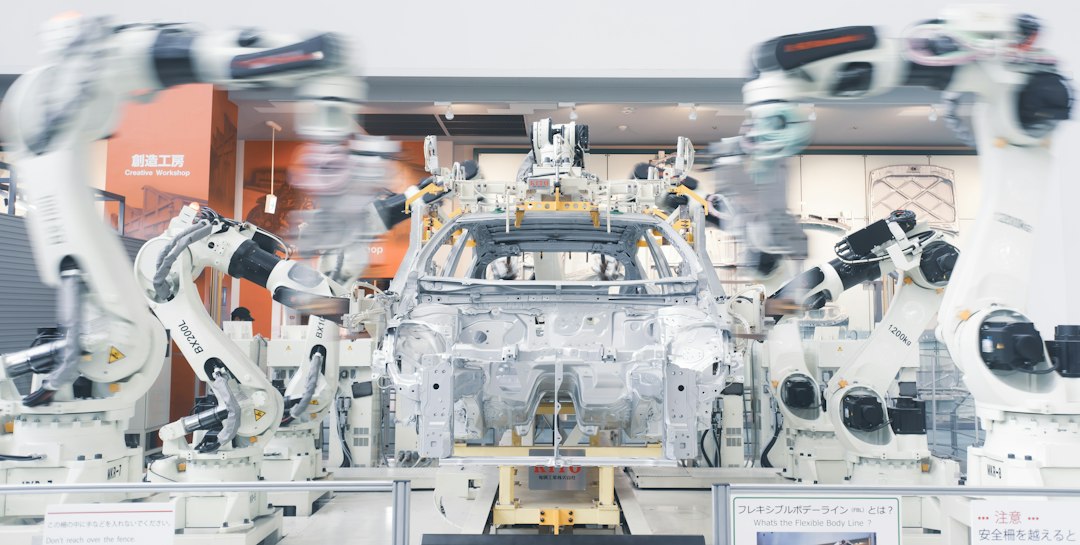
Integrating collaborative robots (cobots) into precision electronics assembly lines is absolutely a practical and increasingly common approach to boost efficiency and accuracy. They’re designed to work safely alongside human operators, handling repetitive or delicate tasks that demand high precision, which is a perfect fit for tiny electronic components. Think about assembling circuit boards, soldering miniature parts, or carefully placing sensors – these are all areas where cobots are making a real difference. They bring a lot to the table, from improving product quality to making production more flexible and even helping with traceability.
Why Cobots for Precision Electronics?
Precision electronics assembly is a demanding field. We’re talking about components that are often minuscule, requiring incredibly steady hands, consistent force, and pinpoint accuracy. Human operators are fantastic, but fatigue, variability in movement, and the sheer repetitiveness of some tasks can introduce errors. This is where cobots shine. They offer a unique blend of capabilities that address these challenges head-on, making them a compelling choice for this industry.
Addressing the Need for Micron-Level Accuracy
Many electronic components, like surface-mount devices (SMDs) or micro-electromechanical systems (MEMS), require placement accuracy in the micron range. Traditional industrial robots are precise, but their size and safety requirements often make them difficult to integrate directly into existing manual lines without extensive re-layout and safety caging. Cobots, on the other hand, are designed for human-robot interaction and can achieve impressive repeatability – often down to ±0.02 mm or even finer with specialized end-effectors and vision systems. This level of consistency is crucial for ensuring proper electrical connections and mechanical fit, minimizing defects, and improving overall product reliability.
Enhancing Throughput and Consistency
Repetitive tasks, even when performed by skilled operators, can lead to variability over time. A cobot performs the same motion, with the same force, at the same speed, every single time. This consistency translates directly into higher quality output and a more predictable production rate. For instance, in a task like applying a precise amount of adhesive or soldering a specific joint, a cobot will deliver uniform results throughout an entire shift, eliminating the subtle variations that can arise from human fatigue or slight changes in technique. This unwavering consistency is vital for high-volume production of sensitive electronics.
Mitigating Labor Challenges and Ergonomics
Finding and retaining skilled labor for highly repetitive and meticulous assembly tasks is becoming increasingly difficult. Cobots can take on these “dull, dirty, and dangerous” tasks, freeing up human operators for more complex, cognitive, and value-added work like quality control, troubleshooting, or programming. Beyond labor availability, many precision assembly tasks involve repetitive strain, awkward postures, or exposure to microscopic particles. By offloading these tasks to cobots, companies can significantly improve the ergonomic conditions for their human workforce, reducing the risk of injuries and creating a more comfortable and sustainable work environment.
Boosting Flexibility and Scalability
The electronics industry is characterized by rapid product cycles and increasing demand for product customization. Traditional automation can be rigid and expensive to reconfigure for new product variants.
Cobots, with their easier programming interfaces and smaller footprints, offer a much greater degree of flexibility.
They can be quickly re-tasked for different assembly operations, adjusted for new product dimensions, or even moved between workstations as production needs evolve. This agility is invaluable for manufacturers who need to adapt quickly to market changes and scale production up or down without massive investment in new fixed automation.
In the realm of advanced manufacturing, the integration of collaborative robots in precision electronics assembly lines is revolutionizing production efficiency and accuracy. For those interested in exploring the broader implications of technology in various industries, a related article discussing the best software for social media management in 2023 can provide insights into how automation and software solutions are shaping business operations. You can read more about it here: The Best Software for Social Media Management in 2023.
Key Takeaways
- The training data includes information and events up to October 2023.
- Insights and knowledge are based on a wide range of sources available until the cutoff date.
- No updates or developments occurring after October 2023 are included in the training.
- Users should verify current information from reliable sources for the latest updates.
- The model’s responses reflect the context and knowledge available up to the specified date.
Key Considerations for Deployment
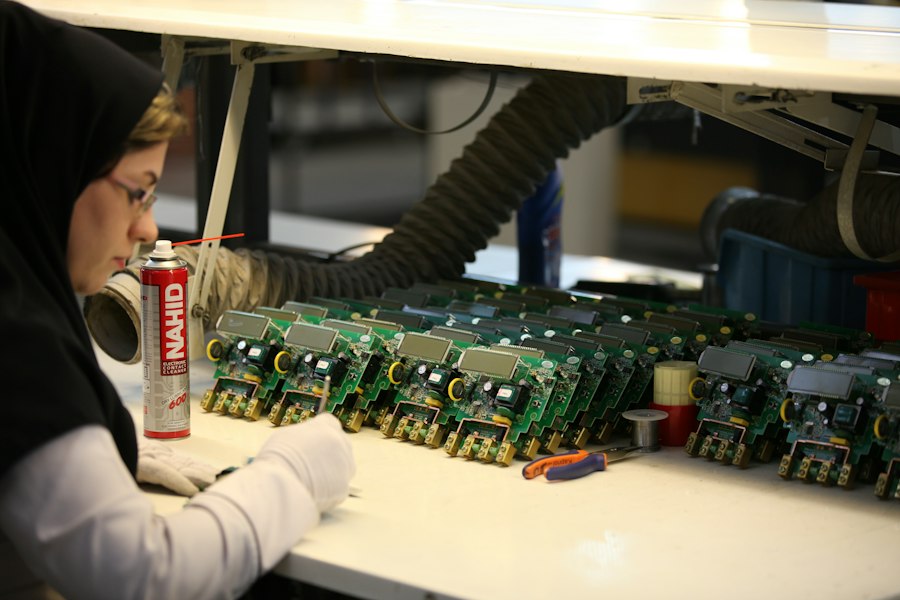
Bringing cobots into an existing (or new) precision electronics assembly line isn’t just about plugging them in. There’s a careful thought process involved to ensure a smooth, safe, and effective integration. It requires a holistic view, encompassing everything from task analysis to the physical environment and the human element.
Thorough Task Analysis and Selection
Not every task is suitable for cobot automation, especially in precision electronics. The first step is to meticulously analyze the assembly process to identify tasks that are:
- Repetitive and high-volume: These tasks benefit most from a cobot’s consistency.
- Requiring high precision: Where human variability can lead to defects.
- Ergonomically challenging: Tasks that cause strain or discomfort for human operators.
- Involving sensitive materials: Where consistent handling force is critical.
- Well-defined: Tasks with clear start and end points and minimal ambiguity.
Conversely, tasks that require complex decision-making, highly dexterous manipulation of variable objects, or significant human judgment are usually better left to human operators. A good approach is to identify hybrid tasks where the cobot handles the precise, repetitive parts, and the human operator performs the more cognitive or variable steps. For instance, a cobot might pick and place tiny components onto a PCB, while a human inspects the placement and performs final functional testing.
Choosing the Right Cobot and End-Effector
The market for cobots is growing, with various models offering different payloads, reaches, and repeatability specifications. For precision electronics, payload is often less critical than reach and, most importantly, repeatability. A cobot with a high degree of positional accuracy and repeatability is essential.
Equally important is the end-effector – the “hand” of the cobot. This is where the true precision often lies. For electronics assembly, specialized end-effectors are common:
- Vacuum grippers: Ideal for flat, delicate components like chips or small PCBs.
- Micro-force grippers: For extremely fragile parts, offering precise control over gripping force to prevent damage.
- Tweezers or parallel jaw grippers: For irregularly shaped or thicker components.
- Specialized tools: Such as automated screwdrivers with torque control, soldering irons, dispensing nozzles for adhesives, or optical inspection cameras.
The selection of the end-effector should be driven by the specific properties of the components being handled and the nature of the assembly operation. Often, custom-designed end-effectors are necessary to achieve the desired level of precision and gentle handling.
Safety Integration and Risk Assessment
While cobots are designed for safe human-robot interaction, a comprehensive risk assessment is mandatory before deployment. This involves evaluating potential hazards, not just from the cobot’s movements, but also from the tooling, the workpiece, and the environment.
Key safety considerations include:
- Force and Power Limiting: Cobots are typically equipped with sensors that detect contact and immediately stop or reduce force. This is a primary safety feature.
- Speed Monitoring and Separation: If a human enters the cobot’s work zone, its speed can be automatically reduced, or it can pause its operation entirely.
- Hand Guiding: Many cobots can be “taught” by physically guiding their arm, which simplifies programming but also requires careful safety protocols.
- Emergency Stop (E-Stop): Easily accessible E-Stop buttons are crucial.
- Work Cell Design: Clear demarcation of the cobot’s operating area, even if not fully caged, helps prevent accidental entry into hazardous zones during operation.
- Vision Systems: Can be used to monitor the presence of humans and halt operations if proximity becomes a concern.
Compliance with relevant safety standards (e.g., ISO/TS 15066 and ISO 10218-1) is not just a recommendation but a legal requirement in many regions.
Integration with Existing Systems
Cobots won’t operate in a vacuum. They need to seamlessly integrate with other systems on the assembly line. This includes:
- Manufacturing Execution Systems (MES): To receive work orders, report progress, and track component usage.
- Programmable Logic Controllers (PLCs): For coordinating with conveyors, feeders, and other machinery.
- Vision Systems: For precise component location, orientation correction, and quality inspection.
- Automated Material Handling (AMH): Such as automated guided vehicles (AGVs) or autonomous mobile robots (AMRs) for component delivery and finished product removal.
Standard communication protocols (e.g., EtherNet/IP, PROFINET, Modbus) are vital for this interoperability, allowing the cobot to act as a coordinated member of the overall production ecosystem.
Programming and Vision Systems
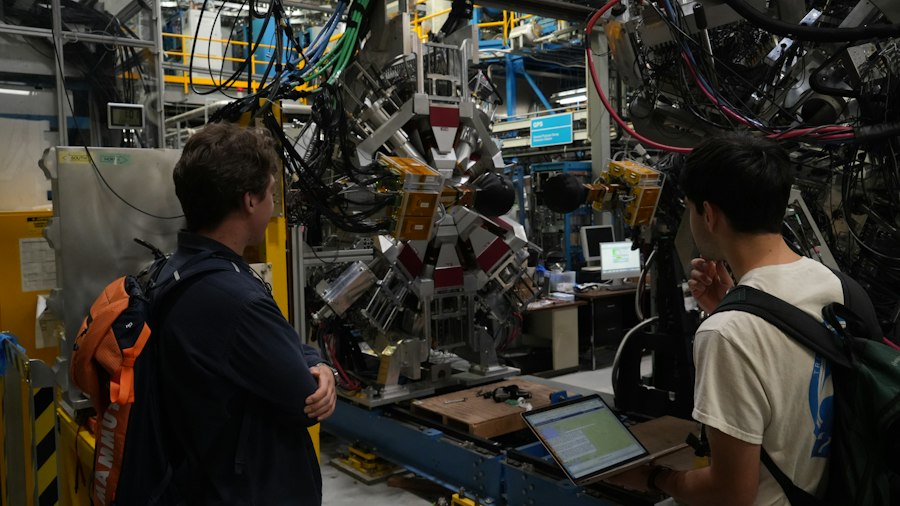
Getting a cobot to perform precision tasks in electronics assembly relies heavily on effective programming and, often, sophisticated vision systems. These two elements work in tandem to give the cobot the “eyes” and “brains” it needs to execute delicate operations flawlessly.
Intuitive Programming Methodologies
One of the major advantages of cobots over traditional industrial robots is their simplified programming. This dramatically reduces the barrier to entry and allows production engineers or even skilled operators to manage and adjust the cobot’s tasks.
Common programming methods include:
- Lead-Through Programming (Hand Guiding): The operator physically moves the cobot arm to the desired positions, and the robot records the path. This is incredibly intuitive for teaching simple point-to-point movements. For precision tasks, fine adjustments are then made via the teach pendant.
- Graphical User Interface (GUI) Programming: Most cobots come with a tablet-like teach pendant featuring a visual interface where users can drag-and-drop commands, set waypoints, and define logic flows.
This is akin to flowchart programming and is highly accessible.
- Scripting Languages: For more complex tasks, some cobots support scripting languages (e.g., Python-like languages) that allow for advanced logic, calculations, and integration with external systems. This offers more power and flexibility for intricate assembly sequences.
The goal is to empower factory personnel to quickly adapt the cobot to new products or process changes without requiring specialized robotics programming expertise.
The Critical Role of Vision Systems
For true precision in electronics assembly, a cobot almost always needs a vision system. Human operators use their eyes to locate, orient, and inspect components; a vision system provides the same capability to the cobot.
- Component Location and Orientation: Tiny SMDs, for example, might be supplied in trays or tape-and-reel feeders.
A 2D or 3D vision system can accurately identify the exact position and orientation of each component, even if it’s slightly misaligned, allowing the cobot to adjust its pick-up point dynamically. This is known as “pick and place with vision.”
- Quality Inspection: After placement, a vision system can inspect for proper component alignment, solder paste deposition, or even detect missing components or polarity errors. This provides real-time quality control, catching defects early in the process.
- Guidance for Precision Tasks: For tasks like soldering or dispensing, vision can guide the end-effector to the exact target point, compensating for minor variations in the workpiece’s position.
This ensures accurate and consistent application.
- Bin Picking (Advanced): For less structured component presentation, 3D vision systems can enable a cobot to pick randomly oriented components from a bin, though this is often more challenging for ultra-small, highly reflective electronic parts.
The integration of vision systems involves calibrating the camera to the cobot’s coordinate system and programming the vision software to recognize and interpret relevant features on the components. This combination of “eyes” and intelligent movement is what truly unlocks high-precision automation with cobots.
Maintenance and Long-Term Operation
Deploying cobots is just the beginning. Ensuring their reliable and efficient operation over the long term requires a proactive approach to maintenance, ongoing monitoring, and continuous improvement.
Routine Maintenance and Calibration
Cobots, like any sophisticated machinery, require routine maintenance to ensure optimal performance and extend their lifespan. This typically involves:
- Visual Inspections: Regularly checking for signs of wear and tear, loose cables, damaged end-effectors, or unusual noises.
- Lubrication: Applying grease to joints and gears according to the manufacturer’s schedule to ensure smooth movement and prevent premature wear.
- Cleaning: Keeping the cobot and its workspace free from dust, debris, and contaminants, which are particularly critical in a cleanroom environment often found in electronics manufacturing.
- Software Updates: Applying firmware and software updates to benefit from performance enhancements, bug fixes, and new features.
Calibration is also crucial, especially in precision applications. Over time, minor positional deviations can occur. Periodically re-calibrating the cobot’s joint positions and its relationship with vision systems or work fixtures ensures that its high accuracy is maintained. This might involve using specific calibration tools or performing a quick teaching routine.
Performance Monitoring and Analytics
To get the most out of cobots, it’s important to monitor their performance actively. This isn’t just about knowing if they’re running, but how well.
- Cycle Time Tracking: Monitoring the time it takes for a cobot to complete its task. Deviations can indicate problems or opportunities for optimization.
- Error Logging: Recording instances where the cobot encounters an error (e.g., failed pick, vision system error). Analyzing these logs helps identify recurring issues and root causes.
- Throughput Metrics: Tracking the number of components processed or assemblies completed per shift.
- Predictive Maintenance: Some cobots offer diagnostic capabilities that can alert operators to potential issues before they lead to breakdowns, allowing for scheduled maintenance rather than reactive repairs.
This data provides valuable insights for process optimization, identifying bottlenecks, and ensuring that the cobot is meeting its intended production goals. It also helps justify the initial investment by demonstrating tangible returns.
Operator Training and Skill Development
The human element remains critical even with cobots. Operators need proper training to work safely and effectively alongside the robots. This includes:
- Basic Cobot Operation: How to start, stop, and safely interact with the cobot.
- Error Handling: What to do when a cobot stops or signals an error, including basic troubleshooting steps.
- Reprogramming and Adjustment: For production engineers or line leaders, training on how to adjust programs, teach new waypoints, and swap end-effectors for different products.
- Preventative Maintenance: Basic tasks like cleaning and visual inspections.
- Safety Protocols: Reinforcing safe working practices around collaborative robots.
Investing in continuous training ensures that the workforce is not just comfortable with the new technology but also capable of leveraging its full potential. It shifts the operator’s role from purely manual assembly to supervising, troubleshooting, and optimizing the automated processes.
In the rapidly evolving field of precision electronics assembly, the integration of collaborative robots is becoming increasingly vital for enhancing efficiency and accuracy. A related article discusses the importance of selecting the right tools for optimizing workflows, which can be particularly beneficial for manufacturers looking to streamline their processes. For those interested in improving their operational capabilities, this resource on voice recording software can provide insights into how technology can support various aspects of production, including communication and documentation.
Benefits Beyond the Production Line
| Metric | Value | Unit | Description |
|---|---|---|---|
| Assembly Accuracy | 99.8 | % | Precision level achieved by collaborative robots in component placement |
| Cycle Time Reduction | 30 | % | Decrease in time per assembly cycle compared to manual assembly |
| Uptime | 95 | % | Operational availability of collaborative robots during shifts |
| Defect Rate | 0.2 | % | Percentage of defective units produced post-robot deployment |
| Human-Robot Collaboration Efficiency | 85 | % | Effectiveness of joint tasks performed by humans and robots |
| Training Time for Operators | 12 | hours | Average time required to train staff to work alongside robots |
| Energy Consumption | 15 | kWh/day | Average daily energy usage of collaborative robots on the line |
| Return on Investment (ROI) Period | 18 | months | Time taken to recover investment costs through efficiency gains |
While the immediate impact of cobots is felt on the assembly line, their deployment in precision electronics ripples outwards, bringing significant advantages that extend to product quality, supply chain, and even business strategy.
Enhanced Product Quality and Reliability
This is perhaps one of the most compelling benefits. By consistently performing tasks with micron-level precision, cobots drastically reduce human-induced errors.
- Reduced Defects: Fewer misaligned components, consistently applied solder paste, accurate adhesive dispensing – all lead to a lower defect rate in the final product.
- Improved Yields: With fewer rejects, manufacturing yields increase, directly impacting profitability.
- Greater Product Life: Accurately assembled components are less prone to premature failure, leading to more reliable and longer-lasting electronic devices. This is particularly important for critical components where failure can have significant consequences.
- Better Traceability: When integrated with MES, cobots can log every action, linking specific assembly steps to individual products or batches. This provides a detailed audit trail, invaluable for quality control and root cause analysis in case of a product recall.
The net result is a higher-quality product that builds brand reputation and reduces warranty claims, ultimately benefiting the end-user.
Data-Driven Process Optimization
Cobots generate a wealth of operational data. When captured and analyzed, this data becomes a powerful tool for continuous improvement.
- Identifying Bottlenecks: Analysis of cycle times can pinpoint exactly where delays are occurring in the assembly process.
- Optimizing Robot Paths: Data on robot movements can be used to refine paths for greater efficiency and speed without compromising safety or precision.
- Predictive Analytics: Over time, patterns in performance or error rates can be used to predict maintenance needs or potential quality issues before they become critical.
- Process Validation: Data provides objective proof of consistent process execution, which is crucial for compliance in regulated industries.
This shift to data-driven decision-making helps manufacturers move beyond anecdotal evidence to make informed choices that truly optimize their production processes.
Increased Adaptability and Competitive Edge
The electronics market is notoriously fast-paced. Cobots contribute to a more agile manufacturing operation.
- Faster Product Introductions: With easier re-programming and flexible setup, new product lines or variants can be brought to market more quickly.
- Batch Size Flexibility: Cobots allow for economical production of smaller batches, catering to niche markets or custom orders without the high overheads of traditional fixed automation. This supports mass customization strategies.
- Domestic Manufacturing: By improving efficiency and reducing labor-related costs, cobots can make it more feasible to bring electronics manufacturing closer to key markets, reducing supply chain risks and lead times.
- Enhanced Competitiveness: Companies that leverage cobots effectively can achieve higher quality, lower costs, and greater flexibility, providing a significant competitive advantage in a global market.
Ultimately, deploying collaborative robots in precision electronics assembly isn’t just about automation; it’s about building a smarter, more resilient, and more competitive manufacturing future.
FAQs
What are collaborative robots (cobots) and how are they used in electronics assembly?
Collaborative robots, or cobots, are designed to work alongside human operators in a shared workspace. In electronics assembly lines, they are utilized for tasks such as component placement, soldering, and quality inspection. Cobots enhance productivity by performing repetitive tasks with precision while allowing human workers to focus on more complex activities.
What are the benefits of deploying cobots in precision electronics assembly?
The benefits of deploying cobots in precision electronics assembly include increased efficiency, improved accuracy, and reduced labor costs. Cobots can operate continuously without fatigue, leading to higher throughput. Additionally, their precision minimizes defects, which is crucial in the electronics industry where even minor errors can lead to significant issues.
How do cobots ensure safety in the assembly line?
Cobots are equipped with advanced safety features such as force limiters, sensors, and vision systems that allow them to detect human presence and avoid collisions. These features enable cobots to operate safely alongside human workers without the need for safety cages, fostering a collaborative environment.
What types of tasks are best suited for cobots in electronics assembly?
Tasks that are repetitive, require high precision, or involve handling small components are best suited for cobots in electronics assembly. Examples include pick-and-place operations, screw driving, and inspection tasks. Cobots excel in these areas due to their ability to maintain consistent performance over long periods.
What considerations should companies keep in mind when integrating cobots into their assembly lines?
When integrating cobots into assembly lines, companies should consider factors such as the specific tasks to be automated, the layout of the workspace, and the training needs of employees. It’s also important to evaluate the compatibility of cobots with existing equipment and to ensure that safety protocols are in place to protect human workers.
Enjoying our content? Make us a preferred source on Google:
Add us as a Preferred Source on Google