

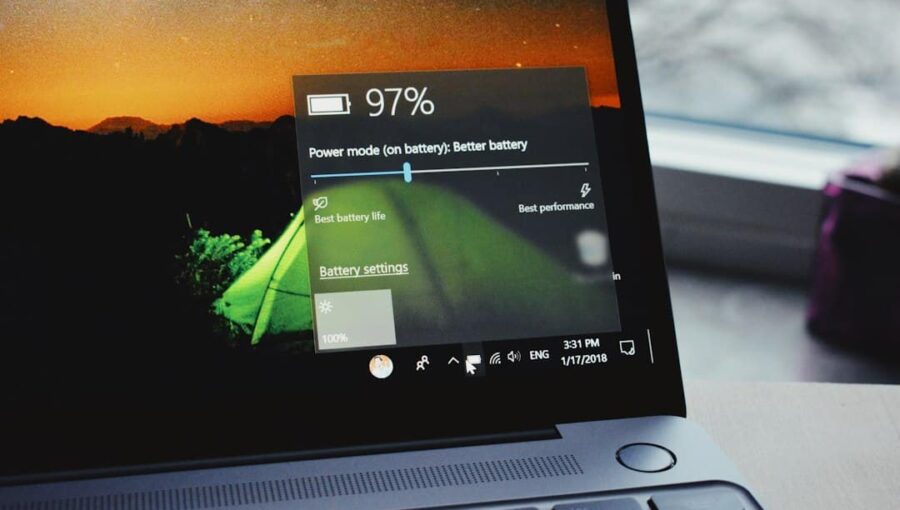
So, you’re using your laptop all day, every day, pushing it hard, and finding your battery drains faster than you can say “low power mode.” The short answer to optimizing battery life for intensive daily computing is a combination of smart software settings, mindful hardware management, and understanding your workflow. It’s not about magic, but about being strategic.
Before we dive into solutions, let’s get a handle on what’s actually draining your battery so quickly. It’s rarely one single culprit, but often a combination of factors. Think of your battery as a tank of gas; some applications are like driving with the pedal to the metal, while others are gentle cruises.
CPU and GPU Intensive Tasks
If you’re editing video, rendering 3D models, compiling large codebases, or gaming, your CPU (Central Processing Unit) and GPU (Graphics Processing Unit) are working overtime. These components are major power hogs. The more intense the task, the more power they demand to process information and generate visuals. Even seemingly simple tasks can be CPU-intensive if they’re poorly optimized or involve complex calculations in the background.
Screen Brightness and Refresh Rate
Your laptop screen is a surprisingly big power drain. The brighter it is, the more power it consumes. If you have a high refresh rate display (like 120Hz or 144Hz), it’s drawing significantly more power than a standard 60Hz screen, even when you’re just looking at a static image. While great for smooth visuals, it’s a battery killer when not needed.
Wi-Fi and Bluetooth Usage
Constant wireless communication, whether it’s Wi-Fi searching for networks or Bluetooth maintaining connections with peripherals, uses power. If you’re in an area with poor Wi-Fi signal, your laptop works even harder to maintain that connection, leading to increased battery drain. Similarly, having multiple Bluetooth devices connected and actively transmitting data can add up.
Background Processes and Syncing
It’s easy to forget about applications running in the background. Cloud syncing services (OneDrive, Dropbox, Google Drive), email clients constantly checking for new messages, antivirus scans, and even browser tabs left open can all contribute to background power consumption. These might not be as dramatic as a video render, but their cumulative effect over a day can be substantial.
Peripherals and External Devices
Any USB device you plug in – an external hard drive, a gaming mouse, a USB hub – draws power from your laptop. While individually they might not be huge drains, collectively they can make a difference, especially if they’re actively transferring data or have their own internal power requirements.
For those looking to enhance their laptop experience, optimizing battery life is crucial, especially for intensive daily computing tasks. A related article that may interest you is about discovering the best free software for voice recording, which can be particularly useful for students and professionals alike. You can read more about it here: Discover the Best Free Software for Voice Recording. This resource not only highlights effective tools but also emphasizes the importance of managing your laptop’s performance to ensure longevity during demanding usage.
Key Takeaways
- The training data includes information and events up to October 2023.
- Insights and knowledge are based on a wide range of sources available until the cutoff date.
- No updates or developments occurring after October 2023 are included in the training.
- Users should verify current information from reliable sources for the latest updates.
- The model’s responses reflect the context and knowledge available up to the specified date.
Software Optimization Strategies
Now that we know the enemies, let’s talk about how to tackle them using smart software choices and settings. These are often the easiest and most impactful changes you can make.
Power Plans and Performance Modes
Most operating systems offer various power plans or performance modes. Windows has “Balanced,” “Power Saver,” and “High Performance,” while macOS has “Low Power Mode.”
Windows Power Plans
- Balanced: This is the default and a good middle-ground, adjusting power based on your activity.
- Power Saver: Significantly reduces CPU speed and other power-hungry features to extend battery life. Ideal when you’re just browsing or doing light document work.
- High Performance: Prioritizes speed and responsiveness, often keeping the CPU at higher clock speeds, even for light tasks. Avoid this on battery unless absolutely necessary.
You can often customize these plans further in the “Edit Plan Settings” section, adjusting things like when the display turns off or when the computer goes to sleep.
macOS Low Power Mode
This mode reduces system energy usage to extend battery life. It automatically lowers screen brightness slightly, optimizes background app refresh, and can subtly reduce CPU and GPU performance when not strictly needed. It’s a quick toggle in System Settings and surprisingly effective for most general tasks.
Managing Background Applications
This is where you can reclaim a lot of lost battery life. Many apps think they need to be constantly running or checking for updates.
Closing Unused Applications and Browser Tabs
Sounds obvious, but it’s often overlooked. If you’re not actively using an app, close it. Browser tabs, especially those with auto-refreshing content or video, can consume significant resources even when minimized. Get into the habit of closing tabs you’re done with.
Disabling Startup Programs
Many applications automatically launch when your computer starts up. While some are necessary, many are not. In Windows, you can manage these in Task Manager (Ctrl+Shift+Esc > Startup tab). On macOS, go to System Settings > General > Login Items. Disable anything you don’t need immediately after booting up.
Adjusting Sync Frequencies
Cloud storage services (OneDrive, Dropbox, Google Drive) and email clients can be set to sync constantly. If you don’t need real-time updates, consider changing their sync frequency to hourly or even manually. This reduces constant network activity and CPU usage.
Optimizing Browser Usage
Your web browser is likely one of your most used applications, and it can be a major power drain.
Limiting Extensions
Browser extensions, while useful, consume RAM and CPU cycles. Go through your installed extensions and disable or remove any you don’t regularly use. Look for extensions that are known to be resource-heavy.
Using Efficient Browsers
Some browsers are more power-efficient than others. While browser performance can vary wildly depending on your system and workflow, generally, browsers like Edge (on Windows) and Safari (on macOS) are often optimized for their respective platforms’ power management. Chrome, while popular, can be a known resource hog. Experiment to see what works best for you.
Blocking Auto-Playing Media
Many websites feature auto-playing videos or animations. These constantly demand resources. Use browser settings or extensions to block auto-playing media, saving both CPU and network usage.
Hardware Management Practices

Software optimization is great, but your hardware itself plays a massive role. Understanding how to manage your physical components can significantly extend your unplugged time.
Screen Brightness and Refresh Rate
As mentioned, your screen is a major power sink.
Reducing Brightness
This is arguably the simplest and most effective change. Dim your screen to the lowest comfortable level.
Most laptops have dedicated function keys for brightness adjustment.
Lowering Refresh Rate
If your laptop has a high refresh rate display (e.g., 120Hz, 144Hz), consider lowering it to 60Hz when on battery. The difference in smoothness might be noticeable, but the battery savings can be substantial, especially if you’re not gaming or doing graphics-intensive work. This setting is usually found in your display settings (e.g., Windows Display Settings > Advanced Display Settings; macOS System Settings > Displays).
Disconnecting Unused Peripherals
Every connected device draws power.
Unplug USB Devices
If you’re not actively using an external hard drive, a USB mouse, or other peripherals, unplug them. They still draw power, even if just to maintain their connection.
Disabling Bluetooth
If you’re not using any Bluetooth devices (headphones, mouse, keyboard), turn off Bluetooth.
Your laptop won’t be constantly scanning for devices, saving a bit of juice.
Wi-Fi and Network Management
Your wireless connection also has power implications.
Turning Off Wi-Fi
If you’re working offline or in a location without Wi-Fi, turn off your Wi-Fi radio. Your laptop won’t be constantly searching for networks. This is especially useful if you’re writing or working on documents that don’t require internet access.
Addressing Weak Signals
A weak Wi-Fi signal forces your laptop’s Wi-Fi adapter to work harder to maintain a connection, consuming more power.
If possible, move closer to your router or access point. If that’s not an option, consider downloading content when you have a strong signal and working offline.
System Maintenance and Health

A well-maintained system is an efficient system. Keeping your laptop healthy can indirectly contribute to better battery life because it prevents unnecessary resource usage.
Keeping Your OS and Drivers Updated
Regularly update your operating system and device drivers. Updates often include power management improvements, bug fixes that reduce resource consumption, and optimizations for new hardware. Outdated drivers, especially for graphics and network adapters, can sometimes be inefficient.
Managing Storage Space
While not a direct battery drain, a nearly full hard drive can slow down your system, forcing it to work harder for tasks that involve reading and writing data, such as virtual memory swapping. Keep your storage reasonably clear to ensure smooth operation. Regularly delete unnecessary files and uninstall old programs.
Monitoring Battery Health
Most operating systems provide some way to check your battery’s health.
Windows Battery Report
You can generate a detailed battery report in Windows using the Command Prompt. Type powercfg /batteryreport and press Enter. It will tell you the file path where the report is saved. This report shows your battery’s original design capacity versus its current full charge capacity, giving you an idea of its degradation.
macOS Battery Health Information
On macOS, you can find battery health information in System Settings > Battery. It will tell you your battery’s maximum capacity relative to when it was new and its current health status.
If your battery’s capacity has significantly degraded, you might consider a replacement. A severely degraded battery will naturally provide less runtime, regardless of optimization efforts.
For those looking to enhance their understanding of technology and optimize their devices, an insightful article can be found on Recode, which discusses various strategies for improving laptop performance. You can explore this further in their piece on technology news, where they delve into the latest advancements and tips that can complement your efforts in maximizing battery life for intensive daily computing.
Workflow Adjustments for Power Efficiency
| Optimization Technique | Impact on Battery Life | Effect on Performance | Recommended Usage |
|---|---|---|---|
| Adjust Screen Brightness | Increases battery life by up to 20% | Minimal impact | Daily use, especially in low-light environments |
| Use Power Saver Mode | Extends battery life by 15-30% | Reduces CPU speed and background activity | When performing less intensive tasks |
| Disable Unnecessary Background Apps | Improves battery life by 10-15% | Improves system responsiveness | Always recommended |
| Limit High-Performance Graphics Usage | Can increase battery life by 25% | May reduce graphics quality | When not running graphic-intensive applications |
| Enable Airplane Mode (when offline) | Boosts battery life by 30-40% | No impact on offline tasks | When no internet connection is needed |
| Keep Laptop Cool | Prevents battery drain due to overheating | Maintains optimal performance | Continuous intensive computing sessions |
| Use SSD Instead of HDD | Improves battery life by 10-20% | Faster data access and boot times | Recommended for all users |
| Update Software and Drivers | Optimizes battery efficiency | Improves system stability and performance | Regular maintenance |
Sometimes, it’s not just about what you do, but how you do it. Adjusting your work habits can be a powerful way to save battery.
Batching Intensive Tasks
If you have several demanding tasks (e.
g.
, video rendering, large file transfers, software compilation), try to batch them together. Do them when you’re plugged in, or allocate a specific time on battery. Running them simultaneously, especially alongside other work, puts maximum strain on your system and battery.
Working Offline When Possible
Many tasks don’t require an internet connection. Writing, editing documents, coding (without needing external libraries or online resources), or watching pre-downloaded media can all be done offline. Turning off Wi-Fi and Bluetooth during these times significantly reduces power consumption.
Using Dark Mode
While the impact is debated for LCD screens, on OLED displays (found in some high-end laptops), dark mode can significantly save power because OLED pixels are individually lit and consume no power when displaying true black. Even on LCDs, some find dark mode easier on the eyes, which can reduce eye strain and potentially prolong focus, indirectly reducing the need for frequent breaks or excessive screen adjustments.
Taking Regular Breaks
Pushing your laptop and yourself continuously can be counterproductive. Taking short breaks not only benefits your well-being but also allows your laptop to cool down and potentially reduce CPU throttling, which can sometimes occur under sustained heavy load. During breaks, you can put your laptop to sleep or even power it down.
The Bottom Line
Optimizing your laptop battery for intensive daily computing isn’t a one-time fix; it’s an ongoing practice. It involves a holistic approach, blending smart software configurations with thoughtful hardware management and adjustments to your daily workflow. Start with the easiest changes – dimming your screen, closing unused apps – and gradually explore more advanced settings.
No matter how optimized your system is, there will always be a limit to how long your battery can last under heavy load. If your work consistently demands maximum performance, consider investing in a high-capacity power bank or making sure you have access to a power outlet. The goal isn’t to get endless battery life, but to maximize the usable time you have between charges, making your intensive computing sessions more productive and less tethered. Keep an eye on your battery health, stay updated with your system, and you’ll be well on your way to a more efficient and powerful mobile workstation.
FAQs
1. How can I optimize my laptop battery life for intensive daily computing?
2. What are some tips for extending the battery life of my laptop during heavy usage?
3. Are there specific settings or features I should adjust to conserve battery power on my laptop?
4. How can I monitor and manage the power consumption of my laptop to maximize battery life?
5. Are there any software tools or applications that can help me optimize my laptop battery life for intensive daily computing?
Enjoying our content? Make us a preferred source on Google:
Add us as a Preferred Source on Google