

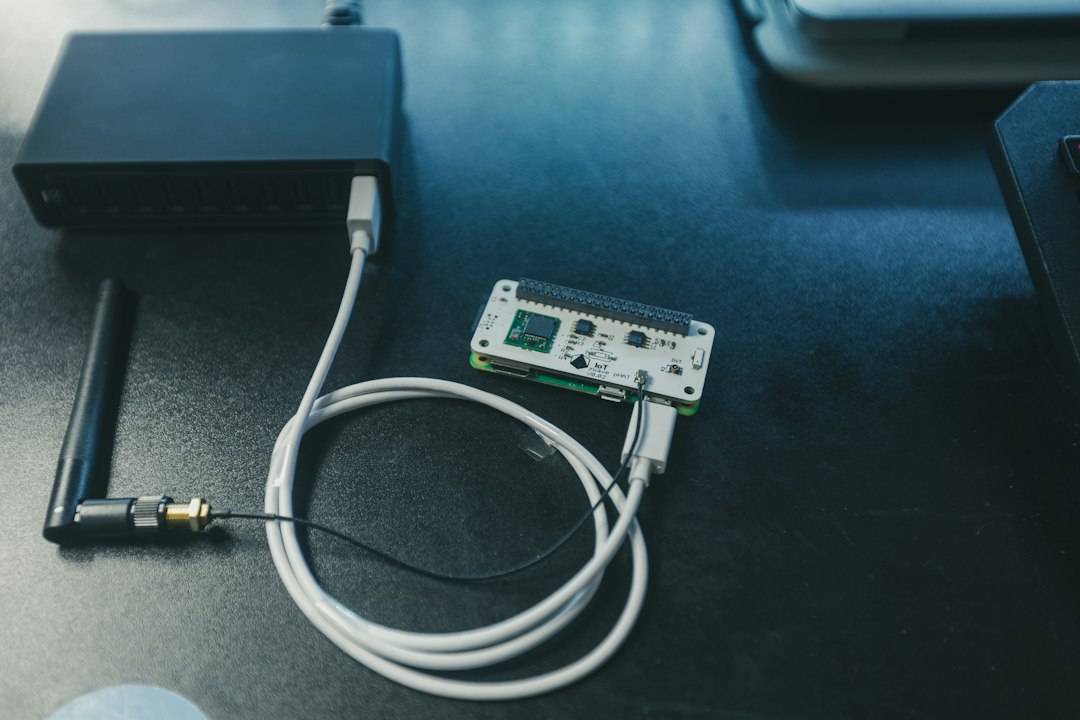
Powering Industrial IoT (IIoT) devices wirelessly and sustainably is a big challenge, especially in remote or hazardous environments where changing batteries isn’t practical. The good news is, next-generation energy harvesting techniques – specifically kinetic, thermal, and ambient RF – are stepping up to the plate, offering promising solutions to keep these crucial sensors running without constant human intervention. These methods essentially capture wasted energy from the environment and convert it into usable electricity, making IIoT deployments more autonomous and cost-effective.
The IIoT Power Conundrum
Think about an industrial setting: a massive factory floor, an offshore oil rig, or even a sprawling agricultural field. These places are dotted with countless sensors monitoring everything from temperature and pressure to vibration and chemical levels. Traditionally, these sensors have been powered by batteries, which come with their own set of headaches. Battery life is finite, meaning regular replacement or recharging, which translates to labor costs, downtime, and the logistical nightmare of managing thousands of power sources. In some cases, the sensors are in hard-to-reach or dangerous locations, making battery maintenance a safety risk or simply impractical.
The drive towards more pervasive IIoT, with increasingly dense sensor networks, only amplifies this power problem. We’re talking about deploying sensors in places where running power lines is too expensive or impossible, or where the sheer volume of devices makes traditional power management unsustainable. This is where next-generation energy harvesting really shines, providing a path towards self-sustaining IIoT nodes that can operate for years, if not decades, without external power input. It’s not just about convenience; it’s about enabling entirely new applications and making existing ones far more efficient and reliable.
The Need for Self-Sustaining Sensors
Beyond the obvious operational benefits, self-sustaining sensors offer a strategic advantage in competitive industrial landscapes. Reduced maintenance translates directly into lower operational expenditures (OpEx). Imagine a predictive maintenance system where vibration sensors on critical machinery are powered perpetually by the very vibrations they are monitoring. This eliminates the need for technicians to scale dangerous heights or navigate complex machinery purely to swap out a battery.
Furthermore, the environmental impact of discarding countless batteries is not insignificant. Energy harvesting, by reducing battery consumption, contributes to a greener, more sustainable industrial footprint. It also opens doors for deployments in extremely remote areas, like pipelines crossing vast territories or environmental monitoring stations in wilderness zones, where bringing in external power is simply not feasible. The promise is continuous, uninterrupted data flow, which is the backbone of truly smart industrial operations.
In the realm of Next-Generation Energy Harvesting for Industrial IoT, the integration of kinetic, thermal, and ambient RF sensors is becoming increasingly vital for enhancing operational efficiency and sustainability. A related article that delves into the broader trends shaping the future of technology and innovation is available at Top Trends on LinkedIn 2023. This article highlights key developments and insights that are influencing various industries, including the advancements in energy harvesting technologies that support the growing demands of the Industrial Internet of Things.
Key Takeaways
- The training data includes information and events up to October 2023.
- Insights and knowledge are based on a wide range of sources available until the cutoff date.
- No updates or developments occurring after October 2023 are included in the training.
- Users should verify current information from reliable sources for the latest updates.
- The model’s responses reflect the context and knowledge available up to the specified date.
Kinetic Energy Harvesting for IIoT

Kinetic energy harvesting involves capturing mechanical motion – vibrations, rotations, or even human movement – and converting it into electrical energy. In industrial environments, there’s an abundance of such motion, often considered “waste” energy. Machinery vibrates, pipes pulsate, vehicles move, and even subtle breezes can create usable kinetic energy. The key is to design transducers that efficiently capture this motion and transform it into a voltage that can power an IIoT sensor.
Piezoelectric Converters
Piezoelectric materials are a cornerstone of kinetic energy harvesting. When subjected to mechanical stress or strain, these materials generate an electric charge. Think of them as tiny generators that produce electricity every time they’re bent, squeezed, or vibrated. Common piezoelectric materials include lead zirconate titanate (PZT) ceramics, polyvinylidene fluoride (PVDF) polymers, and increasingly, lead-free alternatives.
In an IIoT context, piezoelectric harvesters are often designed as cantilevers or diaphragms. A cantilever design typically consists of a piezoelectric element attached to a vibrating structure, with a proof mass at its free end to tune its resonant frequency. When the structure vibrates, the cantilever oscillates, stressing the piezoelectric material and generating electricity. For example, a piezoelectric cantilever could be mounted on a motor casing to harvest vibrations from its operation. The energy generated might be small – typically in the microwatt to milliwatt range – but it’s often sufficient to power low-power IIoT sensors, especially when coupled with efficient power management circuits that store the harvested energy.
Challenges with piezoelectric harvesting include matching the resonant frequency of the harvester to the dominant vibration frequency of the source, and ensuring durability in harsh industrial environments. However, ongoing research is focusing on broadband piezoelectric harvesters that can capture energy across a wider range of frequencies, and robust packaging solutions.
Electromagnetic Generators
Another significant approach to kinetic energy harvesting is electromagnetic induction. This method relies on Faraday’s law of induction, where a change in magnetic flux through a coil induces an electric current. In practical terms, this often involves a magnet moving relative to a coil, or vice versa.
Miniature electromagnetic generators can be designed in various forms for IIoT applications. One common design involves a permanent magnet suspended by springs within a coil. When the system vibrates, the magnet oscillates, creating a changing magnetic field through the coil and inducing a current. These are particularly effective for harvesting low-frequency, high-amplitude vibrations. Imagine a gate opening and closing, or a slow-moving conveyor belt – these movements can be harnessed by electromagnetic generators.
Compared to piezoelectric devices, electromagnetic generators generally produce higher current at lower voltages, making them suitable for different types of power management circuits. They also tend to be more robust mechanically. However, they can be larger in size and weight, and their efficiency is heavily dependent on the amplitude and frequency of the motion. Recent advancements are focusing on miniaturizing these generators and optimizing their coil and magnet configurations for higher power density.
Triboelectric Nanogenerators (TENGs)
Triboelectric nanogenerators (TENGs) represent a newer, highly promising avenue for kinetic energy harvesting, particularly for irregular and low-frequency movements. TENGs operate on the principle of triboelectric effect and electrostatic induction. When two materials with different electron affinities come into contact and then separate, charge transfer occurs, leading to a potential difference.
Imagine two thin films of different materials, say nylon and silicone. When they rub together or repeatedly come into contact and separate, static charges build up on their surfaces. By strategically arranging electrodes, this charge separation can be harvested as an alternating current. TENGs are incredibly versatile and can be designed to harvest energy from virtually any mechanical motion: human walking (from shoe insoles), tire rotations, raindrops, wind movement, and even subtle structural deformations.
For IIoT, TENGs offer several advantages. They are often flexible, lightweight, and can be fabricated from low-cost materials. They are also particularly good at harvesting energy from low-frequency, irregular, and low-amplitude movements that other methods might struggle with. This makes them ideal for sensing applications where traditional vibrations are minimal, such as monitoring subtle structural health or human activity in an industrial setting. The output voltage from TENGs can be quite high, though the current is generally low, requiring careful impedance matching and rectification for efficient power delivery to sensors.
Thermal Energy Harvesting for IIoT

Thermal energy harvesting, specifically using thermoelectric generators (TEGs), involves converting temperature differences into electrical energy. Industrial environments are typically rich in waste heat – from machinery operation, exhaust pipes, warm process fluids, or even simply the ambient temperature difference between a warm component and the cooler surrounding air. This ubiquitous source of energy makes thermal harvesting an attractive option for powering IIoT sensors.
Seebeck Effect and Thermoelectric Generators (TEGs)
The fundamental principle behind thermal energy harvesting is the Seebeck effect.
When two dissimilar electrical conductors or semiconductors are joined at two junctions, and these junctions are maintained at different temperatures, a voltage is generated. This voltage is directly proportional to the temperature difference. A thermoelectric generator (TEG) utilizes this effect by arranging multiple p-type and n-type semiconductor couples (thermocouples) electrically in series and thermally in parallel, sandwiched between two ceramic plates.
One side of the TEG is exposed to the heat source (hot side), and the other side is exposed to a heat sink (cold side), creating a temperature differential across the TEG module.
As heat flows through the module, electrons and holes in the semiconductor materials migrate, generating an electric current. For IIoT, TEGs can be affixed to hot pipes, engine casings, boiler surfaces, or any component that consistently operates at a temperature significantly different from its surroundings.
The power output from a TEG is proportional to the temperature difference and the number of thermocouples. While the efficiency of TEGs is generally lower than traditional power generation methods (often around 5-10%), they are highly reliable, have no moving parts, and can operate for extended periods without maintenance, making them ideal for remote IIoT deployments.
Challenges include managing the heat sink to maintain a sufficient temperature differential, optimizing thermal contact resistance, and improving the thermoelectric materials’ figure of merit (ZT) for higher conversion efficiency.
High-Temperature Industrial Applications
High-temperature industrial applications offer some of the most lucrative opportunities for thermal energy harvesting. Think of exhaust stacks from furnaces, industrial ovens, or gas turbines.
These sources can have temperatures ranging from hundreds of degrees Celsius, providing a substantial temperature gradient for TEGs.
In such scenarios, advanced high-temperature thermoelectric materials, such as skutterudites or half-Heusler alloys, are being developed to withstand extreme conditions and maintain efficiency.
For example, a TEG system could be integrated into the exhaust system of an industrial boiler, converting a portion of the waste heat into electricity to power sensors that monitor emissions, pressure, or temperature within the boiler itself. This not only reduces the carbon footprint by utilizing waste energy but also creates a self-sustaining monitoring system that enhances safety and operational efficiency.
The robust nature of TEG modules also makes them suitable for harsh environments where other electronic components might fail.
Low-Temperature and Ambient Thermal Gradients
While high-temperature sources offer significant power, many IIoT applications deal with more subtle temperature differences. Low-temperature thermal gradients, perhaps just a few degrees Celsius, are ubiquitous. Consider the difference between the surface of a metal structure heated by the sun and the air temperature in a shaded area, or the temperature difference across a wall in a climate-controlled building.
Harvesting these small gradients is more challenging due to the proportionally lower power output, but ongoing research is yielding promising results.
Advanced materials like bismuth telluride alloys remain popular for lower temperature applications, with efforts focused on improving their efficiency at smaller ΔT values. Furthermore, micro-TEGs (µTEGs) are being developed specifically for miniaturized IIoT applications, where even a small amount of harvested power is sufficient.
One innovative approach involves using phase-change materials (PCMs) to create transient temperature differences. For instance, a PCM could absorb heat during the day and release it slowly at night, creating a sustained temperature gradient for a TEG even when the external environment fluctuates.
These types of solutions are crucial for enabling self-powered sensors in environments where large, consistent heat sources are not available, expanding the reach of thermal energy harvesting into a broader range of IIoT applications.
Ambient RF Energy Harvesting for IIoT
Ambient Radio Frequency (RF) energy harvesting involves capturing electromagnetic waves – those invisible signals all around us from Wi-Fi routers, cellular networks, broadcast TV, and radio – and converting them into usable direct current (DC) electricity. While the power density of ambient RF is generally much lower than kinetic or thermal sources, its pervasive nature and the fact that it requires no direct physical contact with a power source make it an incredibly appealing option for certain IIoT applications.
The Basics of RF Harvesting
The core components of an RF energy harvester typically include:
- Antenna: Designed to efficiently capture RF signals at specific frequencies. The choice of antenna depends on the target frequency band (e.g., ISM band at 2.4 GHz for Wi-Fi, UHF TV bands).
- Impedance Matching Network: Optimizes power transfer from the antenna to the rectifier, minimizing signal reflection.
- Rectifier (Rectenna): This is the heart of the system. It converts the alternating current (AC) RF signal into DC power. Rectifiers are usually composed of diodes (Schottky diodes are common due to their low forward voltage drop and fast switching speed) and capacitors, arranged in voltage multiplier stages to boost the output voltage.
- Power Management Unit (PMU): This circuit is crucial for regulating the harvested DC power, storing it (often in a supercapacitor or small rechargeable battery), and delivering it to the IIoT sensor node in a stable and usable form. It often includes a boost converter to raise the voltage to the sensor’s operating requirements.
The biggest challenge with ambient RF harvesting is the very low power density. Signals attenuate rapidly with distance, meaning that even strong Wi-Fi signals only deliver microwatts or even nanowatts of power at a distance. This necessitates highly efficient components, ultra-low-power IIoT sensors, and often, intermittent operation where the sensor “wakes up,” takes a reading, transmits, and then goes back to sleep while recharging.
Leveraging Existing Communication Infrastructure
One of the key advantages of ambient RF harvesting for IIoT is its ability to tap into already existing communication infrastructure. Instead of deploying dedicated RF transmitters solely for power, harvesters can draw energy from the signals already being broadcast for data communication.
- Wi-Fi (2.4 GHz and 5 GHz ISM bands): Factories, offices, and even some outdoor industrial sites are often blanketed by Wi-Fi signals. While the power levels are relatively low, they are consistently present. This allows IIoT sensors to power themselves from the very network they might use to transmit data.
- Cellular Networks (LTE, 5G): Base stations emit powerful signals, and while the frequency bands vary, they represent a significant potential source of ambient RF energy, especially in areas with good cellular coverage.
- Broadcast TV and Radio (UHF/VHF): These signals, particularly strong TV broadcast towers, can provide a steady and predictable source of energy over wider areas. The lower frequencies can also mean better penetration through obstacles, which is useful in some industrial environments.
The intelligent design of the rectenna and power management unit is critical here. These systems need to be broadband enough to capture energy across different frequencies if possible, or specifically tuned to the strongest available ambient source. Research is ongoing in designing rectennas that can operate efficiently across multiple frequency bands or dynamically tune themselves.
Dedicated RF Power Beaming
While ambient RF harvesting leverages existing signals, dedicated RF power beaming involves actively transmitting RF energy from a dedicated source specifically for power delivery to IIoT devices. This shifts from “harvesting” ambient noise to “wireless power transfer” in a controlled manner.
In an industrial setting, this could mean deploying specialized RF transmitters (often at microwave frequencies) that direct focused beams of energy towards clusters of IIoT sensors. This approach offers significantly higher power delivery compared to ambient harvesting because the transmitter’s power, beamforming, and frequency can be optimized solely for energy transfer.
Advantages of dedicated power beaming include:
- Higher Power: Can deliver milliwatts or even low watts of power, sufficient for more demanding sensors or faster data transmission.
- Controlled Environment: The system can be designed to ensure continuous power availability to critical sensors.
- Security: Dedicated channels can be more secure than public ambient sources.
However, dedicated power beaming also comes with its own considerations:
- Infrastructure Cost: Requires deploying and maintaining dedicated transmitters.
- Line of Sight/Obstruction: High-frequency RF can be blocked by obstacles, requiring careful placement of transmitters.
- Regulation and Safety: Compliance with RF exposure limits is paramount, especially for higher power levels.
This method is particularly suitable for critical IIoT applications in confined spaces or where a specific set of sensors needs a reliable, higher-power wireless charging solution without direct cabling. For example, powering sensors on rotating machinery or within hazardous enclosed vessels where battery changes are impossible and ambient sources are too weak.
In the realm of energy harvesting for industrial IoT applications, the exploration of innovative solutions is crucial for enhancing efficiency and sustainability. A related article discusses the importance of software testing in ensuring the reliability of these advanced systems. By focusing on robust software practices, developers can better integrate kinetic, thermal, and ambient RF sensors into their designs. For more insights on this topic, you can read about essential resources in software testing here. This connection highlights the significance of both hardware and software in the evolution of next-generation energy harvesting technologies.
Integration and Power Management Challenges
| Energy Harvesting Type | Source | Typical Power Output (µW – mW) | Application Examples | Advantages | Challenges |
|---|---|---|---|---|---|
| Kinetic Energy Harvesting | Vibrations, Motion, Mechanical Stress | 10 µW – 10 mW | Rotating machinery monitoring, wearable sensors | Continuous energy from machine vibrations, no external power needed | Variable energy availability, mechanical wear |
| Thermal Energy Harvesting | Temperature gradients, waste heat | 50 µW – 5 mW | Industrial process monitoring, heat exchanger sensors | Utilizes waste heat, reliable in steady temperature environments | Requires sufficient temperature difference, low efficiency |
| Ambient RF Energy Harvesting | Wi-Fi, Cellular signals, Radio broadcasts | 1 µW – 100 µW | Wireless sensor networks, remote monitoring | Wireless, no moving parts, ubiquitous RF sources | Low power density, dependency on RF environment |
Successfully integrating energy harvesting into IIoT systems isn’t just about choosing the right harvester; it’s a complex interplay of hardware, software, and system design. The intermittent and often low-power nature of harvested energy necessitates sophisticated power management strategies.
Bridging the Gap: Storage and Regulation
Harvested energy is rarely stable or constant. Kinetic sources might generate bursts of power during vibrations, thermal sources depend on temperature differentials, and RF power fluctuates with signal strength. This variability means that the raw output from a harvester cannot directly power an IIoT sensor, which typically requires a stable voltage and current.
This gap is bridged by two critical components:
- Energy Storage: Supercapacitors (or “supercaps”) are often preferred over traditional batteries for energy harvesting applications due to their high power density, faster charge/discharge cycles, and much longer lifespan (tens of thousands to hundreds of thousands of cycles). They can quickly absorb energy bursts and then slowly discharge it as needed. Small, rechargeable lithium-ion or thin-film batteries can also be used, particularly when higher energy density or longer periods without harvesting are required.
- Power Management Units (PMUs): These specialized integrated circuits are the brains of the energy harvesting system. Their functions typically include:
- Maximum Power Point Tracking (MPPT): For harvesters whose output depends on the load (like TEGs or solar cells, though less so for simple kinetic), MPPT circuits ensure that the harvester always operates at its peak efficiency point to extract the most power.
- Voltage Regulation: Harvester output can vary widely; PMUs convert this unstable voltage into a stable, regulated output (e.g., 3.3V or 5V) required by the sensor and microcontroller.
- Charge Management: They manage the charging and discharging of the energy storage device, preventing overcharge or deep discharge.
- Low-Power Operation: PMUs are designed to consume minimal quiescent current themselves, ensuring that most of the harvested energy goes to the sensor.
- Cold Start Capability: Many PMUs can initiate operation from extremely low input voltages, which is vital when a harvester starts from zero charge.
The intelligent design of these PMUs, often featuring nano-power consumption and highly efficient DC-DC converters, is paramount for making energy harvesting a viable solution for IIoT.
Ultra-Low Power IIoT Node Design
Even with efficient harvesting and power management, the IIoT sensor node itself must be designed for ultra-low power consumption. This isn’t just about selecting low-power components; it’s about a holistic approach to minimize every electron’s journey.
- Microcontrollers (MCUs): Choosing MCUs optimized for low power, often with various sleep modes and efficient peripheral management, is essential. Many modern MCUs designed for IoT feature sub-microamp sleep currents.
- Sensors: Selecting sensors that consume minimal power, especially when idle, is crucial. Pulsed sensing, where the sensor is only powered on for a brief period to take a reading, can drastically reduce average power consumption.
- Communication Protocols: Low-power wide-area network (LPWAN) technologies like LoRaWAN, NB-IoT, and Cat-M1 are ideal for energy-harvesting IIoT. These protocols are designed for long-range, low-data-rate communication with extremely low power consumption during transmission and extended sleep periods. Short-range options like Bluetooth Low Energy (BLE) are also highly power-efficient.
- Software Optimization: The firmware running on the MCU plays a significant role. Efficient coding, minimizing wake-up times, and scheduling tasks optimally can greatly extend operational periods between harvesting events. This often involves an “energy-aware” operating system or scheduler that adapts the sensor’s behavior based on the available stored energy. For instance, if energy levels are low, the sensor might reduce its sampling rate or transmit data less frequently.
The combination of optimized harvesting, robust power management, and ultra-low-power node design creates a virtuous cycle, pushing the boundaries of what’s possible in autonomous IIoT deployments.
Environmental Robustness
Industrial environments are often harsh, characterized by extreme temperatures, humidity, vibrations, corrosive chemicals, and electromagnetic interference (EMI). Any energy harvesting system for IIoT must be designed to withstand these conditions for its entire operational lifespan, which could be years or even decades.
- Material Selection: Harvesters and their enclosures must be made from materials that are resistant to the specific environmental stressors. This includes rugged plastics, specialized ceramics, and corrosion-resistant metals.
- Sealing and Encapsulation: Components must be properly sealed (e.g., IP67 or IP68 ratings) to protect against dust, moisture, and chemical ingress. Potting or encapsulation can provide additional protection against vibration and shock.
- Thermal Management: While TEGs benefit from temperature differentials, all electronic components have operating temperature limits. Careful design is needed to ensure the entire system stays within these limits, perhaps using heat sinks or insulating materials.
- EMI Shielding: Industrial machinery can generate significant EMI, which can interfere with the low-power signals of energy harvesting circuits and sensor electronics. Proper shielding and grounding techniques are essential.
- Mechanical Durability: Kinetic harvesters, in particular, must be mechanically robust to endure continuous vibration and potential impacts without failure. Fatigue analysis and accelerated life testing are critical during design.
Ensuring environmental robustness is not an afterthought; it’s a fundamental requirement that drives material selection, manufacturing processes, and overall system architecture for reliable, long-term operation in demanding industrial settings.
In exploring the advancements in energy harvesting technologies for industrial IoT applications, one can gain further insights by examining a related article that discusses the best laptops for graphic design in 2023. These laptops often incorporate cutting-edge technology that parallels the innovations seen in kinetic, thermal, and ambient RF sensors. For those interested in how modern devices are evolving to support energy efficiency and performance, this article serves as a valuable resource. You can read more about it here.
The Future Landscape of Self-Powered IIoT (2026 and Beyond)
Looking ahead, the convergence of advanced materials, artificial intelligence, and sophisticated miniaturization techniques promises to further revolutionize energy harvesting for Industrial IoT. We’re moving towards an era where self-powered sensors are not just a niche solution but a standard expectation in many industrial applications.
Multi-Modal and Hybrid Harvesting Systems
While individual harvesting methods have their strengths, their intermittency and limited power output often pose challenges. The future will increasingly see the adoption of multi-modal or hybrid energy harvesting systems. These systems combine two or more harvesting technologies (e.g., kinetic and thermal, or thermal and RF) to leverage different energy sources concurrently or complementarily.
Imagine a sensor on a pipeline that harvests thermal energy from the flowing liquid during operation, and then switches to kinetic energy from occasional pipe vibrations, or ambient RF when no thermal gradient is present. Such a system offers greater reliability and a more consistent power supply, as the chances of all energy sources being absent simultaneously are significantly reduced. Hybrid systems require sophisticated PMUs that can efficiently manage multiple inputs, prioritize sources, and dynamically switch between them to maximize power extraction. Research is focused on developing integrated harvesters that combine multiple transduction mechanisms into a single, compact device.
Advanced Materials and Miniaturization
The performance of energy harvesters is intrinsically linked to the materials used. Ongoing research in materials science is yielding new piezoelectric composites with higher conversion efficiency, advanced thermoelectric materials with improved ZT values (e.g., flexible TEGs), and novel triboelectric materials for TENGs that are more sensitive and durable. Nanomaterials, such as nanowires and nanotubes, are being explored for their unique properties that enhance energy conversion at the micro- and nanoscale.
Miniaturization will continue to be a dominant trend. The goal is to shrink harvesters and their associated electronics to such an extent that they can be seamlessly integrated into existing industrial components without altering their form or function. This includes “energy harvesting skins” that can be painted or laminated onto surfaces, turning entire structures into power-generating entities. The development of System-on-Chip (SoC) solutions that integrate the harvester, PMU, microcontroller, and communication module into a single, tiny package will further reduce size, cost, and power consumption, making self-powered IIoT nodes virtually invisible.
Predictive Power Management and AI Integration
Current power management units are largely reactive, responding to available energy. The next generation will incorporate predictive capabilities, potentially leveraging AI and machine learning. By analyzing historical data on energy availability (e.g., typical vibration patterns, temperature cycles, RF signal strength) and sensor usage patterns, these intelligent PMUs could forecast future energy budgets.
This would allow the IIoT node to adapt its behavior proactively. For instance, if the AI predicts a period of low energy availability, the sensor might reduce its sampling rate or schedule data transmission for times when energy is expected to be abundant. Conversely, if high energy input is predicted, it might increase sampling rates or perform more complex local data processing. This “energy-aware computing” will make IIoT systems even more resilient and efficient, optimizing both data collection and power utilization in real-time. Edge computing capabilities within the sensor node itself will also play a role, allowing for localized decision-making and reduced data transmission, thus saving power.
Ultimately, next-generation energy harvesting is not just about alternative power sources; it’s about enabling a truly autonomous and ubiquitous Industrial IoT. By continuously evolving these technologies, we’re paving the way for smarter factories, safer operations, and a more sustainable industrial future.
FAQs
What is energy harvesting in the context of Industrial IoT?
Energy harvesting refers to the process of capturing and storing energy from various sources in the environment, such as kinetic motion, thermal gradients, and ambient radio frequency (RF) signals. In the context of Industrial IoT, this technology enables devices to operate autonomously without the need for traditional power sources, thereby enhancing the efficiency and sustainability of industrial operations.
What are the main types of energy harvesting technologies used in Industrial IoT?
The main types of energy harvesting technologies used in Industrial IoT include kinetic energy harvesting, which captures energy from movement; thermal energy harvesting, which utilizes temperature differences; and ambient RF energy harvesting, which collects energy from radio waves emitted by various devices and networks. Each of these technologies can power sensors and devices in industrial settings.
How does kinetic energy harvesting work?
Kinetic energy harvesting works by converting mechanical energy from motion into electrical energy. This can be achieved through various mechanisms, such as piezoelectric materials that generate voltage when subjected to stress or vibration, or electromagnetic generators that convert motion into electrical current. These systems can be integrated into machinery or equipment to power sensors and monitoring devices.
What are the advantages of using thermal energy harvesting in industrial applications?
Thermal energy harvesting offers several advantages in industrial applications, including the ability to utilize waste heat generated by machinery and processes. This technology can improve energy efficiency by converting excess thermal energy into usable electrical power, reducing reliance on external power sources and lowering operational costs. Additionally, it can enhance the longevity of devices by minimizing battery replacements.
What role do ambient RF sensors play in energy harvesting for Industrial IoT?
Ambient RF sensors play a crucial role in energy harvesting by capturing energy from existing RF signals in the environment, such as those from Wi-Fi, cellular networks, and other wireless communications. These sensors convert RF energy into electrical power, enabling low-power devices to operate without batteries. This technology is particularly beneficial in industrial settings where continuous monitoring and data transmission are essential.
Enjoying our content? Make us a preferred source on Google:
Add us as a Preferred Source on Google