


Yep, next-generation credit scoring is already here, and it’s making lending decisions smarter and more inclusive by looking beyond just your traditional credit history. We’re talking about a shift from relying solely on FICO scores and credit bureau reports to incorporating a much broader range of data – things like how you manage your bank accounts, pay your utility bills, and even how you use your phone. This approach helps lenders get a more accurate, real-time picture of your financial health, especially for those who might have a thin credit file or no credit history at all.
Why Traditional Credit Scoring Falls Short
Let’s face it, the traditional credit scoring model, while incredibly impactful, has its limitations. It’s been the backbone of lending for decades, but it’s not a perfect system, especially in today’s diverse financial landscape.
The “Credit Invisible” Problem
One of the biggest issues with traditional credit scoring is the concept of the “credit invisible” or “thin file” population. These are folks who simply don’t have enough credit history for a traditional score to be generated. Think young adults just starting out, recent immigrants, or even people who prefer to pay with cash or debit cards. They might be perfectly responsible with their money, but without a track record of borrowing and repaying loans or credit cards, they’re often deemed high-risk by traditional models. This isn’t because they are high-risk, but because there’s insufficient data to assess their risk. It’s a classic chicken-and-egg scenario: you need credit to build credit, but you can’t get credit without a credit score.
Lagging Indicators and Incomplete Pictures
Traditional credit reports are essentially historical records. They show what you’ve done in the past, often with a significant delay. A missed payment from six months ago might still heavily influence your score, even if your financial situation has dramatically improved since then. They don’t capture real-time financial fluctuations or important life events that could impact your ability to repay. For instance, a sudden job loss or a significant increase in income won’t immediately reflect in a traditional score, making it a lagging indicator rather than a dynamic assessment of current financial health. This can lead to missed opportunities for lenders and unfair denials for borrowers.
Limited Scope of Financial Behavior
Traditional scores primarily focus on credit-related activities: credit card usage, loan payments, bankruptcies, etc. While important, this is just one slice of a person’s financial life. It doesn’t tell lenders how consistently you pay your rent, your utility bills, or your subscription services – all indicators of financial responsibility. It also doesn’t consider the robustness of your emergency savings or the regularity of your income deposits, which are crucial for understanding cash flow stability. Relying solely on credit-specific data can paint an incomplete and sometimes misleading picture of an individual’s overall financial discipline and capacity.
In the evolving landscape of credit scoring, the article on Next-Generation Credit Scoring: Incorporating Alternative Telemetry and Cash-Flow Data highlights innovative approaches to assessing creditworthiness. For further insights into how artificial intelligence is transforming financial assessments and the potential benefits of integrating diverse data sources, you can explore this related article at Enicomp’s AI Account. This resource delves into the implications of using advanced data analytics to enhance traditional credit scoring methods, paving the way for more inclusive financial solutions.
Key Takeaways
- The training data includes information and events up to October 2023.
- Insights and knowledge are based on a wide range of sources available until the cutoff date.
- No updates or developments occurring after October 2023 are included in the training.
- Users should verify current information from reliable sources for the latest updates.
- The model’s responses reflect the context and knowledge available up to the specified date.
The Power of Alternative Telemetry Data
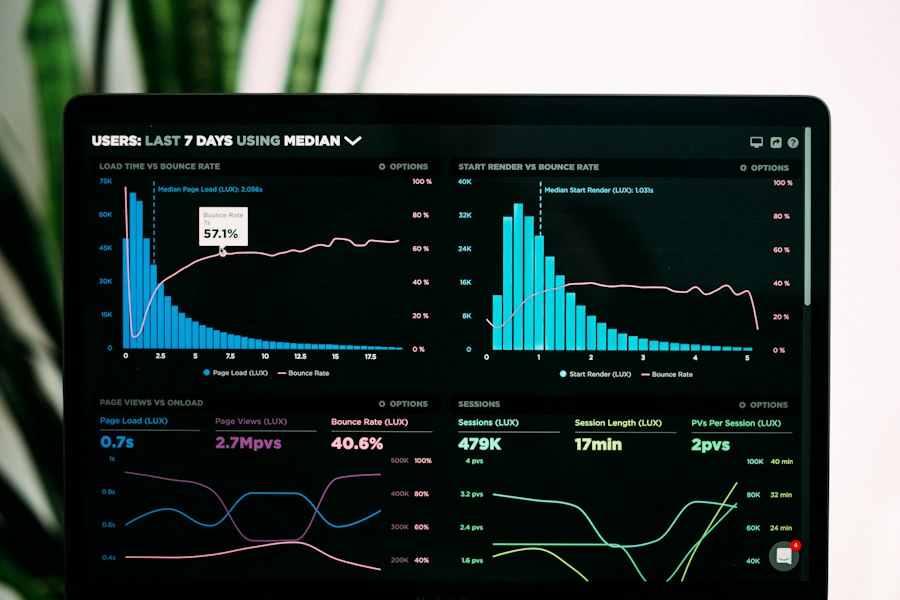
This is where things get really interesting. “Alternative telemetry data” might sound a bit techy, but it essentially refers to a wide array of non-traditional data points that can provide valuable insights into a borrower’s financial behavior. Think of it as expanding the lens through which lenders view your financial world.
Utility and Telecom Payment History
One of the most straightforward and powerful sources of alternative data is your payment history for utilities and telecom services. Almost everyone has a phone, pays for electricity, and likely has an internet bill. Consistently paying these bills on time demonstrates a strong sense of financial responsibility and reliability.
Unlocking the “Invisible” Market
For those with thin credit files, this data is gold. If you’ve been diligently paying your electricity bill for years, even if you’ve never had a credit card, that’s a clear signal of your commitment to meeting financial obligations. Lenders can use this to establish an initial creditworthiness assessment, effectively “seeing” consumers who were previously invisible to traditional systems. It provides a foundational layer of trust and helps bridge the gap for deserving borrowers.
Predictive Power of Regular Payments
The regularity and timeliness of these payments can be highly predictive of future loan repayment behavior. If someone struggles to pay their phone bill on time, it might indicate broader financial instability. Conversely, a perfect track record suggests a strong likelihood of repaying other debts. This data is often easier to obtain and verify than some other alternative data types, making it a practical and effective addition to scoring models.
Rent Payment Data
For many, rent is their largest monthly expense. Paying rent consistently and on time, often for years, is a significant indicator of financial discipline. Yet, traditionally, this information rarely makes it into credit reports unless there’s an eviction or collection.
Validating Financial Responsibility
Incorporating rent payment history into credit scoring models validates the financial responsibility of millions of renters. Imagine someone who has consistently paid $1,500 in rent every month for five years. That’s $90,000 paid diligently, yet it historically contributed nothing to their credit score. By allowing lenders to consider this, it provides a much fairer and more comprehensive view of their creditworthiness, particularly benefiting those who rent for extended periods or who aspire to homeownership but struggle with building traditional credit.
Reducing Risk for Landlords and Lenders
Beyond benefiting individual borrowers, this data can also help landlords assess potential tenants and provide lenders with a clearer picture of a borrower’s overall financial commitments. It highlights a recurring, significant outflow of cash and the borrower’s ability to manage it, reducing uncertainty for both parties.
Browser and App Usage Data (Ethical Considerations)
This category is a bit more nuanced and often raises privacy concerns, but when handled ethically and with explicit consent, it can offer insights into a consumer’s financial sophistication and stability. This isn’t about what you’re browsing, but rather patterns of behavior related to financial management.
Identifying Financial Planning Tools
For example, consistent use of budgeting apps, personal finance management tools, or investment platforms could indicate a proactive approach to financial planning. This suggests a higher likelihood of managing debt responsibly. Similarly, frequent engagement with banking apps to check balances or make transfers might point to active financial monitoring.
Consent and Anonymization are Key
It’s crucial to emphasize that any use of this data must be strictly opt-in, transparent, and anonymized. Lenders would not be looking at specific websites visited, but rather aggregated patterns or the presence of certain types of apps. The focus is on demonstrating financial engagement and responsibility, not on intrusive monitoring. Without strong ethical guidelines and clear consent, this area quickly becomes problematic.
Social Media Presence and Networks (Highly Controversial)
While some early ventures into next-gen scoring explored social media data, it’s largely considered too sensitive, potentially discriminatory, and difficult to interpret reliably. We mention it for completeness, but it’s important to understand why it’s mostly avoided by reputable lenders.
Avoiding Bias and Discrimination
The risk of bias and discrimination with social media data is incredibly high. Algorithms could inadvertently penalize individuals based on their social networks, interests, or even language used, leading to unfair lending decisions. Furthermore, determining creditworthiness from social posts is inherently subjective and prone to misinterpretation. What one algorithm sees as a positive indicator, another might flag as risky, and the data itself is highly susceptible to manipulation or misrepresentation.
Focus on Verified Financial Behaviors
Most progressive lenders and regulatory bodies strongly advocate for sticking to verified financial behaviors rather than attempting to infer creditworthiness from social circles or online persona. The current consensus leans heavily against incorporating this type of data due to its unreliability and ethical minefield.
Leveraging Cash-Flow Data for a Real-Time View

Beyond alternative telemetry, looking at actual cash flow – the money coming in and going out of your bank accounts – provides an incredibly detailed and dynamic picture of your financial health. This moves beyond just if you pay on time to how you manage your money day-to-day.
Bank Account Transaction Analysis
This is perhaps the most powerful component of next-generation credit scoring. With a borrower’s explicit consent, lenders can access and analyze bank account transaction data directly. This isn’t just about your balance; it’s about the patterns within your transactions.
Income Stability and Regularity
One of the first things lenders look for is stable income.
Bank transaction data can verify the consistency of direct deposits, frequency of payments, and even identify multiple income streams. It can distinguish between a salaried employee, a freelancer with varied income, or someone relying on benefits. This provides a much more accurate real-time assessment of income stability than relying solely on pay stubs, which can be easily outdated or even falsified.
Spending Habits and Financial Discipline
Analyzing spending habits can reveal a lot about financial discipline.
Do funds dwindle to zero days before payday? Are there frequent overdrafts? Or does the borrower maintain a healthy buffer, regularly save, and avoid unnecessary fees?
This isn’t about judging what someone buys, but rather the pattern of their spending relative to their income. High spending on discretionary items might not be an issue if income is high and savings are consistent, but for someone with modest income, it could signal potential difficulty in managing new debt.
Identifying Red Flags and Positive Indicators
Consistent overdrafts, a high number of payday loan transactions, or frequent non-sufficient funds (NSF) charges are clear red flags that indicate financial distress. Conversely, regular savings contributions, consistent bill payments (even beyond traditional credit obligations), and a healthy average daily balance are strong positive indicators of responsible financial management.
This granular view allows lenders to identify risk and opportunity in ways traditional scores cannot.
Open Banking and API Connectivity
The rise of Open Banking initiatives, particularly in regions like the UK and EU, has significantly streamlined the process of accessing and utilizing cash-flow data. These frameworks, along with secure API (Application Programming Interface) connectivity, allow borrowers to safely and directly share their financial data with lenders, with their explicit consent.
Seamless Data Sharing with Consent
Instead of manually submitting bank statements, borrowers can authorize a secure, digital connection between their bank account and the lender’s system.
This authorization is typically temporary and revocable, giving the consumer full control over their data.
This makes the application process much faster and reduces the likelihood of human error or fraudulent documentation.
Real-Time Data for Dynamic Decisions
Open Banking enables access to near real-time data. This means a lender can get an up-to-the-minute snapshot of a borrower’s financial situation, rather than relying on statements from weeks or months ago.
This dynamism is crucial for industries where financial circumstances can change rapidly, allowing for more responsive and accurate lending decisions. It also allows for continuous monitoring (again, with consent) of a loan once issued, potentially identifying early warning signs of distress or, conversely, opportunities for additional credit.
Benefits for Lenders and Borrowers
This shift to next-generation credit scoring isn’t just a technical upgrade; it’s a fundamental change that offers significant advantages for both sides of the lending equation.
Increased Financial Inclusion
Perhaps the most significant benefit is the dramatic increase in financial inclusion. Millions of people who were previously “credit invisible” or had “thin files” can now access credit. This includes young people, recent immigrants, gig economy workers, and those who primarily use debit cards or cash.
Expanding the Borrower Pool
For lenders, this means a significantly expanded pool of potential, creditworthy customers. By accurately assessing risk for segments previously underserved, they can grow their portfolios and reach new markets. It’s not about lending to riskier individuals, but about accurately identifying low-risk individuals who were previously miscategorized.
Fairer Access to Capital
For borrowers, it means fairer access to the capital they need – whether it’s for a car loan, a mortgage, or simply to build a credit history. This can be transformative, allowing individuals to invest in their futures, start businesses, and improve their quality of life. It levels the playing field, ensuring that responsible financial behavior, regardless of its form, is recognized and rewarded.
More Accurate Risk Assessment
By combining traditional data with alternative telemetry and cash-flow insights, lenders get a much more holistic and accurate view of a borrower’s risk profile.
Reduced Default Rates
With a clearer picture of income stability, spending habits, and payment consistency, lenders can make more informed decisions, leading to a reduction in default rates. They can better identify borrowers who are genuinely capable of repayment and distinguish them from those who are truly high-risk. This precision benefits the entire financial ecosystem by reducing losses and potentially lowering interest rates for everyone.
Personalized Loan Products
More granular data also allows for more personalized loan products. Lenders can tailor interest rates, repayment schedules, and loan amounts to better fit an individual’s specific financial situation and risk profile. This means borrowers get terms that are more sustainable for them, leading to higher satisfaction and lower likelihood of default. For example, a stable freelancer might get a loan with a slightly flexible repayment schedule to account for income fluctuations, something traditional models would struggle to accommodate.
Faster and More Efficient Underwriting
Automating the data collection and analysis process through APIs and sophisticated algorithms significantly speeds up the underwriting process.
Instant Decisions
In many cases, lenders can now provide instant or near-instant loan decisions. This is a huge advantage for borrowers who need quick access to funds. No more waiting days or weeks for manual review of documents. The data is pulled, analyzed, and a decision is rendered, often within minutes.
Reduced Manual Workload
For lenders, this translates to a reduced manual workload, lower operational costs, and the ability to process a higher volume of applications more efficiently. It frees up human resources to focus on more complex cases or customer service, rather than tedious data entry and verification. This efficiency ultimately benefits customers through faster service and potentially lower fees.
In the evolving landscape of financial technology, the article on Next-Generation Credit Scoring highlights the importance of incorporating alternative telemetry and cash-flow data to enhance credit assessments. For those interested in exploring how technology influences various sectors, a related piece discusses the best laptops for gaming, which showcases the latest advancements in hardware that can also support financial applications. You can read more about it This requires significant engineering effort to normalize and integrate the data effectively into a cohesive scoring model. Establishing industry-wide standards for data sharing would greatly accelerate adoption and reduce integration costs. The quality and completeness of alternative data can vary. For example, some utility providers might have more detailed payment history than others. Missing data points or inconsistent formatting can impact the accuracy and reliability of the scoring model. Lenders need robust data validation processes to ensure the integrity of the information they are using. This might involve cross-referencing data points or developing sophisticated imputation techniques for missing values. Next-generation credit scoring refers to advanced methods of evaluating an individual’s creditworthiness by incorporating alternative data sources, such as telemetry data from devices and cash-flow information, alongside traditional credit metrics. This approach aims to provide a more comprehensive view of a borrower’s financial behavior and reliability. Alternative telemetry data, which includes information from devices like smartphones and wearables, can provide insights into a person’s spending habits, lifestyle choices, and overall financial health. By analyzing this data, lenders can better assess risk and make more informed lending decisions, especially for individuals with limited credit histories. Cash-flow data typically includes information about an individual’s income, expenses, and transaction history from bank accounts. This data helps lenders understand a borrower’s financial stability and ability to repay loans, offering a clearer picture than traditional credit scores alone. Next-generation credit scoring benefits a wide range of individuals, particularly those with thin or no credit files, such as young adults, immigrants, or those who have relied on cash transactions. By using alternative data, these individuals may gain access to credit products that were previously unavailable to them. Yes, there are privacy concerns associated with next-generation credit scoring, particularly regarding the collection and use of personal data from alternative sources. Consumers may worry about how their data is being used, stored, and shared. It is essential for lenders to ensure transparency and adhere to data protection regulations to maintain consumer trust.
Enjoying our content? Make us a preferred source on Google: Data Quality and Completeness
FAQs
What is next-generation credit scoring?
How does alternative telemetry data improve credit scoring?
What types of cash-flow data are used in next-generation credit scoring?
Who benefits from next-generation credit scoring?
Are there any concerns regarding privacy with next-generation credit scoring?