

Understanding Multi-User Spatial Workspaces for Remote Engineering
Multi-user spatial workspaces are essentially virtual environments where multiple people can interact and collaborate as if they were in the same physical room, but from geographically dispersed locations. For remote engineers, this means moving beyond static video calls and shared documents to a more immersive, interactive experience. Think of it as a shared digital canvas or a 3D meeting room where you can walk around, point to things, annotate designs, and brainstorm together, all in real-time. The core idea is to reduce the “friction” of remote collaboration, making it feel more natural and intuitive, almost like being together in person. This isn’t just about fancy graphics; it’s about building shared understanding, accelerating decision-making, and fostering a sense of team cohesion even when miles apart.
In exploring the concept of Multi-User Spatial Workspaces and their potential to enhance collaboration among remote engineers, it’s interesting to consider how advancements in technology, such as those highlighted in the article on the Samsung Galaxy Chromebook 4, can further facilitate these interactions. The Chromebook’s capabilities in supporting cloud-based applications and seamless connectivity can play a crucial role in creating frictionless collaboration environments. For more insights on how modern devices can transform remote work, you can read the related article here: com/new-world-of-possibilities-with-the-samsung-galaxy-chromebook-4/’>New World of Possibilities with the Samsung Galaxy Chromebook 4.
Key Takeaways
- The training data includes information and events up to October 2023.
- Insights and knowledge are based on a wide range of sources available until the cutoff date.
- No updates or developments occurring after October 2023 are included in the training.
- Users should verify current information from reliable sources for the latest updates.
- The model’s responses reflect the context and knowledge available up to the specified date.
The Core Problem: The Friction of Traditional Remote Collaboration
Traditional remote collaboration, while enabling global teams, often introduces a significant amount of friction. This friction manifests in several ways, hindering the efficiency and effectiveness of engineering teams. Understanding these pain points is crucial to appreciating the value of spatial workspaces.
The Limitations of 2D Communication
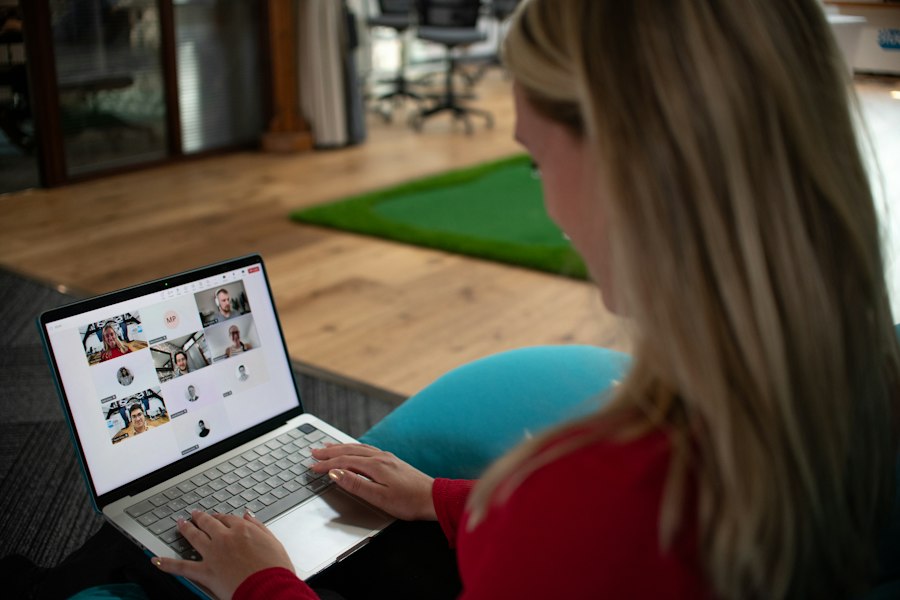
The reliance on 2D tools like video conferencing and screen sharing, while ubiquitous, has inherent limitations. While you can see and hear your colleagues, the sense of shared presence and ability to intuitively interact with shared artifacts is significantly diminished.
Lack of Shared Context
When discussing complex designs or code, a shared understanding of the context is paramount. In a 2D environment, this often means constantly describing what you’re looking at, navigating through documents, or sharing control of a screen. This back-and-forth is inefficient and can lead to misunderstandings, especially with intricate visual information like architectural diagrams or circuit layouts. Engineers spend valuable time clarifying “are you looking at the left-hand panel or the right?” or “which line of code are you referring to?”
Reduced Non-Verbal Cues
A significant portion of human communication is non-verbal. In a physical setting, a glance, a gesture, or even the way someone points to a whiteboard conveys a wealth of information. In a standard video call, these cues are often lost or distorted. While some platforms attempt to capture these, the flat, framed view limits the natural interaction that supports collaborative problem-solving. This can make it harder to gauge agreement, confusion, or subtle shifts in a colleague’s perspective.
Impeded Spontaneous Interaction
Brainstorming and ad-hoc discussions are crucial for engineering innovation. In a physical office, a quick “hey, come look at this” moment can lead to breakthroughs. Replicating this spontaneity in a 2D remote setting is challenging. It usually requires scheduling a call, sharing a link, and then carefully guiding everyone to the same point of interest. This added overhead often stifles the very informal interactions that can spark new ideas.
The Challenges of Asynchronous Workflows
While asynchronous work has its benefits, relying too heavily on it for highly interactive tasks can introduce significant delays and miscommunications, particularly in fast-paced engineering environments.
Disjointed Feedback Cycles
When reviewing designs or code, feedback often comes in fragmented pieces via comments, emails, or chat messages. This can make it difficult to consolidate, prioritize, and respond to feedback in a cohesive manner. Engineers might receive conflicting suggestions or struggle to understand the rationale behind a particular comment without the immediate context of a live discussion. The lack of real-time discussion means questions might linger for hours or days, slowing down progress.
Version Control and “Source of Truth” Issues
Even with robust version control systems, coordinating multiple engineers working on shared assets can be tricky. When working asynchronously on visual or spatial designs, ensuring everyone is looking at the latest version and understands the current state of a project without direct, real-time interaction can lead to errors and rework. What one engineer sees as the current working model, another might have an outdated local copy, leading to mismatched expectations and wasted effort.
Slower Decision-Making
Complex engineering decisions often require immediate discussion, visual aids, and the ability to iterate on ideas in real-time. Asynchronous communication, by its very nature, introduces delays. A question posed in the morning might not receive a response until the afternoon, pushing back critical decisions and extending project timelines. The inability to quickly sketch out alternatives or collectively “play” with a design before committing slows down the iterative process.
Key Features for Frictionless Spatial Collaboration
To truly achieve frictionless collaboration for remote engineers, multi-user spatial workspaces need a robust set of features that go beyond simple video conferencing. These features aim to replicate and even enhance the benefits of co-located work.
Immersive Presence and Shared Space
The foundation of a multi-user spatial workspace is the creation of a shared, persistent virtual environment where engineers can feel truly present and interact naturally.
Avatar Representation
Having a personalized avatar allows engineers to “be” in the virtual space. This isn’t just about a profile picture; it’s about a navigable, expressive representation that can move around, gesture, and even maintain virtual eye contact.
This fosters a stronger sense of individual presence and makes it easier to track who is speaking or looking at what, reducing the anonymity sometimes felt in traditional remote meetings. The ability to customize avatars also adds a personal touch, making the experience more engaging.
Persistent Virtual Environments
Unlike fleeting video calls, spatial workspaces should be persistent. This means the layout, shared assets, and even annotations remain exactly where they were left between sessions.
Engineers can return to the space and pick up exactly where they left off, without having to re-upload files or recreate the setup. This persistence fosters a sense of continuity and makes the workspace a true “digital office” rather than just a temporary meeting room. Imagine a virtual whiteboard that stays exactly as you left it, complete with sticky notes and sketches.
Spatial Audio and Gaze Direction
True spatial audio makes conversations feel natural.
Instead of everyone’s voice sounding like it’s coming from the same speaker, spatial audio allows you to hear colleagues’ voices from their avatar’s virtual location. This makes it easier to understand who is speaking and to engage in side conversations without disrupting the main discussion. Coupled with gaze direction (where avatars can orient themselves towards objects or other avatars), this replicates the subtle non-verbal cues that are crucial for effective group dynamics in a physical setting.
Interactive Design and Prototyping Tools
Beyond just being present, engineers need tools to actively work with their designs and prototypes within the spatial environment.
3D Model Interaction and Annotation
The ability to import, manipulate, and annotate 3D models in real-time is a game-changer for product, mechanical, and architectural engineers.
Colleagues can collectively inspect a CAD model, point out specific features, measure dimensions, and add textual or even voice annotations directly onto the model. This eliminates the cumbersome process of sharing screenshots and trying to describe a specific angle or component. The spatial nature allows for intuitive rotation, scaling, and cross-sectioning of models, facilitating a deeper understanding.
Shared Whiteboards and Sketching Tools
Digital whiteboards are a staple of collaborative problem-solving, but in a spatial workspace, they become even more powerful.
Multiple users can simultaneously sketch, write, and drag elements around, just like in a physical brainstorming session. These whiteboards can be infinite, allowing for expansive ideation, and can seamlessly integrate with other digital assets. The ability to quickly visualize complex ideas and iterate on them collectively, often with different colors or drawing styles representing different contributors, speeds up the design process significantly.
Code Visualization and Collaborative Editing
For software engineers, visualizing code in a spatial context can be incredibly beneficial.
Imagine walking through a 3D representation of a codebase, understanding its structure, dependencies, and data flow in a more intuitive way. While full real-time collaborative code editing directly within a spatial environment is still evolving, the ability to project and annotate code, highlight specific sections for discussion, and even visually track changes in a shared view can greatly enhance code reviews and pair programming sessions. This could involve linking code segments to visual representations of their functionality or impact.
Integration and Workflow Enhancements
A truly effective spatial workspace won’t exist in a vacuum; it needs to integrate seamlessly with existing engineering toolchains and workflows.
Version Control System Integration
Direct integration with Git or other version control systems allows engineers to pull the latest designs, code branches, or documentation directly into the spatial workspace.
Any changes or annotations made within the spatial environment can then be pushed back to the VCS, maintaining a single source of truth and streamlining the review process. This prevents “shadow IT” and ensures that the collaborative work done in the spatial environment is properly tracked and managed.
Task and Project Management Sync
Linking with project management tools like Jira, Trello, or Asana means that tasks discussed or generated during a spatial collaboration session can be automatically created or updated. This ensures that decisions made in the virtual space translate directly into actionable items, improving accountability and keeping projects on track.
Imagine discussing a bug fix in a spatial environment and then assigning it to a team member directly from that shared space.
Data Import and Export Capabilities
The ability to easily import and export various data formats (CAD files, code snippets, documentation, images, videos) is crucial. Engineers need to bring their existing assets into the spatial environment for discussion and then export any resulting artifacts or decisions in a format that can be used elsewhere. This reduces friction by eliminating manual conversion steps and ensures that the spatial workspace complements, rather than complicates, existing data pipelines.
Implementation Considerations and Best Practices
Adopting multi-user spatial workspaces isn’t just about picking a platform; it requires careful consideration of technology, team dynamics, and security. Getting these aspects right is key to a successful deployment and long-term adoption.
Hardware and Software Requirements
The immersive nature of spatial workspaces often comes with specific technical requirements that need to be met for a smooth user experience.
Device Compatibility (VR/AR vs. Desktop)
While virtual reality (VR) and augmented reality (AR) offer the most immersive experiences, they also represent a higher barrier to entry due to hardware costs and potential motion sickness for some users. A robust spatial workspace should ideally offer a tiered approach: full VR/AR for deeply immersive tasks, and a desktop client that allows participation with a 2D interface but still benefits from the shared spatial context. This ensures inclusivity and allows teams to scale their adoption gradually. Desktop access also provides a fallback for quick check-ins or users who prefer not to wear a headset for extended periods.
Network Latency and Bandwidth
Real-time, multi-user spatial interaction is demanding on network infrastructure. High latency can lead to lag, desynchronization, and a frustrating user experience. Adequate bandwidth is essential to stream complex 3D models, audio, and video for multiple participants simultaneously. Engineering teams often work with large files, and the spatial workspace needs to handle this without compromising performance. Companies may need to assess and potentially upgrade their network infrastructure or recommend specific internet speeds for remote workers.
Software Performance and Optimization
The chosen spatial workspace software must be highly optimized to run efficiently on target hardware. Poor performance, dropped frames, or frequent crashes will quickly deter users. This includes efficient rendering of complex 3D scenes, robust physics engines for object interaction, and stable client-server architecture to handle numerous simultaneous users. Regular updates and performance monitoring are crucial to maintain a high-quality experience.
User Experience and Adoption
Even the most powerful tool is useless if engineers don’t want to use it. Focusing on user experience and facilitating adoption is paramount.
Intuitive User Interface and Controls
The interface should be easy to learn and navigate, regardless of whether a user is in VR/AR or on a desktop. Controls for movement, object manipulation, and tool access should be consistent and intuitive. Overly complex menus or non-standard interactions will lead to frustration and lower adoption rates. Tutorials, clear onboarding processes, and readily available help resources are essential. The goal is to make the technology disappear, allowing engineers to focus on their work, not the tool itself.
Training and Onboarding Programs
Simply providing access to a spatial workspace isn’t enough. Teams need structured training that covers basic navigation, core collaboration features, and best practices for using the platform effectively. This includes specific scenarios relevant to their engineering discipline, such as collaborating on a CAD model or reviewing a codebase. Ongoing support and “champions” within the team who can assist colleagues are invaluable for successful integration.
Fostering a Culture of Spatial Collaboration
Changing established work habits takes effort.
Leaders need to actively promote the use of spatial workspaces for suitable tasks and lead by example.
This involves consciously choosing the spatial environment over traditional 2D tools for certain meetings or design reviews. Encouraging experimentation, celebrating successes, and gathering feedback are all part of cultivating a culture where spatial collaboration becomes a natural and valued part of the engineering workflow.
Security and Data Privacy
Working with sensitive engineering data in a cloud-based or virtual environment necessitates robust security and privacy measures.
Data Encryption and Access Control
All data transmitted to, from, and within the spatial workspace must be encrypted both in transit and at rest. Strict access control mechanisms are essential to ensure that only authorized personnel can view or interact with sensitive project data. This includes role-based access, multi-factor authentication, and granular permissions for specific assets or rooms within the workspace. Compliance with industry standards and regulations is not optional.
Compliance with Industry Regulations
Engineering firms often operate under strict regulatory frameworks (e.g., ITAR, GDPR, HIPAA, or industry-specific certifications). The spatial workspace provider must demonstrate compliance with these regulations, including data residency requirements, audit trails, and data retention policies. This might involve choosing on-premise solutions or private cloud deployments for highly sensitive projects.
Regular Security Audits and Vulnerability Management
Continuous security auditing and a proactive vulnerability management program are critical. This includes regular penetration testing, vulnerability scanning, and prompt patching of any identified weaknesses. Transparency from the spatial workspace provider regarding their security posture and incident response plan is crucial for building trust with engineering teams handling valuable intellectual property.
In exploring the concept of Multi-User Spatial Workspaces and their potential to enhance collaboration among remote engineers, it is interesting to consider how technology influences user experience across various devices. A related article discusses the unique features of the Google Pixel phone and how its design choices contribute to a seamless user experience. For more insights on this topic, you can read the article here: what makes the Google Pixel phone different. This connection highlights the importance of thoughtful design in fostering effective communication and collaboration in today’s digital landscape.
The Future Landscape: Evolving Spatial Workspaces
| Metric | Description | Value | Unit |
|---|---|---|---|
| Average Collaboration Session Duration | Mean time remote engineers spend in a multi-user spatial workspace per session | 45 | minutes |
| Number of Concurrent Users Supported | Maximum number of engineers collaborating simultaneously without performance degradation | 20 | users |
| Latency | Average network delay experienced during real-time interactions | 50 | milliseconds |
| Task Completion Rate | Percentage of engineering tasks completed successfully within the workspace | 92 | percent |
| User Satisfaction Score | Average rating of user experience on a scale from 1 to 10 | 8.5 | score |
| Onboarding Time | Average time required for new users to become proficient with the workspace tools | 30 | minutes |
| Collaboration Frequency | Average number of collaborative sessions per week per engineer | 5 | sessions/week |
The technology behind multi-user spatial workspaces is still relatively nascent but is evolving rapidly. The future promises even more sophisticated capabilities that will further reduce friction and enhance remote engineering collaboration.
Advanced AI Integration
Artificial intelligence is poised to transform spatial workspaces, moving beyond simple automation to proactive assistance.
AI-Powered Design Assistance
Imagine an AI assistant that can analyze your 3D design in real-time, identify potential flaws or optimizations, and even suggest alternative components or configurations. This could extend to code, where an AI could highlight performance bottlenecks or security vulnerabilities as you discuss them in a shared spatial environment. This isn’t just about spell-checking; it’s about intelligent, contextual feedback that accelerates the design and development cycle.
Intelligent Meeting Summaries and Action Item Generation
Post-meeting summaries often require someone to meticulously take notes and extract action items. AI could automate this process within a spatial workspace, transcribing conversations, identifying key decisions, and automatically generating a list of actionable tasks with assigned owners. This would free up engineers to focus entirely on the discussion rather than note-taking, ensuring that valuable insights are captured and acted upon immediately.
Proactive Problem Identification
AI could monitor collaborative sessions, identifying patterns that indicate potential misunderstandings, stalled progress, or even emotional cues of frustration. It could then subtly prompt participants to clarify points, suggest alternative approaches, or flag areas that require further attention. This proactive problem identification could prevent miscommunications from festering and keep projects on track more effectively.
Hyper-Realistic Simulations and Digital Twins
The convergence of spatial computing with simulation technology will enable engineers to interact with digital twins in unprecedented ways.
Real-Time Physics and Environmental Simulation
Engineers could design and test components within a spatial workspace where real-time physics are applied, allowing them to instantly see how their changes impact performance, stress, or fluid dynamics. This could involve simulating environmental conditions like temperature, pressure, or air resistance, offering immediate feedback on design choices without the need for costly physical prototypes or lengthy simulation runtimes.
Immersive Prototyping and Testing
Instead of abstract simulations, engineers could “step inside” their designs and experience them directly. Imagine a civil engineer walking through a virtual bridge structure to identify potential bottlenecks, or a mechanical engineer assembling a virtual engine, feeling its weight and assessing its ergonomics. This immersive prototyping would accelerate the identification of usability issues and design flaws long before physical production.
Interoperability with IoT Data
Digital twins often rely on real-world data from IoT sensors. Future spatial workspaces could seamlessly integrate this live data, allowing engineers to visualize the performance of their products in the field. They could then collaborate in real-time within the spatial environment, overlaying sensor readings onto the 3D model, to diagnose issues, brainstorm solutions, and even remotely guide maintenance procedures. This creates a living, breathing representation of the product throughout its lifecycle.
Enhanced Haptics and Biometric Integration
As hardware evolves, spatial workspaces will offer even richer sensory feedback and personalized experiences.
Haptic Feedback for Tangible Interaction
Haptic gloves or controllers could provide tactile feedback when interacting with virtual objects. Imagine “feeling” the texture of a material, the resistance of a button, or the vibration of a machine part within the spatial environment. This added sensory dimension would significantly enhance the realism of virtual prototyping and make interactions feel much more natural and intuitive. Engineers could “touch” their designs before they are built.
Biometric Data for Personalized Experiences
Integration of biometric data (e.g., eye-tracking, heart rate, emotional state through facial expressions) could allow spatial workspaces to adapt to individual user needs. For example, the system could adjust the difficulty of a task, suggest breaks, or highlight information based on a user’s attention or stress levels. This personalized adaptation would make the workspace more responsive and reduce cognitive load, leading to more productive and less fatiguing collaboration sessions.
Seamless Blending of Physical and Digital Worlds
The ultimate evolution lies in true mixed reality, where the digital workspace seamlessly blends with the physical environment. Engineers could wear AR glasses that overlay digital models onto their real-world workspace, allowing them to interact with both physical components and virtual designs simultaneously. This could involve placing a virtual component onto a physical assembly, seeing holographic instructions projected onto machinery, or having a digital twin float alongside its real-world counterpart, offering live diagnostic information. This level of integration would blur the lines between remote and co-located work, creating a truly frictionless collaborative experience.
FAQs
What are multi-user spatial workspaces?
Multi-user spatial workspaces are digital environments that allow multiple users to collaborate in real-time, simulating a physical workspace where users can interact with each other and with digital objects.
How do multi-user spatial workspaces facilitate collaboration for remote engineers?
Multi-user spatial workspaces provide remote engineers with a shared virtual environment where they can work together on projects, visualize complex data, and communicate effectively, enhancing collaboration and productivity.
What are some key features of multi-user spatial workspaces designed for remote engineers?
Key features of multi-user spatial workspaces for remote engineers include real-time communication tools, interactive 3D models, customizable avatars, file sharing capabilities, and the ability to integrate with other software tools commonly used by engineers.
How can designers ensure frictionless collaboration in multi-user spatial workspaces?
Designers can ensure frictionless collaboration in multi-user spatial workspaces by focusing on intuitive user interfaces, seamless integration of communication tools, efficient file sharing mechanisms, customizable settings to accommodate different user preferences, and regular updates based on user feedback.
What are the potential benefits of using multi-user spatial workspaces for remote engineering teams?
The potential benefits of using multi-user spatial workspaces for remote engineering teams include improved communication and collaboration, enhanced visualization of complex data, increased productivity, reduced travel costs, and the ability to work together in a more engaging and interactive virtual environment.
Enjoying our content? Make us a preferred source on Google:
Add us as a Preferred Source on Google