


We often think of cybersecurity as a brain-intensive rather than energy-intensive field. But the reality is, running robust security operations – the kind that actually protect you from modern threats – takes a significant amount of computational power, which, in turn, consumes a lot of electricity. “Green cyber defense” is all about finding smart ways to maintain top-tier security without unnecessarily inflating your energy bill or your carbon footprint. It’s about being effective and efficient, recognizing that security isn’t just a digital problem; it has a tangible, physical impact.
The Energy Footprint of Modern Cybersecurity
Let’s be frank: cybersecurity isn’t a light switch. It’s a sprawling, always-on ecosystem of sensors, analysts, and automated defenses. Each component, from your basic antivirus to advanced threat intelligence platforms and security information and event management (SIEM) systems, demands resources.
Data Collection and Processing
Think about the sheer volume of data involved. Every log from every server, endpoint, network device, and application needs to be collected, parsed, enriched, and stored. Then, this mountain of data is processed by complex algorithms to identify anomalies and potential threats. This isn’t just a few gigabytes; we’re talking petabytes for larger organizations. Processing this much data, even with optimized algorithms, requires powerful CPUs and GPUs, often running 24/7. Data centers housing these systems are massive energy consumers, not just for the computing itself but also for cooling to prevent overheating.
Real-time Monitoring and Analysis
Threats don’t wait for business hours. Security operations centers (SOCs) operate around the clock, continuously monitoring network traffic, user behavior, and system logs. This real-time analysis often involves machine learning and AI models, which are notoriously hungry for computational power during both their training and inference phases. Running these sophisticated models constantly to detect subtle indicators of compromise translates directly into significant energy expenditure.
Incident Response and Forensics
When an incident does occur, the energy demands can spike. Forensic investigations involve deep dives into massive datasets, often requiring specialized tools that perform intensive searches and data correlation across multiple systems. Think about reconstructing an attack timeline from fragmented evidence across hundreds of devices – that’s heavy lifting for your computing infrastructure. The faster an incident can be contained and eradicated, the less time these high-power systems need to run at peak capacity for forensic analysis, potentially reducing overall energy consumption during a crisis.
In the context of enhancing cybersecurity while minimizing energy consumption, the article on finding the right laptop for copywriters provides valuable insights into selecting devices that not only support high-performance tasks but also promote energy efficiency. As organizations strive to implement Green Cyber Defense strategies, understanding the balance between powerful security operations and sustainable technology choices becomes crucial. For more information on choosing energy-efficient laptops that can support demanding applications, you can read the article here: The Best Laptop for Copywriters: Finding Your Perfect Writing Companion.
Key Takeaways
- The training data includes information and events up to October 2023.
- Insights and knowledge are based on a wide range of sources available until the cutoff date.
- No updates or developments occurring after October 2023 are included in the training.
- Users should verify current information from reliable sources for the latest updates.
- The model’s responses reflect the context and knowledge available up to the specified date.
Strategic Approaches to Energy-Efficient Security

So, how do we get serious about reducing this energy footprint without compromising our defenses? It starts with smart strategy, not just wishing for less power consumption.
Optimizing Infrastructure and Architecture
The foundation of green cyber defense lies in how your security infrastructure is built and operated.
Cloud Adoption and Hybrid Models
Moving security operations to the cloud can offer significant energy efficiencies.
Cloud providers often leverage highly optimized, energy-efficient data centers with advanced cooling systems and better resource utilization than most on-premise setups.
They can dynamically scale resources up and down, meaning you’re only consuming energy for the compute power you genuinely need at any given moment, rather than maintaining an oversized on-premise infrastructure for peak demand. However, a purely cloud-based approach might not always be feasible due to data residency requirements or specific performance needs. A hybrid model, strategically placing certain security functions on-premise while offloading others to the cloud, can offer a balanced approach. This allows for localized processing of sensitive data while leveraging the cloud’s efficiency for less sensitive, high-volume tasks.
Virtualization and Containerization
These technologies are pillars of modern IT efficiency, and their benefits extend to security. Virtualization allows multiple virtual machines (VMs) to run on a single physical server, dramatically increasing hardware utilization. Instead of having dozens of underutilized physical servers for various security tools, you can consolidate them. Containerization, even lighter-weight than virtualization, further optimizes resource usage by packaging applications and their dependencies into isolated environments. This means less wasted compute power, less memory consumption, and ultimately, less energy. Deploying security tools as containers or within virtualized environments maximizes the return on investment for your hardware while reducing its energy draw.
Hardware Efficiency and Lifecycle Management
Choosing energy-efficient hardware from the outset is crucial. Look for servers and networking equipment with ENERGY STAR ratings or similar certifications. Modern processors are designed with power-saving features that can be configured. Beyond initial purchase, consider the lifecycle of your hardware. While upgrading seems counterintuitive to “green,” outdated, inefficient hardware can consume significantly more power than newer, more powerful, yet energy-optimized alternatives. A regular hardware refresh cycle, based on efficiency gains as much as performance, can contribute to energy savings. Proper server rack layout and cable management also play a role in optimizing airflow and reducing cooling demands.
Smart Data Management and Processing
Data is at the heart of security, but not all data is created equal, nor does it need to be treated the same.
Intelligent Log Filtering and Triage
Collecting everything might seem like the safest bet, but it’s incredibly inefficient. Implementing intelligent log filtering at the source – or as close to it as possible – can dramatically reduce the volume of data that needs to be transported, stored, and processed by your central SIEM or security analytics platform. Focus on collecting logs that are truly relevant for security monitoring and incident response. This requires a deep understanding of what constitutes “normal” and “abnormal” behavior in your environment. Advanced log aggregators can perform initial parsing and filtering, only forwarding high-fidelity security events, thereby reducing the workload on downstream systems.
Event Correlation and Anomaly Detection Optimization
The algorithms used for event correlation and anomaly detection can be incredibly resource-intensive. Optimizing these algorithms and their configuration can yield substantial energy savings. Instead of brute-force processing, consider using techniques that prioritize high-impact events or apply machine learning models more selectively. For example, instead of running a full-blown AI model on every single event, pre-filter events using simpler rules and then feed only suspicious activities to the more complex, resource-hungry models. This tiered approach reduces the overall computational load. Leveraging edge computing for initial processing can also help, as data is processed closer to its source, reducing the amount of raw data transmitted to central data centers.
Data Retention Policies and Tiered Storage
Storing petabytes of data indefinitely is not only costly but also energy-intensive. Implementing clear, legally compliant data retention policies means you only keep data for as long as it’s truly needed for security, compliance, or forensic purposes. For data that must be retained but isn’t actively accessed, consider tiered storage solutions. Hot data (frequently accessed) can reside on fast, high-power SSDs, while warm data can go to slower, less power-hungry HDDs, and cold data (archival) can be moved to even more energy-efficient, often object-storage-based, solutions that can spin down when not in use. This strategy optimizes both cost and energy consumption.
Automation and Orchestration for Efficiency
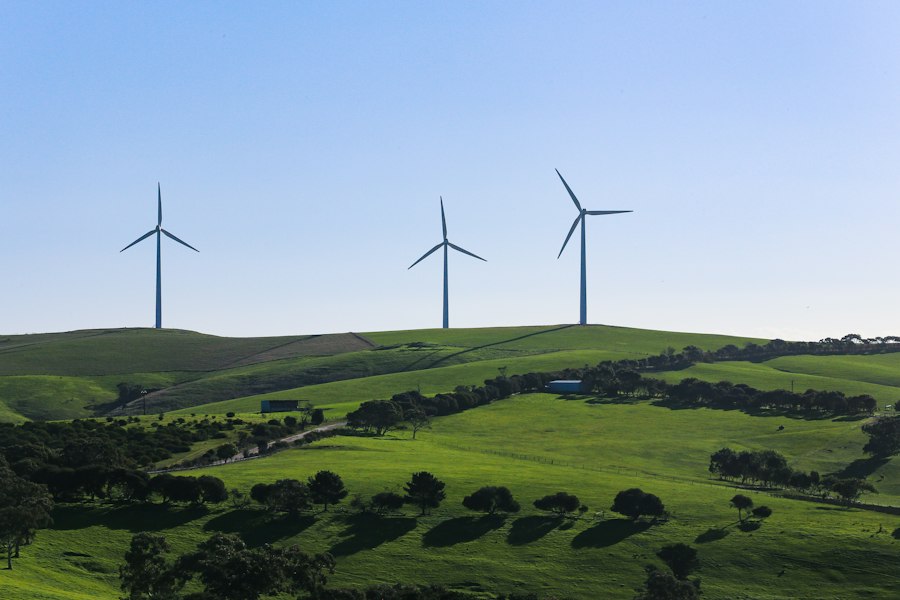
Automation isn’t just about speeding things up; it’s also about doing things more efficiently, which often translates to less energy.
Security Orchestration, Automation, and Response (SOAR)
SOAR platforms are critical for green cyber defense. By automating repetitive tasks, incident response playbooks, and threat intelligence ingestion, SOAR reduces the need for human intervention in routine processes. Each automated task that a machine performs instead of a human-driven, manual process saves human time and computational resources.
For instance, an automated triage workflow can quickly identify and remediate low-severity alerts without consuming the resources of a highly paid analyst or keeping complex analysis systems running unnecessarily. This frees up analysts for more complex investigations and allows systems to be scaled down during quieter periods.
Intelligent Alert Suppression and Prioritization
Alert fatigue is a real problem in SOCs, leading to burnout and missed threats. It also leads to wasted computational resources. Too many low-fidelity alerts require processing, storage, and often human review. Implementing intelligent alert suppression and prioritization mechanisms – often powered by machine learning – can dramatically reduce the noise.
By focusing only on high-fidelity, actionable alerts, you reduce the overall data volume processed by downstream systems and the time analysts spend sifting through irrelevant information. This translates directly to less processing power needed for irrelevant data.
Automated Threat Hunting and Vulnerability Management
Automating aspects of threat hunting and vulnerability management can also lead to energy savings. Instead of continuous, resource-intensive scans, scheduled, targeted scans based on threat intelligence or known vulnerabilities can be more efficient.
Automated tools can also prioritize vulnerabilities based on actual threat exposure and potential impact, allowing for a more focused remediation effort rather than a blanket approach that might consume unnecessary resources. By proactively identifying and patching vulnerabilities, you reduce the likelihood of an incident, which in turn prevents the energy-intensive incident response process.
Shifting Security Left: Proactive Measures
The ultimate green security strategy is to prevent problems before they even start. An ounce of prevention truly is worth a pound of cure – and a lot of kilowatt-hours.
Secure by Design Principles
Incorporating security considerations from the very beginning of the software development lifecycle (SDLC) is fundamental. Building applications and systems with security in mind reduces vulnerabilities, making them inherently more resilient to attacks. A system that’s harder to compromise requires less intensive monitoring and fewer reactive security measures, thereby reducing the ongoing energy footprint of security operations. This includes secure coding practices, regular security testing (SAST/DAST), and threat modeling. Less re-work due to security flaws also translates to less development server energy consumption and less data recreation.
Employee Awareness and Training
Humans are often the weakest link in the security chain, but they can also be your strongest defense. Well-trained employees who understand phishing, social engineering, and safe computing practices can prevent many incidents before they escalate. Each avoided incident is not just a win for security, but also an energy saving. Think of the computational power saved by not having to run forensic tools, restore systems, or process incident logs because an employee didn’t click on a malicious link.
Regular, engaging training programs are a highly effective, low-energy security control.
Proactive Threat Intelligence and Patch Management
Staying ahead of threats through robust threat intelligence and diligent patch management minimizes your attack surface. By understanding emerging threats and patching vulnerabilities promptly, you reduce the chances of a successful attack. This proactive approach means your detection and response systems aren’t constantly barraged by easily preventable threats, allowing them to operate more efficiently and focus on sophisticated attacks. It’s about reducing the overall workload on your security infrastructure. Every successful patch means one less vulnerability for attackers to exploit, and one less potential incident requiring energy-intensive remediation.
In the quest for sustainable cybersecurity solutions, the concept of Green Cyber Defense is gaining traction as organizations strive to balance high-performance security operations with low energy consumption. This approach not only enhances the efficiency of security measures but also aligns with broader environmental goals. For those interested in exploring how technology can support greener practices, a related article discusses various tools and strategies for optimizing digital content management, which can indirectly contribute to energy savings in cybersecurity efforts. You can read more about it in this comprehensive guide on social media content software.
Measuring and Reporting on Green Security Efforts
| Metric | Description | High-Performance Security Operations | Low Energy Consumption | Balanced Approach |
|---|---|---|---|---|
| Energy Usage (kWh) | Amount of electrical energy consumed per day | 150 | 50 | 80 |
| Threat Detection Rate (%) | Percentage of threats accurately detected | 98 | 85 | 93 |
| Response Time (seconds) | Average time to respond to a security incident | 5 | 15 | 8 |
| Carbon Footprint (kg CO2/day) | Estimated carbon emissions from operations | 120 | 40 | 65 |
| System Uptime (%) | Percentage of time systems are operational | 99.9 | 98.5 | 99.5 |
| Operational Cost (units) | Relative operational cost index | 100 | 60 | 75 |
| Hardware Utilization (%) | Efficiency of hardware resource usage | 90 | 70 | 85 |
You can’t manage what you don’t measure. To truly implement green cyber defense, you need to understand its impact.
Establishing Baseline Energy Consumption
Before you can improve, you need to know where you stand. Establish baseline energy consumption figures for your security infrastructure. This might involve using power monitoring units (PDUs) in your data centers, leveraging cloud provider cost and usage reports, or estimating based on hardware specifications and operational hours. Break down consumption by different security tools or functional areas if possible. This baseline will be your benchmark for measuring future improvements.
Key Performance Indicators (KPIs) for Green Security
Define specific KPIs to track your progress. These could include:
- Energy consumption per security incident: A lower number indicates more efficient incident handling.
- Energy consumption per protected asset: Helps benchmark efficiency across your environment.
- Reduction in power usage effectiveness (PUE) for security-dedicated data centers/racks: If you control the physical infrastructure.
- Percentage reduction in data processed by SIEM: Due to filtering and optimization.
- Uptime of energy-efficient hardware/software: Measuring the effectiveness of your optimized infrastructure.
- Cost savings related to energy reduction: A direct financial benefit that demonstrates the value.
Regular Auditing and Improvement Cycles
Green cyber defense isn’t a one-time project; it’s an ongoing journey. Regularly audit your security infrastructure and processes for energy efficiency. Are new tools being deployed without considering their energy footprint? Are old, inefficient systems still running unnecessarily? Are your cloud resources right-sized? Use the KPIs to identify areas for improvement, implement changes, and then measure their impact. This continuous improvement cycle ensures that your security operations remain both high-performing and environmentally responsible. Engaging with vendors about their energy efficiency roadmaps for their security products can also be a valuable part of this process.
FAQs
What is Green Cyber Defense?
Green Cyber Defense refers to the practice of implementing high-performance security operations while minimizing energy consumption and reducing the environmental impact of cybersecurity activities.
How can organizations balance high-performance security operations with low energy consumption?
Organizations can achieve a balance between high-performance security operations and low energy consumption by adopting energy-efficient hardware, optimizing software configurations, implementing virtualization technologies, and utilizing renewable energy sources.
What are the benefits of implementing Green Cyber Defense strategies?
The benefits of implementing Green Cyber Defense strategies include reduced energy costs, lower carbon footprint, increased operational efficiency, improved sustainability practices, and enhanced corporate social responsibility.
What are some examples of energy-efficient practices in cybersecurity operations?
Examples of energy-efficient practices in cybersecurity operations include using power-saving settings on devices, consolidating servers through virtualization, leveraging cloud services for scalability, and monitoring energy usage to identify areas for improvement.
How can organizations measure the effectiveness of their Green Cyber Defense initiatives?
Organizations can measure the effectiveness of their Green Cyber Defense initiatives by tracking energy consumption before and after implementing energy-saving measures, conducting regular audits of environmental impact, monitoring key performance indicators related to energy efficiency, and seeking certifications for sustainable practices.
Enjoying our content? Make us a preferred source on Google:
Add us as a Preferred Source on Google