

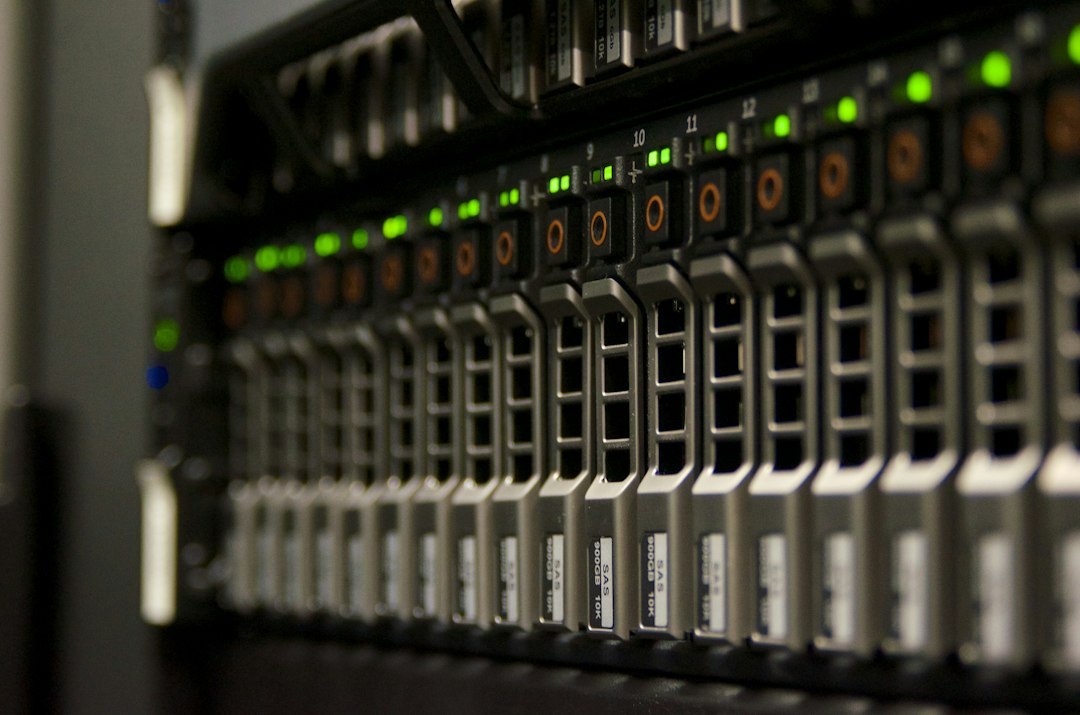
Multi-Access Edge Computing (MEC) and 5G are two technologies that are practically inseparable when you’re talking about building infrastructure with ultra-low latency. Simply put, 5G provides the super-fast, reliable pipes, and MEC brings the computing power much closer to where that data is being generated and consumed. This combination is what unlocks a whole new world of applications that demand immediate responses, like augmented reality, autonomous vehicles, and industrial automation. Without both working together, these advanced applications wouldn’t be able to function effectively, or in some cases, at all.
Why Latency Matters: The Need for Speed
Latency, in simple terms, is the delay between when a command is sent and when it’s received or acted upon. Think of it like the time it takes for you to hit a light switch and the light actually turning on. In the digital world, even tiny delays can have huge impacts, especially for certain applications.
The Problem with Cloud Latency
Traditionally, most of our heavy-duty computing happens in large, centralized data centers – the cloud. While incredibly powerful and scalable, these data centers are often geographically distant from the end-users or devices. Data has to travel a considerable distance, often bouncing through multiple network nodes, before it reaches the cloud for processing and then travels all the way back. This round trip introduces what’s known as “backhaul latency.” For many applications, like checking your email or streaming a movie, this isn’t a big deal. A few hundred milliseconds won’t ruin your experience.
When Milliseconds Count
However, for a growing number of applications, those milliseconds are critical. Imagine an autonomous vehicle needing to decide whether to brake or swerve based on real-time sensor data. A delay of even 50-100 milliseconds could be the difference between avoiding an accident and causing one. Similarly, in remote surgery, a surgeon’s precise movements being delayed by even a fraction of a second could have serious consequences. These are the kinds of scenarios where traditional cloud latency simply won’t cut it. Other examples include:
- Augmented and Virtual Reality (AR/VR): For an immersive and comfortable experience, AR/VR applications need extremely low latency to avoid motion sickness and maintain a sense of presence. If your virtual environment lags behind your head movements, it’s a jarring and unpleasant experience.
- Industrial Automation (Industry 4.0): Factories are becoming increasingly automated and interconnected. Robots working together, precision machinery, and quality control systems all rely on real-time data processing to operate efficiently and safely.
- Smart Cities: Traffic management, public safety, and environmental monitoring systems often need to react instantly to unfolding events, such as adjusting traffic lights based on live traffic flow or alerting emergency services to an incident.
- Gaming: While not life-critical, competitive online gaming demands very low latency for a fair and responsive experience. High ping times can ruin a game.
This is precisely where the combination of MEC and 5G steps in, designed to drastically reduce these delays by bringing computation much closer to the source of data.
In the context of Multi-Access Edge Computing (MEC) and 5G, the need for ultra-low latency infrastructure is becoming increasingly critical as industries seek to enhance their operational efficiency and user experiences. A related article that delves into the importance of innovative engineering processes in the face of technological challenges can be found at this link. It explores how rethinking engineering methodologies can provide the necessary agility and responsiveness required for the successful implementation of MEC and 5G technologies.
Key Takeaways
- The training data includes information and events up to October 2023.
- Insights and knowledge are based on a wide range of sources available until the cutoff date.
- No updates or developments occurring after October 2023 are included in the training.
- Users should verify current information from reliable sources for the latest updates.
- The model’s responses reflect the context and knowledge available up to the specified date.
Understanding Multi-Access Edge Computing (MEC)
MEC, formerly known as Mobile Edge Computing, is an architectural concept that brings cloud computing capabilities and an IT service environment to the edge of the network, closer to mobile subscribers and data sources. Think of it as miniature data centers or specialized servers located at cellular base stations, network aggregation points, or even enterprise premises.
What MEC Is (and Isn’t)
MEC isn’t about replacing the cloud entirely.
Instead, it complements the cloud by handling specific, latency-sensitive tasks locally.
It’s about distributed intelligence. Some data still needs to go to the centralized cloud for long-term storage, complex analytics, or less time-critical processing. MEC focuses on the immediate, often ephemeral, data that needs quick decisions.
For instance, an autonomous vehicle might process raw sensor data at the edge to quickly identify obstacles and make immediate driving decisions. More complex route planning or software updates, however, might still be handled by a centralized cloud system.
Key Characteristics of MEC
MEC deployments share several common traits that make them ideal for low-latency applications:
- Proximity: This is the most crucial characteristic. MEC servers are physically located very close to the data sources, significantly shortening the network path and reducing latency.
- Low Latency: As a direct result of proximity, MEC drastically cuts down the round-trip time for data.
- High Bandwidth: By processing data closer to the source, MEC can reduce the amount of data that needs to travel back to the core network, potentially alleviating congestion and allowing for higher effective bandwidth for edge applications.
- Real-time Data Processing: MEC environments are designed for quick, on-the-spot analysis and decision-making.
- Context Awareness: Being close to the users and devices, MEC platforms can leverage local context (like location, network conditions, and user preferences) to deliver more personalized and relevant services.
- Resource Optimization: By offloading processing from user devices and reducing backhaul traffic, MEC can optimize resource utilization both on the device and in the core network.
Components of a MEC System
A typical MEC architecture involves several key components working together:
- MEC Host: This is the physical server or compute infrastructure located at the edge. It hosts the MEC platform and applications.
- MEC Platform: Software running on the MEC host that provides the necessary environment for edge applications. This includes virtualization capabilities, APIs for network interaction, and management functions.
- MEC Applications: These are the actual software programs that run on the MEC platform, performing tasks like video analytics, data aggregation, or localized AI inference.
- MEC Orchestrator: This component manages the MEC hosts, platforms, and applications across the entire edge network. It helps with deployment, scaling, and lifecycle management of edge services.
- Network Elements: These include the 5G base stations, routers, and switches that connect the edge devices to the MEC hosts and the broader network.
The interplay of these components creates a robust ecosystem capable of delivering high-performance, low-latency services right where they’re needed most.
5G: The Enabler for Edge Computing
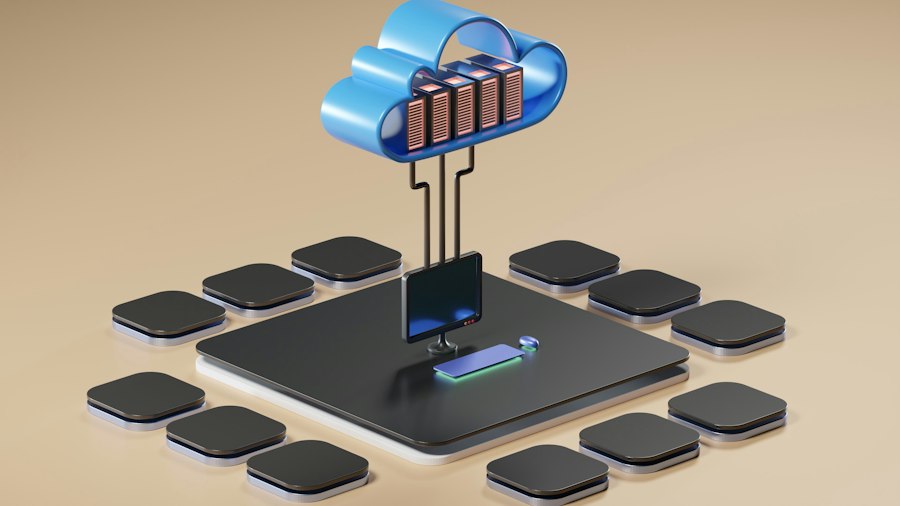
While MEC provides the computational muscle at the edge, 5G is the high-speed, low-latency communication backbone that makes it truly shine. Without 5G’s capabilities, the benefits of MEC would be severely limited, as data would still bottleneck on its way to and from the edge servers.
The Pillars of 5G that Support MEC
5G isn’t just about faster download speeds; it’s a fundamental architectural shift that offers three main pillars, all crucial for MEC:
- Enhanced Mobile Broadband (eMBB): This pillar focuses on delivering significantly higher data speeds and capacity. Think gigabit-per-second speeds, which are vital for transferring large amounts of data to and from edge servers, such as high-resolution video streams from surveillance cameras or complex sensor data from industrial machinery.
- Ultra-Reliable Low-Latency Communications (URLLC): This is the game-changer for many MEC applications.
URLLC aims for incredibly low latency (often below 10 milliseconds) and extremely high reliability (up to 99.999% availability). This is critical for applications like autonomous driving, remote surgery, and real-time industrial control, where even tiny delays or packet losses can have severe consequences. URLLC ensures that data gets to and from the MEC server quickly and reliably, allowing for real-time decision-making.
- Massive Machine Type Communications (mMTC): While not directly about latency, mMTC is important for MEC because it enables the connection of a vast number of IoT devices.
These devices often generate the data that MEC processes. mMTC ensures that billions of sensors and actuators can reliably connect to the network, sending their data to nearby MEC nodes for immediate analysis.
How 5G and MEC Work Together
Consider the synergy:
- 5G’s low latency ensures that data from an end device (like an AR headset or an industrial robot) can reach the nearby MEC server with minimal delay.
- The MEC server processes this data almost instantly, performing complex computations or AI inference.
- 5G’s high bandwidth then quickly sends the results or commands back to the device, or transmits aggregated data further up to the core cloud if needed.
Without 5G’s URLLC, data would still take too long to travel to the MEC server, negating much of the benefit of its proximity. Without eMBB, moving large datasets for processing at the edge would be slow.
They are, in essence, two sides of the same coin, each amplifying the capabilities of the other.
Architecting for Ultra-Low Latency: Design Considerations
Building an infrastructure that leverages MEC and 5G for ultra-low latency isn’t just about plugging in new hardware. It requires careful planning and architectural decisions to truly maximize the benefits.
Strategic Placement of MEC Nodes
The physical location of MEC servers is paramount. It directly impacts the latency performance.
- Network Edge: Placing MEC nodes at cellular base stations (gNBs in 5G) or central offices (COs) brings computation closest to the end-users and devices in a public network. This is ideal for applications requiring very broad coverage and direct access to radio network capabilities.
- Enterprise Premises: For specific industrial or enterprise applications, deploying MEC directly on-site (e.g., in a factory, hospital, or warehouse) can provide the absolute lowest latency and strongest security, as data often doesn’t even need to leave the local network. This is often called “private edge” or “on-premise edge.”
- Regional Aggregation Points: In some cases, MEC nodes might be placed at regional data centers or aggregation points, serving a slightly larger geographical area but still closer than a distant central cloud. This offers a balance between proximity and broader resource sharing.
The choice of placement depends heavily on the specific application’s latency requirements, geographical scope, and security needs.
Software Defined Networking (SDN) and Network Function Virtualization (NFV)
These technologies are critical enablers for the flexible and dynamic nature required by MEC and 5G.
- SDN: By decoupling the network control plane from the data plane, SDN allows for programmable and automated network management. This means network paths can be dynamically optimized to direct traffic to the closest and most appropriate MEC node, or to provision dedicated bandwidth for critical low-latency applications. It makes the network more agile and responsive.
- NFV: This involves virtualizing network functions (like routers, firewalls, load balancers, etc.) that traditionally ran on dedicated hardware. With NFV, these functions can run as software on standard servers, including MEC hosts. This enables greater flexibility, reduces hardware costs, and allows for dynamic scaling of network services at the edge as demand fluctuates. For example, a virtualized firewall can be spun up on a MEC host to secure traffic for an enterprise application.
Together, SDN and NFV create a highly agile, programmable, and efficient network infrastructure that can adapt to the diverse and dynamic needs of edge computing applications.
Orchestration and Automation
Managing a distributed network of MEC nodes and applications, alongside a complex 5G core, would be a nightmare without robust orchestration and automation tools.
- Service Orchestration: This involves automating the deployment, scaling, and management of edge applications and network services. An orchestrator can decide where best to deploy a particular application instance (e.g., on which MEC host) based on latency requirements, available resources, and network conditions.
- Network Slice Management: 5G introduces the concept of network slicing, where a single physical network can be virtually partitioned into multiple independent logical networks, each tailored to specific service requirements. An orchestrator can manage these slices, ensuring that ultra-low latency applications get their dedicated, optimized slice from the end device to the MEC server.
- Closed-Loop Automation: This involves continuous monitoring of network and application performance, with automated adjustments made based on predefined policies. For example, if latency for a critical application starts to creep up, the system could automatically migrate it to a less congested MEC host or allocate more network resources.
Automation reduces operational complexity, minimizes human error, and ensures that the low-latency infrastructure remains performing optimally around the clock.
Security at the Edge
Distributing computing resources to the edge introduces new security challenges. Each MEC node becomes a potential entry point or attack surface.
- Physical Security: MEC hosts, especially those deployed in less controlled environments (like street cabinets), require robust physical security measures to prevent tampering or theft.
- Network Segmentation: Implementing strong network segmentation at the edge helps isolate different applications and services, preventing a compromise in one area from spreading across the entire network.
- Identity and Access Management (IAM): Rigorous IAM policies are essential to ensure that only authorized users and devices can access MEC resources and data.
- Data Encryption: Encrypting data both in transit (using protocols like TLS/SSL over 5G) and at rest on MEC servers is crucial to protect sensitive information.
- Threat Detection and Response: Deploying security tools like intrusion detection/prevention systems (IDS/IPS) and security information and event management (SIEM) solutions at the edge helps detect and respond to threats quickly.
- Zero Trust Architecture: Adopting a Zero Trust approach, where no entity (user, device, or application) is inherently trusted, and all access requests are verified, is increasingly important for securing distributed edge environments.
Securing the edge is a complex, multi-layered endeavor that needs to be considered from the very outset of architectural design.
Multi-Access Edge Computing (MEC) is becoming increasingly vital in the context of 5G networks, as it enables ultra-low latency infrastructure that enhances user experiences across various applications. A related article discusses the importance of edge computing in optimizing network performance and reducing latency, which is crucial for real-time applications. For more insights on this topic, you can read the article on Screpy Reviews 2023, where the intersection of edge technology and modern networking solutions is explored in detail.
Emerging Applications and Use Cases
| Metric | Description | Typical Value | Impact on MEC and 5G |
|---|---|---|---|
| Latency | Time delay for data to travel from source to destination | 1-10 ms (5G MEC target) | Critical for real-time applications like AR/VR, autonomous vehicles |
| Bandwidth | Data transfer capacity of the network | Up to 10 Gbps (5G peak) | Supports high data rate applications and edge analytics |
| Edge Server Density | Number of MEC servers per square kilometer | 10-50 servers/km² | Higher density reduces latency and improves service availability |
| Compute Capacity | Processing power available at the edge | Up to several TFLOPS per server | Enables complex AI and data processing at the edge |
| Network Slicing | Partitioning of network resources for specific services | Multiple slices per network | Ensures QoS and resource allocation for ultra-low latency apps |
| Jitter | Variation in packet delay | Maintains smooth performance for interactive applications | |
| Reliability | Probability of successful data delivery | 99.999% (5G URLLC) | Essential for mission-critical edge applications |
The powerful synergy of MEC and 5G is not just theoretical; it’s enabling a wide array of transformative applications across various industries.
Autonomous Vehicles and Smart Transportation
This is perhaps one of the most compelling use cases for ultra-low latency.
- Vehicle-to-Everything (V2X) Communication: Autonomous cars need to communicate with each other (V2V), with traffic infrastructure (V2I like traffic lights), and with pedestrians (V2P) in real-time. MEC can process sensor data from vehicles and infrastructure locally to provide immediate alerts about hazards, optimize traffic flow, or coordinate platooning of vehicles.
- Real-time HD Mapping: Vehicles can upload live sensor data to a nearby MEC node, which can then update high-definition maps in real-time, providing other vehicles with the most current road conditions, construction zones, or accident sites.
- Edge-based AI for Decision Making: Instead of sending all raw sensor data to a distant cloud, MEC can host AI models that process camera feeds, lidar, and radar data instantly to detect objects, predict trajectories, and make critical driving decisions within milliseconds.
The safety and efficiency of future transportation systems heavily rely on this MEC-5G combination.
Industrial Automation and Industry 4.0
Factories are transforming into smart, interconnected environments, and ultra-low latency is key.
- Real-time Robotics Control: In advanced manufacturing, robots need to perform precise movements and interact safely with humans or other machines. MEC allows for local processing of control signals and sensor feedback, ensuring immediate and accurate robot operations, critical for collaborative robotics and high-precision tasks.
- Predictive Maintenance: Sensors on machinery generate vast amounts of data. MEC can process this data locally to identify anomalies and predict potential equipment failures in real-time, allowing for proactive maintenance and preventing costly downtime.
- Augmented Reality for Workers: AR headsets can overlay digital information onto a worker’s view of a machine, providing instructions for assembly, maintenance, or quality control. MEC ensures that this AR content updates instantly as the worker moves or interacts, maintaining a seamless and helpful experience.
- Quality Control: High-speed cameras capture images of products on an assembly line. MEC can host AI-powered vision systems that instantly analyze these images for defects, removing faulty items without slowing down the production line.
These applications drive efficiency, safety, and productivity in industrial settings.
Immersive Experiences: AR/VR and Cloud Gaming
For truly immersive digital experiences, latency is the ultimate killer.
- AR/VR Offloading: High-fidelity AR/VR content requires significant processing power, often more than what mobile headsets can comfortably provide on their own without becoming heavy or hot. MEC allows some of this rendering and computation to be offloaded to the edge server. The headset sends its sensor data (head movements, hand gestures) to the MEC, which renders the scene and streams it back to the headset with minimal delay, providing a more powerful and untethered experience.
- Cloud Gaming: For graphically intensive games, MEC can host game servers closer to players. This dramatically reduces “ping” times, making cloud gaming much more responsive and enjoyable, almost indistinguishable from playing on a local console or PC. This democratizes access to high-end gaming without needing expensive local hardware.
The combination makes AR/VR more comfortable and widespread, and cloud gaming a viable option for many.
Smart Cities and Public Safety
MEC and 5G can make urban environments safer and more efficient.
- Real-time Traffic Management: Cameras and sensors at intersections can feed data to MEC nodes, which can analyze traffic flow, identify congestion, and dynamically adjust traffic light timings in real-time to optimize vehicle movement.
- Public Safety and Surveillance: AI-powered video analytics running on MEC nodes can detect anomalies (e.g., unattended packages, unusual crowd behavior, or even aggressive driving) from public surveillance cameras and immediately alert authorities, without having to send all video streams to a central cloud.
- Environmental Monitoring: Sensors detecting air quality, noise levels, or water pollution can send data to MEC for local analysis and immediate alerts if thresholds are exceeded.
These applications enhance urban living and emergency response capabilities.
In the context of Multi-Access Edge Computing and 5G, the importance of ultra-low latency infrastructure cannot be overstated, as it plays a crucial role in enhancing user experiences across various applications. A related article that delves into the latest technological advancements and their implications can be found at this link, which discusses how cutting-edge devices are optimized for such environments. By leveraging these innovations, industries can unlock new possibilities and drive efficiency in their operations.
The Road Ahead: Challenges and Evolution
While the potential of MEC and 5G is immense, deploying and managing such a sophisticated infrastructure comes with its own set of challenges and will undoubtedly evolve over time.
Deployment and Operational Complexity
Building a distributed edge infrastructure is not a trivial undertaking.
- Heterogeneous Environments: MEC deployments will involve a mix of hardware and software from various vendors, different physical locations (public, private, indoor, outdoor), and varying network conditions. Managing this heterogeneity can be complex.
- Scalability Challenges: While individual MEC nodes are smaller, collectively, the sheer number of potential edge sites (thousands, even millions, of cell towers, factories, etc.) poses significant scaling challenges for deployment, configuration, and maintenance.
- Integration with Existing Systems: Integrating MEC with existing core network infrastructure, cloud platforms, and enterprise IT systems requires careful planning and standardization.
- Skills Gap: There’s a growing need for engineers and architects with expertise in distributed systems, 5G networking, cloud-native technologies, and edge computing.
Overcoming these complexities will require robust automation tools, standardized interfaces, and a collaborative ecosystem.
Standardization and Interoperability
For MEC to truly flourish, a high degree of standardization and interoperability is essential.
- ETSI MEC: The European Telecommunications Standards Institute (ETSI) MEC Industry Specification Group (ISG) has been instrumental in defining the architecture and APIs for MEC. Continued adherence to these standards is crucial.
- API Standardization: Standardized APIs for interacting with MEC platforms, network functions, and orchestrators will allow applications to be developed once and deployed across different MEC environments from various vendors and operators.
- Open Source Initiatives: Projects like Open Edge Computing and Akraino are contributing to open-source MEC platforms and frameworks, fostering innovation and reducing vendor lock-in.
Without common standards, deploying and managing edge applications across diverse networks would become extremely fragmented and inefficient.
Energy Efficiency and Sustainability
With computing power distributed closer to the edge, energy consumption becomes an important consideration.
- Powering Edge Nodes: Many MEC nodes might be deployed in remote locations or street furniture where power access can be challenging or costly. Designing energy-efficient hardware and software is paramount.
- Cooling Requirements: While smaller than data centers, MEC nodes still generate heat and require effective cooling, especially in outdoor or non-climate-controlled environments.
- Green Software Development: Developing edge applications with energy efficiency in mind, optimizing resource utilization, and intelligently scheduling workloads can contribute to sustainability goals.
The environmental impact of widespread edge computing needs to be carefully managed to ensure its long-term viability.
Evolving Business Models and Ecosystem
The deployment of MEC and 5G will fundamentally alter how services are delivered and consumed, leading to new business models and ecosystems.
- New Revenue Streams for Operators: Telco operators can offer MEC as a platform-as-a-service (PaaS) to enterprises and application developers, providing them with low-latency computing resources and network capabilities.
- Edge as a Service: Third-party providers might offer specialized edge services, leveraging operator infrastructure to deliver tailored solutions for specific industries.
- Application Development at the Edge: A new breed of developers will emerge, specializing in building applications that are optimized for the distributed and resource-constrained nature of edge environments.
- Collaboration: Deep collaboration between telecommunications companies, cloud providers, enterprise IT, and vertical industry players will be essential to unlock the full potential of MEC.
The shift towards a distributed, intelligent edge marks a significant evolution in network and computing architecture, promising to unlock innovations that were previously constrained by the limitations of centralized cloud processing and traditional network latency.
FAQs
What is Multi-Access Edge Computing (MEC) in the context of 5G?
Multi-Access Edge Computing (MEC) is a network architecture concept that enables cloud computing capabilities and an IT service environment at the edge of the cellular network. It brings computation and data storage closer to the user to reduce latency and improve user experience, especially in 5G networks.
How does Multi-Access Edge Computing contribute to ultra-low latency in 5G networks?
MEC reduces latency in 5G networks by processing data closer to the end-user, at the edge of the network. By bringing computing resources closer to where data is generated, MEC minimizes the time it takes for data to travel back and forth between the user and the cloud, resulting in ultra-low latency.
What are the key benefits of architecting ultra-low latency infrastructure with Multi-Access Edge Computing in 5G?
Architecting ultra-low latency infrastructure with MEC in 5G networks offers benefits such as improved real-time application performance, enhanced user experience, reduced network congestion, increased security and privacy, and support for emerging technologies like IoT and autonomous vehicles.
How does Multi-Access Edge Computing enhance the deployment of Internet of Things (IoT) devices in 5G networks?
MEC enhances the deployment of IoT devices in 5G networks by providing localized data processing and storage capabilities at the network edge. This reduces latency for IoT applications, improves scalability, enables real-time data analytics, and supports the massive connectivity requirements of IoT devices.
What are some use cases where Multi-Access Edge Computing and 5G can revolutionize industries?
MEC and 5G can revolutionize industries such as healthcare, manufacturing, transportation, gaming, and smart cities. For example, in healthcare, MEC can enable real-time remote patient monitoring and telemedicine services, while in manufacturing, it can support predictive maintenance and automation. In transportation, MEC can enhance traffic management and autonomous vehicle operations, and in gaming, it can enable low-latency cloud gaming experiences. Smart cities can benefit from MEC by improving public services, traffic flow, and energy efficiency.
Enjoying our content? Make us a preferred source on Google:
Add us as a Preferred Source on Google