

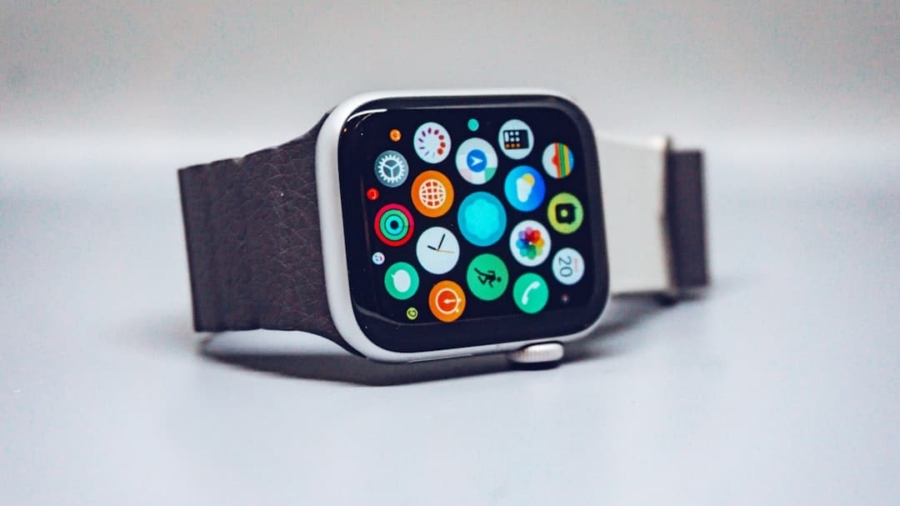
It’s no secret that technology is changing how we manage our health. Next-generation smartwatches are increasingly becoming a valuable tool for monitoring chronic conditions, offering more than just step counting or heart rate checks. They can provide a continuous, detailed stream of data that helps individuals and their care teams stay on top of conditions like diabetes, cardiovascular disease, and even some neurological disorders. This isn’t just about convenience; it’s about better insights and more proactive management.
Traditional smartwatches, while useful, often had limitations in medical-grade accuracy and continuous monitoring. The ‘next-gen’ label refers to a significant leap in sensor technology, data processing, and integration capabilities.
Enhanced Sensor Technology
This is where the real magic happens. We’re moving beyond basic optical heart rate sensors.
ECG Capabilities on Your Wrist
Many newer smartwatches come equipped with an electrocardiogram (ECG) sensor. This allows them to detect signs of atrial fibrillation (AFib), an irregular heart rhythm that can increase the risk of stroke. While not a replacement for a clinical ECG, it offers early warning and valuable data for your doctor.
Blood Oxygen Saturation (SpO2) Monitoring
Keeping an eye on your blood oxygen levels can be crucial for conditions like COPD or asthma. SpO2 sensors, often using pulse oximetry technology, are becoming standard, providing insights into respiratory function and overall health.
Advanced Heart Rate Variability (HRV)
HRV isn’t just about your heart rate; it’s about the variations between each beat. This can be an indicator of stress levels, recovery, and even underlying health issues. Next-gen watches are getting much better at tracking and interpreting HRV.
Skin Temperature Sensors
While not yet as common as SpO2, some advanced smartwatches are incorporating skin temperature sensors. These can potentially detect early signs of illness, track menstrual cycles more accurately, and help understand sleep patterns.
Smarter Data Processing and AI Integration
It’s not just about collecting data; it’s about making sense of it.
On-Device Analytics
More powerful processors in these watches mean that some data analysis can happen directly on the device, providing real-time feedback without needing to constantly rely on a phone.
Predictive Algorithms
With enough data, AI and machine learning algorithms can start to identify patterns and predict potential issues before they become critical. For example, consistent changes in sleep patterns, heart rate, and temperature might indicate an impending illness or a worsening of a chronic condition.
Personalized Baselines
Instead of generic “healthy ranges,” these watches can learn your individual baseline over time, making deviations more noticeable and meaningful.
Improved Battery Life and Comfort
For continuous monitoring, a watch needs to last and be comfortable enough to wear day and night.
Extended Battery Runtimes
Manufacturers are pushing the boundaries of battery life, with some watches now offering multiple days or even a week on a single charge, making continuous monitoring more practical.
Ergonomic Designs
Lighter materials and refined designs mean these watches are less intrusive, encouraging users to wear them consistently, which is key for gathering comprehensive data.
Monitoring chronic conditions with next-generation smartwatches is becoming increasingly important in the realm of healthcare technology. These devices not only track vital signs but also provide real-time data that can help manage various health issues more effectively. For those interested in exploring how technology is transforming retail and consumer experiences, a related article on the innovative concept of BOPIS (Buy Online, Pick Up In Store) can be found here: What is BOPIS and How Does It Work?. This article delves into the integration of technology in everyday transactions, highlighting the broader impact of tech advancements across different sectors.
Key Takeaways
- Clear communication is essential for effective teamwork
- Active listening is crucial for understanding team members’ perspectives
- Setting clear goals and expectations helps to keep the team focused
- Regular feedback and open communication can help address any issues early on
- Celebrating achievements and milestones can boost team morale and motivation
How They Help Manage Specific Chronic Conditions
The real benefit of these smartwatches lies in their ability to provide actionable insights for various health challenges.
Cardiovascular Health Monitoring
This is perhaps where smartwatches have made the biggest strides.
AFib Detection and Management
The ability to perform an on-demand ECG or even detect irregular rhythms in the background is a game-changer. For individuals with a high risk of AFib, this can lead to earlier diagnosis and treatment, potentially preventing strokes.
Blood Pressure Trends (Emerging)
While still in early stages and facing regulatory hurdles, some smartwatches are starting to integrate blood pressure monitoring, either through optical sensors or cuff-based attachments. This promises continuous tracking of a critical metric for hypertension management.
Heart Rate Zone Training and Recovery
For those managing cardiovascular conditions through exercise, smartwatches provide real-time heart rate data, helping them stay within safe training zones and monitoring recovery times.
The advent of next-generation smartwatches has significantly transformed the way we monitor chronic conditions, offering real-time health data and personalized insights. In a related article, the discussion on how these devices are enhancing connectivity highlights their role in fostering better communication between patients and healthcare providers. This seamless integration not only empowers individuals to take charge of their health but also facilitates timely interventions when necessary. For more insights on this topic, you can read the article on how smartwatches are enhancing connectivity here.
Diabetes Management Support
While not directly measuring blood glucose, smartwatches can play a supportive role in diabetes management.
Activity and Sleep Tracking
Consistent exercise and good sleep are fundamental to managing blood sugar. Smartwatches provide detailed logs of activity levels and sleep patterns, helping individuals and their doctors understand these lifestyle factors’ impact on blood glucose.
Medication Reminders
Many smartwatch apps can be set to provide discreet, timely reminders for taking medication, which is crucial for adherence in diabetes management.
Stress Level Monitoring
Stress can significantly impact blood sugar levels. By tracking HRV and other physiological markers, smartwatches can help users identify and manage stress, indirectly supporting glucose control.
Respiratory Condition Assistance
For conditions like asthma or COPD, continuous monitoring offers a new layer of insight.
SpO2 Monitoring During Activity and Sleep
Regularly checking blood oxygen levels can provide early warnings of exacerbations or indicate when activity levels need to be adjusted. Monitoring SpO2 during sleep can also flag potential issues like sleep apnea, which often co-occurs with respiratory conditions.
Activity Level Pacing
For individuals with breathing difficulties, understanding their activity levels and how they correlate with their symptoms or SpO2 can help them pace themselves and avoid overexertion.
Neurological Monitoring (Limited but Growing)
While less direct than cardiac monitoring, smartwatches are starting to show promise in this area.
Tremor Detection and Analysis (Parkinson’s)
Some research and experimental features are exploring the use of accelerometer data to detect and quantify tremors in conditions like Parkinson’s disease, offering a non-invasive way to track disease progression and medication effectiveness.
Sleep Disturbance Patterns
For conditions like epilepsy or restless leg syndrome, sleep patterns can be a critical indicator. Smartwatches can meticulously track sleep stages, disturbances, and overall quality, providing valuable data for neurologists.
Fall Detection for Fragile Individuals
While not strictly a chronic condition monitor, the fall detection feature found in many smartwatches is invaluable for individuals with neurological issues that increase their fall risk, providing immediate alerts to emergency contacts or services.
The Practicalities: Integration and Data Sharing

Having all this data is great, but its real power comes from how it’s used.
Seamless App Integration
Most smartwatches integrate with companion apps on smartphones, offering a richer, more detailed view of the collected data. These apps often provide trend analysis, historical data, and customizable dashboards.
Sharing Data with Healthcare Providers
This is a critical step. Many platforms are developing secure ways for users to share their smartwatch data directly with their doctors or care teams.
This allows clinicians to see a broader picture of a patient’s health outside of clinic visits.
Patient Portals
Integration with existing electronic health record (EHR) systems via patient portals is a growing area, allowing data from personal devices to flow directly into a patient’s medical file.
Telemedicine Consultations
During virtual appointments, having access to real-time and historical smartwatch data can significantly enhance the quality of remote care, allowing doctors to make more informed decisions without a physical examination.
User Empowerment and Self-Management
One of the biggest benefits is putting more control into the hands of the individual.
Increased Health Awareness
By seeing their own physiological data, users become more aware of their body’s responses to daily activities, stress, and lifestyle choices.
Proactive Symptom Recognition
Consistent monitoring can help individuals identify subtle changes or early symptoms of their chronic condition, allowing them to seek intervention sooner rather than later.
Motivation for Lifestyle Changes
Seeing tangible data related to exercise, sleep, and stress can be a powerful motivator for sticking to healthy habits and making necessary lifestyle adjustments.
Important Considerations and Limitations

While next-gen smartwatches offer incredible potential, it’s important to approach them with a clear understanding of their role and limitations.
Not a Diagnostic Tool (Yet)
It’s crucial to remember that these smartwatches are primarily monitoring devices, not diagnostic ones. Abnormal readings should always be discussed with a doctor, who can confirm findings with medical-grade equipment and expertise.
FDA Clearances and Regulations
While many features like ECG have received regulatory clearances (like FDA clearance in the US), this doesn’t mean they’re substitutes for clinical medical devices. These clearances often pertain to the accuracy of detection, not diagnosis.
User Over-Reliance
There’s a risk of users becoming overly anxious about minor fluctuations or taking medical action based solely on smartwatch data without professional medical advice.
Data Accuracy and Calibration
While improving, the accuracy of smartwatch sensors can still be influenced by various factors.
Skin Tone and Fit
Optical sensors can be less accurate on darker skin tones or when the watch isn’t worn snugly on the wrist.
Movement and Activity
Vigorous movement can sometimes interfere with sensor readings, leading to less reliable data during certain activities.
Environmental Factors
Extreme temperatures or moisture can also impact sensor performance.
Data Privacy and Security
Collecting such intimate health data raises important questions.
Who Owns the Data?
Understanding the privacy policies of the smartwatch manufacturer, app developers, and any integrated health platforms is essential.
Secure Transmission and Storage
Ensuring that your health data is encrypted during transmission and stored securely is paramount to protect sensitive personal information.
Cost and Accessibility
Next-generation smartwatches, especially those with advanced health features, can be a significant investment, potentially limiting accessibility for some individuals. While prices are gradually coming down, they’re not yet universally affordable.
Complement, Not Replace
| Smartwatch Model | Monitoring Capability | Accuracy | Battery Life |
|---|---|---|---|
| Apple Watch Series 6 | ECG, Blood Oxygen, Heart Rate | High | Up to 18 hours |
| Samsung Galaxy Watch 3 | ECG, Blood Pressure, Heart Rate | Moderate | Up to 2 days |
| Fitbit Sense | ECG, EDA, Skin Temperature | Moderate | Up to 6 days |
The most effective use of these smartwatches is as a complement to traditional medical care. They provide an ongoing narrative of your health that can inform and enrich your conversations with your healthcare team, but they don’t replace regular doctor visits, prescribed treatments, or professional medical advice.
In conclusion, next-generation smartwatches are rapidly evolving from niche gadgets to powerful personal health companions. For those managing chronic conditions, they offer an unprecedented level of insight into their daily health, fostering greater self-awareness and empowering more proactive management. While they come with their own set of considerations, their potential to revolutionize how we approach chronic disease management is undeniable, moving us closer to a future of truly personalized and preventative care.
FAQs
What are next-generation smartwatches?
Next-generation smartwatches are advanced wearable devices that incorporate various sensors and technologies to monitor health and fitness metrics. They often include features such as heart rate monitoring, sleep tracking, activity tracking, and GPS capabilities.
How can next-generation smartwatches help monitor chronic conditions?
Next-generation smartwatches can help monitor chronic conditions by continuously tracking vital signs and health metrics. They can provide real-time data on heart rate, blood pressure, oxygen saturation, and other relevant parameters, allowing individuals and healthcare professionals to monitor and manage chronic conditions more effectively.
What chronic conditions can be monitored using next-generation smartwatches?
Next-generation smartwatches can be used to monitor a wide range of chronic conditions, including but not limited to heart disease, diabetes, hypertension, sleep disorders, and respiratory conditions. These devices can provide valuable insights into the progression and management of these conditions.
Are next-generation smartwatches accurate for monitoring chronic conditions?
The accuracy of next-generation smartwatches for monitoring chronic conditions can vary depending on the specific device and the metrics being measured. While these devices have improved in accuracy over time, it is important to consider factors such as sensor quality, calibration, and individual variability when using them for health monitoring.
What are the potential benefits of using next-generation smartwatches for chronic condition monitoring?
The potential benefits of using next-generation smartwatches for chronic condition monitoring include early detection of health issues, personalized health insights, improved management of chronic conditions, and the ability to track progress over time. These devices can also empower individuals to take a more proactive role in their health and well-being.
Enjoying our content? Make us a preferred source on Google:
Add us as a Preferred Source on Google