

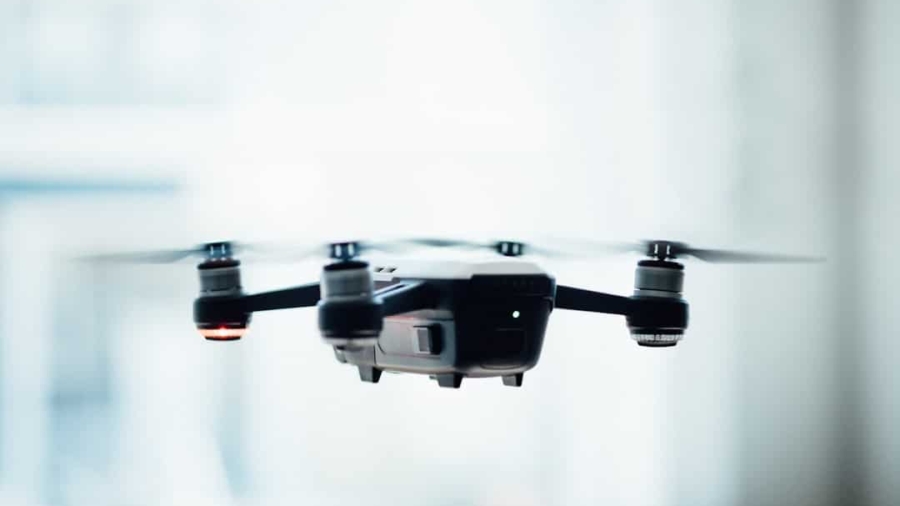
Navigating the skies for drone deliveries in cities isn’t just about having a cool gadget that flies.
It’s about figuring out the rules of the road, or rather, the rules of the air.
So, can autonomous delivery drones actually fly through urban airspace?
The short answer is yes, but it’s a complex “yes” packed with plenty
FAQs
What are autonomous delivery drones?
Autonomous delivery drones are unmanned aerial vehicles that are capable of navigating and delivering packages without human intervention. These drones are equipped with advanced technology such as GPS, sensors, and cameras to safely and efficiently navigate urban airspace.
How do autonomous delivery drones navigate urban airspace?
Autonomous delivery drones use a combination of GPS, sensors, and cameras to navigate urban airspace. They are programmed with pre-defined flight paths and use real-time data to avoid obstacles and other aircraft. Additionally, they may communicate with a central control system to receive updated flight instructions.
What are the regulations for autonomous delivery drones in urban airspace?
Regulations for autonomous delivery drones in urban airspace vary by country and region. In general, these regulations may include restrictions on flight altitude, speed, payload weight, and designated flight paths. Additionally, drones may be required to obtain permits or licenses for operation in urban areas.
What are the benefits of using autonomous delivery drones in urban areas?
Using autonomous delivery drones in urban areas can provide several benefits, including faster and more efficient delivery of goods, reduced traffic congestion, lower carbon emissions, and improved accessibility to remote or hard-to-reach locations. Additionally, drones can help businesses streamline their logistics operations.
What are the challenges of integrating autonomous delivery drones into urban airspace?
Challenges of integrating autonomous delivery drones into urban airspace include safety concerns, privacy issues, public acceptance, air traffic management, and infrastructure requirements. Additionally, there may be regulatory hurdles and technological limitations that need to be addressed for widespread adoption.
Enjoying our content? Make us a preferred source on Google:
Add us as a Preferred Source on Google