

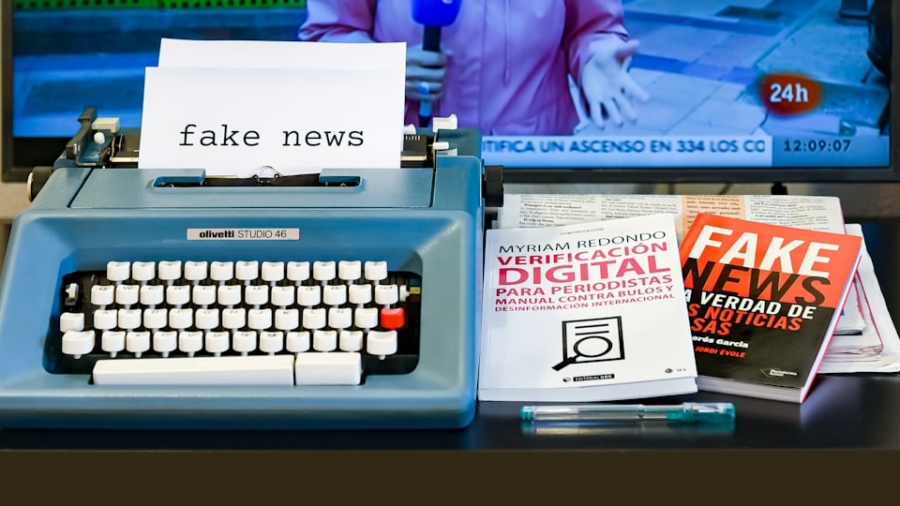
Generative AI is a powerful new tool, and like any new tool, it can be used for good or for bad. One of the most concerning ways it can be used for bad is in the spread of disinformation, particularly during democratic processes like elections. This article explores how we can tackle this threat, focusing on practical steps we can take to mitigate the impact of AI-generated fake content.
Generative AI, for those not deeply familiar, refers to artificial intelligence systems capable of creating new content – text, images, audio, and even video – that mimics human-created material. Think of it as AI that can write stories, paint pictures, or compose music.
While this has incredible creative potential, it also opens the door to sophisticated disinformation campaigns.
The Mechanics of AI-Powered Disinformation
- Hyper-Realistic Fabrications: Generative AI can produce incredibly convincing fake news articles, deepfake videos of politicians saying things they never said, or audio clips of public figures making false statements. The uncanny realism makes it harder for individuals to discern truth from falsehood.
- Scalability and Speed: Unlike traditional disinformation campaigns that require human effort to create and disseminate content, AI can churn out vast amounts of fake material at an unprecedented speed. This allows bad actors to flood the information ecosystem with noise, overwhelming genuine news and fact-checking efforts.
- Personalized Targeting: AI can analyze vast datasets to understand individual voter preferences and psychological triggers. This enables the tailoring of disinformation to specific demographics or even individuals, making it more persuasive and impactful. Imagine receiving a highly personalized fake news story designed to exploit your specific anxieties or beliefs.
- Erosion of Trust: The sheer volume and sophistication of AI-generated disinformation can lead to a general erosion of trust in all information sources. When people can’t be sure what’s real, they may disengage from civic discourse altogether, which is also a win for those who wish to undermine democracy.
The Amplification Effect of Social Media
Social media platforms, with their algorithms designed for engagement, can inadvertently become powerful amplifiers of AI-generated disinformation. Sensational or emotionally charged fake content, even if flagged, can spread like wildfire before effective countermeasures can be implemented.
The Evolving Threat Landscape
It’s crucial to understand that this isn’t a static problem. As AI technology advances, so too will the methods used to create and spread disinformation. What seems incredibly sophisticated today might be commonplace – and even more advanced – tomorrow. This requires a continuous, adaptive approach to mitigation.
In the ongoing discourse about the implications of generative AI on democratic processes, it is crucial to consider various perspectives on how technology influences public opinion and information dissemination. A related article that explores the intersection of social media and marketing strategies is available at Best Niche for Affiliate Marketing in TikTok. This piece highlights the power of platforms like TikTok in shaping narratives and the potential for both positive engagement and the spread of disinformation, making it a relevant read for those interested in understanding the broader context of digital communication in today’s society.
Key Takeaways
- Clear communication is essential for effective teamwork
- Active listening is crucial for understanding team members’ perspectives
- Setting clear goals and expectations helps to keep the team focused
- Regular feedback and open communication can help address any issues early on
- Celebrating achievements and milestones can boost team morale and motivation
Identifying and Flagging AI-Generated Content
A fundamental step in combating AI-generated disinformation is developing reliable methods to identify and flag such content. This is a complex technical challenge, but progress is being made.
Technical Detection Methods
- Watermarking and Provenance Tools: Researchers are exploring ways to embed invisible digital watermarks into AI-generated content, allowing for its identification and tracking. Think of it like a digital signature associated with AI creations. Blockchain technology is also being investigated as a way to record the origin and authenticity of digital media.
- AI-Powered Detection Algorithms: Just as AI can create fake content, it can also be trained to detect it. These algorithms can look for subtle statistical anomalies, linguistic patterns, or visual artifacts that are characteristic of AI generation. This is an ongoing arms race, with detection methods constantly needing to adapt to new generative models.
- Metadata Analysis: Examining the metadata associated with digital files, such as creation timestamps, software used, and editing history, can sometimes reveal inconsistencies that point to AI manipulation. However, sophisticated actors can also tamper with metadata.
The Role of Human Fact-Checkers
While technology plays a vital role, human fact-checkers remain indispensable. Their ability to understand context, nuance, and the intent behind information is crucial in verifying its authenticity.
Augmenting Fact-Checkers with AI Tools
AI can empower human fact-checkers by:
- Prioritizing Content for Review: AI can scan vast amounts of online content and flag potentially problematic material, allowing fact-checkers to focus their efforts on the most suspicious items.
- Providing Supporting Evidence: AI tools can quickly gather related articles, sources, and historical data, assisting fact-checkers in verifying claims.
- Identifying Patterns of Disinformation: AI can help identify coordinated disinformation campaigns by detecting similar narratives or keywords being spread across multiple platforms.
The Challenge of “Mildly” Manipulated Content
It’s important to note that not all AI manipulation is outright fake. Content can be subtly altered, edited, or taken out of context to mislead. Detecting these nuanced forms of manipulation is particularly challenging, often requiring deep contextual understanding.
Promoting Media Literacy and Critical Thinking

Technology alone won’t solve the disinformation problem.
Empowering individuals with the skills to critically evaluate information is a long-term, essential strategy.
Educational Initiatives for All Ages
- Curriculum Integration: Schools and universities should integrate media literacy and digital citizenship into their curricula. This needs to go beyond just identifying fake news and delve into understanding how information is created, disseminated, and the motivations behind it.
- Public Awareness Campaigns: Governments, NGOs, and media organizations can launch public awareness campaigns to educate citizens on the risks of AI-generated disinformation and provide practical tips for spotting it. These campaigns should be accessible and engaging, reaching a broad audience.
- Lifelong Learning: Media literacy shouldn’t stop in formal education.
Opportunities for ongoing learning about digital information consumption should be available throughout life, especially as technology evolves.
Developing Critical Evaluation Habits
- Source Verification: Encourage a habit of checking the source of information. Is it a reputable news organization, a known expert, or an anonymous online account? Look beyond the headline.
- Cross-Referencing Information: Advise people to seek information from multiple, diverse sources.
If a claim is only appearing on one obscure website, it’s a red flag.
- Emotional Awareness: Disinformation often plays on emotions. If a piece of content elicits a strong emotional reaction, it’s a cue to pause and scrutinize it more carefully. Is the intent to inform or to provoke?
- Lateral Reading: This involves not just reading down a page, but reading across to other sources to learn what other people say about the source itself and the claims being made.
The Importance of Nuance
Media literacy should foster an appreciation for nuance and complexity.
Not everything is black and white, and oversimplification can be a tool of disinformation.
Strengthening Platform Accountability and Regulation

Social media platforms have a significant responsibility in mitigating the spread of disinformation. This requires both voluntary action and, potentially, regulatory frameworks.
Platform Responsibilities
- Content Moderation Policies: Platforms need robust, transparent, and consistently enforced content moderation policies that specifically address AI-generated disinformation. This includes clear guidelines on what constitutes prohibited content.
- Algorithmic Transparency: A greater degree of transparency around how platform algorithms recommend and amplify content is crucial. This could help understand how disinformation spreads and identify potential biases.
- Disclosure of AI-Generated Content: Platforms could implement policies requiring users to disclose when they are posting AI-generated content, especially if it’s presented as factual.
- Collaboration with Researchers and Fact-Checkers: Platforms should actively collaborate with researchers, fact-checking organizations, and cybersecurity experts to identify and address emerging threats.
Regulatory Considerations
- Defining “Disinformation”: Legislation needs to carefully define what constitutes harmful disinformation, distinguishing it from legitimate opinion or satire. This is a delicate balance to strike without infringing on free speech.
- Transparency Requirements for AI Tools: There’s a growing discussion around regulating the development and deployment of AI tools themselves, especially those with the potential for misuse in disinformation. This could include mandatory disclosure of training data or capabilities.
- Holding Platforms Accountable: Exploring legal frameworks that hold platforms accountable for the spread of harmful disinformation on their sites, while still protecting free speech principles, is a complex but necessary conversation. Liability needs to be carefully defined to encourage responsible behavior without stifling innovation.
- International Cooperation: Disinformation campaigns often cross national borders. International cooperation and standardized approaches to regulation are essential for effective mitigation.
The Free Speech Dilemma
Any regulatory approach must carefully navigate the fundamental right to freedom of speech. The goal is not to censor legitimate expression, but to address demonstrably harmful falsehoods that undermine democratic processes.
In the ongoing discussion about the challenges posed by generative AI in democratic processes, it is essential to consider various strategies for combating disinformation. A related article that explores innovative solutions is available at this link, where you can find insights on effective tools and software that can aid in creating training videos to educate the public about recognizing and responding to misinformation. By leveraging such resources, we can better equip individuals to navigate the complexities introduced by advanced AI technologies. For more information, you can read the article on best software to create training videos.
Building Resilience in Democratic Institutions
| Metrics | Data |
|---|---|
| Number of generative AI-generated disinformation incidents | 25 |
| Percentage of disinformation incidents targeting democratic processes | 60% |
| Number of countries affected by generative AI disinformation | 15 |
| Percentage of social media users exposed to generative AI disinformation | 40% |
Beyond individual and platform-level strategies, democratic institutions themselves need to build resilience against AI-driven disinformation attacks.
Protecting Electoral Processes
- Secure Infrastructure: Ensuring the security of electoral infrastructure against cyber threats, including those that might leverage AI for sophisticated attacks or to spread misinformation about voting procedures, is paramount.
- Rapid Response Mechanisms: Establishing rapid response mechanisms to counter false narratives about elections, such as misinformation about polling stations, voter eligibility, or vote tabulation, can help prevent their widespread adoption.
- Clear Communication Channels: Election authorities and government bodies need to establish clear, trusted communication channels to disseminate accurate information to the public during electoral periods. This includes proactively addressing potential misinformation hot spots.
Fostering Civic Engagement
- Promoting Trusted Institutions: Strengthening public trust in democratic institutions, including the judiciary, legislative bodies, and independent media, can serve as a bulwark against disinformation that seeks to delegitimize these entities.
- Encouraging Deliberative Processes: Creating spaces for respectful public discourse and deliberation, where citizens can engage with diverse perspectives and constructively debate issues, can foster a more informed and resilient citizenry.
- Supporting Independent Journalism: A strong, independent press plays a crucial role in holding power to account and providing factual reporting. Supporting and protecting journalism is a vital defense against disinformation.
International Collaboration and Information Sharing
- Joint Threat Assessments: Governments and international bodies should engage in joint threat assessments of AI-driven disinformation campaigns to understand evolving tactics and share best practices for mitigation.
- Cross-Border Information Sharing: Establishing mechanisms for sharing intelligence and information about disinformation actors and their activities across borders can help disrupt their efforts.
The Long Game
Building resilience is not a one-time fix; it’s an ongoing process that requires continuous adaptation and investment in democratic infrastructure and civic education.
This is a complex and rapidly evolving challenge, but by combining technological innovation, improved media literacy, platform accountability, and institutional resilience, we can work towards a more informed and robust democratic future, even in the face of advanced AI.
FAQs
What is generative AI and how does it pose a threat to democratic processes?
Generative AI refers to artificial intelligence systems that can create new content, such as text, images, or videos, that closely resemble human-generated content. This technology poses a threat to democratic processes as it can be used to create and spread disinformation, manipulate public opinion, and undermine the integrity of elections and political discourse.
What are the potential consequences of generative AI-generated disinformation in democratic processes?
The potential consequences of generative AI-generated disinformation in democratic processes include the erosion of trust in political institutions, the manipulation of public opinion, the spread of false information, and the undermining of free and fair elections. This can lead to social and political instability, as well as a decline in democratic values and principles.
How can the threat of generative AI-generated disinformation be mitigated in democratic processes?
Mitigating the threat of generative AI-generated disinformation in democratic processes requires a multi-faceted approach, including the development of detection and attribution technologies, the implementation of regulations and policies, the promotion of media literacy and critical thinking skills, and the collaboration between technology companies, governments, and civil society organizations.
What role do technology companies and social media platforms play in mitigating the threat of generative AI-generated disinformation?
Technology companies and social media platforms play a crucial role in mitigating the threat of generative AI-generated disinformation by implementing measures to detect and remove fake content, enhancing transparency and accountability in their algorithms and content moderation processes, and collaborating with researchers, policymakers, and other stakeholders to develop effective solutions.
What are some potential ethical considerations in addressing the threat of generative AI-generated disinformation in democratic processes?
Some potential ethical considerations in addressing the threat of generative AI-generated disinformation in democratic processes include balancing the need for freedom of expression with the need to prevent harm, protecting user privacy and data rights, ensuring transparency and accountability in decision-making processes, and avoiding the use of censorship or surveillance measures that could infringe on civil liberties.
Enjoying our content? Make us a preferred source on Google:
Add us as a Preferred Source on Google