

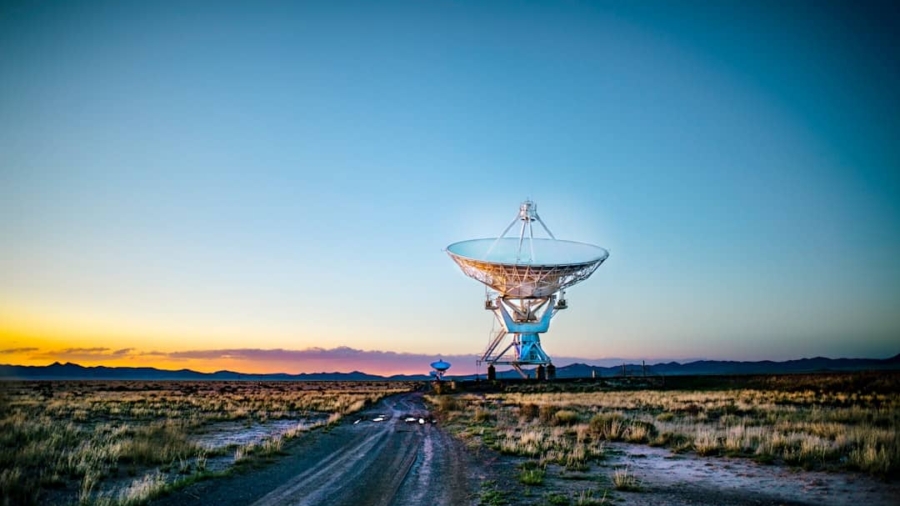
Hey there! Let’s talk about something pretty cool and incredibly useful: how Low Earth Orbit (LEO) satellite internet is becoming a game-changer for folks working in truly remote spots. The short answer? LEO satellites offer a fast, reliable internet connection where traditional options simply don’t exist, effectively bridging those notorious connectivity gaps for everything from oil rigs to disaster relief.
The Real Need for Reliable Remote Connectivity
You know the drill. You’re out in the middle of nowhere – maybe it’s a sprawling farm, a deep mine, or a research station in the arctic. Communication used to be a patchwork of expensive, slow, or unreliable solutions.
We’re talking flaky VSAT, short-range radio, or even just plain old waiting until you’re back in civilization.
This isn’t just an inconvenience; it affects safety, efficiency, and the ability to make real-time decisions.
The Cost of Disconnection
Being disconnected isn’t just about missing out on cat videos. In remote operations, it can mean:
- Delayed Maintenance: A critical piece of machinery breaks down, and you can’t get schematics or expert advice without a decent internet connection. Hours turn into days, and costs skyrocket.
- Safety Risks: Imagine an emergency on an offshore platform. Real-time data from sensors or video feeds from critical areas could be the difference between a close call and a catastrophe.
- Inefficient Data Transfer: Collecting vast amounts of data in the field only to truck hard drives back to headquarters is slow, prone to loss, and completely bypasses the benefits of immediate analysis.
- Worker Morale: Let’s be honest, staying connected to family and friends makes a huge difference to spirits and retention, especially when working long stints far from home.
Why Traditional Solutions Fall Short
Before LEO, operators in these remote areas often resorted to a few options, each with its own set of limitations.
- Geostationary Satellites (GEO): These have been around for a while. They sit way up high (around 36,000 km), offering wide coverage. The downside? That huge distance creates a noticeable delay (latency) and usually higher costs for comparable speeds. Think of trying to have a real-time video call – it’s often clunky.
- VSAT (Very Small Aperture Terminal): Often utilizing GEO satellites, VSAT systems provide decent broadband but come with the latency issue. Installation can be complex, and the equipment isn’t always very portable.
- Terrestrial Options (Fiber, Cellular): Fantastic when available, but that’s the rub – these infrastructure-heavy solutions simply don’t reach most truly remote locations. Building them out is prohibitively expensive.
In exploring the potential of low Earth orbit satellite internet to enhance connectivity in remote operations, it’s interesting to consider the broader implications of technology in various sectors. A related article discusses the recent sale of a CryptoPunks NFT bundle for an astonishing $17 million at a Christie’s auction, highlighting the intersection of technology, digital assets, and market trends. This event underscores how advancements in technology can create new opportunities and reshape industries, much like how satellite internet can transform remote connectivity. For more details, you can read the article here: CryptoPunks NFT Bundle Auction.
How LEO Satellite Internet Enters the Scene
Enter LEO satellites. These are the new kids on the block, orbiting much closer to Earth (typically 500-2000 km). This seemingly small change actually makes a massive difference, especially for remote operations.
Key Advantages of LEO Compared to GEO
- Lower Latency: This is huge. Because the signal doesn’t have to travel as far, the delay is significantly reduced. This makes real-time applications like video conferencing, cloud computing, and IoT sensor data transfer much more viable. We’re talking 20-50ms latency for LEO versus hundreds of milliseconds for GEO.
- Higher Speeds: LEO constellations are designed for high throughput, offering speeds that compete with or even exceed many terrestrial broadband options. This means faster downloads, smoother streaming, and efficient data uploads.
- Improved Reliability: With a constellation of thousands of satellites, if one goes down or is obstructed, another quickly takes its place. This ‘meshed network’ approach inherently builds in redundancy, making the connection more robust.
- Global Coverage (Eventually): Once fully deployed, these constellations aim to offer truly global coverage, including the poles, something that’s difficult for GEO satellites due to their fixed position over the equator.
What LEO Isn’t
It’s important to be realistic. LEO isn’t magic.
It’s not always super cheap, especially for enterprise-grade solutions.
And while the equipment is generally easier to set up than traditional VSAT, it still requires a clear line of sight to the sky. It’s also still evolving, with new capabilities and service tiers emerging regularly.
Practical Applications Across Remote Industries
Now, let’s get into the nitty-gritty: how LEO is actually making a difference on the ground.
Energy Sector (Oil & Gas, Renewables)
Remote energy operations are often at the forefront of needing robust connectivity.
- Real-time Monitoring & Control: Imagine an oil rig. LEO enables immediate transmission of sensor data from drilling operations, pressure gauges, and environmental monitoring systems back to headquarters. This allows for proactive maintenance, optimizing output, and mitigating risks.
- Remote Diagnostics & Support: Instead of flying an expert out to a remote gas compression station, a technician on-site can use video calls and share real-time diagnostics with an engineer thousands of miles away, guiding repairs or troubleshooting. This cuts down on travel time, costs, and downtime.
- Crew Welfare: On offshore platforms or remote solar farms, reliable internet provides essential communication for personnel to stay in touch with loved ones, improving morale and reducing isolation.
Mining Operations
Mining sites are often some of the most isolated industrial environments.
- Autonomous Vehicle Management: More mines are deploying autonomous haul trucks and other equipment. These rely heavily on consistent, low-latency connectivity for navigation, command, and control. LEO provides that backbone.
- Geological Data Transfer: Geologists can upload large datasets from boreholes and surveys directly from the field, allowing for quicker analysis and decision-making on where to drill next.
- Safety Communications: In underground mines, LEO can provide surface connectivity for emergency response teams, ensuring they have reliable communication links during critical incidents.
Maritime & Shipping
Out on the open ocean, terrestrial internet is non-existent.
- Vessel Operations & Navigation: Modern shipping relies on efficient data exchange for weather routing, port logistics, and engine performance monitoring. LEO offers the bandwidth to handle these data flows.
- Crew Connectivity: For long voyages, LEO ensures crews can maintain contact with family, access entertainment, and even participate in training programs online, significantly boosting their well-being.
- IoT for Fleet Management: Sensors on containers, refrigeration units, and vessel components can transmit data in real-time, allowing for better tracking, preventative maintenance, and improved cargo security.
Humanitarian Aid & Disaster Response
When disaster strikes, established infrastructure often crumbles.
- Rapid Deployment of Communication Hubs: Aid organizations can quickly deploy LEO terminals to establish immediate internet access in affected areas, facilitating coordination, communications for first responders, and even basic connectivity for displaced populations.
- Telemedicine Support: In remote field hospitals, LEO can enable teleconsultations with specialists, allowing doctors on the ground to get immediate expert advice and even transmit medical images for diagnosis.
- Data Collection & Assessment: Aid workers can instantly upload damage assessments, needs analyses, and logistics information, streamlining the entire relief effort.
Agriculture & Livestock Management
Farms are getting smarter, but they need the connectivity to support it.
- Precision Agriculture: Data from sensors monitoring soil conditions, crop health, and weather patterns can be immediately uploaded to cloud-based analytics platforms, allowing farmers to optimize irrigation, fertilization, and pest control.
- Livestock Tracking & Health: IoT devices on animals can transmit health metrics and location data, enabling farmers to monitor herds more effectively and intervene quickly if issues arise.
- Remote Equipment Monitoring: Tractors, harvesters, and other machinery can be monitored remotely for performance and preventative maintenance needs, reducing unexpected downtime.
Deploying LEO: What to Consider
It’s tempting to think LEO is a plug-and-play solution, and for basic setups, it often is. But for mission-critical remote operations, there are a few practical considerations.
Equipment & Installation
- Terminal Type: Different LEO providers offer various terminals – from consumer-grade dishes to more rugged, enterprise-focused options designed for harsh environments or mobile applications (like ‘in-motion’ terminals for vehicles).
- Power Requirements: While many LEO terminals are relatively low power, consistent power supply in remote locations needs to be planned for, potentially with solar backup or generators.
- Mounting: Ensuring a clear line of sight to the sky is paramount. This might involve specialized mounts for buildings, vehicles, or temporary structures.
Network Integration
- Existing Infrastructure: How will the LEO connection integrate with your existing local area network (LAN) or Wide Area Network (WAN)? Do you need routers, switches, or firewalls?
- VPNs and Security: For sensitive operational data, establishing secure VPN connections over the LEO link is crucial, ensuring data integrity and confidentiality.
- Redundancy Planning: While LEO itself offers some redundancy, consider what happens if your primary LEO terminal fails. Do you have a backup LEO unit, or perhaps a hybrid approach with a smaller GEO or terrestrial link for emergencies?
Service Plans & Costs
- Data Caps vs. Unlimited: LEO plans can vary significantly. Some offer unlimited data at a fixed speed, while others have data caps that incur overage charges. Understand your typical data usage.
- Prioritization: For critical operations, inquire about service plans that offer prioritization for specific types of traffic (e.g., IoT sensor data over general internet browsing).
- Enterprise Support: For business-critical deployments, look for providers offering dedicated enterprise support, SLAs (Service Level Agreements), and faster response times.
In exploring innovative solutions for enhancing connectivity in remote operations, the article on leveraging low Earth orbit satellite internet highlights significant advancements in technology. For those interested in the intersection of technology and home improvement, a related article discusses the best free software for home remodeling, which can be found here. This resource not only complements the discussion on connectivity but also emphasizes how improved internet access can facilitate better planning and execution of home projects in remote areas.
The Future of Remote Connectivity
LEO satellite internet isn’t just a fleeting trend; it’s a fundamental shift in how we approach connectivity in remote and challenging environments.
Hybrid Networks
The future isn’t necessarily just LEO; it’s often a smart blend of technologies. Imagine a remote site primarily using LEO for its low-latency, high-bandwidth needs, but with a small, robust GEO connection as a backup, or a localized mesh network for internal communication. This hybrid approach offers the best of all worlds in terms of reliability and performance.
Advanced IoT and AI at the Edge
With reliable, low-latency connectivity, more advanced IoT solutions can be deployed directly in remote locations. This allows for real-time data processing closer to the source (edge computing), reducing the amount of raw data that needs to be sent over the satellite link, and enabling quicker, more autonomous decision-making on-site, even without constant human oversight.
Further Constellation Expansion
As LEO constellations continue to grow, coverage will become even more ubiquitous, and capabilities will expand. We’ll see even higher speeds, more specialized service offerings for different industries, and potentially more competitive pricing as the market matures.
In conclusion, for any operation stuck in a connectivity black hole, LEO satellite internet offers a powerful, practical solution. It’s not just about getting online; it’s about enabling safer, more efficient, and ultimately more productive remote work environments, unlocking potential that was previously unimaginable.
FAQs
What is Low Earth Orbit (LEO) Satellite Internet?
Low Earth Orbit (LEO) satellite internet is a type of internet service that utilizes a network of satellites in low earth orbit to provide high-speed internet access to remote and underserved areas.
How does LEO Satellite Internet bridge connectivity gaps in remote operations?
LEO satellite internet bridges connectivity gaps in remote operations by providing reliable and high-speed internet access to areas where traditional terrestrial internet infrastructure is limited or non-existent. This enables businesses and organizations to maintain seamless communication and operations in remote locations.
What are the advantages of leveraging LEO Satellite Internet for remote operations?
The advantages of leveraging LEO satellite internet for remote operations include high-speed internet access, global coverage, low latency, and the ability to connect remote locations without the need for extensive terrestrial infrastructure.
What are some examples of remote operations that can benefit from LEO Satellite Internet?
Remote operations such as offshore oil and gas platforms, mining sites, maritime vessels, and remote research facilities can benefit from LEO satellite internet by gaining access to reliable and high-speed internet connectivity in remote and isolated locations.
How does LEO Satellite Internet compare to other satellite internet technologies?
Compared to traditional geostationary satellite internet, LEO satellite internet offers lower latency, higher data speeds, and better coverage, making it a more suitable option for remote operations that require reliable and high-speed internet connectivity.
Enjoying our content? Make us a preferred source on Google:
Add us as a Preferred Source on Google