

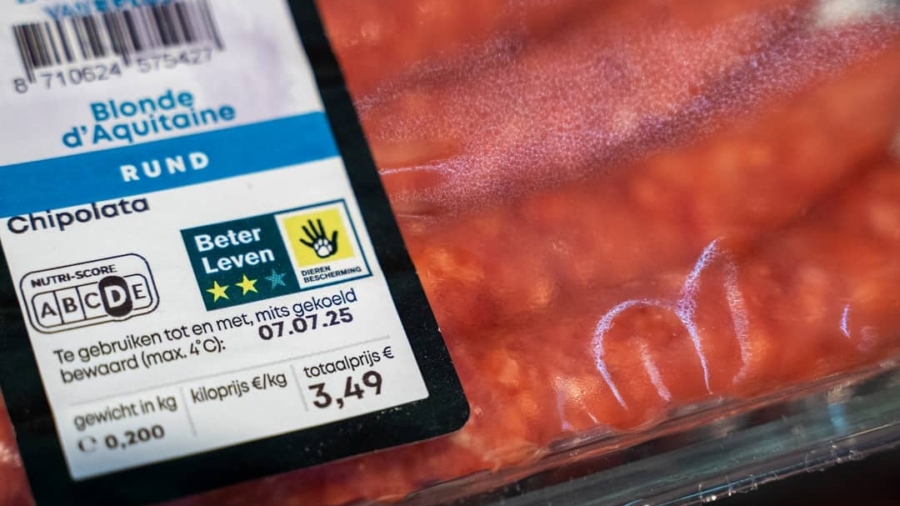
Lab-grown meat, also known as cultivated meat or cell-based meat, offers a potentially significant solution to our growing global protein needs. Essentially, it’s real animal meat – made from animal cells, not a slaughtered animal – grown in a controlled environment. This innovation bypasses traditional livestock farming, promising a more sustainable and efficient way to produce protein for a rapidly expanding human population.
What Exactly Is Lab-Grown Meat?
Let’s break down what we’re actually talking about here. It’s not a plant-based burger, nor is it some kind of Frankenstein food.
Cellular Agriculture in a Nutshell
At its core, lab-grown meat is a product of cellular agriculture. This field focuses on producing agricultural products from cell cultures rather than whole plants or animals. For meat, this means taking a small sample of animal cells (typically muscle stem cells), providing them with the necessary nutrients and conditions they need to grow and multiply, and then structuring them into edible tissue. Think of it like growing a tiny piece of meat in a bioreactor, similar to how beer is brewed or yogurt is made.
The Building Blocks of Cultivated Protein
The process starts with a small biopsy from a living animal – a painless procedure that doesn’t harm the animal. These cells are then placed in a nutrient-rich culture medium, which provides them with amino acids, vitamins, minerals, sugars, and growth factors, mimicking what they’d get in an animal’s body. The cells proliferate, forming muscle fibers and eventually larger pieces of meat. The goal is to replicate the taste, texture, and nutritional profile of conventional meat.
Lab-grown meat alternatives are gaining traction as a viable solution to address global protein needs, particularly in light of the increasing demand for sustainable food sources. An insightful article that delves into the latest advancements in consumer technology, including innovations in food production, can be found at While advances are being made rapidly, achieving price parity with conventional meat is critical for widespread adoption. Bringing a fundamentally new food product to market involves more than just scientific breakthroughs. Governments around the world are grappling with how to regulate lab-grown meat. Questions arise about labeling, safety assessments, and production standards. Singapore was the first country to approve the sale of cultivated meat in December 2020, with the US FDA and USDA following suit with approvals for specific cultivated chicken products in 2023. Other countries are actively developing their own regulatory pathways. Clear and consistent regulations are crucial for industry growth and consumer trust.
Navigating the Regulatory Landscape and Consumer Acceptance
Global Regulatory Frameworks
Understanding Consumer Perceptions and Education
Consumer acceptance is perhaps the most significant non-technical challenge. Many people have questions and even anxieties about eating “meat from a lab.” Clear communication about the science, benefits, and safety of these products is essential. Educating consumers, transparent labeling, and offering products that genuinely deliver on taste and texture will be key to building trust and driving adoption.
- Taste and Texture: Must meet or exceed conventional meat.
- Messaging and Transparency: Explaining the science in an accessible way.
- Addressing Concerns: Openly discussing safety and ethical aspects.
Lab-grown meat alternatives are gaining attention as a sustainable solution to address global protein needs, and recent discussions highlight their potential impact on food security and environmental sustainability. For those interested in exploring innovative solutions in various fields, a related article on the top astrology software can provide insights into how technology is shaping different industries. You can read more about it in this informative piece. As the world seeks to balance dietary demands with ecological concerns, the intersection of technology and food production continues to evolve.
The Future of Protein: Integration, Not Replacement
It’s unlikely that lab-grown meat will entirely replace traditional meat in the near future. Instead, it’s more probable that it will become an increasingly important part of a diversified protein portfolio.
Complementing, Not Competing Directly
Cultivated meat stands to complement existing protein sources rather than exclusively compete with them. Just as plant-based proteins have found their niche, lab-grown meat can offer another option for consumers looking for sustainable and ethically produced animal protein. It can alleviate pressure on the traditional agricultural system, allowing it to focus on more sustainable practices or niche markets.
Hybrid Products and Innovation
We might see more “hybrid” products emerge, combining cultivated meat cells with plant-based ingredients to optimize for texture, flavor, and cost. This blend could offer a stepping stone for wider acceptance and innovation in food product development. The innovation pipeline is rich, with companies exploring different cell types, scaffolding technologies, and even ways to create complex cuts of meat.
Long-Term Vision and Global Impact
The long-term vision is a world where protein production is significantly more sustainable, efficient, and equitable. Lab-grown meat has the potential to decouple meat production from geographical constraints, potentially allowing for local production in areas that currently import significant amounts of meat. This could enhance food security and reduce the logistical complexities of global food supply chains. It’s about building a more resilient and responsible food system for generations to come.
FAQs
What are lab-grown meat alternatives?
Lab-grown meat alternatives, also known as cultured or cell-based meat, are produced by growing animal cells in a laboratory setting rather than raising and slaughtering animals for meat consumption.
How are lab-grown meat alternatives addressing global protein needs?
Lab-grown meat alternatives have the potential to address global protein needs by providing a sustainable and ethical source of meat. They require fewer resources, produce lower greenhouse gas emissions, and eliminate the need for animal slaughter.
Are lab-grown meat alternatives safe to consume?
Lab-grown meat alternatives are rigorously tested for safety and are produced under strict regulatory oversight. They are designed to be free from contaminants and foodborne pathogens, making them safe for consumption.
What are the environmental benefits of lab-grown meat alternatives?
Lab-grown meat alternatives have the potential to significantly reduce the environmental impact of meat production. They require less land, water, and energy compared to traditional livestock farming, and can help mitigate deforestation and water pollution.
Are lab-grown meat alternatives available for purchase and consumption?
While lab-grown meat alternatives are still in the early stages of development, some companies have already produced prototypes and are working towards commercialization. It is expected that lab-grown meat alternatives will become more widely available in the near future.
Enjoying our content? Make us a preferred source on Google:
Add us as a Preferred Source on Google