

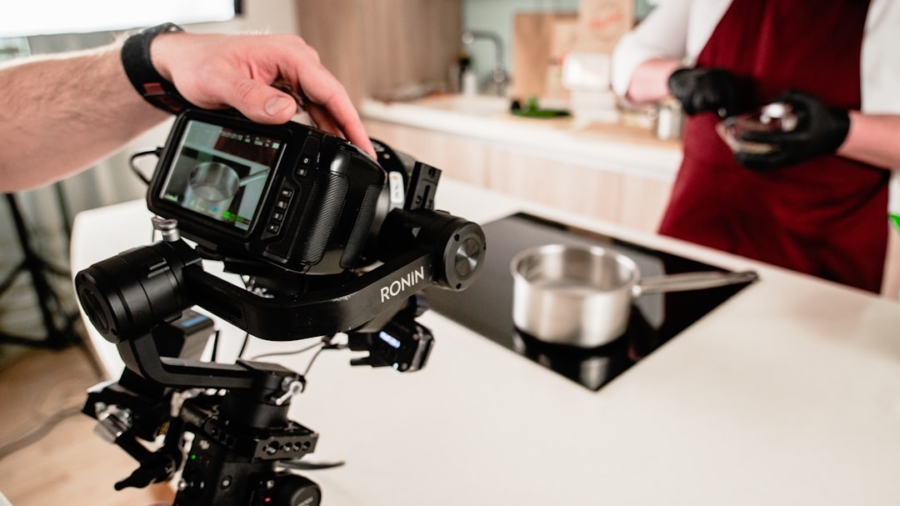
Let’s talk about using fancy kitchen robots to fight food waste at home. The short answer? Yes, it’s totally possible, and some of the tech is already here or just around the corner. We’re not talking about Rosie from The Jetsons yet, but rather smart appliances and systems that can significantly reduce the amount of food we toss out. This isn’t about making your kitchen feel like a factory; it’s about making your life easier and your food last longer.
The Problem with Plate Scraps and Forgotten Veggies
Before we dive into the robotic solutions, let’s quickly acknowledge why this even matters. Food waste is a huge deal. It’s not just about the money we throw away (though that’s a big factor!). It’s about all the resources — water, energy, labor — that went into producing that food, only for it to end up in a landfill, generating methane, a potent greenhouse gas. For most households, food waste happens because of things like buying too much, improper storage, cooking too much, or simply forgetting what’s in the back of the fridge. Robots can help with all of that.
In exploring innovative solutions to combat household food waste, the article on implementing advanced kitchen robotics highlights the potential of technology in transforming our culinary habits. For further insights into how technology can enhance productivity and efficiency in various fields, you may find the article on the best laptops for video and photo editing particularly relevant. This resource discusses the essential features and specifications needed for high-performance tasks, which can be beneficial for those looking to integrate technology into their kitchen practices as well. You can read more about it here: the best laptops for video and photo editing.
Smart Storage and Inventory: Knowing What You Have
One of the biggest culprits of food waste is simply not knowing what food you possess, or where it is, leading to forgotten items and duplicate purchases. Advanced robotics offer practical solutions here.
Automated Inventory Tracking
Imagine a fridge that proactively tells you what’s inside. This isn’t just about a camera staring at your milk carton.
- Weight Sensors and RFID Tags: Future appliances could incorporate shelves with tiny weight sensors that track how much of a particular item you have left. Paired with RFID tags (or even QR codes you scan once upon arrival), your fridge could maintain a live inventory. If you put a bag of spinach in, the system knows it’s there. As you use it, the weight reduces, and the system updates. This means real-time data on your food stock.
- AI-Powered Visual Recognition: More sophisticated systems are using AI to identify food items visually. Cameras inside your fridge could identify a half-eaten avocado, a nearly empty carton of eggs, or a wilting bunch of cilantro. This takes out the manual effort and constantly updates your inventory.
- Integrated Shopping Lists: Once your fridge knows what you have (and what you’re low on), it can automatically suggest items for your grocery list. This directly combats impulse buys and ensures you’re only purchasing what you genuinely need. No more buying another carton of milk when you already have two in the back.
- “Use By” Date Alerts: The system, either through RFID data from packaging or through your manual input upon purchase, can track expiry dates. Before that yogurt goes bad, you could get a notification on your phone or on the fridge’s display, prompting you to use it. Some advanced systems might even suggest recipes that incorporate those ingredients.
Optimal Storage Conditions
Beyond just tracking, smart storage units can actively improve food longevity.
- Dynamic Temperature and Humidity Zones: Different foods require different environments. Fancy fridges are already offering multiple zones with separate temperature controls. Robotic systems can take this further, automatically adjusting humidity levels based on the specific produce detected within a compartment. For instance, berries might get a drier, cooler environment than leafy greens.
- Controlled Atmosphere Storage (CAS) for Home Use: While primarily industrial, smaller, home-scaled versions of CAS could become a reality. This technology modifies the atmosphere around perishables (reducing oxygen, increasing carbon dioxide) to slow down respiration and extend shelf life significantly. Imagine a specialized drawer where your apples stay crisp for months longer. This isn’t science fiction; it’s just about miniaturization and cost reduction.
- Automated Vacuum Sealing Integration: Some smart storage units could incorporate automated vacuum sealing. When you place a leftover dish or a portion of cut fruit into a designated compartment, a robotic arm or mechanism could automatically vacuum seal it, drastically reducing oxidation and spoilage.
Precision Cooking and Portion Control: Eliminating Overproduction
Cooking too much and having too many leftovers often leads to waste. Robotics can help us be more precise and efficient in the kitchen.
Smart Cooking Appliances with Integrated Scales
Measuring ingredients correctly isn’t just for baking; it’s key to reducing excess.
- Recipe-Driven Weight Measurement: Imagine a smart pan or bowl that, when connected to a recipe app, guides you through adding ingredients by weight. It would tell you, “Add 150 grams of flour,” and as you pour, it would display the current weight, letting you stop precisely when you hit the mark. This prevents adding too much of an ingredient, which might then require more of another, snowballing into too large a portion.
- Automated Ingredient Dispensing: For frequently used dry goods like rice, pasta, or flour, robotic dispensers could release exact pre-programmed amounts directly into your pot or bowl based on your desired serving size. This reduces human error and ensures consistency.
AI-Powered Recipe Adjustment for Portion Sizes
We’ve all scaled a recipe up or down, sometimes with mixed results.
- Dynamic Recipe Scaling: Your smart kitchen could take your desired number of servings and automatically adjust all ingredient quantities in a recipe. This isn’t just simple division; it could leverage AI to understand how ingredient ratios change with different portion sizes for optimal taste and texture. If your fridge knows you only have half an onion, it can adjust a recipe for four people to make three, or suggest a substitute.
- Leftover Prediction and Integration: After a meal, the system could estimate how much food was cooked versus consumed. If there are likely to be leftovers, it could suggest storage methods (e.g., “This spaghetti is best refrigerated in an airtight container for up to 3 days”) and even integrate those leftovers into future meal plans (e.g., “You have leftover roast chicken, here are recipes for chicken salad or quesadillas for tomorrow’s lunch”).
Smart Ovens and Cooktops
These aren’t just about convenience; they’re about preventing burnt disasters and undercooked waste.
- Precision Temperature Control with Internal Probes: Smart ovens and cooktops maintain incredibly precise temperatures, drastically reducing the chances of burning food or cooking it unevenly, which often leads to throwing parts away. Integrated probes can monitor internal food temperatures and automatically adjust cooking times, ensuring meats are perfectly cooked and safe to eat, without being overdone and dry.
- Automated Stirring and Flipping: For dishes that require constant attention, robotic stirring attachments for pots or smart pans that can gently flip items could prevent scorching or uneven cooking, ensuring every bit of food is perfectly prepared and edible.
Food Preparation Bots: Maximizing Ingredient Use
Robots can take the drudgery out of food prep, but more importantly, they can help us be more precise and reduce waste in the process.
Precision Cutting and Peeling
Human error in cutting often leads to unnecessary waste.
- Automated Vegetable Prepping: Imagine a device that can perfectly peel a carrot or potato with minimal loss of edible material. Robotic arms equipped with specialized blades or water jets can precisely core, slice, dice, and julienne vegetables with incredible accuracy, far surpassing human consistency. This means less edible material ending up in the compost bin with the peels.
- Minimizing Trim Waste: When preparing fruits and vegetables, we often trim away more than necessary. Robots can be programmed to identify the edible portions and cut exactly along those lines, leaving behind only the truly inedible parts. Think of a machine that perfectly removes the stem from a bell pepper without taking out half the pepper with it.
Dedicated Appliance Integration
Some specific tasks are ripe for robotic automation to reduce waste.
- Juicing with Optimal Extraction: Current juicers often leave behind a lot of usable pulp. Future robotic juicers could employ advanced pressure and grinding techniques to extract the maximum amount of juice from fruits and vegetables, leaving behind minimal dry waste.
- Grain and Legume Sorting/Cleaning: While less common for everyday home use, miniature versions of industrial sorting machines could ensure that grains and legumes are free of small stones or debris, preventing perfectly good food from being discarded due to contamination.
In exploring innovative solutions to combat household food waste, one can find valuable insights in the article on the Samsung Galaxy Tab S8, which highlights how advanced technology can enhance kitchen efficiency. By integrating smart devices and robotics into meal preparation, families can better manage their ingredients and minimize waste. For more information on how cutting-edge technology is transforming everyday cooking, check out this article on the Samsung Galaxy Tab S8.
Waste Diversion and Repurposing: Giving Scraps a Second Life
Even with the best planning, some food waste is inevitable. Robotics can help manage these scraps more effectively.
Smart Composting Assistants
Composting is great, but consistency can be tough.
- Automated Organic Waste Segregation: Imagine a smart bin with compartments that use visual and weight sensors to identify different types of organic waste. It could automatically separate food scraps suitable for composting from those that are not, diverting them to different sections or even directly into a compact, in-home composting unit.
- Optimized Composting Conditions: For those with in-home composters, robotic systems could monitor and adjust conditions like moisture and aeration to speed up the decomposition process and ensure effective composting, turning scraps into nutrient-rich soil faster.
- Waste-to-Energy Home Systems: While futuristic for most, small-scale anaerobic digesters that convert food waste into biogas for cooking or heating could be managed by robotic systems, providing a fully integrated solution for inevitable food scraps.
Leftover Transformation Bots
Instead of tossing leftovers, what if they could automatically be turned into something else?
- Integrated Food Processors and Dehydrators: A multi-functional robotic system could, for example, take leftover vegetable scraps, dehydrate them, and grind them into a nutrient-rich powder for seasoning. Or, it could process leftover bread into breadcrumbs. These bots wouldn’t just sit there; they’d actively work within a programmed loop to minimize waste.
- Automated Soup/Stock Makers: Imagine loading vegetable peels, bones, and other odds and ends into a designated “stock bot.” It would automatically simmer, strain, and even portion out homemade stock, an excellent way to extract every last bit of goodness from ingredients that might otherwise be discarded.
Behavioral Nudging and Education: The Human-Robot Partnership
Robots aren’t just about doing things for us; they can also help us learn and form better habits.
Personalized Food Consumption Data and Insights
Knowledge is power, especially when it comes to breaking bad habits.
- Waste Tracking and Analysis Reports: Your smart kitchen could generate reports showing you exactly what food items you waste most often, why (e.g., expired, uneaten leftovers), and what periods you tend to waste more. This data isn’t accusatory; it’s insight to help you make informed changes. “You bought bell peppers three times this month and threw out half of them each time. Perhaps buy fewer, or incorporate them into more dishes?”
- Cost of Waste Calculations: Seeing the financial impact of your food waste in real numbers can be incredibly motivating. Your system could estimate how much money you literally threw away based on your purchasing data and waste records.
Proactive Meal Planning and Recipe Suggestions
Helping you use what you have.
- Dynamic Meal Planning based on Inventory: Your system could suggest meal plans for the week that prioritize ingredients nearing their expiry date or those you have in abundance. This isn’t just about convenience; it’s about actively preventing waste by ensuring everything gets used.
- AI-Powered “Leftover Makeover” Recipes: Beyond simple suggestions, AI could creatively combine disparate leftovers into new and appealing dishes, solving the common problem of “what do I do with this one random serving of leftover chili?“
- Portion Size Recommendations: Based on your household’s typical consumption patterns and caloric needs, the system could recommend ideal portion sizes when cooking, directly combating the issue of cooking too much.
The Road Ahead: Challenges and Considerations
While the potential is exciting, it’s important to be realistic about the journey.
Cost and Accessibility
Early adoption of such technologies will likely be expensive, making them inaccessible to many. As with any new tech, prices will eventually come down, but it’s a significant barrier now.
Data Privacy and Security
Integrating cameras, RFID, and personal consumption data raises questions about privacy. Who owns this data? How is it secured? These are crucial considerations that need robust solutions.
User Adoption and Interface Design
For these systems to be successful, they need to be intuitive and genuinely helpful, not overly complicated or frustrating. The user experience will be paramount.
Maintenance and Repair
Robotic systems will have more moving parts and complex electronics, potentially leading to higher maintenance needs and repair costs compared to traditional appliances.
The “Human Touch” Factor
Some argue that too much automation removes the joy of cooking and the tactile experience of food preparation. Striking a balance between assistance and hands-on involvement will be key for widespread acceptance.
In conclusion, advanced kitchen robotics aren’t just about novelty; they offer tangible, practical solutions to the pervasive problem of household food waste. From intelligent inventory management and precision cooking to automated waste diversion and personalized insights, these evolving technologies have the potential to make our kitchens more efficient, sustainable, and ultimately, smarter. While there are hurdles to overcome, the future of a less wasteful kitchen, powered by a little robotic assistance, looks incredibly promising.
FAQs
What are advanced kitchen robotics?
Advanced kitchen robotics are advanced technological devices designed to automate and streamline various tasks in the kitchen, such as food preparation, cooking, and cleaning. These robotics are equipped with advanced sensors, artificial intelligence, and machine learning capabilities to perform tasks with precision and efficiency.
How can advanced kitchen robotics help reduce household food waste?
Advanced kitchen robotics can help reduce household food waste by accurately measuring and dispensing ingredients, optimizing cooking processes to minimize overcooking or burning, and efficiently storing and preserving food. Additionally, these robotics can assist in inventory management and meal planning, ensuring that food is used before it spoils.
What are the potential benefits of implementing advanced kitchen robotics in households?
The potential benefits of implementing advanced kitchen robotics in households include reduced food waste, improved efficiency in meal preparation, enhanced food safety through precise cooking and storage, and increased convenience for busy individuals or families. Additionally, these robotics can contribute to cost savings by optimizing food usage and minimizing unnecessary purchases.
Are there any challenges or limitations associated with using advanced kitchen robotics?
Some challenges and limitations associated with using advanced kitchen robotics include the initial cost of investment, potential technical issues or malfunctions, and the need for regular maintenance and updates. Additionally, individuals may need to adapt to using and managing the robotics, and there may be limitations in the types of tasks that the robotics can effectively perform.
How accessible are advanced kitchen robotics for households?
While advanced kitchen robotics are becoming increasingly accessible for households, they may still be considered a luxury or high-end investment for some individuals. However, as technology advances and market competition grows, the cost of these robotics may become more affordable and accessible to a wider range of consumers. Additionally, some companies offer rental or subscription options for accessing advanced kitchen robotics.
Enjoying our content? Make us a preferred source on Google:
Add us as a Preferred Source on Google