

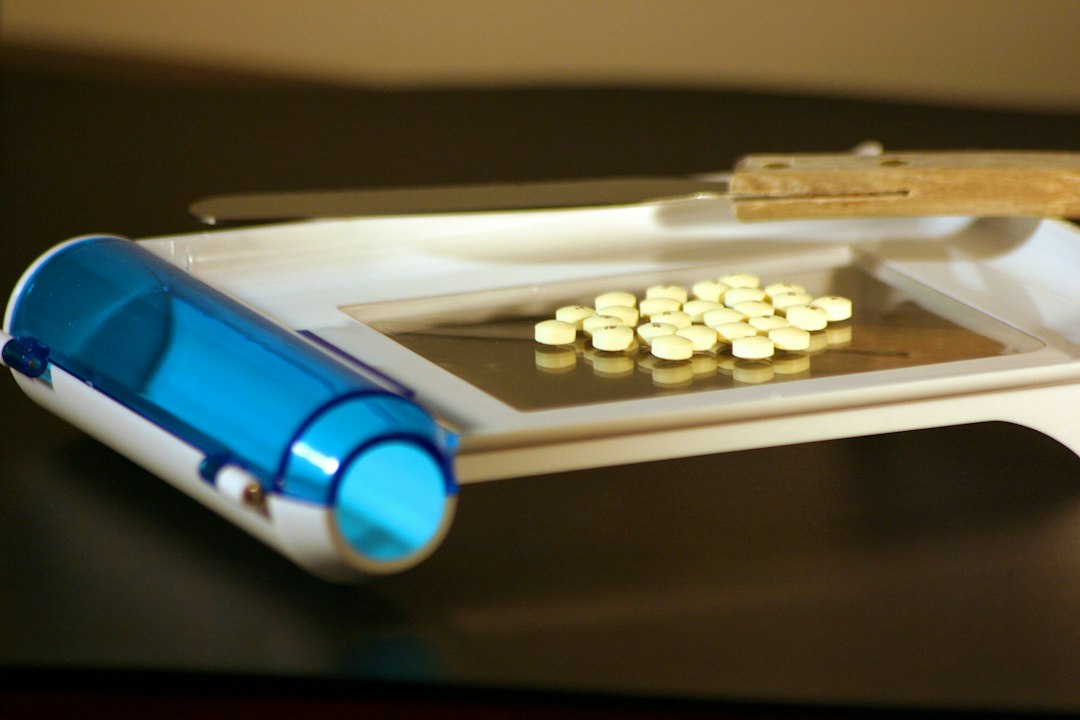
Implantable drug delivery microchips are tiny, sophisticated devices designed to release medication directly into your body, often on a precise schedule or even on demand, and many are being developed with remote-controlled capabilities. Think of them as miniature pharmacies embedded under your skin, offering a highly controlled and localized way to administer drugs, potentially transforming how we manage chronic conditions and complex therapies. This technology aims to improve treatment effectiveness, reduce side effects, and make medication adherence a thing of the past.
What Are These Microchips, Exactly?
At their core, implantable drug delivery microchips are micro-electromechanical systems (MEMS) that store and release therapeutic compounds. These aren’t just simple capsules; they are sophisticated devices featuring arrays of tiny reservoirs, each containing a precise dose of medication, along with a micro-controller, a power source, and often communication capabilities. The “microchip” aspect comes from the integrated circuitry that controls the release mechanism, allowing for highly programmable and often remote-controlled drug delivery.
How Do They Work? The Basics of Release
The magic of these microchips lies in their ability to release medication on command. Most designs utilize an array of tiny, sealed reservoirs. Each reservoir is typically capped with a thin, metallic membrane – often gold or platinum – that can be disintegrated or permeated using a small electrical current. When a signal is sent to a specific reservoir, a localized current is applied, dissolving the membrane and allowing the drug to diffuse into the surrounding tissue.
Other approaches exist too, though electrothermal activation is common. Some systems might use biodegradable polymers that slowly erode over time or in response to specific biological cues, while others might rely on osmotic pressure or even micro-pumps to push out the medication. The key is that the release is controlled and not a continuous, passive drip.
Components Under the Hood
A typical implantable microchip for drug delivery will have several critical components working in concert:
- Drug Reservoirs: These are the heart of the system, tiny compartments pre-filled with the active pharmaceutical ingredient in a solid, gel, or liquid form. The number of reservoirs can range from a few to hundreds, dictating the total drug capacity and duration of therapy.
- Release Mechanism: As mentioned, this is often an electrothermal system where tiny electrodes activate and dissolve a membrane covering a reservoir. Other mechanisms might involve micro-valves, pumps, or controlled degradation.
- Control Unit (Microprocessor): This is the brain, a tiny computer that stores the dosing schedule, receives commands, and sends signals to activate the release mechanisms at the appropriate time and for the correct duration.
- Power Source: Typically a small, rechargeable battery or a micro-fuel cell. For long-term implants, inductive charging (where power is transferred wirelessly from an external device) is a common strategy to avoid repeated surgeries for battery replacement.
- Communication Module: This allows the device to communicate with an external programmer or remote controller. This could be via radio frequency (RF) signals, Bluetooth, or even near-field communication (NFC).
- Biocompatible Encasing: The entire device needs to be encapsulated in a material that won’t cause an adverse reaction in the body, such as titanium, medical-grade plastics, or specialized ceramics.
The development of implantable drug delivery microchips represents a significant advancement in the field of precision medicine, allowing for remote-controlled dosing systems that can be tailored to individual patient needs. For those interested in exploring the intersection of technology and healthcare further, a related article discusses the best software for 3D animation, which can play a crucial role in visualizing complex medical devices and their functionalities. You can read more about it here: best software for 3D animation.
Key Takeaways
- The training data includes information and events up to October 2023.
- Insights and knowledge are based on a wide range of sources available until the cutoff date.
- No updates or developments occurring after October 2023 are included in the training.
- Users should verify current information from reliable sources for the latest updates.
- The model’s responses reflect the context and knowledge available up to the specified date.
Why Are These Microchips So Promising?

The appeal of implantable drug delivery microchips stems from their ability to overcome many limitations of traditional drug administration methods. They offer a level of precision and control that’s difficult to achieve otherwise, leading to several potential benefits.
Unprecedented Dosing Precision
Imagine a drug that needs to be administered at varying doses throughout the day or night, perhaps linked to a patient’s activity levels or physiological rhythms. With these microchips, it’s possible to program exact doses to be released at specific times, down to the microgram, something that’s practically impossible with pills or even most injectable systems. This precision can optimize therapeutic effects and minimize wasted medication.
Targeted and Localized Delivery
For certain conditions, like cancer within a specific organ or localized pain, delivering drugs directly to the affected area can significantly increase efficacy and reduce systemic side effects. While not all implantable microchips are designed for highly localized release (some are meant for systemic absorption), the potential exists to place them precisely where the drug is most needed, for example, near a tumor.
Eliminating Adherence Issues
One of the biggest challenges in healthcare is ensuring patients take their medication as prescribed. Forgetfulness, complex regimens, and even deliberate non-adherence can severely impact treatment outcomes. An implanted microchip completely bypasses this issue. Once implanted, the device handles the dosing automatically, ensuring consistent and timely administration without any active patient involvement. This is particularly valuable for chronic conditions requiring lifelong medication.
Reduced Side Effects
By delivering precise doses and potentially targeting specific areas, these microchips can help maintain drug concentrations within the therapeutic window, avoiding both sub-therapeutic levels and dangerously high peaks. This can lead to a significant reduction in off-target side effects often associated with systemic drug administration, where a larger dose is given to ensure enough reaches the target, but also affects other parts of the body.
On-Demand and Adaptive Dosing
The remote-controlled aspect is a game-changer. A clinician could potentially adjust a patient’s medication dose or schedule from a clinic, based on real-time data or evolving clinical needs, without requiring the patient to visit or undergo further procedures. In more advanced scenarios, the microchip could even integrate with biosensors, allowing for “closed-loop” systems where the drug release is automatically adjusted in response to physiological changes detected by the sensor. For instance, a glucose sensor could trigger insulin release.
Long-Term, Stable Delivery
Many chronic conditions require medication for months or years. Repeated injections or daily pill-taking can be burdensome. An implantable microchip designed for long-term use can provide continuous therapy for extended periods, potentially lasting for months or even years, depending on the drug capacity and battery life. This reduces the frequency of medical interventions and improves the patient’s quality of life.
Current Applications and Future Horizons
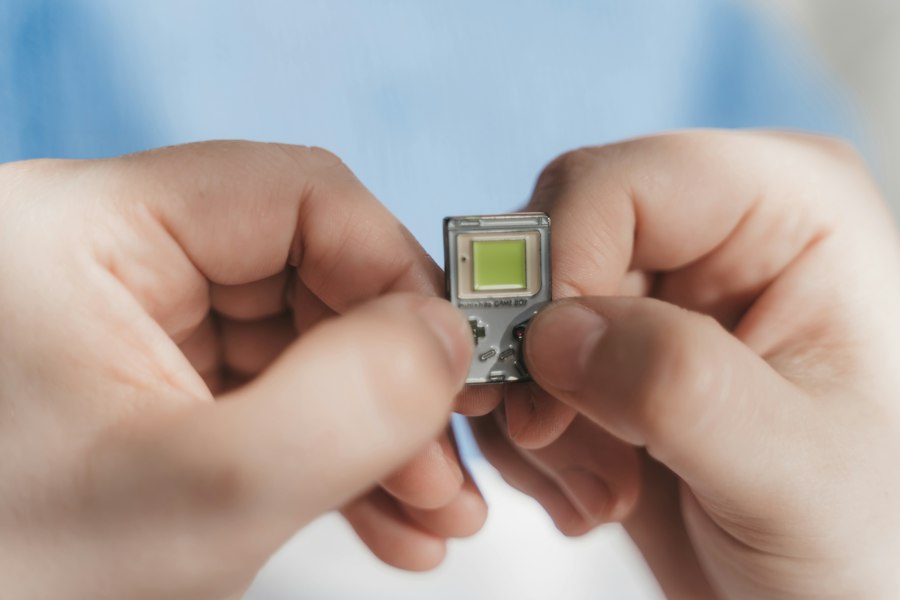
While still an evolving field, implantable drug delivery microchips are already making inroads into specific therapeutic areas, and their potential applications are vast.
Managing Chronic Conditions
This is perhaps the most immediate and impactful area for these devices. Conditions like diabetes, osteoporosis, and certain hormone deficiencies could greatly benefit.
Diabetes Management
For type 1 diabetes, closed-loop systems combining continuous glucose monitoring (CGM) with an implantable insulin pump or microchip are the holy grail. While current commercial insulin pumps are external, integrating them into an implantable microchip with remote control would offer unprecedented glucose control and greatly reduce the burden on patients.
Several research groups are actively pursuing implantable insulin delivery microchips that can release insulin based on real-time glucose levels.
Osteoporosis Treatment
One of the earliest and most successful applications has been for parathyroid hormone (PTH) delivery in osteoporosis. PTH needs to be administered intermittently and precisely to stimulate bone formation. Early trials of implantable microchips for PTH delivery have shown promising results, demonstrating the ability to release the drug accurately over extended periods, avoiding daily injections.
Contraception
Another significant area of development is long-acting contraception.
Microchips could be programmed to release contraceptive hormones for years, with the ability to turn the device on or off remotely, offering a new level of control and convenience for family planning. This moves beyond existing long-acting reversible contraceptives (LARCs) by adding programmable and remote-control features.
Pain Management
For chronic pain, especially localized neuropathic pain or pain associated with specific conditions, targeted delivery of analgesics or anti-inflammatory drugs via an implantable microchip could offer significant relief with fewer systemic side effects than oral medications. This could be particularly useful for conditions where direct drug application to nerve endings or affected tissues is beneficial.
Cancer Therapy
In oncology, implantable microchips could revolutionize how chemotherapy is delivered.
Imagine a chip implanted directly adjacent to a tumor, releasing potent anti-cancer drugs precisely where they are needed, minimizing exposure to healthy tissues and reducing debilitating systemic side effects. This could also be used to deliver immunotherapies or targeted agents in a highly controlled manner.
HIV Prevention and Treatment
Long-acting antiretroviral (ARV) delivery is crucial for both HIV treatment and pre-exposure prophylaxis (PrEP). Implantable microchips could deliver ARVs consistently over extended periods, ensuring adherence and maintaining protective drug levels, which is a major challenge with daily oral PrEP.
Challenges and Considerations
Despite their immense potential, implantable drug delivery microchips face several hurdles that need to be addressed before widespread adoption.
Biocompatibility and Implantation
Any device implanted into the body must be biocompatible, meaning it won’t trigger an adverse immune response, inflammation, or encapsulation by fibrous tissue that could impair its function. The surgical procedure for implantation also needs to be minimally invasive and safe, with a low risk of infection or other complications. Furthermore, long-term stability of the device within the body, resisting degradation or mechanical failure, is crucial.
Device Longevity and Rechargeability
For chronic conditions, these implants need to last for a significant duration – months to years. This requires robust power sources, often rechargeable batteries. The method of recharging (e.g., inductive charging) must be convenient and efficient for the patient. The drug reservoirs also have a finite capacity, meaning devices will eventually need replacement or refilling, necessitating further procedures.
Cost and Accessibility
Developing and manufacturing these sophisticated microchips is expensive. The initial cost of the device, coupled with surgical implantation and ongoing monitoring, could be substantial. Making this technology accessible and affordable for a broad patient population will be a significant challenge, requiring health economic evaluations and potentially new reimbursement models.
Security and Ethical Concerns
The remote-controlled nature of these devices raises important security and ethical questions. How can we ensure that the communication between the external controller and the implant is secure, preventing unauthorized access or malicious interference that could alter dosing? Who controls the dosing parameters – the patient, the clinician, or the manufacturer? Issues around data privacy (if the device collects physiological data) also need careful consideration. The concept of a remotely controlled device within one’s body brings up concerns about autonomy and potential misuse.
Regulatory Approval
Like all new medical devices, implantable drug delivery microchips must undergo rigorous testing and clinical trials to prove their safety and efficacy. The regulatory pathway is complex and lengthy, especially for novel technologies that combine drug delivery with electronics and software.
Demonstrating long-term reliability and predictable drug release will be critical for gaining approval from bodies like the FDA.
Drug Stability Within the Device
Maintaining the stability of the pharmaceutical compound within the tiny reservoirs over extended periods and at body temperature is another significant engineering challenge. The drug must not degrade, aggregate, or lose its potency while stored in the device, and its release profile must remain consistent.
The development of implantable drug delivery microchips represents a significant advancement in medical technology, allowing for remote-controlled precision dosing systems that can improve patient outcomes.
A related article discusses the evolution of smart devices, highlighting how innovations in technology, such as those found in smartwatches, are paving the way for more integrated health monitoring solutions.
For more insights on this topic, you can read the article on smartwatches and their role in modern healthcare.
The Future: A Personalized Medicine Frontier
| Metric | Description | Typical Range/Value | Unit |
|---|---|---|---|
| Chip Size | Physical dimensions of the implantable microchip | 10 x 10 x 2 | mm |
| Drug Reservoir Capacity | Volume of drug that can be stored within the chip | 10 – 100 | µL |
| Dosing Precision | Accuracy of drug dose delivered per activation | ±5 | % |
| Remote Activation Range | Maximum distance for wireless control of dosing | 1 – 5 | meters |
| Battery Life | Operational lifespan of the chip’s power source | 6 – 12 | months |
| Number of Doses | Total doses deliverable before refill or replacement | 50 – 200 | doses |
| Drug Types Supported | Types of drugs compatible with the microchip system | Insulin, Painkillers, Hormones, Vaccines | N/A |
| Delivery Method | Mechanism used to release the drug | Electrochemical, Microfluidic | N/A |
| Response Time | Time from remote command to drug release | 1 – 5 | seconds |
| Biocompatibility | Material compatibility with human tissue | ISO 10993 Certified | N/A |
Implantable drug delivery microchips represent a fascinating convergence of microelectronics, materials science, and pharmacology. They hold the promise of ushering in a new era of personalized medicine, where drug therapies are not only tailored to an individual’s specific needs but also delivered with unprecedented precision and control.
As technology advances, we can expect to see smaller, more sophisticated devices with increased drug capacity, longer battery life, and enhanced communication capabilities. The integration with biosensors will likely become more common, leading to truly intelligent, closed-loop systems that can adapt drug delivery in real-time based on the body’s physiological demands.
While challenges remain, the potential benefits – improved patient outcomes, reduced side effects, and freedom from daily adherence burdens – are powerful drivers for continued research and development. These tiny, remotely controlled pharmacies could fundamentally change how we approach chronic disease management, offering a glimpse into a future where medication is not just taken, but intelligently administered from within.
Enjoying our content? Make us a preferred source on Google:
Add us as a Preferred Source on Google