

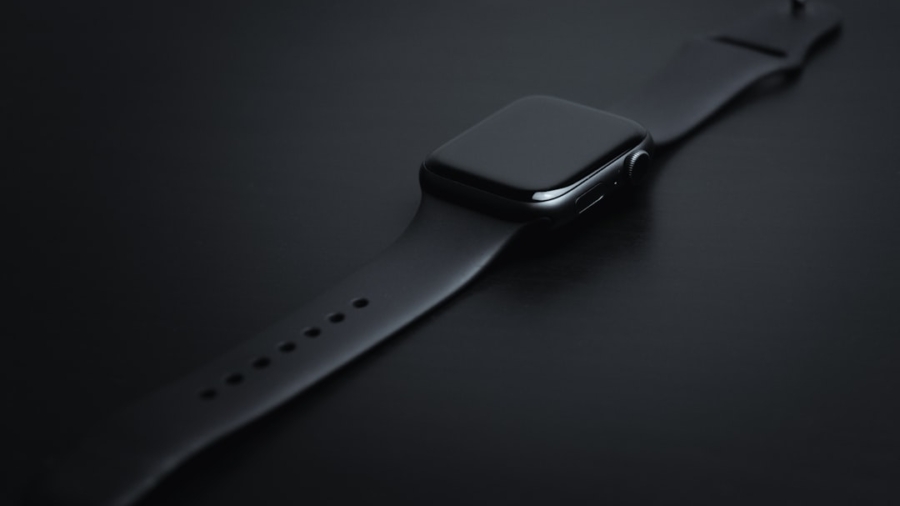
Wearable tech is making a real difference in how we manage recovery after surgery. Instead of needing constant in-person check-ins, many patients can now be monitored remotely, right from their own homes. This means less stress for you, more comfort, and often, a quicker return to your normal routine. It’s not about replacing doctors, but about giving them and you more information, more reliably, and with greater convenience.
Historically, post-surgery care meant a significant hospital stay, followed by a period of limited activity and frequent clinic visits. This model, while necessary for many complex recoveries, comes with its own set of challenges. Patients might feel anxious being away from home, the travel for follow-up appointments can be taxing, and there’s always the risk of hospital-acquired infections.
Reduced Hospital Strain
Hospitals are often stretched thin.
By enabling more patients to recover at home, wearable technology helps alleviate this pressure.
This allows healthcare facilities to focus resources on those who truly need intensive, in-patient care. It’s a win-win: patients get to be in their familiar surroundings, and hospitals can operate more efficiently.
Enhanced Patient Comfort and Autonomy
There’s a psychological benefit to recovering in your own bed, surrounded by loved ones and familiar comforts. Wearable tech facilitates this without compromising on safety. It empowers patients to take a more active role in their recovery, knowing that their vital signs and progress are being discreetly monitored. This sense of control can be incredibly beneficial for mental well-being.
Cost-Effectiveness
While there’s an initial investment in wearable devices and the associated platforms, the long-term cost savings can be significant. Fewer hospital readmissions, reduced travel expenses for patients, and a more efficient use of healthcare professional time all contribute to a more sustainable and affordable healthcare model.
In exploring the advancements in wearable technology, it is fascinating to see how these innovations are enhancing post-surgery remote patient monitoring. A related article discusses the impact of social media platforms on personal identity, which reflects the broader trend of technology shaping our lives in various ways. For more insights, you can read about it in this article on Instagram’s new feature: Instagram Adds a Dedicated Spot for Your Pronouns.
Key Takeaways
- Clear communication is essential for effective teamwork
- Active listening is crucial for understanding team members’ perspectives
- Setting clear goals and expectations helps to keep the team focused
- Regular feedback and open communication can help address any issues early on
- Celebrating achievements and milestones can boost team morale and motivation
What Exactly is Being Monitored?
The “wearable” aspect is key. These aren’t just fitness trackers anymore; they’re sophisticated medical-grade devices capable of collecting a range of crucial data points that were once only available in a clinical setting.
Vital Signs at a Glance
The most common parameters monitored include heart rate, blood oxygen saturation (SpO2), and respiratory rate. These are fundamental indicators of your body’s response to surgery and healing.
Heart Rate and Rhythm
A consistent and appropriate heart rate is vital for recovery. Fluctuations can signal pain, infection, or other complications. Some wearables can even detect irregular heart rhythms, prompting an earlier intervention if needed.
Blood Oxygen Levels
Post-surgery, maintaining adequate oxygen levels is critical for tissue repair and preventing complications. A dip in SpO2 can be an early warning sign that something isn’t right.
Respiratory Rate
Breathing patterns can also offer clues about your recovery. Changes in breathing rate or depth might indicate discomfort, fluid buildup, or respiratory distress.
Activity and Mobility Tracking
Your movement patterns are an important part of your recovery journey, especially after procedures that affect your mobility.
Step Count and Distance
For surgeries where regaining mobility is a primary goal, tracking daily steps and distance provides objective data on progress. This can motivate patients and show clinicians if they are meeting rehabilitation milestones.
Sedentary Time and Sleep Patterns
Excessive sedentary time can hinder recovery, while poor sleep can impede healing. Wearables can help identify if a patient is spending too much time inactive or experiencing disrupted sleep, prompting recommendations for increased activity or better sleep hygiene.
Temperature Monitoring
A slight rise in temperature can be normal after surgery, but a sustained fever can indicate an infection. Continuous or frequent temperature monitoring can provide an early alert.
Skin Temperature
Some advanced wearables can monitor skin temperature, which can sometimes be an earlier indicator of inflammation or infection than core body temperature.
Specialized Sensors for Specific Procedures
Beyond general vital signs, certain wearables are being developed for highly specific post-surgical needs.
Wound Healing and Infection Detection
Emerging technologies are exploring sensors that can monitor the wound environment, looking for changes in moisture, temperature, or even the presence of specific biomarkers that could indicate an infection.
Pain Level Estimation
While subjective, pain can be correlated with physiological data. Some research is exploring how heart rate variability and other biometrics might offer an objective proxy for pain levels, allowing patients to simply report their experience.
How the Data is Used: Connecting Patients to Care Teams

It’s not just about collecting data; it’s about making that data useful. This is where the “remote” aspect of monitoring truly shines.
Real-Time Data Transmission
The information from your wearable device is typically transmitted wirelessly to a secure platform. This platform can be accessed by your healthcare provider.
Cloud-Based Platforms
Most systems utilize cloud technology, allowing for secure storage and easy access to patient data from anywhere with an internet connection.
Secure Data Encryption
Patient privacy is paramount.
Robust encryption protocols ensure that your sensitive health information remains protected during transmission and storage.
Automated Alerts and Notifications
One of the most powerful features is the ability for the system to flag concerning data points. Instead of waiting for a scheduled appointment, your care team can be alerted immediately if your vital signs deviate from the expected recovery path.
Threshold-Based Alerts
Clinicians set specific thresholds for different vital signs.
If your heart rate, for example, consistently goes above or below these thresholds, an alert is triggered.
Trend Analysis and Pattern Recognition
Beyond individual data points, these platforms can analyze trends over time. This helps identify subtle changes that might be missed in sporadic check-ins and provides a more comprehensive picture of your recovery.
Telehealth Integration
The data collected by wearables seamlessly integrates with telehealth platforms.
This allows for more informed virtual consultations.
Enhanced Virtual Consultations
When your doctor can see your real-time data alongside your self-reported symptoms, virtual visits become much more effective. They can ask more targeted questions and make more accurate assessments.
Proactive Interventions
By identifying potential issues early through wearable data, healthcare providers can intervene before a minor concern becomes a major problem, potentially preventing hospital readmissions.
Benefits for Patients: Beyond Just Convenience

The advantages for patients go far beyond simply staying home. It’s about a more empowered, informed, and comfortable recovery experience.
Reduced Anxiety and Improved Peace of Mind
Knowing that you’re being monitored, even from afar, can significantly reduce post-surgery anxiety. You feel less alone in your recovery journey.
Early Detection of Complications
This is perhaps the most critical benefit. Wearables can detect subtle signs of complications like infection, blood clots, or cardiac issues much earlier than a patient might notice them themselves, allowing for timely intervention.
Fewer Unnecessary Trips to the Doctor
For minor concerns that resolve on their own, the remote monitoring system might confirm that everything is on track, saving you the hassle of an in-person visit.
Greater Control Over Recovery
Patients become more engaged in their own health when they have access to their data and understand what it means. This fosters a sense of agency.
Personalised Feedback and Guidance
Some platforms offer personalized feedback based on the data, suggesting adjustments to activity levels or rest.
Shared Decision-Making
When patients and doctors have a clearer, data-driven understanding of progress, collaborative decision-making about the recovery plan becomes more effective.
Faster Return to Normal Activities
With the confidence that comes from continuous monitoring, patients may feel more comfortable gradually reintroducing normal activities, potentially speeding up their overall recovery timeline.
Wearable technology is revolutionizing the way healthcare providers monitor patients after surgery, offering real-time data that enhances recovery outcomes. A recent article discusses how these advancements in remote patient monitoring are not only improving patient safety but also reducing the need for frequent hospital visits. For those interested in exploring more about technology in different fields, you might find the insights in this guide on DJ software quite fascinating, as it highlights how technology continues to shape various industries.
Challenges and the Future of Wearable Post-Surgery Monitoring
| Metrics | Improvement |
|---|---|
| Reduced Hospital Readmissions | By enabling continuous monitoring of vital signs and recovery progress, wearable tech helps in early detection of complications, reducing the need for hospital readmissions. |
| Enhanced Patient Engagement | Patients can actively participate in their recovery process by tracking their own health data through wearable devices, leading to better engagement and adherence to post-surgery care plans. |
| Real-time Data Transmission | Wearable devices allow for real-time transmission of patient data to healthcare providers, enabling prompt intervention in case of any concerning developments. |
| Improved Recovery Monitoring | Continuous monitoring of activity levels, heart rate, and other vital signs provides healthcare providers with valuable insights into the patient’s recovery progress, allowing for personalized care and timely adjustments to treatment plans. |
While the progress is remarkable, it’s not without its hurdles. Addressing these will be key to widespread adoption and continued innovation.
Accuracy and Reliability of Consumer-Grade Devices
While medical-grade wearables are becoming increasingly accurate, there can still be variations. Ensuring consistent reliability is crucial for clinical decision-making.
Calibration and Validation
Ongoing efforts are focused on standardizing the calibration and validation of wearable sensors to ensure clinical-grade accuracy.
Distinguishing Between Normal and Abnormal Readings
The systems need to be intelligent enough to differentiate between normal post-operative fluctuations and genuine warning signs.
Data Overload and Clinician Burden
The sheer volume of data generated by widespread remote monitoring can be overwhelming for healthcare providers if not managed effectively.
Advanced AI and Machine Learning
Artificial intelligence and machine learning are being developed to sift through the data, highlight critical information, and reduce the burden on clinicians.
Customizable Alert Systems
Allowing clinicians to customize alert parameters ensures they are only notified of genuinely concerning events.
Patient Adherence and Digital Literacy
Not all patients are comfortable or capable of using wearable technology. Ensuring ease of use and providing adequate support is vital.
User-Friendly Interfaces
Designing intuitive and simple-to-use devices and apps is paramount for patient adherence.
Education and Technical Support
Providing clear instructions and readily available technical support helps overcome any digital literacy barriers.
Data Privacy and Security Concerns
As mentioned earlier, protecting patient data is paramount. Robust cybersecurity measures are essential.
Regulatory Compliance
Adherence to strict healthcare data privacy regulations like HIPAA (in the US) is non-negotiable.
Secure Data Storage and Access Controls
Implementing multi-layered security protocols prevents unauthorized access and breaches.
Integration with Existing Healthcare Systems
For seamless adoption, wearable data needs to integrate smoothly with electronic health records (EHRs) and other hospital information systems.
Interoperability Standards
Developing and adhering to interoperability standards allows data to flow freely and efficiently between different systems.
The future holds even more exciting possibilities, with advancements in AI for predictive analytics, the development of more specialized sensors, and even wearables that can administer localized treatments. Wearable technology isn’t just a trend; it’s fundamentally reshaping how we approach recovery, making it more personalized, efficient, and ultimately, more human.
FAQs
What is wearable tech in the context of post-surgery remote patient monitoring?
Wearable tech refers to devices that can be worn by patients to monitor their health and vital signs. In the context of post-surgery remote patient monitoring, wearable tech can include devices such as smartwatches, fitness trackers, and medical-grade monitoring devices.
How does wearable tech improve post-surgery remote patient monitoring?
Wearable tech allows healthcare providers to remotely monitor patients’ vital signs, activity levels, and recovery progress after surgery. This real-time data can help identify potential complications early, reduce the need for in-person follow-up appointments, and provide patients with personalized care.
What are some examples of wearable tech used in post-surgery remote patient monitoring?
Examples of wearable tech used in post-surgery remote patient monitoring include smartwatches with built-in heart rate monitors, fitness trackers that monitor activity levels and sleep patterns, and medical-grade devices that can measure vital signs such as blood pressure, oxygen saturation, and temperature.
What are the benefits of using wearable tech for post-surgery remote patient monitoring?
The benefits of using wearable tech for post-surgery remote patient monitoring include improved patient outcomes, reduced healthcare costs, increased patient engagement in their own recovery, and the ability to detect potential complications early.
Are there any limitations or challenges associated with using wearable tech for post-surgery remote patient monitoring?
Some limitations and challenges associated with using wearable tech for post-surgery remote patient monitoring include data privacy and security concerns, patient adherence to wearing the devices, and the need for healthcare providers to effectively integrate the data into their existing workflows.
Enjoying our content? Make us a preferred source on Google:
Add us as a Preferred Source on Google