

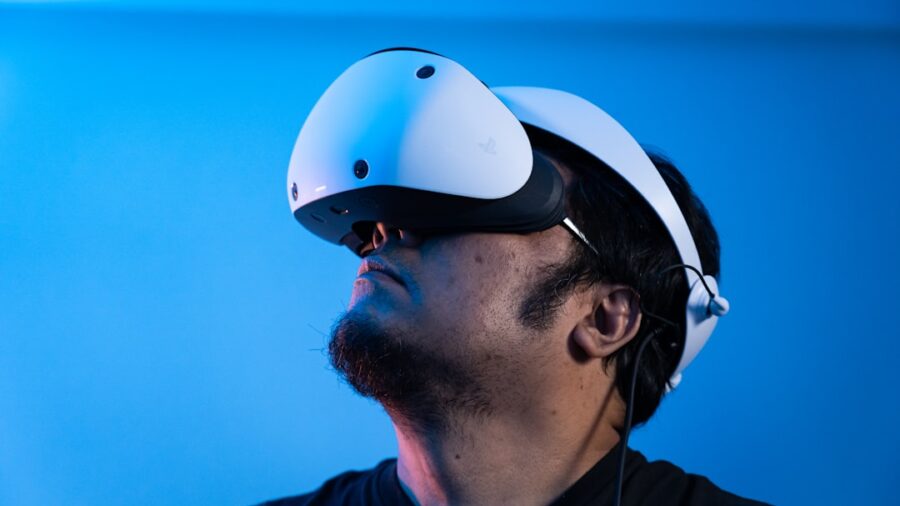
So, you’re wondering about haptic technical training, specifically how immersive VR gear is shaking things up for vocational welding and mechanics courses? In a nutshell, it’s a game-changer. This isn’t just about putting on a headset and watching a video; it’s about feeling the weld, feeling the torque of a wrench, and getting hands-on experience in a safe, repeatable, and surprisingly realistic virtual environment. It’s designed to bridge the gap between classroom theory and real-world shop floor practice, offering a more effective and accessible way to learn these vital skills.
When we talk about haptic feedback, we’re essentially talking about the sense of touch. In the context of VR training, it means specialized equipment is giving you physical sensations that mimic real-world interactions. Think of your phone vibrating when you get a notification – that’s a basic form of haptic feedback. In vocational training, it’s much more sophisticated.
Beyond Visuals: Why Haptics Matter
While visual immersion in VR is impressive, adding the sense of touch elevates the learning experience dramatically. For skills like welding, feeling the resistance of the metal as the arc strikes, or the vibration as the bead is laid, is crucial for developing muscle memory and understanding proper technique. Similarly, for mechanics, feeling the click of a wrench tightening a bolt to the correct torque, or the subtle give of a worn part, provides invaluable sensory input that visuals alone can’t convey.
How Haptics are Integrated into VR Gear
Haptic feedback in VR training isn’t a one-size-fits-all solution. It’s often incorporated through:
- Specialized Controllers: These controllers might have internal motors that vibrate or exert resistance, simulating the feel of tools or materials.
- Haptic Gloves: These gloves can provide more nuanced feedback to individual fingers, allowing for precise manipulation and feel of smaller components.
- Force Feedback Devices: For tasks like welding, these can mimic the resistance and vibration experienced when striking an arc or moving a torch. For mechanics, they can simulate the torque and resistance of turning a wrench or interacting with a component.
In exploring the innovative applications of technology in vocational training, a related article discusses the recent sale of a CryptoPunks NFT bundle for an astonishing $17 million at a Christie’s auction. This highlights the growing intersection of digital assets and traditional industries, much like how immersive VR gear is revolutionizing courses in welding and mechanics.
For more insights into the world of digital collectibles and their impact on various sectors, you can read the article here:
5G Innovations (13) Wireless Communication Trends (13) Article (343) Augmented Reality & Virtual Reality (895)
- Metaverse (263)
- Virtual Workplaces (35)
- VR & AR Games (34)
Cybersecurity & Tech Ethics (804)
- Cyber Threats & Solutions (3)
- Ethics in AI (33)
- Privacy Protection (32)
Drones, Robotics & Automation (485)
- Automation in Industry (33)
- Consumer Drones (33)
- Industrial Robotics (33)
EdTech & Educational Innovations (343)
- EdTech Tools (18)
- Online Learning Platforms (4)
- Virtual Classrooms (34)
Emerging Technologies (1,976) FinTech & Digital Finance (447) Frontpage Article (1) Gaming & Interactive Entertainment (381) Health & Biotech Innovations (709)
- AI in Healthcare (3)
- Biotech Trends (4)
- Wearable Health Devices (505)
News (97) Reviews (129) Smart Home & IoT (446)
- Connected Devices (3)
- Home Automation (4)
- Robotics for Home (33)
- SmartPhone (48)
Space & Aerospace Technologies (343)
- Aerospace Innovations (4)
- Commercial Spaceflight (3)
- Space Exploration (62)
Sustainable Technology (779) Tech Careers & Jobs (338) Tech Guides & Tutorials (1,139)
- DIY Tech Projects (3)
- Getting Started with Tech (60)
- Laptop & PC (58)
- Productivity & Everyday Tech Tips (323)
- Social Media (64)
- Software (320)
- Software How-to (3)
Uncategorized (146)