

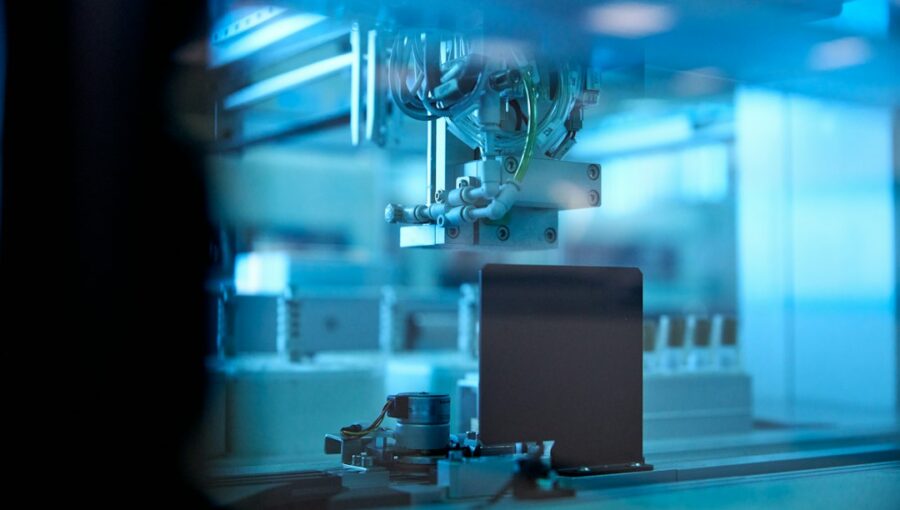
Haptic feedback in precision engineering is essentially about making you feel digital interactions and remote operations as if they were physical. Think of it as adding a sense of touch to your tools, whether you’re designing a microscopic component or performing delicate surgery from miles away. This isn’t just about buzzes and vibrations; it’s about conveying detailed textural information, resistance, and even the feeling of a material’s elasticity, which can drastically improve accuracy and reduce errors in highly sensitive tasks.
The Foundation of Haptic Feedback for Precision
At its core, haptic feedback involves creating tactile sensations by manipulating forces, vibrations, or motions. For precision engineering, this moves beyond simple alerts to nuanced representations of physical properties. The goal is to bridge the gap between human perception and complex machinery, allowing operators to “feel” what’s happening at the interface of their tools and the material they’re working on.
Understanding the Spectrum of Haptic Modalities
Haptic feedback isn’t a single technology; it’s a spectrum of approaches. Broadly, we categorize it into kinesthetic and tactile feedback. Kinesthetic feedback deals with forces and positions, essentially how your muscles and joints feel resistance, weight, or the physical constraints of an object. Imagine pushing a virtual button and feeling the “click” through your finger, or guiding a robotic arm and feeling the resistance as it encounters a solid surface. This is crucial for tasks requiring strength, dexterity, and an understanding of spatial relationships.
Tactile feedback, on the other hand, focuses on surface sensations – textures, vibrations, temperature changes, and pressure distributions on the skin. Think of feeling the roughness of sandpaper through a virtual reality glove or detecting the fine grain of a material being machined. This level of detail is paramount in micro-assembly or surgical procedures where subtle differences in texture can indicate crucial information.
From Simple Vibrations to Complex Force Fields
The evolution of haptic devices reflects this growing need for specificity. Early haptic systems were often limited to basic vibration motors, similar to those found in mobile phones, offering rudimentary alerts. While useful for notifications, they lack the fidelity required for precision tasks.
Modern haptic devices for engineering applications, however, are far more sophisticated. Force feedback devices, like robotic arms equipped with actuators and sensors, can simulate resistance, stiffness, and even weight. These systems often employ powerful motors and intricate linkage mechanisms to accurately reproduce forces that an operator would experience in a real-world scenario. For instance, in teleoperation of a robot assembling microscopic parts, the operator can feel the tiny forces of friction or the click of parts mating together.
Advanced tactile displays utilize arrays of small pins that can be raised and lowered to create dynamic textures, or micro-actuators that generate localized vibrations or pressure changes. These can mimic the feel of different materials or surface finishes, providing critical sensory input for quality control or design validation. The combination of kinesthetic and tactile feedback is where true immersion begins, allowing engineers to not just “see” but also “feel” their digital designs and remote operations.
In the realm of technological advancements, the article on Haptic Feedback Innovations: Advancing Sensory Immersion for Precision Engineering highlights the significant role of tactile sensations in enhancing user experiences across various industries. For further insights into the evolving landscape of technology and its impact on engineering, you can explore a related article on Recode, which discusses the latest trends and innovations in the tech world. Check it out here: Recode Technology News.
Key Takeaways
- The training data includes information and events up to October 2023.
- Insights and knowledge are based on a wide range of sources available until the cutoff date.
- No updates or developments occurring after October 2023 are included in the training.
- Users should verify current information from reliable sources for the latest updates.
- The model’s responses reflect the context and knowledge available up to the specified date.
Key Applications in Precision Engineering
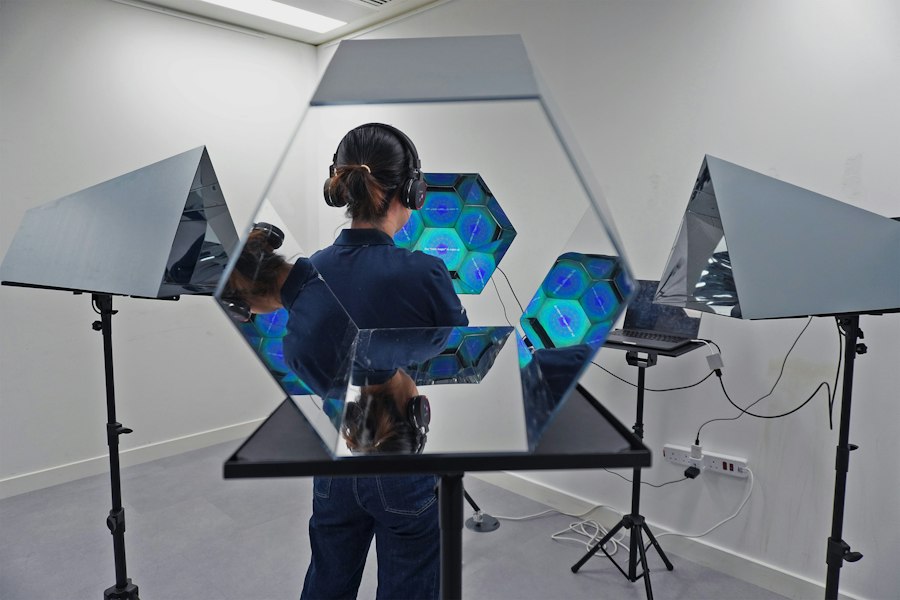
Haptic feedback is transforming several critical areas within precision engineering, moving beyond theoretical concepts to practical, indispensable tools. The ability to add a sense of touch dramatically enhances operator control, awareness, and ultimately, the quality of work.
Enhancing Remote Operation and Telepresence
One of the most impactful applications of haptic feedback is in remote operation, particularly in hazardous environments or situations requiring extreme precision. Imagine a surgeon performing a delicate operation on a patient thousands of miles away, or an engineer manipulating radioactive materials inside a containment facility. Without haptic feedback, these tasks rely solely on visual cues, which can be insufficient for complex maneuvers.
With haptic teleoperation, the operator uses a master controller that mimics the slave robot’s movements. Critically, the forces and tactile sensations experienced by the slave robot are transmitted back to the master controller, allowing the operator to feel the environment. This means feeling the resistance of tissue during surgery, the friction of components during assembly, or the subtle impact of a tool on a surface. This “force reflection” significantly improves dexterity, reduces the risk of accidental damage, and allows for more intuitive control, making remote operations feel much closer to hands-on work.
Augmenting Design and Prototyping Workflows
In the design and prototyping phases, haptic feedback offers engineers a tangible way to interact with virtual models. Instead of just seeing a 3D model on a screen, designers can “feel” its shape, texture, and even its material properties. This is particularly valuable in fields like product design, automotive engineering, and aerospace, where the ergonomics and tactile qualities of a component are crucial.
For instance, an automotive engineer designing a new dashboard can use a haptic stylus to sculpt virtual surfaces, feeling the curvature and resistance as if they were working with clay. They can “feel” the click of a virtual button or the resistance of a dial, assessing its ergonomics before any physical prototype is made. This iterative process, guided by sensory feedback, can drastically reduce design cycles, optimize material selection, and lead to more user-friendly and aesthetically pleasing products. Furthermore, in virtual assembly simulations, engineers can “feel” if parts fit correctly, detecting potential clashes or misalignments that might be difficult to spot visually.
Improving Training and Skill Development
Haptic feedback offers an unparalleled advantage in training for precision-oriented tasks. Traditional training often involves costly physical prototypes, limited practice opportunities, and a steep learning curve. Haptic simulators provide a safe, repeatable, and highly effective environment for trainees to develop motor skills and tactile sensitivity without the risk of damaging expensive equipment or real-world consequences.
Consider surgical training: residents can practice complex procedures on virtual patients, feeling the texture of different tissues, the resistance of bone, and the precise forces required for suturing or cutting. The simulator can even provide real-time feedback on the force applied, helping to prevent errors. Similarly, in fields like micro-assembly, aerospace maintenance, or even delicate electronics repair, haptic-enabled simulators allow technicians to hone their dexterity and precision by repeatedly performing tasks in a simulated environment, gaining muscle memory and tactile understanding before ever touching a real component. This translates to faster skill acquisition, increased confidence, and a significant reduction in training costs and resource consumption.
Technologies Driving Haptic Innovation
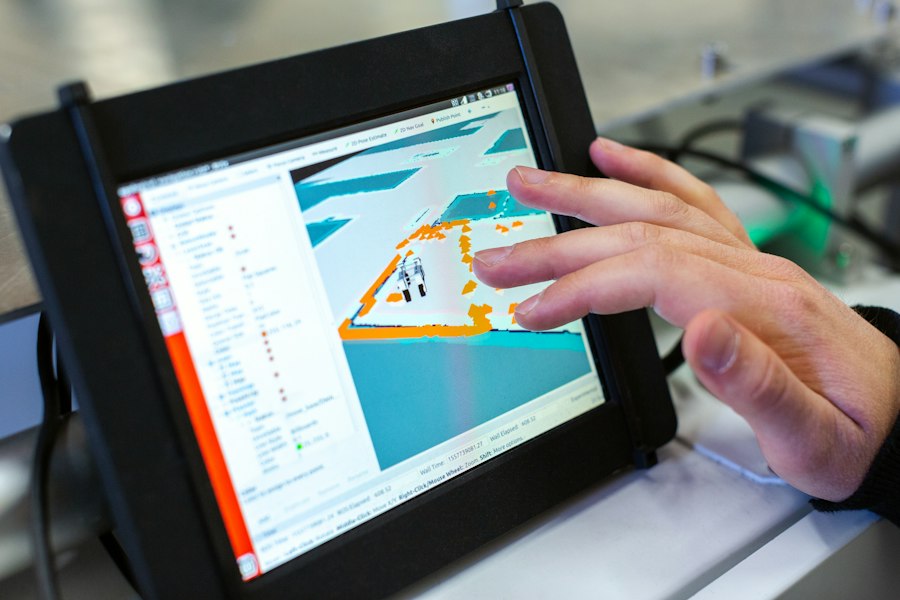
The advancements in haptic feedback aren’t accidental; they’re the result of sophisticated technological breakthroughs across several disciplines. From the fundamental components to the underlying control algorithms, each piece plays a vital role in creating the immersive tactile experiences needed for precision engineering.
Advanced Actuators and Sensors
The heart of any haptic system lies in its actuators – the components that generate the physical sensations – and its sensors – which detect interactions and environmental properties. For precision applications, these components need to be highly responsive, accurate, and often miniaturized.
Traditional haptic devices might use eccentric rotating mass (ERM) motors for simple vibrations or linear resonant actuators (LRAs) for more focused tactile effects.
However, for precision engineering, we’re seeing a shift towards more advanced technologies. Piezoelectric actuators are gaining traction due to their ability to generate very fast, precise, and high-frequency vibrations, making them excellent for conveying subtle textures and surface qualities. They can be integrated into touchscreens or surfaces to create localized haptic effects.
Solenoids, while robust, are being refined for finer control and quicker response times in some applications, especially where a distinct “click” or detent is needed.
Electromagnetic actuators offer precise force control and can be designed for specific force feedback ranges, making them suitable for kinesthetic devices like haptic joysticks or robotic arms.
On the sensing side, high-resolution force sensors and tactile arrays are crucial. Force/torque sensors at the end-effector of a robotic arm, for example, accurately measure the interaction forces, which are then relayed back to the operator’s haptic device. Miniaturized pressure sensors and flexible strain gauges integrated into gloves or tools can detect subtle contact patterns and material deformation, providing richer tactile information.
The interplay between highly sensitive sensors and responsive actuators is what enables the nuanced feedback required for precision tasks.
Sophisticated Control Algorithms and Modeling
Generating realistic haptic sensations is far more complex than simply turning an actuator on or off. It requires sophisticated control algorithms that can translate digital data into meaningful physical forces and vibrations in real-time.
These algorithms often employ complex physics-based models that simulate the properties of virtual objects – their stiffness, friction, damping, and inertia. When a user interacts with a virtual object, the algorithm calculates the expected force feedback based on these models and the user’s input.
This calculation must happen incredibly fast, often at refresh rates of 1000 Hz or more, to avoid noticeable latency and ensure a smooth, realistic sensation. Even a slight delay can break the illusion of physical interaction.
Furthermore, algorithms are being developed to create “haptic rendering” of complex textures and surface features. This involves mapping visual data, such as a surface’s normal map or displacement map, to tactile feedback, effectively allowing users to “feel” the bumps, grooves, and porosity of a virtual material.
Advanced control schemes, including impedance control and admittance control, are used to manage the interaction between the haptic device and the user, ensuring stability and accuracy in force reflection. The goal is to make the haptic display “transparent,” meaning the user feels the virtual environment, not the mechanics of the haptic device itself.
Integration with Virtual and Augmented Reality
The true potential of haptic feedback in precision engineering is realized when it’s seamlessly integrated with virtual reality (VR) and augmented reality (AR) systems. While VR/AR provide the visual and auditory immersion, haptics completes the sensory experience by adding touch.
In VR, haptic gloves, vests, or full-body suits allow engineers to interact with digital prototypes as if they were physically present.
Imagine walking around a virtual engine, reaching out to grasp a component, and feeling its weight and texture through a haptic glove. This synergy enables intuitive manipulation, design review, and training in fully immersive environments. Engineers can not only see a potential flaw in a design but also “feel” its implications, such as a sharp edge or an unstable component.
AR, on the other hand, superimposes digital information onto the real world.
Haptic feedback in AR can guide an engineer during assembly, for example, by providing tactile cues on where to place a component or how much force to apply. Imagine an AR overlay showing assembly instructions, with a haptic tool buzzing subtly when it’s correctly aligned or offering resistance if the user is about to apply too much force. This combination enhances precision in real-world tasks, reduces cognitive load, and can significantly improve efficiency and reduce errors in complex manual operations.
The future of precision engineering increasingly lies in these combined multi-sensory experiences.
Challenges and Considerations in Implementation
While the promise of haptic feedback in precision engineering is immense, its widespread adoption and optimal implementation come with a unique set of challenges. Addressing these hurdles is crucial for transitioning from niche applications to ubiquitous integration.
Latency and Fidelity Requirements
Perhaps the most critical challenge in haptic systems, especially for precision engineering, is latency. Any noticeable delay between a user’s action and the corresponding haptic feedback – even a few milliseconds – can severely degrade the realism and utility of the system. In precision tasks like surgery or micro-assembly, even a fraction of a second of lag can lead to instability, overshooting targets, or even damage. Achieving “real-time” haptic rendering often means processing information and generating forces at refresh rates of 1,000 Hz or higher, which places significant demands on computing power, communication bandwidth, and actuator response times.
Closely related to latency is fidelity. For precision work, the haptic feedback needs to be incredibly accurate and detailed. A generic vibration won’t suffice when an engineer needs to distinguish between different surface roughnesses or feel the exact resistance of a small gear meshing. This requires high-resolution actuators, precise sensors, and sophisticated rendering algorithms that can accurately simulate complex physical interactions. Balancing the need for high fidelity with the constraints of latency and computational resources is an ongoing engineering challenge.
Ergonomics and User Interface Design
The design of haptic devices themselves is paramount. Poor ergonomics can lead to user fatigue, discomfort, and reduced performance, regardless of how advanced the underlying haptic technology is. For applications requiring long periods of use, such as design review or surgical training, devices must be lightweight, comfortable, and allow for natural movements. This means careful consideration of weight distribution, grip design, and the freedom of motion offered by the device.
Furthermore, the user interface (UI) for controlling haptic feedback needs to be intuitive. It’s not enough to simply provide feedback; the feedback needs to be meaningful and easily interpretable by the user. This involves thoughtful mapping of virtual properties to physical sensations. For instance, how do you represent the feeling of ductility versus brittleness? How do you convey an impending collision without being overly alarming? Effective UI design ensures that the haptic cues enhance, rather than distract from, the primary task, making the interaction feel natural and seamless.
Cost and Complexity of Integration
High-fidelity haptic systems, particularly those offering true force feedback, can be quite expensive. The specialized actuators, high-resolution sensors, robust mechanical linkages, and powerful control electronics all contribute to a significant price tag. This can be a barrier to entry for smaller organizations or for widespread deployment in educational settings. As the technology matures, however, we can expect costs to decrease, mirroring the trajectory of other advanced technologies.
Beyond the initial purchase price, integrating haptic systems into existing engineering workflows and software environments adds another layer of complexity. This often requires custom software development, API integration, and calibration processes. Compatibility with various CAD/CAM software, simulation platforms, and robotic systems is crucial for broad adoption. Ensuring interoperability and developing standardized protocols for haptic data exchange are ongoing efforts that will help reduce the integration burden and make these powerful tools more accessible. The investment in time and expertise for integration must yield tangible benefits in terms of precision, efficiency, and safety to justify the initial outlay.
In exploring the advancements in haptic feedback technologies, one can gain further insights by examining a related article that discusses effective strategies for affiliate marketing on social media platforms. This resource highlights how sensory immersion can enhance user engagement, making it particularly relevant for industries focused on precision engineering. For more information, you can read the article on affiliate marketing in Instagram.
The Future Landscape of Haptic Precision
| Innovation | Technology Type | Application Area | Key Metric | Impact on Precision Engineering |
|---|---|---|---|---|
| Ultrasonic Mid-Air Haptics | Non-contact tactile feedback | Remote manipulation and control | Resolution: 0.1 mm | Enables precise object handling without physical contact |
| Wearable Haptic Gloves | Force feedback and vibration | Virtual prototyping and assembly | Force feedback range: 0-5 N | Improves dexterity and accuracy in virtual environments |
| Electrotactile Feedback Systems | Electrical stimulation | Fine texture and surface detection | Stimulation frequency: 1-500 Hz | Enhances surface detail perception for quality control |
| Piezoelectric Actuators | High-frequency vibration | Micro-assembly and machining | Response time: | Allows ultra-precise tool positioning and feedback |
| Soft Robotics Haptics | Adaptive tactile interfaces | Delicate object manipulation | Pressure sensitivity: 0.01 N/cm² | Reduces damage risk while maintaining precision |
The journey of haptic feedback in precision engineering is far from over. We’re on the cusp of breakthroughs that promise to make these systems even more powerful, intuitive, and seamlessly integrated into our engineering practices. The next wave of innovation will tackle current limitations and unlock entirely new possibilities.
Miniaturization and Wearable Haptics
A significant trend on the horizon is the miniaturization of haptic components. Current high-fidelity haptic devices, particularly those for force feedback, can be bulky and restrictive. The development of micro-actuators and advanced materials like electroactive polymers (EAPs) or smart materials will allow for the creation of much smaller, lighter, and less intrusive haptic interfaces.
Imagine haptic gloves that are as flexible and comfortable as everyday fabric, yet capable of conveying detailed textures, temperature changes, and even subtle pressure maps across the entire hand. These wearable haptics could seamlessly integrate into AR glasses or VR headsets, providing a truly unencumbered, multi-sensory experience. Such miniaturization will enable haptic feedback to be embedded directly into tools, control surfaces, and even workbenches, turning the entire workspace into an interactive tactile environment. This would allow engineers to “feel” the properties of digital models simply by touching a surface, or receive precise guidance directly through their tools during manual operations.
Multi-Modal and Adaptive Haptic Systems
The future isn’t just about better individual haptic sensations; it’s about intelligent combinations. Multi-modal haptic systems will integrate various types of feedback – kinesthetic, tactile, thermal, and even electrotactile – to create a richer, more nuanced, and realistic sensory experience. For example, a surgeon might not only feel the resistance of tissue but also its temperature or even subtle electrical properties, providing a much more complete picture of the operating environment.
Furthermore, adaptive haptic systems will tailor the feedback dynamically to the user’s skill level, task requirements, and even their emotional state. An advanced system might increase the fidelity of feedback for a novice user to aid learning, or subtly adjust the force reflection based on an expert’s fatigue levels. Machine learning algorithms will play a crucial role here, analyzing user performance and environmental data to optimize the haptic experience in real-time. This personalization will make haptic tools more intuitive, reduce cognitive load, and maximize performance across a diverse range of users and scenarios.
AI-Enhanced Haptic Intelligence
The integration of artificial intelligence (AI) is set to revolutionize haptic feedback, moving beyond pre-programmed responses to genuinely intelligent and predictive interactions. AI will empower haptic systems to understand context, anticipate user needs, and even learn from interactions.
For example, in a robotic assembly task, an AI-powered haptic system could learn the optimal force profiles for seating different components. It could then provide predictive haptic cues to the human operator, guiding them to apply the correct force before they even make contact, preventing errors before they occur. In design, AI could analyze a user’s tactile preferences and automatically generate haptic textures for virtual prototypes that align with those preferences, streamlining the design process.
AI could also be used for anomaly detection, where subtle haptic feedback signals an unusual vibration or resistance that a human operator might miss, indicating a potential malfunction or defect. This “haptic intelligence” would transform haptic systems from mere output devices into proactive, collaborative partners, enhancing human precision and efficiency in ways currently unimaginable.
The synergy between human tactile intuition and AI’s analytical power will define the next generation of precision engineering tools.
FAQs
What is haptic feedback and how does it enhance sensory immersion in precision engineering?
Haptic feedback is a technology that simulates the sense of touch by applying forces, vibrations, or motions to the user. In precision engineering, haptic feedback enhances sensory immersion by providing tactile feedback that allows users to physically interact with virtual objects, improving precision and accuracy in tasks.
What are some examples of haptic feedback innovations used in precision engineering?
Examples of haptic feedback innovations in precision engineering include force feedback gloves, tactile feedback styluses, haptic-enabled simulation software, and haptic feedback controllers. These technologies allow users to feel virtual textures, experience resistance when interacting with objects, and receive feedback on their actions.
How does haptic feedback contribute to the training and skill development of engineers in precision tasks?
Haptic feedback contributes to the training and skill development of engineers in precision tasks by providing a realistic simulation environment where users can practice intricate movements and interactions. This hands-on experience helps engineers improve their dexterity, spatial awareness, and muscle memory, leading to enhanced performance in real-world scenarios.
What are the benefits of integrating haptic feedback into precision engineering applications?
The benefits of integrating haptic feedback into precision engineering applications include increased accuracy and precision in tasks, improved user engagement and immersion, enhanced training and skill development, reduced errors and rework, and the ability to perform complex operations more efficiently. Overall, haptic feedback enhances the user experience and productivity in precision engineering.
How is haptic feedback technology evolving to meet the demands of precision engineering industries?
Haptic feedback technology is evolving in precision engineering industries by incorporating advanced sensors, actuators, and algorithms to provide more realistic and nuanced tactile feedback. Innovations such as variable friction surfaces, multi-modal feedback systems, and predictive haptic modeling are being developed to enhance the sensory immersion and precision of haptic feedback in engineering applications.
Enjoying our content? Make us a preferred source on Google:
Add us as a Preferred Source on Google