


This article dives into how we can teach students to really understand and work with generative AI, focusing on creating good prompts and evaluating the models’ output. It’s not just about using AI, but about becoming smart, critical users who can leverage these powerful tools effectively and ethically. Think of it as building a new kind of literacy – one that’s crucial for navigating our increasingly AI-driven world.
Why Generative AI Literacy Matters Now More Than Ever
Generative AI isn’t just a shiny new tech toy; it’s a fundamental shift in how we interact with information, create content, and even solve problems. For students, this isn’t some distant future concept; it’s here, now, impacting their learning and their future careers. Simply blocking access or ignoring it isn’t a sustainable strategy. Instead, we need to equip them with the skills to engage with it responsibly and effectively.
Beyond Basic Usage: Understanding the ‘How’ and ‘Why’
Most students can figure out how to type a question into an AI chatbot. That’s the easy part. True literacy goes beyond that. It involves understanding the underlying principles of how these models work (at a conceptual level, not deep computer science), their strengths, their weaknesses, and, critically, their ethical implications. It’s about knowing why a particular prompt yields a certain result and how to refine that prompt to achieve a better outcome. It’s also about recognizing when AI is the right tool for the job, and when it’s not.
Preparing for an AI-Driven World
The jobs of tomorrow, many of which don’t even exist yet, will undoubtedly involve interacting with AI in various capacities. Whether it’s drafting marketing copy, summarizing research, generating code, or designing new products, generative AI will be an integral part of many workflows. Students who develop strong AI literacy now will have a significant advantage in the workforce, able to adapt, innovate, and lead in this evolving landscape. They won’t just be consumers of AI; they’ll be active participants in shaping its use.
In the context of enhancing Generative AI literacy frameworks, it is essential to equip students with the skills to critically prompt and evaluate AI models. A related article that delves into the implications of AI technology in real-world applications is available at Tesla Refutes Elon Musk’s Timeline on Full Self-Driving. This article discusses the challenges and expectations surrounding AI-driven technologies, providing valuable insights that can inform educational approaches to teaching students about the responsible use and assessment of AI systems.
Key Takeaways
- The training data includes information and events up to October 2023.
- Insights and knowledge are based on a wide range of sources available until the cutoff date.
- No updates or developments occurring after October 2023 are included in the training.
- Users should verify current information from reliable sources for the latest updates.
- The model’s responses reflect the context and knowledge available up to the specified date.
Core Components of a Generative AI Literacy Framework
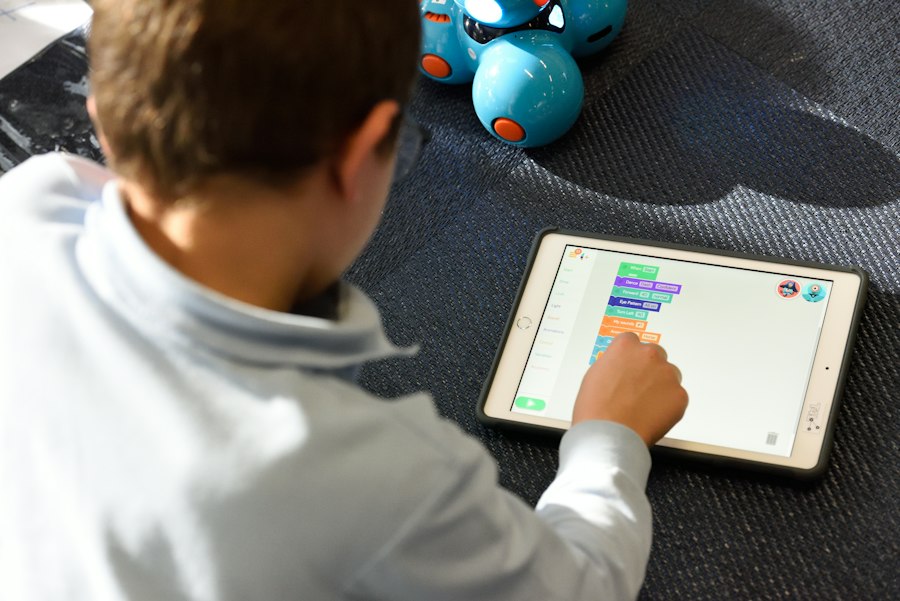
Developing a robust framework for generative AI literacy isn’t about creating a rigid curriculum, but rather a set of adaptable principles that can be integrated across various subjects and age groups. It’s about fostering critical thinking and practical skills.
Understanding Model Capabilities and Limitations
Before students can effectively use generative AI, they need a realistic understanding of what these models can and cannot do. This isn’t about discouraging their use, but about setting appropriate expectations and identifying potential pitfalls.
Differentiating Between AI-Generated and Human-Generated Content
This is a crucial skill for media literacy in the age of AI. Students need to learn to identify subtle cues, understand common AI “tells” (like overly generic language, perfect grammar in unexpected places, or factual inaccuracies presented confidently), and develop a healthy skepticism. This involves discussing watermarking technologies, digital forensics, and the evolving nature of content authentication. It’s also about recognizing that sometimes the best AI output still needs human refinement to sound truly authentic or convey specific nuances.
Recognizing Bias and Hallucinations
Generative AI models learn from vast datasets, and these datasets often reflect existing societal biases. Students need to understand how these biases can manifest in AI outputs, leading to unfair, inaccurate, or even harmful content. Similarly, “hallucinations” – where AI invents information that sounds plausible but is entirely false – are a significant challenge. Teaching students to cross-reference facts, question sources, and identify inconsistencies is paramount. This includes exploring case studies where AI has produced biased or incorrect information, and discussing the ethical responsibilities of both users and developers.
Appreciating Strengths in Creativity and Efficiency
It’s equally important for students to recognize where generative AI excels. Its ability to quickly generate ideas, summarize vast amounts of text, translate languages, or even assist with creative writing and artistic endeavors can be incredibly powerful. Teaching students to leverage these strengths for brainstorming, drafting, and exploring diverse perspectives can significantly enhance their productivity and creativity, rather than replacing it. This means demonstrating how AI can be a collaborative partner, not just an answer-generating machine.
Mastering the Art of Critical Prompt Engineering
The quality of AI output is directly proportional to the quality of the input prompt. Teaching students to craft effective prompts is perhaps the most practical and immediate skill they can acquire. This isn’t just about syntax; it’s about clear thinking and strategic communication.
Deconstructing Effective Prompts
Students should learn to analyze existing effective prompts to understand the components that make them successful. This involves identifying elements like clear instructions, specified roles (e.g., “Act as a historian”), desired output format (e.g., “bullets,” “a paragraph”), constraints (e.g., “under 100 words”), and examples or few-shot learning (providing an example of the desired output style). Breaking down good prompts helps students build a mental model for constructing their own.
Iterative Prompt Refinement
Prompt engineering is rarely a one-shot deal. It’s an iterative process of trial and error, analysis, and refinement. Students need to learn to submit an initial prompt, evaluate the output, identify what went wrong or what could be improved, and then adjust the prompt accordingly. This might involve adding more detail, clarifying ambiguous terms, changing the tone, or specifying negative constraints (e.g., “do not include…”). This process mirrors scientific inquiry and design thinking. Encouraging students to keep a “prompt journal” to track their experiments and findings can be a valuable exercise.
Specifying Tone, Style, and Audience
Effective communication is always tailored to its audience and purpose. The same applies to prompts.
Students should learn to explicitly direct the AI on desired tone (e.
g., “formal,” “casual,” “persuasive”), style (e.g., “academic essay,” “blog post,” “news report”), and target audience (e.g., “for middle school students,” “for industry experts”). This teaches them to think critically about communication goals and how different choices impact the message’s reception. It also reinforces their understanding of audience analysis in general communication skills.
Developing Robust Evaluation Skills for AI Output
Generating content is only half the battle; critically evaluating that content is the other, equally important half. Students need a framework for assessing the accuracy, relevance, and overall quality of AI-generated responses.
Factual Verification and Source Checking
This is perhaps the most critical evaluation skill. Students must be trained to treat AI-generated information with healthy skepticism, especially regarding facts, statistics, and citations. They need to understand that AI can hallucinate, and therefore every piece of factual information should be cross-referenced with reliable, human-vetted sources. This reinforces traditional research skills, emphasizing the importance of diverse sources and critical source analysis. Teaching them how to effectively use search engines to verify claims made by AI is a core competency.
Assessing Relevance and Completeness
Did the AI answer the prompt fully and directly? Or did it wander off-topic, provide incomplete information, or miss key aspects of the request? Students need to be able to judge whether the output actually addresses the core need of the prompt. This involves comparing the output against their initial prompt goals and identifying any gaps or extraneous information. It’s about developing an eye for precision and thoroughness.
Evaluating Nuance, Bias, and Ethical Implications
Beyond factual accuracy, students should evaluate the subtle aspects of AI output. Does it demonstrate an implicit bias? Is the language inclusive? Are there any potentially harmful or misleading undertones? This requires a higher level of critical thinking, connecting AI output to broader societal issues of ethics, fairness, and social responsibility. Discussing real-world examples where AI has shown bias or had negative ethical implications can be a powerful learning tool.
Refining and Integrating AI Output
Rarely will AI produce a perfect, ready-to-use output. Students need to see AI as a starting point, a co-pilot, not a final author. They should practice refining AI-generated text for clarity, conciseness, originality, and their own unique voice. This involves editing, fact-checking, adding personal insights, and ensuring the final product meets their specific objectives and quality standards. This is where their own creativity and critical judgment truly shine, transforming raw AI output into a polished, human-enhanced artifact.
Integrating AI Literacy into Existing Curricula
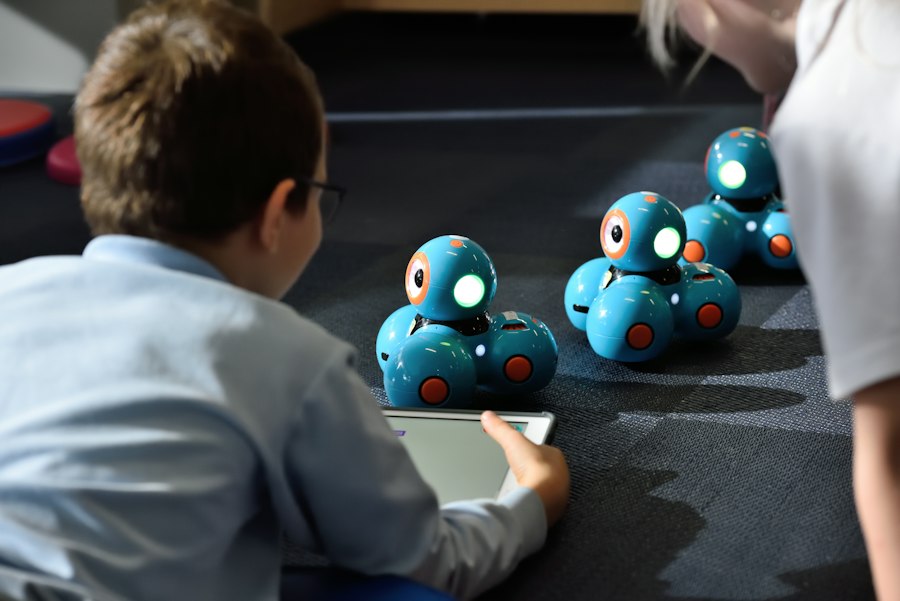
AI literacy shouldn’t be a standalone course in most K-12 settings; instead, it should be woven into the fabric of existing subjects. This approach makes the learning more relevant and demonstrates the practical applications of AI across disciplines.
Across Disciplines: English Language Arts to Science
Every subject offers opportunities to integrate generative AI literacy.
English Language Arts
In ELA, students can use AI to brainstorm story ideas, generate different character descriptions, create outlines for essays, or even draft initial paragraphs. The focus then shifts to critically evaluating the AI’s output for originality, voice, bias, and factual accuracy if non-fiction.
They can compare AI-generated summaries of texts with their own, refining the AI’s version for nuance or specific interpretations. This can also be a springboard for discussions on plagiarism, intellectual property, and what constitutes “original” work in the age of AI.
Social Studies and History
AI can be used to summarize historical documents, generate different perspectives on a historical event (as a basis for discussion, not fact), or even simulate historical figures responding to prompts. Students must then critically evaluate the AI’s ‘historical’ accuracy, identify potential biases in the data it was trained on, and verify any claims against established historical sources. This strengthens their ability to analyze primary and secondary sources and understand historiography.
For example, asking an AI to describe an event from the perspective of a specific group and then critiquing that output.
Science and Math
In science, AI can help with generating hypotheses, summarizing research papers, or explaining complex scientific concepts in simpler terms. Students can then critically assess the scientific validity of the AI’s explanations, identify potential errors or oversimplifications, and use it as a tool for initial understanding before diving deeper into scientific literature. In math, AI can explain problem-solving steps or generate practice problems, with students evaluating the correctness and efficiency of the AI’s methods.
The emphasis here is on understanding the process and verifying the solution, not just accepting the answer.
Practical Classroom Activities and Assignments
Meaningful learning comes from doing. Here are a few practical ways to embed AI literacy.
“Prompt Challenge” Contests
Organize activities where students compete to create the most effective prompt to achieve a specific goal (e.g., “Generate a persuasive paragraph arguing for school uniform,” “Write a short poem about resilience in the style of Robert Frost”). Students then evaluate each other’s prompts and the resulting AI outputs, discussing what made certain prompts more successful.
This fosters iterative thinking and peer learning.
AI-Assisted Research Projects
Assign projects where students must use generative AI as part of their research process, but with a strict requirement to critically evaluate, fact-check, and cite their sources (including identifying what was AI-generated and what was human-verified). This forces them to engage with the AI as a tool, not a replacement for their own intellectual effort. The focus is on the process of inquiry and verification.
Bias Spotting Exercises
Provide students with various AI-generated outputs on sensitive topics (e.g., job recommendations, historical events, cultural descriptions) and challenge them to identify potential biases in the language, examples, or perspectives presented.
This can lead to rich discussions about ethics, societal stereotypes, and the importance of diverse data in AI training. They can then try to re-prompt the AI to mitigate these biases.
Ethical Considerations and Responsible Use
Teaching generative AI literacy is incomplete without a strong emphasis on ethics and responsible use. This isn’t just about avoiding plagiarism; it’s about understanding the broader societal impact.
Academic Integrity and Plagiarism
This is often the first concern teachers raise. Clearly defining what constitutes appropriate and inappropriate use of AI in academic work is essential. This means moving beyond a blanket ban and instead fostering an understanding that AI is a tool, and students are still responsible for the final work and its intellectual integrity. Discussing proper citation, acknowledging AI’s role, and distinguishing between AI as a co-pilot versus AI as a ghostwriter is critical. Schools may need to update their academic honesty policies to reflect this new reality.
Data Privacy and Security
Students need to understand that when they input information into a generative AI model, that data might be used to train future models or could be vulnerable to security breaches. Teaching them to be cautious about sharing personal or sensitive information, understanding terms of service (even if just conceptually), and recognizing the potential for data leakage is a vital aspect of digital citizenship. This includes discussions around enterprise-level AI tools versus public, general-purpose models.
Copyright and Intellectual Property
Who owns the content generated by AI? If a student uses an AI to create an image, do they own the copyright? What if the AI was trained on copyrighted material without permission? These are complex and evolving legal questions that students should be aware of. While definitive answers may still be years away, discussing these ambiguities encourages critical thinking about authorship, originality, and fairness in the digital age. This also covers the idea of “synthetic media” and deepfakes.
Socio-Economic Impact and Misinformation
Beyond individual use, students should consider the broader societal implications of generative AI. This includes the potential for job displacement, the spread of misinformation and disinformation at scale, and the widening of the digital divide. Engaging in discussions about these complex issues helps students develop a nuanced understanding of AI’s role in society and their responsibility as future citizens. This empowers them to be active participants in shaping policy and ethical guidelines for AI.
In exploring the importance of Generative AI Literacy Frameworks, it is essential to understand how these frameworks can enhance students’ abilities to critically prompt and evaluate AI models. A related article discusses the best software for furniture design, highlighting the role of AI in creative fields and the necessity for users to be knowledgeable about the tools they employ. This connection underscores the broader implications of AI literacy in various domains, as students learn to navigate and assess the technologies shaping their environments. For more insights on this topic, you can read the article on furniture design software.
The Evolving Landscape: Staying Current with AI Advancements
| Framework Component | Description | Key Skills Taught | Assessment Metrics |
|---|---|---|---|
| Understanding AI Models | Introduction to how generative AI models work and their limitations | Model comprehension, awareness of biases | Quiz on AI concepts, bias identification exercises |
| Effective Prompting | Techniques for crafting clear and precise prompts to guide AI output | Prompt design, iterative refinement | Prompt quality scoring, output relevance evaluation |
| Critical Evaluation | Methods to critically assess AI-generated content for accuracy and reliability | Fact-checking, source validation, skepticism | Evaluation rubrics, peer review feedback |
| Ethical Considerations | Understanding ethical implications and responsible use of generative AI | Ethical reasoning, awareness of misuse risks | Scenario analysis, reflective essays |
| Creative Collaboration | Using AI as a tool to augment creativity and problem-solving | Collaborative ideation, AI-human interaction | Project-based assessments, creativity metrics |
Generative AI is not static; it’s a rapidly evolving field. Any literacy framework must acknowledge this constant change and build in mechanisms for staying current.
Continuous Learning for Educators and Students
Both educators and students need to cultivate a mindset of continuous learning regarding AI. What’s cutting-edge today might be commonplace tomorrow, or even obsolete. This means encouraging educators to explore new models, understand new capabilities, and share their findings.
For students, it means fostering curiosity and the ability to seek out reliable information about AI advancements independently.
Resources from reputable AI research institutions, tech journalists, and academic papers can be helpful.
Adapting Frameworks as Technology Progresses
A generative AI literacy framework cannot be set in stone. It must be flexible and adaptable. As models become more sophisticated, as new ethical dilemmas emerge, and as the ways people interact with AI change, the framework itself must evolve. This might mean refining prompt engineering strategies, updating evaluation criteria, or adding new ethical considerations. Regular review and collaborative development among educators are crucial to keeping the framework relevant and effective. It’s an ongoing conversation, not a finished product.
FAQs
What is a Generative AI Literacy Framework?
A Generative AI Literacy Framework is a structured approach designed to educate students on how to effectively interact with generative AI models. It encompasses understanding the underlying principles of these models, developing skills to critically prompt them, and evaluating their outputs for accuracy and relevance.
Why is it important to teach students about generative AI?
Teaching students about generative AI is crucial because these technologies are increasingly integrated into various fields, including education, healthcare, and creative industries. By understanding how to use and evaluate AI models, students can become informed users, critical thinkers, and responsible creators, preparing them for future careers and societal participation.
What skills are included in the Generative AI Literacy Framework?
The skills included in the Generative AI Literacy Framework typically encompass critical thinking, effective prompting techniques, evaluation of AI-generated content, ethical considerations, and an understanding of the limitations and biases inherent in AI models. These skills empower students to navigate the complexities of AI technology responsibly.
How can educators implement this framework in their teaching?
Educators can implement the Generative AI Literacy Framework by integrating it into their curriculum through hands-on activities, discussions, and projects that involve generative AI tools. This can include teaching students how to formulate effective prompts, analyze AI outputs, and engage in ethical discussions about AI use in society.
What are the potential challenges in teaching generative AI literacy?
Potential challenges in teaching generative AI literacy include keeping up with rapidly evolving technology, addressing varying levels of student familiarity with AI, and ensuring that ethical considerations are adequately covered. Additionally, educators may need to develop their own understanding of AI to effectively guide students in this area.
Enjoying our content? Make us a preferred source on Google:
Add us as a Preferred Source on Google