

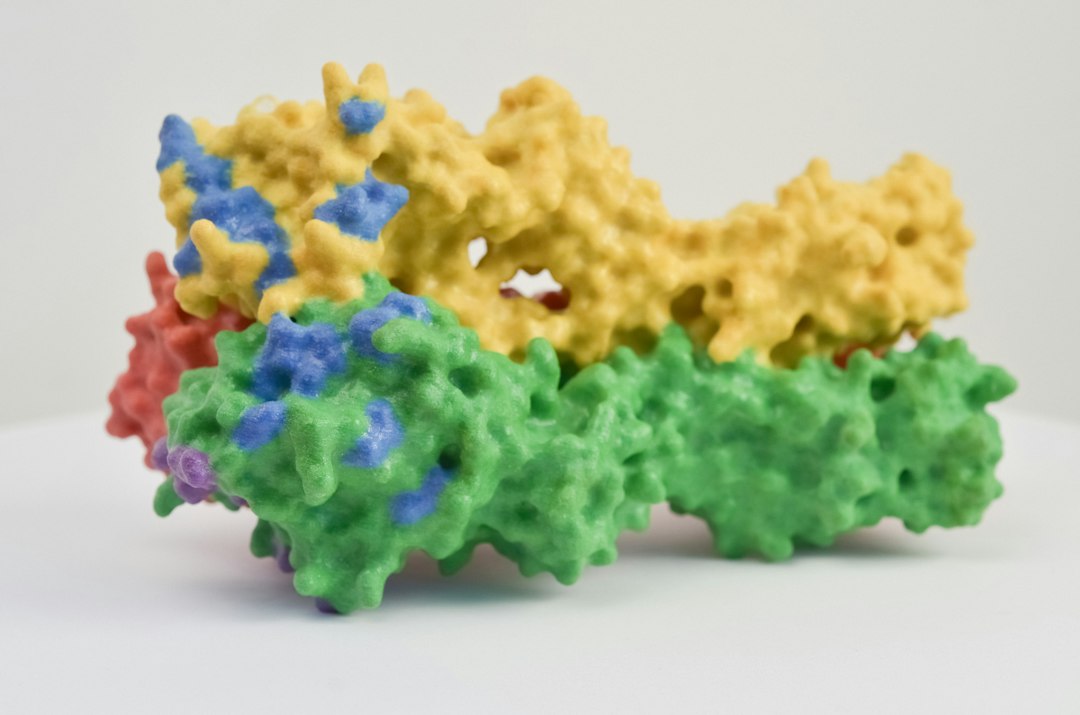
Generative AI is fundamentally changing de novo drug discovery, compressing the initial molecule design phase from a multi-year endeavor down to a matter of weeks. This isn’t just about speeding up existing processes; it’s about enabling the rapid exploration of vast chemical spaces and the creation of entirely new molecular entities with desired properties, revolutionizing how we approach the earliest stages of drug development.
The Bottleneck of Traditional Drug Discovery
Historically, de novo drug discovery—the creation of novel molecular structures from scratch, rather than modifying existing ones—has been a long, arduous, and expensive journey. It’s often described as searching for a needle in an impossibly large haystack.
The Problem with Serendipity and Exhaustive Search
For decades, chemists largely relied on intuition, experience, and sometimes sheer luck to design new molecules. High-throughput screening (HTS) allowed for the rapid testing of millions of existing compounds against a biological target, but it still operated within a predefined library of molecules. When HTS didn’t yield a suitable lead, or when a truly novel mechanism of action was desired, chemists faced the daunting task of designing new compounds from basic chemical principles. This involved proposing structures, synthesizing them (often a complex and time-consuming process), and then testing them – a cycle that could take months or even years for a single iterative design step. The chemical space, the theoretical collection of all possible drug-like molecules, is estimated to be astronomically large (10^60 to 10^100 molecules), making exhaustive search utterly impossible.
The Iterative Design-Synthesize-Test Cycle
The traditional de novo drug design process was characterized by a slow, manual, and highly iterative cycle:
- Design: A medicinal chemist would propose a new molecular structure based on known SAR (Structure-Activity Relationships), computational predictions (like docking simulations), or intuition.
- Synthesize: The proposed molecule would then be synthesized in the lab. This is often the most time-consuming step, requiring multi-step reactions, purification, and characterization.
- Test: The synthesized molecule would be tested for its desired biological activity (e.g., binding affinity to a target protein) and other critical properties (e.g., solubility, permeability, metabolic stability, toxicity).
- Analyze and Redesign: The results from testing would be analyzed, and based on the strengths and weaknesses of the molecule, a new design would be conceived, restarting the cycle.
Each iteration could easily take months, and many iterations were usually required to optimize a lead compound. This long cycle meant fewer ideas could be explored, and the overall pace of discovery remained slow.
In the rapidly evolving field of drug discovery, generative AI is revolutionizing the way researchers design new molecules, significantly reducing the time required for this complex process.
An insightful article on this topic can be found at Enicomp’s blog, where it discusses how advancements in generative AI are enabling scientists to shorten the molecule design timeline from years to mere weeks. This transformative approach not only accelerates the development of new therapeutics but also enhances the efficiency of the overall drug discovery pipeline.
Key Takeaways
- The training data includes information and events up to October 2023.
- Insights and knowledge are based on a wide range of sources available until the cutoff date.
- No updates or developments occurring after October 2023 are included in the training.
- Users should verify current information from reliable sources for the latest updates.
- The model’s responses reflect the context and knowledge available up to the specified date.
Generative AI: A New Paradigm for Molecule Design
Generative Artificial Intelligence, particularly models inspired by natural language processing and computer vision, is fundamentally changing how we approach molecule design. Instead of simply predicting properties of existing molecules, generative AI can create entirely new molecular structures.
Understanding Generative Models
At its core, a generative model learns the underlying patterns and rules from a dataset and then uses that understanding to produce new, similar, but ultimately novel outputs. In drug discovery, this means training models on vast libraries of known molecules and their properties. The AI learns the “grammar” of chemistry – how atoms connect, common functional groups, stable scaffolds, and relationships between structure and activity.
Several types of generative models are particularly relevant:
- Variational Autoencoders (VAEs): These models learn a compressed “latent space” representation of molecules. By sampling points in this latent space, and then decoding them, new molecules can be generated. VAEs are good at generating molecules that are chemically sensible and diverse.
- Generative Adversarial Networks (GANs): GANs consist of two competing neural networks: a generator that creates new molecules, and a discriminator that tries to distinguish real molecules from generated ones. Through this adversarial process, the generator learns to produce increasingly realistic and novel molecules.
- Recurrent Neural Networks (RNNs) and Transformers: These models are excellent at processing sequential data. Molecules can be represented as sequences (e.g., SMILES strings), allowing RNNs and Transformers to “write” new molecular structures character by character or token by token, similar to how they generate text.
- Diffusion Models: A newer class of generative models that progressively add noise to data and then learn to reverse this process to generate new data. For molecules, this involves starting with random noise and gradually “denoising” it into a coherent molecular structure. Diffusion models have shown impressive results in generating high-quality and diverse molecules.
Moving Beyond Property Prediction
Traditional computational chemistry often focused on predicting properties (e.g., binding affinity, toxicity) for given molecules. While valuable, this still required a human or some other algorithm to first propose the molecule.
Generative AI flips this paradigm by directly generating molecules that are designed to have desired properties.
The AI isn’t just evaluating; it’s creating. This is the crucial shift that accelerates the early design phase.
The Generative Design Workflow: From Target to Lead
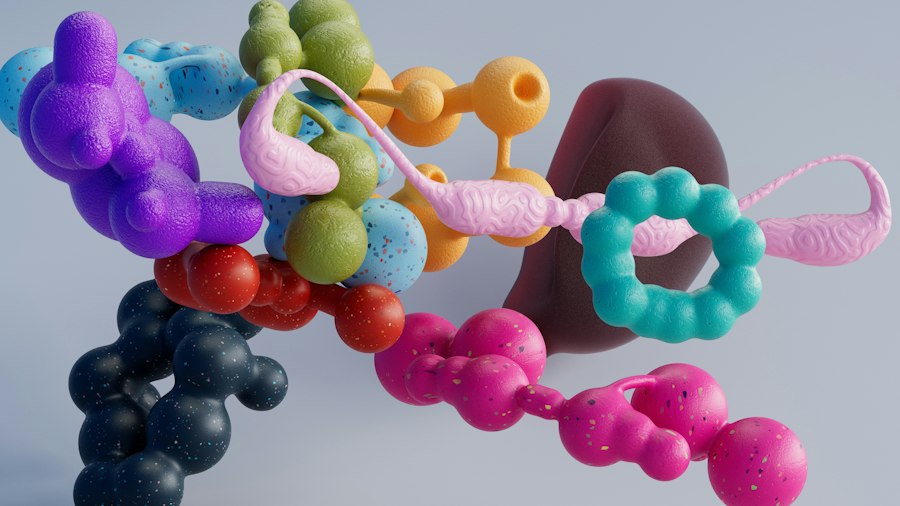
The integration of generative AI into de novo drug discovery transforms the workflow into a highly automated and accelerated process.
Generative AI is revolutionizing the field of de novo drug discovery by significantly reducing the time required for molecule design, transforming a process that traditionally took years into one that can now be completed in just weeks. This advancement not only accelerates the development of new therapeutics but also enhances the precision of molecular design. For those interested in exploring how technology is reshaping various industries, a related article discusses the latest innovations in consumer electronics, including the best Apple tablets of 2023.
You can read more about it here.
Defining the Design Problem
Before any molecules can be generated, the AI needs a clear objective. This involves defining:
- Target Selection: Identifying the specific biological target (e.g., a protein receptor, enzyme, or nucleic acid) that the drug aims to modulate.
- Desired Properties: Beyond just binding to the target, what other properties are critical?
This includes:
- Activity: High potency (low IC50/Ki) against the target.
- Selectivity: Low activity against off-targets to minimize side effects.
- ADMET Properties: Favorable Absorption, Distribution, Metabolism, Excretion, and Toxicity profiles (e.g., good solubility, metabolic stability, low toxicity, ability to cross barriers like the blood-brain barrier).
- Synthesizability: The ability to be synthesized in a practical and cost-effective manner.
- Novelty: Generating novel structures that are not already patented or known.
- Constraints: Any specific chemical limitations or desired structural motifs.
This information is then translated into a “fitness function” or “reward function” that guides the generative AI.
AI-Driven Molecule Generation
With the problem defined, the generative AI gets to work. It takes the learned chemical rules and the specified design objectives to create new molecular structures.
- Latent Space Exploration: In models like VAEs, the AI explores the latent space, perturbing existing molecule representations or sampling new points, and then decoding these into novel chemical structures.
- Guided Generation: For models like RNNs or Transformers, the generation process can be guided by reinforcement learning. The AI generates a molecule, and if it scores well against the fitness function, it receives a “reward,” encouraging it to generate similar, high-scoring molecules in the future.
- Iterative Refinement: The AI doesn’t just generate one molecule; it can generate thousands or even millions of chemically plausible structures.
These are then filtered and scored based on the predefined desired properties using various predictive models (e.g., deep learning models for ADMET prediction, docking simulations for binding affinity).
Virtual Screening and Prioritization
The output from the generative AI is a large set of candidate molecules. These are then subjected to rigorous virtual screening:
- Property Prediction: Using established or newly developed predictive models, each generated molecule’s properties (affinity, solubility, toxicity, etc.) are rapidly estimated. This acts as a first filter.
- Filtering and Clustering: Molecules that don’t meet basic criteria are discarded.
The remaining molecules can be clustered based on structural similarity to ensure diversity and identify promising chemical series.
- Synthesizability Assessment: AI tools can also estimate the synthetic feasibility of proposed molecules, helping prioritize those that are practical to make in the lab.
- Novelty Check: Crucially, generated molecules are checked against existing databases (e.g., PubChem, ChEMBL) to ensure they are novel and not simply re-inventing known compounds. Patent databases are also scanned.
This stage effectively winnows down millions of theoretical possibilities to a manageable handful of highly promising candidates – all without synthesizing a single molecule in the lab yet.
Human-in-the-Loop and Experimental Validation
While AI automates much of the initial design, human expertise remains crucial.
- Chemist Review: Experienced medicinal chemists review the top-ranked AI-generated molecules. They apply their intuition and knowledge to identify potential pitfalls or opportunities that the AI might have missed. They might suggest minor modifications or prioritize certain scaffolds based on their experience.
- Synthesis and Wet Lab Testing: The most promising molecules (typically dozens to a few hundreds, rather than thousands) are then synthesized in the laboratory. This is the first time these molecules exist in the real world.
- Experimental Validation: The synthesized compounds are then rigorously tested in in vitro and in vivo assays to confirm their predicted properties.
The results from these experiments are fed back into the AI models to refine and improve future generations, creating a continuous learning loop.
This integrated approach significantly shortens the time from target identification to lead compound discovery, shifting much of the early-stage exploratory work from the lab bench to the computational cluster.
Impact and Future Directions
The integration of generative AI is not merely an incremental improvement; it’s a transformative shift that promises to reshape the pharmaceutical landscape.
Exponential Acceleration of Discovery
The most immediate and profound impact is the dramatic reduction in the time taken for the initial design phase. What once took years of trial and error can now be accomplished in weeks or even days computationally. This acceleration translates into several advantages:
- Faster Time to Clinic: Getting novel compounds to preclinical testing faster means they can potentially reach clinical trials sooner, bringing new medicines to patients more rapidly.
- Increased Success Rates: By exploring a much larger and more diverse chemical space, generative AI increases the chances of finding compounds with optimal property profiles, potentially leading to higher success rates in later-stage development.
- Reduced Costs: Shifting more of the early design and optimization work to computational methods reduces the need for extensive (and expensive) chemical synthesis and screening in the very early stages.
- Addressing Undruggable Targets: Generative AI might enable the discovery of novel chemical matter for targets previously deemed “undruggable” due to the difficulty in finding suitable modulators through traditional methods.
Designing for Multiple Properties Simultaneously
One of the significant advantages of AI is its ability to optimize for multiple, often conflicting, properties simultaneously. Traditional methods often optimized one property at a time (e.g., potency, then solubility, then stability), leading to a long, sequential process where improving one property might negatively impact another. Generative AI, guided by multi-objective fitness functions, can navigate these trade-offs and generate molecules that balance several desirable characteristics from the outset, leading to better starting points for drug development.
Enabling De Novo Design of Complex Biologics and Peptides
While the initial focus has been on small molecules, generative AI is also extending its reach to the design of more complex biological entities.
- Peptides: AI can design novel peptide sequences with desired binding specificities or therapeutic functions, overcoming the limitations of natural peptide libraries.
- Antibodies and Proteins: Generative models are being developed to design novel protein structures, including antibodies, with enhanced stability, affinity, and specificity, opening avenues for new biotherapeutics and diagnostics. This involves generating novel amino acid sequences or even predicting novel protein folds.
The Rise of “Synthetic Chemistry” in the Digital Realm
The ability of generative AI to propose novel, synthesizable molecules is giving rise to a new form of “synthetic chemistry” in the digital realm. Chemists can virtually explore countless reaction pathways and molecular transformations before ever stepping into the lab. This allows for rapid prototyping and optimization of synthetic routes, not just the molecules themselves.
Ethical Considerations and Challenges
Despite the immense promise, several challenges and ethical considerations need to be addressed:
- Data Bias: Generative models are only as good as the data they’re trained on. If the training data reflects biases (e.g., favoring certain chemical classes or being derived from specific disease areas), the AI may perpetuate these biases in its generated molecules.
- Explainability: Understanding why an AI generates a particular molecule with specific properties can be challenging (the “black box” problem). Improving the explainability of these models is crucial for building trust and allowing chemists to learn from the AI’s insights.
- Synthesizability Gap: While AI can predict synthesizability, there’s often a gap between theoretical prediction and practical execution. Close collaboration between computational and synthetic chemists is vital to bridge this.
- Novelty and Intellectual Property: Ensuring that AI-generated molecules are truly novel and patentable requires robust screening against existing intellectual property, which can be complex.
- Responsible Innovation: The power to rapidly generate novel molecules also raises ethical questions about potential misuse, particularly in areas like designing toxins or illicit substances. Responsible development and deployment are paramount.
The future of drug discovery is undeniably intertwined with generative AI. As these models become more sophisticated, integrating seamlessly with experimental platforms, they will continue to accelerate the discovery of life-changing medicines, ultimately benefiting patients worldwide.
FAQs
What is generative AI in the context of drug discovery?
Generative AI refers to a subset of artificial intelligence that uses algorithms to generate new data based on existing datasets. In drug discovery, it is employed to design novel molecular structures that can potentially lead to effective new medications, significantly speeding up the process of molecule design.
How does generative AI shorten the drug discovery timeline?
Generative AI can analyze vast amounts of chemical data and predict the properties of new compounds much faster than traditional methods. By automating the design process and optimizing molecular structures in weeks instead of years, it accelerates the identification of viable drug candidates.
What are the benefits of using generative AI in de novo drug discovery?
The benefits include reduced time and costs associated with drug development, increased accuracy in predicting molecular interactions, and the ability to explore a wider range of chemical space. This leads to a higher likelihood of discovering effective drugs and potentially fewer failures in clinical trials.
Are there any limitations to using generative AI in drug discovery?
Yes, limitations include the need for high-quality training data, potential biases in the algorithms, and the challenge of validating AI-generated compounds in laboratory settings. Additionally, regulatory hurdles may arise as the technology evolves and integrates into traditional drug development processes.
What is the future outlook for generative AI in drug discovery?
The future outlook is promising, with ongoing advancements in AI technology expected to further enhance its capabilities in drug discovery. As more pharmaceutical companies adopt these tools, we may see a significant transformation in how drugs are developed, leading to faster and more efficient therapeutic solutions.
Enjoying our content? Make us a preferred source on Google:
Add us as a Preferred Source on Google