

So, you’re curious about those biofeedback gadgets that are supposed to help you chill out? You’ve probably seen them advertised or heard friends talk about them. The big question is: do they actually work? The short answer is, yes, they can be effective, but it’s not a magic bullet, and how well they work depends a lot on you and the device itself.
Think of biofeedback as a way to train your body to react differently to stress. These devices work by giving you real-time information about what your body is doing – things like your heart rate, breathing patterns, or muscle tension. The idea is that by seeing this data, you can learn to consciously influence those physical responses, leading to a calmer state. It’s like learning to ride a bike; at first, it’s wobbly, but with practice, you get the hang of it.
Understanding What Biofeedback Actually Does
Biofeedback isn’t about magically erasing stress. It’s about giving you insight into your body’s stress response and providing tools to manage it.
The Core Mechanism: Physiological Interoception
At its heart, biofeedback enhances your ability to sense what’s happening inside your body. This isn’t a new concept; our bodies are constantly sending us signals. Stress, however, can make these signals feel overwhelming and difficult to interpret. Biofeedback devices translate these internal signals into external, understandable data.
Training Your Autonomic Nervous System
A significant part of what biofeedback targets is the autonomic nervous system, which controls involuntary bodily functions like heart rate, digestion, and breathing. When we’re stressed, the sympathetic “fight or flight” response kicks in. Biofeedback aims to help you activate the parasympathetic “rest and digest” response, counteracting the effects of stress.
The Role of Feedback Loops
The “feedback” in biofeedback is crucial. It’s a continuous loop: you perform a certain action (like taking a slow, deep breath), the device measures the physiological change (your heart rate slows), and the device provides visual or auditory cues confirming this change. This immediate reinforcement helps you learn which actions are effective.
In the quest to understand the impact of technology on mental well-being, an interesting article that complements the discussion on evaluating the effectiveness of stress-reducing biofeedback devices is available at this link: The Best Shared Hosting Services in 2023. While the primary focus of this article is on hosting services, it indirectly highlights the importance of reliable technology infrastructure that can support various health and wellness applications, including those that utilize biofeedback for stress management.
Diving into the Different Types of Biofeedback Devices
Not all biofeedback devices are created equal, and they focus on different physiological markers. Knowing what they measure can help you understand what you’re working with.
Heart Rate Variability (HRV) Biofeedback
This is one of the most common types. HRV biofeedback measures the tiny variations in time between heartbeats. Higher HRV is generally associated with a more adaptable and resilient nervous system, often linked to lower stress levels.
How HRV Biofeedback Works
Devices often use a chest strap or finger sensor to monitor your pulse. The software then analyzes the rhythm of your heartbeats. You’ll typically see a visualization on screen that might represent a calming image or a simple graph. When your HRV increases (indicating a more relaxed state), the visualization might become clearer or more vibrant.
Practical Implications of HRV Training
Learning to increase your HRV can have broad benefits beyond immediate stress reduction. Some studies suggest improvements in sleep quality, emotional regulation, and even physical recovery. It’s about building a more resilient physiological foundation.
Electromyography (EMG) Biofeedback
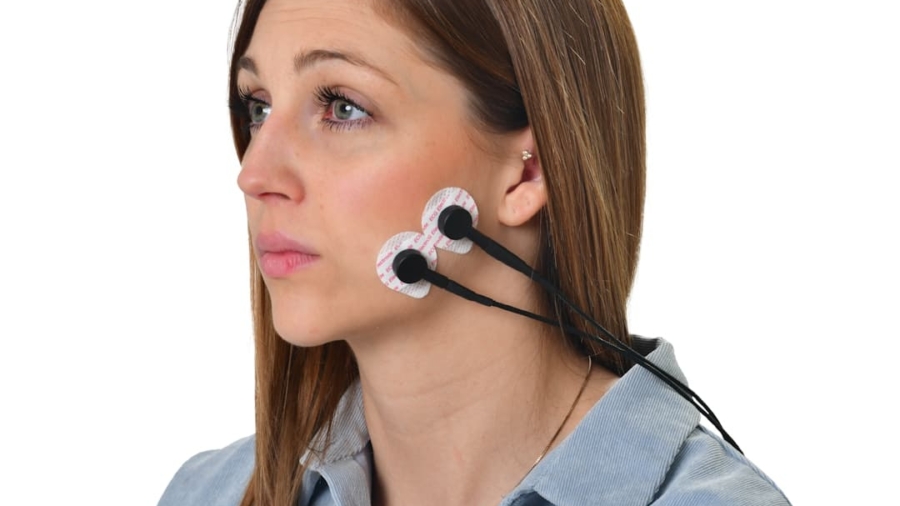
EMG biofeedback focuses on muscle tension. It uses sensors placed on the skin to detect electrical activity generated by your muscles. This is particularly useful for stress that manifests as physical tension in areas like the neck, shoulders, or jaw.
Monitoring Muscle Tension Patterns
If you tend to clench your jaw when stressed or carry tension in your shoulders, EMG biofeedback can pinpoint these areas. The device will show you how much electrical activity your muscles are producing. As you consciously try to relax those muscles, the readings will decrease.
Applications for Chronic Tension
For individuals dealing with chronic muscle pain, headaches, or TMJ disorders linked to stress, EMG biofeedback can be a valuable tool for learning to release that ingrained tension. It provides direct evidence of your progress in relaxing specific muscle groups.
Respiratory Biofeedback
This type of biofeedback focuses directly on your breathing patterns. It can involve sensors that detect chest or abdominal movement, or even devices that guide your breathing rate and depth.
The Power of Diaphragmatic Breathing
Many biofeedback devices encourage slow, deep diaphragmatic breathing. This type of breathing is physiologically calming, as it stimulates the vagus nerve and activates the parasympathetic nervous system. The device provides cues to help you maintain a consistent, relaxed breathing rhythm.
Visualizing Breathwork
Some devices use visualizers that “breathe” with you, or provide sound cues to guide your inhale and exhale. This external guidance can be very helpful for people who find it difficult to regulate their breathing on their own, especially when stressed.
Electrodermal Activity (EDA) or Galvanic Skin Response (GSR) Biofeedback
EDA biofeedback measures changes in the electrical conductivity of your skin, which is influenced by sweat gland activity. When you’re stressed, your sympathetic nervous system becomes more active, leading to increased sweating and higher skin conductivity.
Detecting Physiological Arousal
EDA is a good indicator of general physiological arousal. A spike in skin conductivity often signifies an increase in stress or emotional activation. Learning to bring that reading down can help you manage more intense emotional responses.
Usefulness in Emotional Regulation
This type of biofeedback can be particularly useful for individuals who struggle with intense emotional reactions or anxiety. By observing their EDA responses, they can learn to identify early signs of emotional overwhelm and employ coping strategies before the feelings escalate.
Evaluating Effectiveness: What Does the Science Say?
This is where it gets interesting.
While the concept is sound, drawing firm conclusions about universal effectiveness requires looking at actual research.
Studies on Stress and Anxiety Reduction
Numerous studies have explored the impact of biofeedback on stress and anxiety. Generally, the results are promising, particularly for specific types of biofeedback and when used in conjunction with other therapeutic approaches.
Meta-Analyses and Systematic Reviews
Looking at meta-analyses, which combine the results of many individual studies, often provides a more robust picture. Many such reviews indicate that biofeedback, especially HRV and respiratory biofeedback, can lead to significant reductions in subjective stress and anxiety symptoms. However, the magnitude of these effects can vary.
Comparing Different Modalities
Some research suggests that certain biofeedback techniques might be more effective for particular conditions. For example, EMG biofeedback is often cited for its effectiveness in managing chronic pain and tension headaches, while HRV training is frequently studied for its impact on generalized anxiety.
Biofeedback for Specific Conditions
The effectiveness isn’t uniform across all stress-related issues. Some applications have stronger evidence bases than others.
Performance Anxiety and Social Phobia
For individuals experiencing performance anxiety or social phobia, biofeedback can be a powerful tool. By learning to regulate physiological arousal in simulated stressful situations, they can build confidence and develop more effective coping mechanisms for real-world challenges.
Insomnia and Sleep Disturbances
Stress is a common culprit behind insomnia. Biofeedback, particularly techniques that promote relaxation and slow breathing, can help individuals learn to quiet their racing minds and prepare their bodies for sleep. This often involves training their autonomic nervous system to shift towards a more parasympathetic state.
Chronic Pain Management
As mentioned earlier, EMG biofeedback has shown significant promise in helping individuals manage chronic pain, especially when the pain has a strong muscular tension component. It empowers them to identify and release tension that might be exacerbating their discomfort.
Limitations and Nuances in Research
It’s important to acknowledge that research isn’t always clear-cut. There are reasons why results can vary, and these are good to keep in mind.
Device Variability and Quality
The quality and sophistication of biofeedback devices can differ greatly. Some consumer-grade devices may not be as accurate or sensitive as clinical-grade equipment, which can affect the reliability of the training.
User Adherence and Practice Frequency
The effectiveness of biofeedback is highly dependent on the user’s commitment to regular practice. Just like learning any new skill, consistent effort is required to see lasting changes. If someone only uses the device sporadically, they are unlikely to experience significant benefits.
Individual Differences in Response
People respond differently to biofeedback training. Factors like personality, the severity of stress symptoms, and underlying psychological conditions can all influence how quickly and effectively someone learns to use the techniques.
Practical Considerations for Using Biofeedback Devices
If you’re thinking of trying a biofeedback device, there are some practical steps and considerations to make the most of it.
Choosing the Right Device for You
With so many options on the market, picking the right one can feel overwhelming. Consider what symptoms you want to address.
Assessing Your Personal Needs
Are you primarily dealing with racing thoughts, physical tension, or a general feeling of being overwhelmed? This will guide your choice. If you experience a lot of muscle tension, an EMG-focused device might be a good starting point. If your stress is more about racing thoughts and a hyperactive nervous system, an HRV or respiratory device could be more suitable.
Consumer vs. Clinical Grade Devices
Consumer devices are generally more affordable and accessible. However, clinical-grade devices, often used by therapists, tend to be more accurate and offer more detailed feedback. For serious conditions, consulting with a healthcare professional who uses biofeedback might be beneficial.
The Importance of Consistent Practice
This can’t be stressed enough. Biofeedback is a skill, and skills require practice for mastery.
Establishing a Routine
Aim for short, regular practice sessions rather than infrequent long ones. Even 5-10 minutes a day can make a difference. Integrating it into your daily routine, perhaps alongside meditation or before bed, can help with consistency.
Tracking Progress and Adjusting
Most devices come with apps or software that allow you to track your progress. Pay attention to trends. Are you seeing improvements in your physiological markers? Are you feeling subjectively calmer? Adjust your practice based on what’s working.
Integrating Biofeedback into a Holistic Approach
Biofeedback is a powerful tool, but it’s often most effective when part of a broader stress management strategy.
Complementing Other Therapies
Biofeedback can work well alongside other evidence-based therapies like cognitive behavioral therapy (CBT), mindfulness-based stress reduction (MBSR), or even exercise and good nutrition. It’s not an either/or situation.
Professional Guidance and Support
For complex stress-related issues, working with a trained biofeedback practitioner or therapist can be invaluable. They can help tailor the training to your specific needs, interpret your data, and guide you through challenges.
In the quest to understand the various methods for managing stress, the article on conversational commerce provides intriguing insights into how technology can enhance user experience and promote well-being. By exploring the intersection of technology and mental health, readers can gain a broader perspective on the effectiveness of stress-reducing biofeedback devices. For more information on this topic, you can read the article here: conversational commerce. This connection highlights the importance of innovative solutions in addressing stress management in our increasingly digital world.
Potential Benefits Beyond Stress Reduction
The positive ripple effects of learning to manage your stress response can extend to many areas of your life.
Improved Focus and Cognitive Function
When your body is in a constant state of stress, your cognitive abilities can suffer. Learning to calm your nervous system can free up mental resources, leading to better concentration, memory, and problem-solving skills.
Reduced Mental Clutter
Stress often manifests as a mind that races with worries and task lists. By learning to regulate your physiological state, you can create more mental space, allowing for clearer thinking and improved focus on the task at hand.
Enhanced Learning Capacity
Studies have suggested that a calmer physiological state can improve learning and memory consolidation. When you’re not preoccupied with stress signals, your brain is better equipped to absorb and retain new information.
Better Emotional Regulation and Resilience
Biofeedback training can equip you with the tools to better navigate challenging emotions. You learn to recognize the early signs of emotional distress and apply learned techniques to manage your response, rather than being overwhelmed by it.
Developing a Greater Sense of Control
The act of consciously influencing your physiological responses can foster a greater sense of agency and control over your reactions to life’s stressors. This can lead to increased confidence and a more positive outlook.
Building Long-Term Resilience
By consistently practicing biofeedback, you’re essentially rewiring your stress response system. This builds a foundation of resilience, making you better equipped to handle future stressors without being as significantly impacted.
Enhanced Sleep Quality
Stress is a notorious disruptor of sleep. By calming your nervous system and reducing muscle tension, biofeedback can create a more conducive internal environment for falling asleep and staying asleep.
Quieting the “Fight or Flight” Response at Bedtime
Many people find it difficult to wind down before sleep because their bodies are still in a heightened state of alert. Biofeedback techniques can help shift the body from “fight or flight” to “rest and digest,” making the transition to sleep smoother.
Reducing Physical Discomfort That Interferes with Sleep
Muscle tension and shallow breathing, often exacerbated by stress, can physically impede sleep. Learning to relax these areas through biofeedback can directly improve sleep comfort and quality.
Conclusion: Is Biofeedback Worth It?
So, back to that initial question: are biofeedback devices effective? For many people, the answer is a resounding yes, but with important caveats. They are not a quick fix, and their success hinges on your commitment to practice, the quality of the device, and your individual needs.
The Role of User Engagement
Ultimately, the effectiveness of any biofeedback device lies heavily with the user. It requires an active, rather than passive, engagement with the technology and a willingness to learn and apply the learned skills. Think of it as learning a new form of self-care that requires dedication.
When to Seek Professional Guidance
While many consumer devices are accessible, if you’re dealing with significant or persistent stress-related issues, consulting with a healthcare professional who specializes in biofeedback is highly recommended. They can ensure you’re using the most appropriate techniques and devices for your specific situation and provide the necessary guidance for optimal results.
In essence, biofeedback devices offer a pathway to greater self-awareness and a more regulated nervous system. When approached with realistic expectations and consistent effort, they can be a valuable addition to your stress management toolkit, leading to tangible improvements in your well-being.
FAQs
What is biofeedback?
Biofeedback is a technique that uses electronic monitoring to measure and provide information about physiological processes in the body, such as heart rate, muscle tension, and skin temperature. This information can help individuals learn to control these processes and reduce stress.
How do stress-reducing biofeedback devices work?
Stress-reducing biofeedback devices typically use sensors to measure physiological indicators of stress, such as heart rate variability or skin conductance. They then provide feedback to the user, often in the form of visual or auditory cues, to help them learn to control their stress response.
What are the potential benefits of using stress-reducing biofeedback devices?
Research suggests that using stress-reducing biofeedback devices may help individuals reduce stress, improve relaxation, and enhance overall well-being. These devices can also be used to complement other stress-reducing techniques, such as meditation or deep breathing exercises.
How effective are stress-reducing biofeedback devices?
Studies evaluating the effectiveness of stress-reducing biofeedback devices have shown promising results, with many individuals reporting reduced stress levels and improved relaxation. However, the effectiveness of these devices may vary depending on individual factors and the specific device being used.
Are stress-reducing biofeedback devices suitable for everyone?
Stress-reducing biofeedback devices are generally safe for most individuals to use. However, it’s important for individuals with certain medical conditions, such as heart problems or epilepsy, to consult with a healthcare professional before using these devices. Additionally, some individuals may find it challenging to use biofeedback devices effectively and may require additional support or training.
Enjoying our content? Make us a preferred source on Google:
Add us as a Preferred Source on Google