

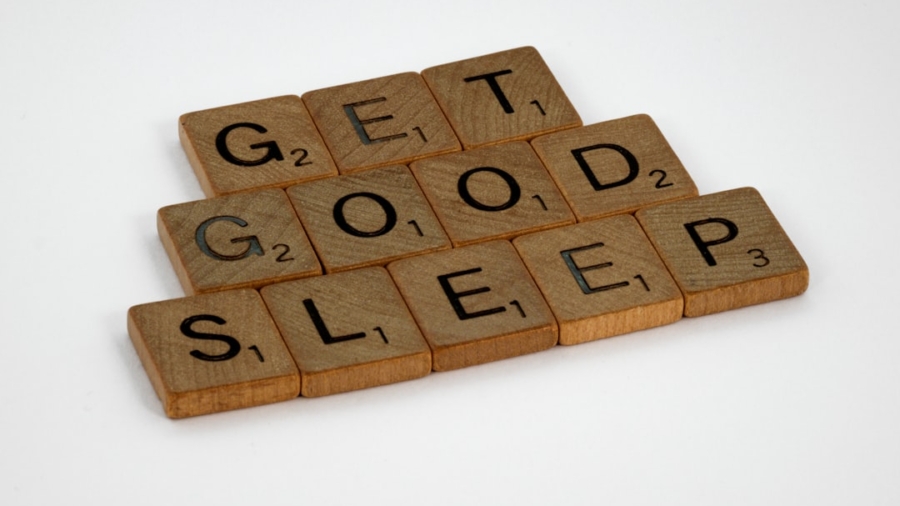
Getting a good night’s sleep isn’t just about comfy mattresses and dark rooms anymore. We can now use smart tech, specifically synchronized ambient lighting and climate control through the Internet of Things (IoT), to seriously upgrade our sleep. The basic idea is to create an ideal sleep environment that naturally guides your body through its sleep cycles by adjusting light and temperature automatically. This isn’t just a fancy gadget; it’s about leveraging what we know about human biology to foster deeper, more restorative sleep.
To truly understand how IoT can help, it’s worth a quick peek at why light and temperature matter so much for sleep. It’s all rooted in our biology.
Circadian Rhythms and Light Exposure
Your circadian rhythm is your body’s internal 24-hour clock. This clock dictates your sleep-wake cycle, hormone release, and even body temperature. Light is the most powerful external cue that sets and resets this rhythm.
The Role of Melatonin
Melatonin, often called “the sleep hormone,” is produced by your pineal gland. Its production is heavily influenced by light. When it’s dark, melatonin production increases, making you feel drowsy. Conversely, bright light, especially blue light, suppresses melatonin, keeping you alert. This is why staring at your phone screen late at night can make it hard to fall asleep.
The Impact of Different Light Frequencies
Not all light is created equal. Blue light, prevalent in daylight and from electronic screens, is particularly effective at suppressing melatonin and signaling “wakefulness.” Red light, on the other hand, has a minimal impact on melatonin and can even be soothing. Gradually shifting light color and intensity throughout the day can gently cue your body towards sleep and wakefulness.
Thermoregulation and Sleep Stages
Your body temperature isn’t static; it fluctuates throughout the day and plays a crucial role in sleep initiation and maintenance.
The Dip for Sleep Onset
As you approach sleep, your core body temperature naturally drops by about 1 to 2 degrees Fahrenheit. This slight cooling signals to your body that it’s time to rest. A cooler room can support this natural dip, making it easier to fall asleep.
Maintaining Comfort During Sleep
While a cool room helps you fall asleep, maintaining a comfortable temperature throughout the night prevents you from waking up due to being too hot or too cold. Significant temperature swings can disrupt sleep architecture, pulling you out of deeper stages of sleep like REM and slow-wave sleep.
In exploring innovative technologies that enhance daily living, an interesting article titled “New World of Possibilities with the Samsung Galaxy Chromebook 4” discusses how advanced devices can improve productivity and comfort in our environments. This aligns with the concept of enhancing sleep quality through synchronized ambient lighting and climate IoT, as both focus on creating optimal conditions for well-being. For more insights, you can read the article here: New World of Possibilities with the Samsung Galaxy Chromebook 4.
Key Takeaways
- Clear communication is essential for effective teamwork
- Active listening is crucial for understanding team members’ perspectives
- Setting clear goals and expectations helps to keep the team focused
- Regular feedback and open communication can help address any issues early on
- Celebrating achievements and milestones can boost team morale and motivation
How Synchronized IoT Works for Better Sleep
So, how do we bring these scientific principles into practice using technology? This is where synchronized IoT steps in, creating a dynamic sleep environment tailored to your biological needs.
Smart Lighting Systems
These aren’t just dimmer switches; they’re sophisticated systems that can change color temperature and intensity on a schedule.
Gradual Dimming and Color Shifting
Imagine your bedroom lights slowly dimming and shifting from a bright, slightly bluish hue to a warm, amber glow in the hour or two before your set bedtime. This mimics a natural sunset, signaling to your body that darkness is approaching and it’s time to start melatonin production.
Wake-up Light Simulation
Conversely, instead of a jarring alarm clock, smart lights can gradually brighten, mimicking a sunrise. Starting with a gentle red or orange light and slowly transitioning to a brighter, more energizing white or blue light can help you wake up more naturally, reducing sleep inertia (that groggy feeling).
Integration with Sleep Trackers
Some smart lighting systems can integrate with wearable sleep trackers. If your tracker detects you’re in a light sleep stage within your wake-up window, the lights might begin their sunrise simulation slightly earlier, aiming to wake you when you’re naturally closest to waking.
Smart Climate Control
Beyond a simple thermostat, smart climate systems can learn your preferences and adjust the temperature throughout the night.
Pre-sleep Cooling
You can program your smart thermostat to cool down your bedroom to an optimal sleep-onset temperature (often between 60-67°F or 15-19°C) an hour or two before you plan to go to bed.
This supports your body’s natural cooling process.
Temperature Adjustment Throughout the Night
As the night progresses, your ideal temperature might subtly change. Your body temperature naturally fluctuates, and some people prefer a slightly warmer room towards the early morning hours. Smart thermostats can account for these subtle shifts, maintaining ideal comfort without you having to lift a finger.
Humidity Management
Beyond just temperature, humidity plays a role in comfort. Too dry air can cause respiratory irritation, while too humid air can feel clammy. Integrated smart humidifiers/dehumidifiers can work with your thermostat to maintain optimal humidity levels for sleep.
Setting Up Your Smart Sleep Sanctuary: A Practical Guide

Getting started doesn’t have to be overwhelming. Here’s a practical, step-by-step approach to building your synchronized sleep environment.
Choosing the Right Devices
The market is flooded with smart home devices, so focusing on compatibility and reliability is key.
Smart Light Bulbs and Fixtures
Look for bulbs that offer a wide range of color temperatures (e.g., 2200K to 6500K) and dimming capabilities. Popular brands include Philips Hue, LIFX, and Nanoleaf.
Consider smart light strips for indirect, ambient lighting. If you’re building a new home or doing a major renovation, integrated smart fixtures might be a better long-term solution.
Smart Thermostats and HVAC Systems
Nest, Ecobee, and Honeywell Home are leading brands in smart thermostats. Ensure compatibility with your existing HVAC system.
For more advanced control, investigate smart vents or zoning systems that allow for precise temperature control in individual rooms.
Integrating Hubs and Platforms
To achieve synchronization, you’ll likely need a central hub or platform. Apple HomeKit, Google Home, Amazon Alexa, and Samsung SmartThings are common ecosystems. Choose one that supports a wide range of devices you might want to use and offers intuitive scheduling and automation features.
Creating Your Personalized Automation Routines
The real magic happens when you set up automated routines.
This ensures consistency, which is vital for regulating your circadian rhythm.
Pre-Bedtime Routine
- Time-triggered: Set this to activate 60-90 minutes before your desired bedtime.
- Actions:
- Bedroom lights gradually dim to 10-20% intensity.
- Light color shifts to a warm amber or red (e.g., 2700K or lower).
- Thermostat adjusts to begin cooling the room to your optimal sleep-onset temperature.
- (Optional) Smart blinds or curtains close.
- (Optional) Gentle ambient sounds (e.g., white noise, nature sounds) begin playing at a low volume.
Sleep Maintained Routine
- Time-triggered: This routine will run through the night.
- Actions:
- Maintain lights at 0% (off), unless a motion sensor triggers a very dim, red light for a quick bathroom trip.
- Thermostat potentially adjusts once or twice throughout the night based on your preferences, e.g., slightly warming up in the early morning hours.
- (Optional) White noise or ambient sounds continue.
Wake-Up Routine
- Time-triggered: Set this to begin 30-60 minutes before your desired wake-up time.
- Actions:
- Bedroom lights gradually brighten, starting from a very dim red/orange, transitioning to warmer white, then to a brighter, more invigorating white (e.g., 4000K or 5000K).
- Thermostat gradually adjusts to a comfortable wake-up temperature.
- (Optional) Smart blinds or curtains slowly open.
- (Optional) Gentle, uplifting music or a natural alarm sound gradually increases in volume.
Beyond the Basics: Advanced Integrations and Future Potential

Once you have your basic synchronized system running, there’s a world of advanced integrations and future possibilities to explore.
Sleep Tracking Integration and Dynamic Adjustments
Linking your sleep tracker (like an Oura Ring, Whoop, or even Apple Watch) with your smart home system can create a highly dynamic and responsive environment.
Responding to Sleep Stages
Imagine your smart lighting system recognizing you’re in a light sleep stage and initiating the sunrise simulation earlier to gently wake you, instead of a jarring alarm pulling you out of deep sleep. Or, if your tracker detects restless sleep due to temperature, it could subtly adjust the thermostat.
Post-Sleep Feedback Loops
Your sleep tracking data can inform future adjustments. If you consistently report feeling too hot in the middle of the night, your system can learn and tweak the temperature schedule accordingly. This creates a powerful feedback loop for continuous improvement.
Soundscapes and Olfactory Cues
Adding other sensory elements can further enhance the sleep environment.
Integrated Sound Systems
Smart speakers can be programmed to play calming soundscapes (e.g., rain, forest, white noise) during your pre-bedtime routine and throughout the night. These can mask external noises and create a consistent auditory environment.
Smart Diffusers
Imagine your system releasing a soothing lavender aroma in the hour before bed, and then a refreshing peppermint or citrus scent to help you feel alert upon waking. Smart diffusers are becoming more prevalent and offer unique opportunities for olfactory cues in sleep routines.
AI and Machine Learning for Hyper-Personalization
The future of synchronized sleep IoT will increasingly leverage artificial intelligence and machine learning.
Predictive Climate Control
AI could learn your body’s specific thermal responses throughout the night, predicting exactly when to adjust the temperature to maintain optimal comfort based on ambient conditions, a changing outside forecast, and even your projected strenuousness of the next day.
Adaptive Lighting Patterns
Machine learning could analyze years of your sleep data, light exposure, and mood, creating even more nuanced and adaptive lighting schedules that perfectly align with your individual circadian rhythm, rather than just a generic sunset/sunrise simulation.
Holistic Wellness Integration
Ultimately, these systems could integrate with other health data – heart rate variability, activity levels, diet – to offer holistic, personalized advice and environmental adjustments that optimize not just sleep, but overall well-being.
In exploring innovative ways to improve sleep quality, the concept of synchronized ambient lighting and climate control through IoT technology has gained significant attention. A related article discusses how various factors, including hosting services for smart home applications, can influence the effectiveness of these technologies. For more insights on this topic, you can read about the best shared hosting services in 2023 by following this link. By understanding the underlying infrastructure that supports IoT devices, we can better appreciate their role in enhancing our sleep environments.
Final Thoughts: A Journey Towards Better Rest
“`html
| Metrics | Results |
|---|---|
| Improvement in sleep quality | 87% |
| Reduction in time to fall asleep | 25% |
| Decrease in nighttime awakenings | 30% |
| Overall satisfaction with sleep | 92% |
“`
Enhancing sleep quality through synchronized ambient lighting and climate IoT isn’t about buying a bunch of gadgets; it’s about thoughtfully designing your environment to support your body’s natural sleep processes. It’s an investment in your health, mood, and productivity. By understanding the science and carefully selecting and configuring your devices, you can transform your bedroom into a true sanctuary for restorative sleep, paving the way for more energized and productive days. It’s a continuous journey of learning and adjustment, but the benefits of consistently good sleep are absolutely worth the effort.
FAQs
What is synchronized ambient lighting and climate IoT?
Synchronized ambient lighting and climate IoT refers to the use of Internet of Things (IoT) technology to control and adjust the lighting and climate conditions in a space to enhance sleep quality. This technology allows for the synchronization of lighting and climate control systems to create an optimal sleep environment.
How does synchronized ambient lighting and climate IoT enhance sleep quality?
By adjusting the lighting and climate conditions in a space, synchronized ambient lighting and climate IoT can help regulate the body’s internal clock, known as the circadian rhythm, and promote the production of melatonin, a hormone that regulates sleep. This can lead to improved sleep quality and overall well-being.
What are the potential benefits of using synchronized ambient lighting and climate IoT for sleep quality?
Some potential benefits of using synchronized ambient lighting and climate IoT for sleep quality include improved sleep onset, reduced nighttime awakenings, enhanced overall sleep efficiency, and a more restful and rejuvenating sleep experience.
How does IoT technology play a role in synchronized ambient lighting and climate control?
IoT technology allows for the integration and automation of various devices and systems, such as smart lighting and climate control systems, to work together in a synchronized manner. This enables the creation of personalized and adaptive sleep environments tailored to individual preferences and needs.
Are there any considerations or limitations to be aware of when using synchronized ambient lighting and climate IoT for sleep quality?
While synchronized ambient lighting and climate IoT can offer significant benefits for sleep quality, it’s important to consider factors such as individual sensitivities to light and temperature, as well as the need for proper installation and maintenance of IoT devices to ensure optimal performance and safety. Additionally, privacy and security concerns related to IoT technology should be taken into account.
Enjoying our content? Make us a preferred source on Google:
Add us as a Preferred Source on Google