

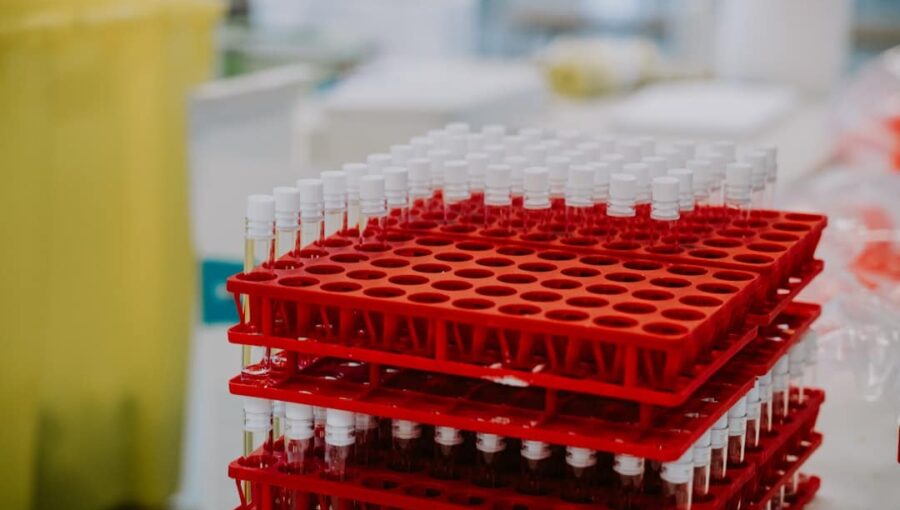
Okay, so you’re wondering if we’re getting closer to the day when doctors can just whip out some lab-grown blood for emergencies, right? The short answer is: yes, we’re definitely making progress, and it’s pretty exciting stuff! It’s not quite a done deal yet, but the research is moving forward, and the potential for saving lives in critical situations is huge. Think about it – no more worrying about blood type matches or limited shelf life. That’s the dream.
Making blood in a lab isn’t as simple as mixing a few chemicals. Blood is a complex cocktail, and replicating its functions, especially for the fast-paced demands of an emergency transfusion, is the real hurdle. It’s not just about having red blood cells.
Red Blood Cells: The Oxygen Carriers
The most critical component for transfusions is the red blood cell. Its primary job is to carry oxygen from your lungs to all the tissues and organs in your body. Without enough oxygen, things go wrong very quickly.
How Red Blood Cells Work
Inside red blood cells is hemoglobin, a protein that binds to oxygen. When blood passes through the lungs, hemoglobin picks up oxygen. As it travels through the body, where oxygen levels are lower, hemoglobin releases that life-giving gas.
Lab-Grown Red Blood Cells: The Holy Grail
The goal is to create red blood cells in the lab that can do exactly this. Scientists are looking at a few main avenues to achieve this:
- Stem Cell Culturing: This is perhaps the most promising. It involves taking adult stem cells (like those found in bone marrow or even plucked from skin cells and reprogrammed) and coaxing them to differentiate into red blood cell precursors, and then eventually mature red blood cells. This process needs to be optimized to produce large quantities of functional cells.
- Artificial Hemoglobin: Some researchers are exploring ways to create synthetic hemoglobin – the molecule that carries oxygen – or even artificial carriers that can encapsulate hemoglobin. The idea is to bypass the need to grow whole cells and instead create a functional oxygen transport molecule. However, this approach faces significant challenges in terms of stability and interaction with the body.
- Cell-Free Hemoglobin: Another angle is to extract hemoglobin from donated blood or produce it using recombinant DNA technology, and then use it in a cell-free form. This requires careful formulation to prevent degradation and ensure it can be delivered effectively without causing unwanted side effects.
Beyond Red Blood Cells: The Other Components
While red blood cells are the focus for oxygen transport, blood also contains other vital elements that play crucial roles, especially in emergency situations where clotting and immune responses are paramount.
Platelets: The Clotting Factor
Platelets are tiny cell fragments that are essential for stopping bleeding. When you get a cut, platelets rush to the site, stick together, and form a plug, essentially patching up the wound. In severe trauma or surgery, a lack of platelets can lead to uncontrolled bleeding.
Challenges in Platelet Production
Growing functional platelets in the lab is proving to be a tough nut to crack. They are not whole cells in the same way red blood cells are, and their production mechanism from megakaryocytes (bone marrow cells) is complex. Scientists are working on mimicking this process, but creating platelets that are as effective as their naturally occurring counterparts is still a significant research area.
Plasma: The Liquid Matrix
Plasma is the liquid part of blood, making up about 55% of its volume. It’s mostly water, but it also carries proteins, antibodies, hormones, nutrients, and clotting factors. In massive bleeding, plasma is often lost alongside blood cells, and its replenishment is vital.
Recombinant Proteins for Plasma Components
Instead of growing whole plasma, which is impractical, the focus is on producing individual plasma components that are needed. This includes clotting factors (like Factor VIII for hemophilia), antibodies (for fighting infections), and albumin (a protein that helps maintain blood pressure). Recombinant DNA technology is key here, allowing scientists to engineer bacteria or cell lines to produce these specific proteins.
In recent advancements in medical technology, the development of engineering lab-grown blood formulations for emergency transfusions has garnered significant attention. This innovative approach aims to address the critical shortage of blood supplies in emergency situations, potentially saving countless lives. For further insights into the intersection of technology and healthcare, you can explore a related article that discusses the implications of digital assets in the medical field at this link.
Key Takeaways
- Clear communication is essential for effective teamwork
- Active listening is crucial for understanding team members’ perspectives
- Setting clear goals and expectations helps to keep the team focused
- Regular feedback and open communication can help address any issues early on
- Celebrating achievements and milestones can boost team morale and motivation
Overcoming the Hurdles: Engineering for Real-World Use
Even if we can grow blood components, getting them ready for a patient’s bedside is a whole other ballgame. These engineered blood products need to be safe, stable, and readily available.
Safety First: Avoiding the Risks
When introducing something artificial into the bloodstream, safety is the absolute top priority. The lab-grown products must be rigorously tested to ensure they don’t trigger dangerous immune responses or cause other harm.
Immune Compatibility: The Universal Donor Dream
A major advantage of lab-grown blood would be the potential for universal compatibility. Our current blood donation system relies on matching blood types (A, B, AB, O) and Rh factor to avoid the recipient’s immune system attacking the transfused blood. If we can engineer blood cells that lack the surface markers that trigger these immune reactions, it could revolutionize emergency transfusions.
Targeting Surface Antigens
Scientists are investigating ways to modify or produce blood cells that essentially have no “flags” for the immune system to recognize. This involves controlling the expression of antigens on the surface of engineered cells.
Purity and Contaminants
Ensuring that lab-grown blood is free from any viral or bacterial contamination is paramount. The manufacturing processes need to be incredibly sterile and robust.
Stability and Shelf Life: Ready When Needed
Donated blood has a limited shelf life, and it needs to be refrigerated. For emergency situations, especially in remote locations or during disasters, blood products that can be stored at room temperature for extended periods would be a game-changer.
Freezing and Lyophilization Techniques
Researchers are exploring advanced preservation techniques, such as sophisticated freezing methods (cryopreservation) or lyophilization (freeze-drying), to extend the shelf life of lab-grown blood components without compromising their function. This would allow for stockpiling and easier distribution.
Scalability: Producing Enough for Everyone
One of the biggest challenges is manufacturing enough lab-grown blood to meet potential demand. Growing cells outside the body requires specialized bioreactors and a highly controlled environment.
Large-Scale Bioreactors
Developing scalable bioreactor systems that can efficiently produce vast quantities of the desired blood components is crucial. This involves optimizing cell culture conditions, nutrient delivery, and waste removal in a compact and cost-effective manner.
Types of Lab-Grown Blood Being Explored

The research isn’t taking a single path. Different approaches are being pursued, each with its own strengths and weaknesses.
Oxygen Carriers (Substitute for Red Blood Cells)
This category focuses on replicating the oxygen-carrying capacity of red blood cells, often in a cell-free format.
Hemoglobin-Based Oxygen Carriers (HBOCs)
These are artificial solutions containing hemoglobin. They’ve been around for a while, but many have faced issues with short circulation times and kidney toxicity.
Newer generations are showing more promise.
Encapsulated Hemoglobin
One strategy is to encapsulate hemoglobin within a lipid or polymer shell. This helps protect it from degradation and reduces potential toxicity, making it more stable and effective in the bloodstream.
Perfluorocarbon (PFC) Emulsions
PFCs are synthetic chemicals that can dissolve a large amount of oxygen. When given intravenously, they can act as temporary oxygen carriers directly in the plasma.
They are not bio-engineered blood cells but can serve as a temporary oxygen boost.
Stem Cell-Derived Blood Cells
This is the more direct approach to making actual blood cells.
Artificial Red Blood Cells from Stem Cells
As mentioned earlier, taking pluripotent stem cells and coaxing them into becoming red blood cells is a major focus. The key here is efficiency and generating cells that function identically to natural red blood cells in terms of oxygen uptake and release.
Artificial Platelets from Stem Cells
The path to lab-grown platelets is similar, involving the differentiation of stem cells into megakaryocytes, the precursors to platelets. The challenge is then getting these megakaryocytes to bud off functional platelets.
Plasma Substitutes and Supplements
Instead of growing plasma, the focus is on producing its vital components.
Recombinant Clotting Factors
For patients with bleeding disorders like hemophilia, producing specific clotting factors in large quantities through genetic engineering allows for targeted treatment.
Artificial Antibodies
Creating antibodies in the lab that can target specific pathogens or neutralize toxins offers a way to boost the immune response in critical care.
Potential Applications: Where Could This Be Used?

The implications of successful lab-grown blood are far-reaching, especially for emergency medicine.
Emergency Transfusions in Trauma and Surgery
This is the most immediate and obvious application. Imagine an accident victim or someone undergoing complex surgery.
Having a readily available, universally compatible blood product could be the difference between life and death.
Mass Casualty Incidents
In situations with many injured people, like after a natural disaster or terrorist attack, the demand for blood outstrips supply. Lab-grown blood could provide a critical buffer.
Remote and Austere Environments
Military personnel in combat zones, explorers in remote areas, or aid workers in disaster-stricken regions often lack access to established blood banks. Portable, long-lasting lab-grown blood could be invaluable.
Combatting Blood Shortages
Even in civilian hospitals, blood shortages can occur, impacting elective surgeries and ongoing treatments. Lab-grown blood could alleviate this chronic problem.
Disaster Preparedness
Hospitals and emergency services could stockpile lab-grown blood products, ensuring they are prepared for any eventuality without the logistical challenges of maintaining a large supply of donated blood.
Personalized Medicine and Specific Patient Needs
As research progresses, there’s potential for even more tailored blood products.
Gene Therapy Applications
The ability to engineer cells opens doors for delivering therapeutic genes alongside oxygen-carrying components, addressing underlying genetic conditions that affect blood.
Specialised Treatments
Lab-grown products could be engineered to deliver specific drugs or perform other functions beyond just oxygen transport, creating highly targeted therapies.
Recent advancements in the field of biotechnology have led to significant progress in the development of lab-grown blood formulations, which hold great promise for emergency transfusions. A related article discusses the implications of these innovations on healthcare systems and their potential to address blood shortages. For more insights on this topic, you can read the full article here. These breakthroughs not only aim to enhance patient outcomes but also pave the way for a more sustainable approach to blood supply management.
The Road Ahead: What’s Next?
| Metrics | Results |
|---|---|
| Hemoglobin concentration | 12.5 g/dL |
| Platelet count | 150,000/μL |
| White blood cell count | 6,000/μL |
| Red blood cell count | 4.5 million/μL |
| Clotting time | 5 minutes |
We’re not quite at the point where you can walk into a pharmacy and pick up a bag of lab-grown blood. There are still significant scientific, regulatory, and economic hurdles to overcome.
Pre-Clinical and Clinical Trials
Rigorous testing is essential. This involves extensive laboratory studies (pre-clinical trials) using cell cultures and animal models to assess safety and efficacy. If successful, these products will move into human trials (clinical trials) to evaluate their performance in patients.
Ensuring Long-Term Safety
One of the biggest unknowns with any new bio-engineered product is its long-term effect on the body. Clinical trials need to monitor patients for extended periods to ensure there are no unforeseen complications.
Regulatory Approval
Before any lab-grown blood product can be used in humans, it must gain approval from regulatory bodies like the FDA (in the US) or the EMA (in Europe). This process is lengthy and involves demonstrating that the product is safe and effective.
Manufacturing and Cost
Scaling up production to a level that can meet demand and making it affordable is a huge economic challenge. The initial costs will likely be high, and bringing them down will be crucial for widespread adoption.
Public Perception and Acceptance
As with any new medical technology, public understanding and acceptance are important. Clear communication about the science, benefits, and safety measures will be necessary.
While it’s a complex journey, the ongoing research in lab-grown blood is incredibly promising. The goal is to create a reliable, safe, and accessible source of blood products that can save lives when they are needed the most. It’s a testament to human ingenuity and the drive to overcome critical medical needs.
FAQs
What are lab-grown blood formulations?
Lab-grown blood formulations are artificial blood products created in a laboratory setting using stem cells or other biological materials. These formulations are designed to mimic the properties of natural blood and can be used for emergency transfusions when natural blood is not readily available.
How are lab-grown blood formulations created?
Lab-grown blood formulations are created by culturing stem cells in a controlled laboratory environment. These stem cells are then induced to differentiate into red blood cells, white blood cells, and platelets, which are the components of natural blood. The resulting blood formulations can be tested for safety and efficacy before being used in transfusions.
What are the potential benefits of lab-grown blood formulations?
Lab-grown blood formulations have the potential to address blood supply shortages and reduce the risk of transfusion-transmitted infections. They can also be tailored to specific patient needs, such as blood type and immune compatibility, and may offer a more sustainable and ethical alternative to traditional blood donations.
What are the challenges in developing lab-grown blood formulations?
Challenges in developing lab-grown blood formulations include ensuring the scalability and cost-effectiveness of production, as well as addressing regulatory and safety concerns. Researchers also need to optimize the functionality and longevity of the lab-grown blood formulations to ensure they can effectively replace natural blood in emergency transfusion scenarios.
What is the current status of lab-grown blood formulations in medical practice?
Lab-grown blood formulations are still in the experimental stage and have not yet been approved for widespread clinical use. However, ongoing research and development efforts are aimed at overcoming the technical and regulatory hurdles to bring lab-grown blood formulations to the forefront of emergency medicine and transfusion therapy.
Enjoying our content? Make us a preferred source on Google:
Add us as a Preferred Source on Google