

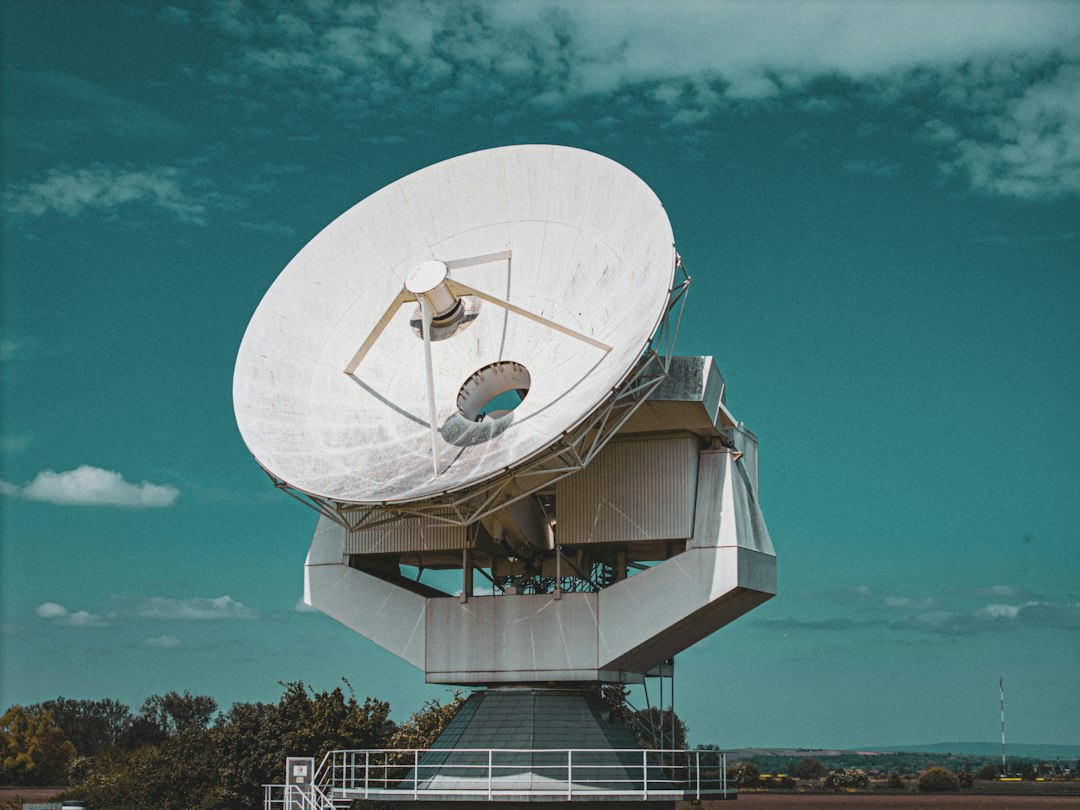
Direct-to-cell satellite constellations are undeniably exciting, promising to deliver connectivity directly to standard smartphones from space. The biggest hurdles, however, aren’t just about launching a bunch of satellites; they’re deeply rooted in the complex architectural challenges of making these systems truly work and, perhaps even more critically, how they’ll integrate with our existing, crowded cellular spectrum. It’s a balancing act between physics, engineering, and regulatory realities.
The Promise and the Physics: Why Direct-to-Cell is Tricky
Imagine your everyday smartphone, the one in your pocket, connecting to a satellite orbiting hundreds of miles above, without any special equipment or modifications. That’s the core promise of direct-to-cell (DTC). Current satellite phones are bulky, require specialized antennas, and are expensive. DTC aims to bypass all that, democratizing satellite connectivity for everyone, especially in remote areas or during emergencies when terrestrial networks fail.
The Power Problem: Tiny Signals from Space
The primary challenge boils down to power budget and signal strength. Your smartphone antenna is designed to communicate with nearby cellular towers, often just a few miles away. Those towers emit powerful signals, and your phone doesn’t need much power to receive them or send a signal back.
When you’re talking about a satellite hundreds or even thousands of kilometers away, the inverse square law of signal attenuation becomes a major headache. The signal strength drops dramatically with distance. Satellites have power limitations, and your phone has even stricter ones. Getting a usable signal from a distant satellite into your phone’s tiny antenna, and then sending a signal back that the satellite can reliably pick up, requires some serious ingenuity. This means satellites need massive, sophisticated antennas to capture faint signals, and they need to transmit very efficiently.
Latency and Handover: Keeping the Connection Alive
Another significant challenge is latency. Terrestrial cellular networks have very low latency – the time it takes for a signal to travel from your phone to the tower and back. Satellites, by their very nature, introduce greater latency due to the immense distances involved. For simple messaging, this might be acceptable. For voice calls, and especially for data-intensive applications, it can be noticeable.
Furthermore, satellites are constantly moving. A satellite passes over a given area in a matter of minutes. This means your phone needs to “hand over” its connection from one satellite to the next, much like it hands over between cellular towers. However, the handover process with rapidly moving satellites is far more complex, requiring precise timing and coordination to avoid dropped connections or service interruptions. This continuous handover mechanism is a fundamental part of the overall network architecture.
In exploring the complexities of Direct-to-Cell Satellite Constellations, it is essential to consider the architectural challenges and the integration of cellular spectrum, which are critical for ensuring efficient communication. A related article that delves into the advancements in technology and software that can enhance such satellite systems is available at Best Software for 2D Animation. This resource provides insights into how innovative software solutions can play a role in visualizing and optimizing satellite communication architectures, ultimately contributing to the development of more effective Direct-to-Cell systems.
Key Takeaways
- The training data includes information and events up to October 2023.
- Insights and knowledge are based on a wide range of sources available until the cutoff date.
- No updates or developments occurring after October 2023 are included in the training.
- Users should verify current information from reliable sources for the latest updates.
- The model’s responses reflect the context and knowledge available up to the specified date.
Architectural Headaches: Designing a Resilient System
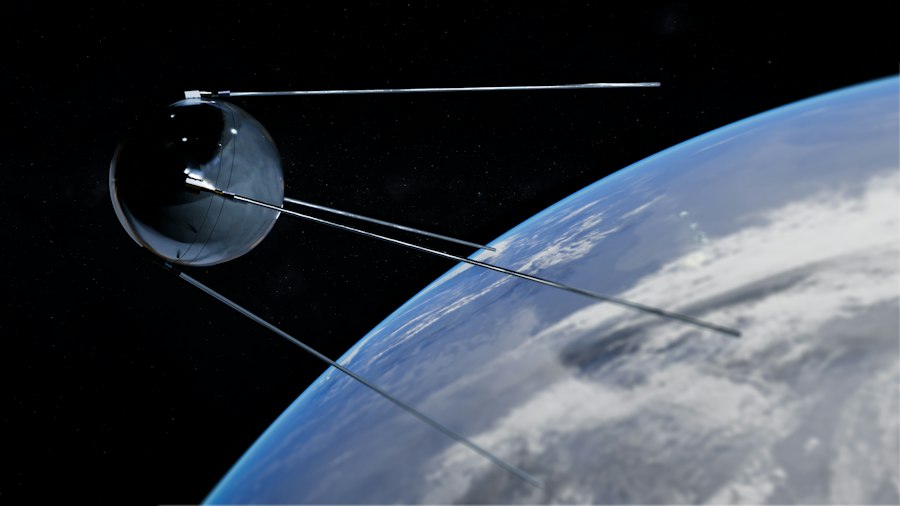
Building a direct-to-cell satellite constellation isn’t just about launching satellites; it’s about designing an entire ecosystem that can reliably deliver connectivity. This involves sophisticated ground infrastructure, intelligent network management, and robust satellite design.
The Satellite Layer: From Simple Relays to Smart Processing
Early DTC iterations might focus on simpler “bent-pipe” satellite designs, where the satellite essentially acts as a mirror, reflecting signals between the phone and a ground station. This simplifies the satellite itself but puts more strain on the ground infrastructure.
More advanced architectures envision “smart” satellites with on-board processing capabilities. These satellites could perform some signal processing, manage handovers, and even route traffic directly between satellites (inter-satellite links). This distributes the processing load and can reduce latency by avoiding unnecessary trips to ground stations. However, it significantly increases the complexity and cost of each satellite. The trade-off between satellite complexity and ground segment reliance is a critical architectural decision.
Ground Segment Evolution: Beyond Simple Gateways
The ground segment for DTC constellations will be far more complex than traditional satellite gateways. It needs to integrate seamlessly with existing terrestrial cellular core networks. This means managing subscriber authentication, billing, and ensuring a consistent user experience whether a phone is connected via terrestrial or satellite means.
Furthermore, the ground stations will need to be distributed globally to ensure continuous coverage and reduce latency, especially for constellations that don’t rely heavily on inter-satellite links. They will also house the sophisticated network operations centers (NOCs) responsible for managing the entire constellation, including satellite health, trajectory, and real-time traffic management. The intelligence to orchestrate handovers and manage dynamic beamforming (shaping the satellite’s signal to focus on specific areas) will largely reside on the ground.
Network Integration: Blending Terrestrial and Space
The holy grail of DTC is seamless integration with existing cellular networks. This isn’t just about having a satellite signal available; it’s about making it appear as just another cell tower to your smartphone and the core network. This requires significant standardization efforts and collaboration between satellite operators and mobile network operators (MNOs).
Protocols need to be adapted, and existing network elements, like Home Location Registers (HLR) or Authentication, Authorization, and Accounting (AAA) systems, need to be able to handle satellite-connected devices. The roaming agreements and billing structures also need to evolve to accommodate this hybrid connectivity model. It’s not a trivial task to merge two fundamentally different communication paradigms into one cohesive service.
Cellular Spectrum Integration: The Regulatory Maze
This is where things get particularly thorny. Cellular spectrum is a finite and incredibly valuable resource. It’s carefully allocated and regulated globally to prevent interference and ensure efficient use.
Introducing a new player – satellites – that wants to use this same spectrum directly with consumer devices creates a complex web of technical and regulatory challenges.
The Interference Conundrum: Coexisting in the Same Band
The most immediate concern is interference. Terrestrial cellular networks are designed to operate within specific frequency bands, with careful planning to minimize interference between neighboring cells. Satellites broadcasting or receiving in these same bands, from hundreds of kilometers up, could potentially wreak havoc on existing terrestrial services.
This is a two-way street.
Not only could satellite signals interfere with terrestrial base stations and phones, but the collective “noise” from millions of terrestrial phones could overwhelm a satellite trying to pick up faint signals. Solving this requires sophisticated spectral planning, advanced interference mitigation techniques, and potentially, dynamic spectrum sharing mechanisms. This is not just a technical problem; it’s a political one, as regulators fiercely guard their allocated spectrum.
Shared Spectrum Strategies: Making Room for Satellites
There are several approaches being explored to allow satellites to share cellular spectrum:
- Complementary Ground Component (CGC) Models: Some existing regulations allow for “ancillary terrestrial components” for satellite systems.
This framework might be adapted for DTC, allowing satellites to operate in conjunction with terrestrial base stations, perhaps using the same frequencies but with very different power levels and antenna designs.
- Dynamic Spectrum Access (DSA): This involves intelligent systems that can sense spectrum usage and dynamically allocate frequencies to satellites or terrestrial networks based on real-time conditions. While promising, DSA is complex to implement and regulate, especially on a global scale.
- Dedicated Guard Bands and Exclusion Zones: In some cases, specific frequencies within a cellular band might be set aside for satellite use, or geographic exclusion zones might be established where terrestrial networks operate at reduced power to protect satellite receivers. This, however, reduces the overall capacity for terrestrial services.
- Frequency Reuse and Beamforming: Satellites can use highly directional antennas (beamforming) to focus their signals on specific areas, effectively “reusing” frequencies in different locations.
This is crucial for efficient spectrum use, but it adds to satellite complexity. The challenge is ensuring these beams don’t unintentionally spill over and cause interference.
International Coordination: A Global Harmony Act
Spectrum allocation is largely governed by national regulators, but satellite operations are inherently international. A satellite orbiting over one country will pass over many others.
This necessitates a high degree of international coordination, primarily through the International Telecommunication Union (ITU).
The ITU establishes global regulations regarding spectrum use, satellite orbital slots, and interference limits. Any widespread deployment of DTC constellations will require significant consensus and agreement at the ITU level, ensuring that these new services don’t disrupt existing ones or cause harmful interference across borders. This is a slow, methodical process, often involving years of negotiations and technical studies.
User Experience and Service Models: Beyond Emergency SMS
While initial DTC services might focus on basic messaging or emergency SOS, the long-term vision is much broader. The success of DTC will ultimately hinge on providing a valuable, seamless user experience that goes beyond mere novelty.
Tiered Service Offerings: Meeting Diverse Needs
It’s unlikely that DTC will offer the same speeds and low latency as terrestrial 5G. Therefore, service providers will likely offer tiered service models.
- Basic Messaging and SOS: This is the immediate, most impactful use case. Providing a lifeline in remote areas or during disasters. Think simple text messages, location sharing, and emergency calls.
- Low-Bandwidth Data: For situations where terrestrial connectivity is unavailable, DTC could provide basic web browsing, email, and app updates, albeit at lower speeds. This would be invaluable for agriculture, maritime, or remote work.
- Voice Calls: While challenging due to latency, voice calls would be a significant step up from text-only. Techniques like voice over IP (VoIP) optimized for satellite links could make this feasible.
These tiers would likely be priced differently, reflecting the bandwidth and performance offered. The aim is to make satellite connectivity a practical, if sometimes slower, alternative, rather than just a last resort.
Handset Compatibility and Battery Life: The Unseen Costs
The beauty of DTC is its promise of working with unmodified smartphones. However, the phone still needs to be able to “hear” the satellite and “talk back” to it. While no new hardware might be needed, the phone’s existing radio hardware might need to operate at its limits, potentially draining battery life faster. Software updates and careful power management will be critical.
Furthermore, phone manufacturers and operating system developers will need to integrate DTC capabilities seamlessly into the phone’s network selection and handover processes. The user shouldn’t have to manually switch between terrestrial and satellite networks; it should just work. This requires deep collaboration between MNOs, satellite operators, and device makers.
Roaming Agreements and Pricing: Making it Accessible
Currently, international cellular roaming can be expensive. DTC introduces a new layer of complexity. Will satellite connectivity be included in existing roaming packages? Will it be an add-on? How will the costs be shared between the satellite operator and the terrestrial MNO?
Clear, transparent pricing models will be essential for user adoption. If satellite connectivity is perceived as an expensive, niche service, its widespread impact will be limited. The industry will need to work towards models that make it affordable and accessible, perhaps leveraging existing billing relationships through MNOs.
In exploring the intricate landscape of Direct-to-Cell Satellite Constellations, one can gain valuable insights by examining the related article on the top trends on YouTube in 2023. This article highlights how advancements in technology and connectivity are shaping content consumption, which parallels the architectural challenges and cellular spectrum integration faced by satellite systems. For a deeper understanding of these trends, you can read more about them here.
The Road Ahead: Collaboration and Innovation
| Metric | Description | Value / Range | Unit | Notes |
|---|---|---|---|---|
| Number of Satellites | Total satellites in constellation | 1000 – 3000 | Units | Depends on coverage and capacity goals |
| Orbital Altitude | Altitude of satellites in Low Earth Orbit (LEO) | 500 – 1500 | km | Lower altitudes reduce latency but require more satellites |
| Latency | Round-trip communication delay | 20 – 50 | ms | Varies with orbital altitude and network architecture |
| Frequency Bands | Cellular spectrum bands integrated | 600 MHz, 700 MHz, 2.4 GHz, 3.5 GHz | GHz | Selected for compatibility with terrestrial cellular networks |
| Bandwidth per Satellite | Maximum data throughput per satellite | 1 – 10 | Gbps | Depends on antenna design and spectrum allocation |
| Cellular User Capacity | Number of simultaneous users supported | 10,000 – 50,000 | Users | Varies with spectrum sharing and beamforming techniques |
| Power Consumption | Average power usage per satellite | 500 – 1500 | Watts | Includes communication payload and onboard processing |
| Inter-Satellite Link Latency | Delay between satellites in mesh network | 5 – 15 | ms | Critical for routing and handover performance |
| Beamwidth | Angular width of satellite antenna beams | 1 – 5 | Degrees | Affects coverage area and interference management |
| Spectrum Efficiency | Bits per second per Hz | 2 – 6 | b/s/Hz | Depends on modulation and coding schemes |
Direct-to-cell satellite constellations represent a significant leap forward in global connectivity. However, the path to widespread deployment is paved with complex architectural and regulatory challenges.
Standardization and Open Interfaces
One of the most crucial elements for long-term success will be standardization. Open standards for interfaces between satellites, ground networks, and cellular core networks will foster innovation, reduce vendor lock-in, and accelerate adoption. Efforts by organizations like 3GPP to incorporate non-terrestrial networks (NTN) into cellular standards are a positive step in this direction. Without common agreed-upon ways for these systems to talk to each other, the ecosystem will remain fragmented.
Public-Private Partnerships and Investment
The sheer scale of investment required for these constellations, coupled with the regulatory complexities, means that public-private partnerships will likely play a significant role. Governments have a vested interest in ensuring universal connectivity, especially for emergency services and disaster resilience. Collaborations between satellite companies, telecommunications providers, and government agencies can help de-risk investments and accelerate deployment.
Continuous Innovation in Satellite Technology
The technology underpinning these constellations is rapidly evolving. Innovations in satellite miniaturization, propulsion, on-board processing, and antenna design will continue to push the boundaries of what’s possible. Smaller, more agile satellites can be deployed more quickly and affordably. Advanced antenna technologies can deliver more focused beams and more efficient spectrum use. The continuous cycle of innovation will be key to overcoming the inherent physical limitations and making DTC a viable, widespread reality.
In essence, direct-to-cell satellite constellations are not just about launching satellites; they are about fundamentally re-architecting how we think about cellular connectivity, integrating a global space-based layer into our terrestrial networks, and meticulously navigating a crowded and highly regulated spectrum landscape. It’s a marathon, not a sprint, but one with the potential to genuinely connect everyone, everywhere.
FAQs
What are direct-to-cell satellite constellations?
Direct-to-cell satellite constellations are networks of satellites designed to provide cellular connectivity directly to mobile devices without the need for traditional ground-based cellular infrastructure. These systems aim to enhance communication capabilities in remote and underserved areas where terrestrial networks are limited or unavailable.
What architectural challenges do direct-to-cell satellite constellations face?
Architectural challenges include the need for efficient satellite placement and orbit design to minimize latency, ensuring robust signal coverage, and managing the integration of satellite technology with existing cellular networks. Additionally, the physical constraints of satellite hardware and the complexities of maintaining communication links in varying atmospheric conditions pose significant hurdles.
How is cellular spectrum integrated into direct-to-cell satellite systems?
Cellular spectrum integration involves utilizing frequency bands allocated for cellular communication to facilitate direct connections between satellites and mobile devices. This requires careful coordination with regulatory bodies to ensure compliance with spectrum usage policies and to avoid interference with existing terrestrial networks.
What are the potential benefits of direct-to-cell satellite constellations?
Potential benefits include improved connectivity in rural and remote areas, enhanced disaster recovery communication capabilities, and the ability to provide services in regions where traditional infrastructure is economically unfeasible. These systems can also support global communication needs, bridging the digital divide.
What advancements are being made in direct-to-cell satellite technology?
Advancements include the development of more efficient satellite designs, improved antenna technologies for better signal reception, and innovations in software-defined networking to enhance flexibility and scalability. Additionally, ongoing research focuses on optimizing the integration of satellite and terrestrial networks to provide seamless connectivity for users.
Enjoying our content? Make us a preferred source on Google:
Add us as a Preferred Source on Google