

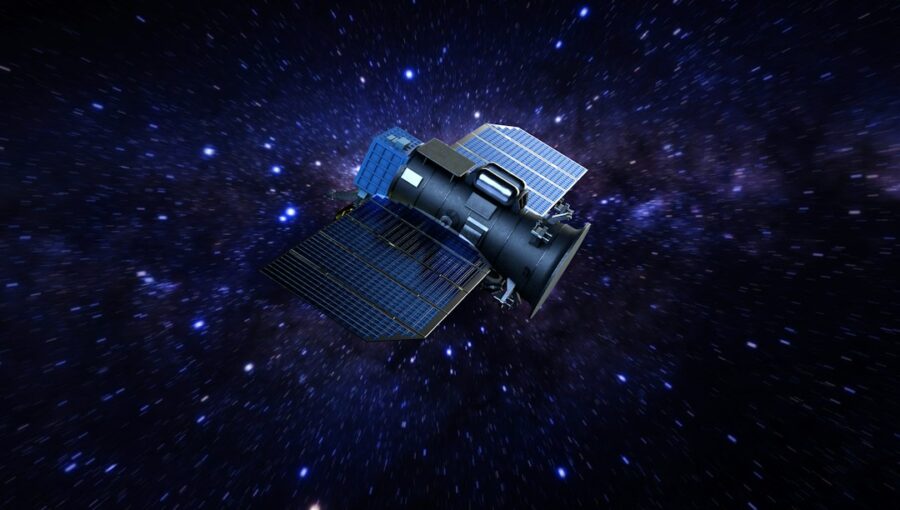
Direct-to-cell satellite connectivity is fundamentally changing how remote Internet of Things (IoT) devices and enterprise communications operate. Essentially, it allows ordinary smartphones and other cellular-enabled devices to connect directly to satellites, bypassing traditional terrestrial cellular towers. This means you can get a signal in places where ground-based infrastructure simply doesn’t exist, opening up vast new possibilities for connectivity in previously unreachable areas.
The ‘How’ Behind Direct-to-Cell
Understanding how this works is key to appreciating its impact. It’s not magic, but rather a clever combination of existing technologies and some newer innovations.
Bridging Terrestrial and Orbital Networks
At its core, direct-to-cell bridges the gap between terrestrial cellular networks and satellite constellations. Instead of needing specialized satellite phones or bulky terminals, your everyday smartphone can now, with the right software and sometimes minor hardware adjustments, communicate directly with a satellite orbiting Earth.
Low Earth Orbit (LEO) Satellites are Key
A significant enabler for direct-to-cell is the rise of Low Earth Orbit (LEO) satellite constellations. Unlike geostationary satellites, which are much further away and cause significant latency, LEO satellites orbit much closer to Earth. This proximity allows for lower latency, making two-way communication much more practical for things like messaging and even some data transfer. These LEO satellites are also often equipped with sophisticated phased array antennas that can mimic the characteristics of a terrestrial cell tower, directing beams of signal to the ground where cellular devices can pick them up.
Adapting Existing Cellular Protocols
Another crucial aspect is the adaptation of existing cellular protocols, like 4G LTE and 5G New Radio (NR), for satellite communication. Instead of reinventing the wheel, companies are working to make these protocols function effectively over satellite links. This means your phone doesn’t need a completely different radio to connect; it’s using the same general technology, just talking to a different kind of “cell tower.” There are adjustments made for the greater distance and movement of the satellites, but the fundamental communication layers remain familiar.
Network Orchestration and Handover
A sophisticated network orchestration layer is essential. As satellites move across the sky, a device needs to seamlessly hand off its connection from one satellite to the next.
This requires intelligent management to maintain a continuous link.
Furthermore, the network needs to decide when to use terrestrial cellular versus satellite, prioritizing the most efficient and reliable connection based on location and signal strength.
Direct-to-Cell Satellite Connectivity is revolutionizing the way remote IoT devices and enterprise communications operate, enabling seamless connectivity in areas previously deemed unreachable. For a deeper understanding of how technology is evolving to enhance user experience and inclusivity, you might find the article on Instagram’s new feature interesting. It discusses how social media platforms are adapting to user needs, much like how satellite connectivity is transforming communication in remote locations. You can read more about it here: It provides peace of mind and ensures that help can be summoned when needed, even when miles from the nearest cell tower. In scenarios where terrestrial infrastructure is damaged or overwhelmed – think natural disasters like hurricanes, floods, or wildfires – direct-to-cell can serve as a vital backup communication channel. Businesses can maintain critical operations, coordinate response efforts, and ensure their employees can stay in touch when traditional networks fail. It adds a robust layer of redundancy to communication strategies. The global pandemic accelerated the trend towards remote work. Direct-to-cell further expands these possibilities, allowing employees to genuinely work from anywhere, provided they have a power source. This opens up new talent pools and offers greater flexibility, though it’s important to manage expectations regarding data speeds compared to terrestrial broadband. For some businesses, the lack of ubiquitous connectivity has been a barrier to entry or expansion. Direct-to-cell removes this barrier, enabling new services and business models that rely on constant, widespread communication. This could range from remote telehealth consultations in underserved regions to highly distributed logistics networks with real-time tracking from origin to destination. While the potential is immense, direct-to-cell isn’t without its hurdles. It’s a nascent technology, and there are practicalities to iron out. Despite LEO satellites offering lower latency than geostationary ones, direct-to-cell connections generally won’t match the speed and responsiveness of terrestrial 5G. For things like streaming high-definition video or large data transfers, it might still be too slow. It’s more suited for messaging, email, light browsing, and the kind of intermittent, small-packet data typical of IoT. Managing user expectations regarding performance will be crucial. Operating satellite networks that directly interface with terrestrial devices involves complex regulatory landscapes. Each country has its own rules for spectrum allocation and telecommunications. Harmonizing these regulations across borders for global direct-to-cell services is a significant undertaking that requires international cooperation. While the goal is to use existing smartphone hardware, some direct-to-cell solutions might require specific chipsets or software updates. Additionally, maintaining a continuous satellite link can be more power-intensive for a phone than connecting to a nearby cell tower, potentially impacting battery life if used extensively. Future iterations will likely address these power optimization challenges. Who pays for what? Will direct-to-cell be an add-on service from existing mobile network operators (MNOs), a separate subscription from satellite providers, or a combination? The pricing models are still evolving. For IoT, especially, cost per message or per kilobyte will be a major factor in adoption. Finding a balance that makes it affordable for widespread use is critical. For seamless operation, direct-to-cell services will need robust roaming agreements with terrestrial MNOs. Devices should automatically switch between satellite and terrestrial networks based on signal availability and policy, providing a truly ubiquitous experience without user intervention. Establishing these agreements can be complex and time-consuming. Direct-to-Cell Satellite Connectivity is revolutionizing the way remote IoT devices and enterprise communications operate, providing seamless connectivity in areas previously deemed unreachable. This innovative technology not only enhances data transmission but also opens up new avenues for businesses to thrive in challenging environments. For a deeper understanding of how advanced technology is reshaping communication, you can explore this insightful article on the Samsung Galaxy Z Fold4, which highlights the potential of cutting-edge devices in enhancing connectivity and productivity. Check it out here.Business Continuity and Disaster Recovery
Expanding Remote Work Opportunities
Enabling New Business Models
Challenges and Considerations Ahead
Bandwidth Limitations and Latency
Regulatory Hurdles and Spectrum Allocation
Device Compatibility and Power Consumption
Cost Structures and Business Models
Terrestrial Roaming Agreements
The Future Landscape of Connectivity

| Metric | Value | Unit | Description |
|---|---|---|---|
| Latency | 50-150 | ms | Typical round-trip latency for direct-to-cell satellite connections |
| Data Throughput | 5-50 | Mbps | Average data transfer speeds achievable for remote IoT devices |
| Coverage Area | Global | – | Satellite connectivity provides near-global coverage including remote areas |
| Device Compatibility | LTE-M, NB-IoT, 5G | – | Supported cellular standards for direct satellite-to-cell communication |
| Power Consumption | Low | – | Optimized for IoT devices with limited power resources |
| Deployment Time | Weeks to Months | – | Timeframe to deploy satellite connectivity for enterprise communications |
| Reliability | 99.9 | % | Service uptime for critical enterprise communication applications |
| Typical Use Cases | Asset Tracking, Environmental Monitoring, Remote Workforce Comms | – | Common applications benefiting from direct-to-cell satellite connectivity |
Looking ahead, direct-to-cell is not just a niche solution; it’s a fundamental shift in how we think about connectivity, moving us closer to a truly borderless communication infrastructure.
Towards Seamless Hybrid Networks
The vision is a future where your device doesn’t care if it’s connected to a ground tower or a satellite. It will automatically switch to the best available network, providing continuous service. This means a seamless hybrid network where terrestrial and satellite systems work in concert, filling each other’s gaps. For users, it will simply be “network access,” always on.
Enabling Remote Autonomy and AI
For advanced IoT applications, especially those involving autonomous systems or edge AI, direct-to-cell provides the necessary communication backbone for remote monitoring, control, and over-the-air updates. Imagine autonomous agricultural machinery operating in remote fields, constantly communicating with a central control system, or drones inspecting vast infrastructure, relaying data in real-time regardless of their location.
Expanding Digital Inclusion
Perhaps one of the most impactful long-term effects is the potential for expanding digital inclusion. Billions of people still lack reliable internet access, often due to geographic isolation. While direct-to-cell might not bring fiber-optic speeds, it can provide basic communication capabilities to previously unconnected communities, enabling access to education, healthcare information, and economic opportunities that were once out of reach.
New Applications and Innovation
As the technology matures and becomes more widespread, we’ll undoubtedly see a surge of new applications and innovations that we can’t even fully predict yet. Developers will leverage this ubiquitous connectivity to create solutions for problems that were previously unsolvable due to lack of network. This could range from global asset tracking at unprecedented scales to completely new forms of remote sensing and data analytics.
A Complement, Not a Replacement
It’s important to remember that direct-to-cell satellite connectivity is largely a complementary technology to terrestrial cellular, not a replacement. Terrestrial networks will continue to offer higher speeds and lower latency in populated areas. Direct-to-cell excels in filling the gaps, providing essential connectivity where ground infrastructure is absent or impractical. The future of connectivity will be a robust, interconnected web of various technologies, with direct-to-cell playing a vital role in extending that web to every corner of the planet.
FAQs
What is direct-to-cell satellite connectivity?
Direct-to-cell satellite connectivity is a technology that enables direct communication between satellites and cellular devices, bypassing the need for traditional ground-based infrastructure.
How does direct-to-cell satellite connectivity benefit remote IoT applications?
Direct-to-cell satellite connectivity provides reliable and seamless connectivity for remote IoT applications in areas where traditional cellular networks are unavailable or unreliable, enabling real-time data transmission and monitoring.
What advantages does direct-to-cell satellite connectivity offer for enterprise communications?
Direct-to-cell satellite connectivity offers enterprises a cost-effective and efficient way to establish communication networks in remote locations, ensuring connectivity for critical operations and enabling global reach.
How does direct-to-cell satellite connectivity compare to traditional satellite communication methods?
Direct-to-cell satellite connectivity offers lower latency and higher data speeds compared to traditional satellite communication methods, making it more suitable for applications requiring real-time data transmission and communication.
Is direct-to-cell satellite connectivity secure for transmitting sensitive data?
Direct-to-cell satellite connectivity uses encryption and other security measures to ensure the confidentiality and integrity of data transmission, making it a secure option for transmitting sensitive information over long distances.
Enjoying our content? Make us a preferred source on Google:
Add us as a Preferred Source on Google