

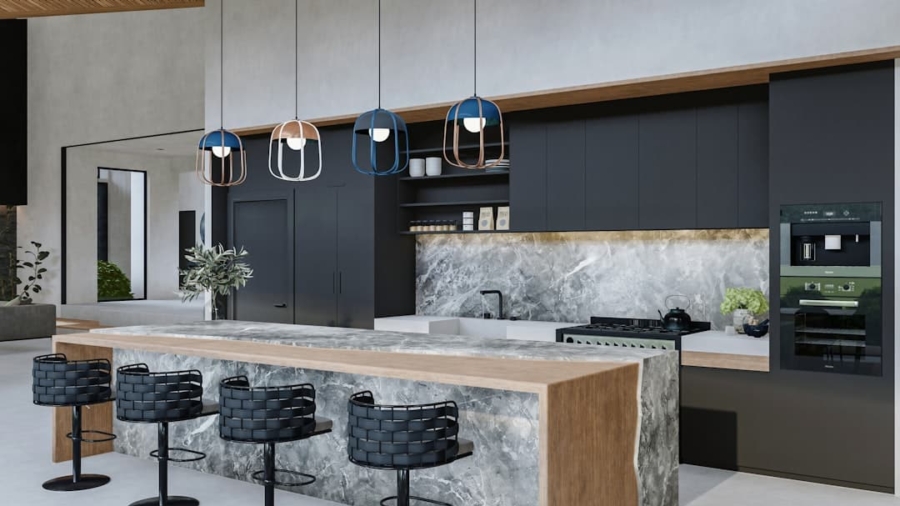
So, you’re thinking about upgrading your kitchen, or maybe building a new one, and want it to be a bit more… smart? And not just smart in the techy, gadgety way, but smart for your health and making your life easier? That’s a fantastic goal. The good news is, designing a kitchen that supports both well-being and efficiency isn’t about overwhelming complexity. It’s about thoughtful choices that integrate seamlessly into your daily routine.
Essentially, a smart kitchen for health and efficiency is one that makes it genuinely easy to choose and prepare nutritious food, while also streamlining your workflow so cooking feels less like a chore and more like a natural part of your day. It’s a space that anticipates your needs, reduces waste, and encourages good habits without you even having to think too hard about it.
Let’s break down how you can achieve this.
Your kitchen’s layout is the skeleton upon which everything else is built. Think of it like planning a good meal – the ingredients and their arrangement matter for the final product. A well-designed layout can make a huge difference in both how efficiently you move around and how easy it is to access healthy ingredients.
The Work Triangle: Still Relevant
The classic “work triangle” (sink, stove, refrigerator) is a fundamental concept for a reason. It promotes an efficient workflow by minimizing unnecessary steps between these essential points.
Refrigerator to Sink
This is where you’ll likely bring out your produce and other fresh items. Having a clear path from the fridge to the sink for washing is crucial.
Sink to Stove
This is your prep zone. Having enough counter space between the sink and the stove allows you to wash, chop, and then easily move ingredients to the cooking surface.
Stove to Refrigerator (and vice versa)
This connection is important for grabbing ingredients while cooking or putting away leftovers. Minimizing the distance here saves you trips.
Beyond the Triangle: Creating Zones
While the triangle is important, modern kitchens often benefit from distinct zones. This goes beyond just placing appliances. It’s about thinking about how you use different areas.
The Prep Zone: Your Health Hub
This is arguably the most important zone for a health-focused kitchen.
It needs to be spacious, well-lit, and equipped for easy ingredient handling.
Ample Countertop Space
This is non-negotiable. You need enough room to spread out ingredients, have cutting boards accessible, and have bowls for prepped items. Consider using materials that are easy to clean and non-porous for hygiene.
Easy Access to Tools and Utensils
Keep knives, cutting boards, and essential prep tools within easy reach of your prep area. Consider drawer organizers or wall-mounted racks.
Integrated Compost and Recycling
Having dedicated bins for compost and recycling right within your prep zone makes it incredibly easy to manage food scraps and waste, encouraging mindful disposal.
The Cooking Zone: Efficient Heat Management
This zone focuses on your stovetop, oven, and any other cooking appliances.
Ventilation is Key
Good ventilation is crucial for air quality.
It removes cooking fumes, grease, and moisture, which is better for your respiratory health and keeps your kitchen cleaner.
Appliance Placement for Safety
Ensure there’s space around the stove for safe maneuvering. Avoid placing flammable items close by.
The Cleaning Zone: Streamlined Post-Meal Routine
This encompasses your sink, dishwasher, and waste disposal.
Ergonomic Sink Height
If you’re doing a major renovation or build, consider the height of your sink. An ergonomic height can reduce strain on your back and arms.
Efficient Dishwasher Loading
Think about how you’ll load your dishwasher. Drawer dishwashers or dishwashers with flexible racking can be more efficient.
The Importance of Natural Light and Ventilation
Don’t underestimate the power of natural light. It makes a space feel more inviting and can even influence your mood. Good ventilation is also key for health, removing airborne particles and moisture.
Maximizing Natural Light
Consider window placement and size. Large windows or skylights can flood your kitchen with daylight, reducing the need for artificial lighting during the day and creating a more pleasant atmosphere.
Strategic Ventilation Systems
Beyond a good range hood, consider passive ventilation options like windows that can be easily opened. This allows for fresh air circulation, which is always a plus.
In the pursuit of creating smart kitchens that prioritize health and efficiency, it’s essential to consider how technology can enhance our cooking and eating habits. A related article that delves into optimizing content for better engagement and visibility is available at Boost Your Content with NeuronWriter SEO & NLP Optimization. This resource provides valuable insights into leveraging advanced tools to improve the effectiveness of kitchen design content, ensuring that the latest innovations in smart kitchen technology reach a wider audience.
Key Takeaways
- Clear communication is essential for effective teamwork
- Active listening is crucial for understanding team members’ perspectives
- Setting clear goals and expectations helps to keep the team focused
- Regular feedback and open communication can help to address any issues early on
- Celebrating achievements and milestones can boost team morale and motivation
Smart Storage: Keeping Things Accessible and Organized
Storage is where efficiency and health really intersect. When everything has its place and is easy to find, you’re far more likely to use what you have, reduce food waste, and prepare meals quickly.
Seeing is Believing: Open Shelving and Glass Fronts
One of the simplest ways to make your kitchen smarter is to make your ingredients visible.
Open Shelving for Frequently Used Items
Think about displaying your everyday spices, oils, and perhaps even some colorful produce. This constant visual reminder can encourage their use.
Glass-Fronted Cabinets
These offer the best of both worlds – protection from dust and grease, while still allowing you to see what’s inside.
Customized Drawer Solutions: The Heart of Efficiency
Drawers are often more efficient than deep cabinets because they allow you to see everything at a glance without having to rummage.
Deep Drawers for Pots and Pans
Store your pots and pans vertically in deep drawers. This makes them much easier to access and prevents the dreaded stack-and-tumble.
Specialized Utensil and Gadget Inserts
Invest in drawer organizers that fit your specific utensils. This keeps them tidy and prevents them from getting lost or jumbled.
Spice Drawer Inserts
A tilted spice drawer insert means you can see all your spice labels at once, making it a breeze to grab the right one.
Smart Pantry Systems: Reducing Food Waste
Your pantry is a critical area for health and efficiency. Effective organization here directly impacts your food budget and how much you throw away.
Lazy Susans and Tiered Shelving
Maximize vertical space and make items in the back accessible. This is especially useful for canned goods and jars.
Clear, Airtight Containers
Store dry goods like grains, pasta, flour, and sugar in clear, airtight containers. Not only do they look tidy, but you can easily see what you have and how much, preventing overbuying and spoilage. Labeling is also key here.
Designated Zones for Produce
Consider how you store your fruits and vegetables. Some thrive in cooler temperatures, others on the counter. Smart storage solutions can keep them fresher for longer.
Integrated Waste and Recycling Solutions
As mentioned in the layout section, making waste management easy is key to encouraging good habits.
Pull-Out Bins for Compost, Recycling, and Trash
Having these integrated into your cabinetry, especially near your prep areas, makes sorting and disposal effortless.
Composting Options
If you’re serious about reducing waste, consider integrating a small countertop composter or researching local composting services.
Technology Integration: Enhancing Health and Convenience

Now, let’s talk about the “smart” in smart kitchens. It doesn’t have to mean a kitchen that talks back to you. It means technology that genuinely makes your life easier, healthier, and more efficient.
Smart Appliances: More Than Just Gadgets
Modern appliances offer features that can significantly impact your cooking habits and kitchen management.
Refrigerators with Inventory Management
Some smart refrigerators can track what you have inside, suggest recipes based on available ingredients, and even alert you when items are nearing their expiration date. This is a game-changer for reducing food waste and planning meals.
Smart Ovens with Preset Cooking Modes
Ovens with pre-programmed settings for specific dishes or types of food can take the guesswork out of cooking, ensuring better results and reducing the chance of burning or undercooking.
Induction Cooktops: Efficiency and Safety
Induction cooktops are not only faster and more energy-efficient than traditional electric or gas stoves, but they also offer a safer cooking surface as the cooktop itself doesn’t get as hot.
This is a significant advantage for families with children or pets.
Smart Lighting: Setting the Mood and Enhancing Functionality
Lighting is often overlooked, but it plays a huge role in both the ambiance of your kitchen and its practicality.
Task Lighting for Prep Areas
Bright, focused lighting directly above your countertops is essential for safe and precise food preparation. LED strips under cabinets are a popular and effective solution.
Dimmable Ambient Lighting
For times when you’re not actively cooking, dimmable lights can create a softer, more relaxing atmosphere.
Color-Changing LEDs (Optional)
Some systems allow you to change the color of your lighting, which can be fun for entertaining or simply setting a different mood.
Smart Kitchen Hubs and Voice Control
These can act as the central nervous system for your smart kitchen, offering hands-free control and information access.
Recipe Assistance and Timers
Simply ask for a recipe, have it displayed on a screen, or set timers verbally while your hands are busy.
Shopping List Management
Add items to your digital shopping list simply by speaking them.
Appliance Control
Many smart hubs can control compatible smart appliances directly.
Investing in Energy Efficiency
“Smart” also means being mindful of resource consumption.
Energy-Efficient Appliances
Look for the ENERGY STAR rating when purchasing new appliances.
Smart Plugs and Timers
Use smart plugs to automatically turn off appliances that draw “phantom power” when not in use, or to schedule specific on/off times for devices.
Material Choices: Durability, Hygiene, and Aesthetics

The materials you choose for your countertops, flooring, and cabinetry have a significant impact on both the longevity of your kitchen and how easy it is to maintain for health and hygiene.
Countertops: The Workhorse of Your Kitchen
This is where you’ll spend a lot of your time. Durability, ease of cleaning, and non-porous surfaces are key considerations for a healthy kitchen.
Quartz: A Top Performer
Quartz is a popular choice for good reason. It’s non-porous, meaning it won’t harbor bacteria, and it’s resistant to stains and scratches. It’s also low maintenance.
Soapstone: Natural and Beautiful
Soapstone is another excellent option. It’s naturally non-porous and develops a beautiful patina over time. It’s warm to the touch and resistant to heat.
Stainless Steel: Professional and Hygienic
Often found in commercial kitchens, stainless steel is incredibly hygienic, heat-resistant, and durable. It can scratch, but these scratches often blend in over time.
Granite: Classic and Durable (Consider Sealing)
Granite is a classic choice that is quite durable. However, it is porous and requires regular sealing to prevent staining and bacterial growth.
Cabinetry: Balancing Functionality and Aesthetics
Your cabinets house your essentials, so their design and material are important for both accessibility and ease of cleaning.
Easy-to-Clean Finishes
Opt for cabinet finishes that are smooth and easy to wipe down. Avoid overly textured finishes where dust and grease can accumulate.
Dovetail Drawer Construction
While a minor detail, dovetail joints in drawers indicate higher quality construction and durability, meaning your drawers will last longer.
Soft-Close Mechanisms
These small but significant details prevent slamming, which is not only quieter but also reduces wear and tear on your cabinets.
Flooring: Safety and Ease of Maintenance
Your kitchen floor needs to be safe, easy to clean, and able to withstand spills and heavy foot traffic.
Luxury Vinyl Plank (LVP) or Tile
LVP is a fantastic option for kitchens. It’s waterproof, durable, stain-resistant, and many designs mimic the look of wood or natural stone.
Ceramic or Porcelain Tile
Another excellent choice, known for its durability and water resistance. Ensure grout lines are sealed to prevent staining and mold.
Natural Stone (with Sealing)
While beautiful, natural stone flooring like slate or travertine requires regular sealing to be effectively maintained in a kitchen environment.
Backsplashes: Protecting Walls and Adding Style
| Smart Kitchen Feature | Health Benefit | Efficiency Benefit |
|---|---|---|
| Smart Refrigerator | Keeps food at optimal temperature to prevent spoilage | Notifies when items are running low |
| Smart Oven | Provides cooking recommendations for healthier meals | Preheats quickly and cooks food evenly |
| Smart Lighting | Adjusts lighting to create a better cooking environment | Energy efficient and can be controlled remotely |
| Smart Faucet | Encourages handwashing with touchless technology | Reduces water waste with automatic shut-off |
The backsplash is not just decorative; it’s a crucial barrier against splashes and spills.
Tile (Ceramic, Porcelain, Glass)
These are classic choices, offering a wide range of styles and are generally easy to clean.
Stainless Steel Panels
A sleek and modern option that is easy to wipe down and very hygienic.
Quartz or Stone Slabs
Extending your countertop material up the wall creates a seamless, modern look and is incredibly easy to keep clean.
In the quest for creating smart kitchens that promote health and efficiency, it’s interesting to explore how technology can enhance our cooking experiences. A related article discusses the best tablets for on-stage lyrics, which can also be a valuable tool in the kitchen for following recipes or watching cooking tutorials. You can read more about it in this insightful piece on tablets that can seamlessly integrate into your culinary routine. This intersection of technology and cooking not only makes meal preparation more enjoyable but also encourages healthier eating habits.
Encouraging Healthy Habits: Design that Supports Well-being
Ultimately, a smart kitchen is one that subtly guides you towards healthier choices and makes the process of healthy eating enjoyable. This isn’t about restriction, but about making the good choices the easy choices.
Creating an Inviting Produce Storage Area
Make your fruits and vegetables the stars of your kitchen.
Dedicated Produce Drawers/Cabinets
These can be designed with specific ventilation and temperature control to keep produce fresher for longer.
Open Baskets or Bowls on the Counter
For items that are best kept at room temperature, displaying them in attractive bowls or baskets on your counter encourages their use. The visual appeal can be a powerful motivator.
Designing for Easy Meal Prep
As we’ve touched on, ample, well-equipped prep space is essential.
Knife Blocks and Cutting Board Storage
Ensure these are readily accessible and not tucked away in a drawer.
Easy Access to Spices and Seasonings
Keep your most used spices within arm’s reach of your cooking and prep areas.
Promoting Mindfulness in Eating
The kitchen environment can influence how and what we eat.
Adequate Natural Light and Pleasant Ambiance
A kitchen that feels good to be in encourages you to spend more time there, potentially preparing more wholesome meals instead of grabbing quick, less healthy options.
Reducing Clutter
A cluttered kitchen can feel overwhelming and stressful. Smart storage solutions help minimize clutter, creating a more calming environment conducive to mindful eating.
Hydration Stations: Making Water Accessible
Encouraging water intake is a simple yet powerful way to promote health.
Filtered Water Tap
Having a dedicated tap for filtered water makes it easy to fill a water bottle or glass. Consider placing one near your fridge or separate from your main sink tap.
Designated Space for Water Bottles and Glasses
A small shelf or area for reusable water bottles and glasses can be a daily reminder to stay hydrated.
By thoughtfully integrating these elements, your kitchen can transform from a functional space into a powerful ally in your pursuit of a healthier, more efficient lifestyle. It’s about creating a space that works for you, making good habits second nature.
FAQs
What are the key features of a smart kitchen designed for health and efficiency?
A smart kitchen designed for health and efficiency includes features such as energy-efficient appliances, smart storage solutions, water-saving fixtures, and air quality monitoring systems. These features help promote a healthier and more sustainable cooking environment.
How can smart technology improve the efficiency of a kitchen?
Smart technology can improve kitchen efficiency by automating tasks, optimizing energy usage, and providing real-time monitoring and control of appliances. For example, smart refrigerators can help reduce food waste by tracking expiration dates and sending notifications to users.
What are some health benefits of a smart kitchen design?
A smart kitchen design can promote health by encouraging better eating habits through features like smart refrigerators that suggest recipes based on available ingredients, and water-saving fixtures that promote hydration. Additionally, air quality monitoring systems can help reduce exposure to indoor air pollutants.
What are some popular smart kitchen appliances for health and efficiency?
Popular smart kitchen appliances for health and efficiency include smart refrigerators with built-in cameras and inventory management systems, energy-efficient induction cooktops, smart ovens with remote control and monitoring capabilities, and water-saving dishwashers with sensor technology.
How can a smart kitchen design contribute to sustainability?
A smart kitchen design can contribute to sustainability by reducing energy and water consumption through the use of energy-efficient appliances, water-saving fixtures, and smart home automation systems. Additionally, features like composting bins and recycling stations can help minimize waste.
Enjoying our content? Make us a preferred source on Google:
Add us as a Preferred Source on Google