

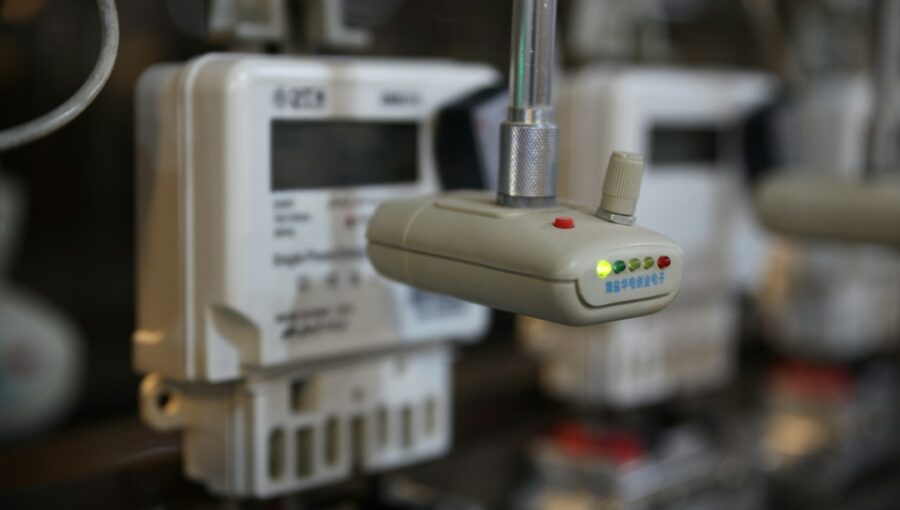
So, you’re curious about how smart water meters and acoustic leak detection can really make a difference when you’re building out a municipal IoT network, huh? Great question!
In a nutshell, integrating these technologies is all about gaining a much clearer picture of your water system’s health and efficiency, leading to better resource management, cost savings, and improved service for everyone.
It’s less about flashy gadgets and more about practical, data-driven improvements. Let’s break down what that actually looks like and how you can get it done.
Before you start slapping sensors on pipes, a solid plan is key. This isn’t just about buying the tech; it’s about understanding what you need it to do for your specific community.
Understanding Your Existing Infrastructure
First things first, you need to know what you’re working with.
That means a thorough inventory of your current water mains, service lines, and existing meter points.
Mapping Your Network
Do you have up-to-date GIS maps of your entire water distribution system? If not, this is a crucial first step. Knowing the age, material, and condition of your pipes will help prioritize where to deploy smart meters and leak detection equipment. Think of it like getting a blueprint before you start renovating.
Assessing Metering Needs
Where are your biggest water losses currently? Are your existing meters accurate? Identifying areas with high non-revenue water (NRW) is a priority. This analysis will inform your deployment strategy, helping you target the most impactful locations.
Defining Your Objectives
What do you want this smart network to achieve? Be specific.
Reducing Non-Revenue Water (NRW)
Is your primary goal to significantly cut down on water lost through leaks and theft? This is often the biggest driver for deploying these technologies.
Improving Billing Accuracy
Do you want to ensure every drop of water is accounted for and billed accurately to residents and businesses?
Enhancing Operational Efficiency
Are you looking to streamline meter reading, reduce manual labor, and get real-time alerts for potential issues?
Supporting Water Conservation Efforts
Does your municipality have broader sustainability goals that this network can support?
Choosing the Right Technology Mix
Not all smart meters and leak detection systems are created equal. Your choice will depend on your budget, infrastructure, and specific objectives.
Meter Technology Options
- Smart Meters (AMI vs. AMRM): Do you need Automatic Metering Infrastructure (AMI) for real-time, two-way communication, or is Automated Meter Reading (AMR) with one-way communication sufficient? AMI offers more granular data and faster response times, but it’s generally more expensive.
- Meter Features: Consider features like remote shut-off capabilities, tamper detection, and the ability to detect reverse flow.
Acoustic Leak Detection Systems
- Fixed Sensors vs. Mobile Units: Will you use a network of permanently installed acoustic sensors in critical areas, or will you employ mobile units that can be deployed and moved as needed? A hybrid approach is often the most effective.
- Data Analysis Capabilities: How sophisticated is the system’s ability to pinpoint leak locations and differentiate between actual leaks and background noise?
In the context of advancing municipal infrastructure, the integration of smart water metering and acoustic leak detection technologies is crucial for enhancing water management efficiency. A related article that explores innovative technological solutions is available at this link: Unlock a New World of Possibilities with the Samsung Galaxy Chromebook. This article discusses how modern devices can support IoT applications, which are essential for deploying effective smart water systems and ensuring sustainable resource management in urban environments.
Key Takeaways
- The training data includes information and events up to October 2023.
- Insights and knowledge are based on a wide range of sources available until the cutoff date.
- No updates or developments occurring after October 2023 are included in the training.
- Users should verify current information from reliable sources for the latest updates.
- The model’s responses reflect the context and knowledge available up to the specified date.
Integrating Smart Meters into Your IoT Network
Smart water meters aren’t just fancy data collectors; they are a foundational element of your smart city’s data ecosystem. Getting them connected and talking to your network is where the magic begins.
Network Connectivity Options
This is where the “IoT” part really comes into play. How will your meters communicate their data back to you?
Cellular (LTE-M, NB-IoT)
These cellular technologies are designed for low-power, wide-area IoT devices, making them a popular choice for smart meters. They offer good coverage and reliability.
LoRaWAN
LoRaWAN is another low-power, long-range wireless technology well-suited for municipal deployments. It requires setting up gateways, which can be a significant initial investment but offers long-term cost benefits for large networks.
Wi-Fi and Ethernet
While less common for widespread outdoor meter deployments due to power and range limitations, Wi-Fi or Ethernet might be suitable for specific indoor or cluster applications.
Mesh Networks
Some smart meter systems can create their own mesh networks, where meters relay data from one another, extending the range and improving reliability.
Data Management and Analytics
Once the data starts flowing, you need to do something with it. This is where the real value is unlocked.
Centralized Data Platform
You’ll need a central platform to receive, store, and manage data from all your smart meters. This could be a cloud-based solution or an on-premises system.
Real-time Monitoring and Alerting
Set up dashboards and alerts for unusual consumption patterns, meter tampering, or communication failures. This allows for immediate response to potential issues.
Consumption Pattern Analysis
Analyze historical data to identify trends, forecast demand, and understand customer behavior. This can inform infrastructure planning and conservation programs.
Billing Integration
Ensure seamless integration with your existing billing systems to automate meter reading and reduce manual errors.
Deploying Acoustic Leak Detection for Proactive Water Loss Management

Leaks are the silent saboteurs of water systems. Acoustic leak detection brings them out of the shadows, allowing for swift and efficient repair.
Types of Acoustic Leak Detection Systems
The technology has evolved, offering different approaches to finding those pesky leaks.
Fixed Acoustic Sensors
These are permanently installed sensors placed at strategic points along water mains, such as hydrants or valves. They continuously listen for the characteristic sound of a leak.
Mobile Leak Detection Units
These are typically operated by technicians who drive or walk along water mains, using highly sensitive microphones to listen for leaks.
This is often used for broader surveys and to pinpoint leaks identified by fixed sensors.
Correlators
These devices listen to two points along a pipe simultaneously. By analyzing the time difference in the leak sound reaching each sensor, they can accurately pinpoint the leak’s location between those two points.
Installation and Network Considerations
Where you place these sensors and how they communicate are critical for their effectiveness.
Strategic Placement of Fixed Sensors
Identify high-risk areas, such as older mains, high-pressure zones, or areas with known historical leak issues. Placing sensors at intervals that optimize coverage is key.
Data Transmission from Sensors
Fixed sensors will need a reliable way to transmit their acoustic data.
This often involves similar low-power wide-area network technologies as smart meters, such as LoRaWAN or cellular.
Calibration and Noise Reduction
Proper calibration is essential to distinguish leak sounds from background noise (e.g., traffic, pumps). Understanding the acoustic properties of different pipe materials is also important.
Analyzing Acoustic Data
Just listening isn’t enough; you need to interpret the sounds accurately.
Identifying Leak Signatures
Develop algorithms or train personnel to recognize the specific acoustic signatures of different types of leaks (e.g., small pinhole leaks vs. larger breaks).
Pinpointing Leak Locations
Combining data from multiple sensors or using correlators helps to narrow down the leak location to a specific section of pipe, significantly reducing excavation time and cost.
Differentiating Between True Leaks and Other Sounds
This is a significant challenge.
Advanced systems use machine learning and artificial intelligence to filter out false positives and focus on genuine leak sounds.
Synergizing Smart Meters and Acoustic Detection

The real power comes when these two technologies work together, creating a comprehensive water management solution.
Collaborative Data Analysis
It’s not just about collecting data; it’s about making it work for you.
Correlating Consumption Spikes with Leak Alerts
If a smart meter suddenly shows a massive increase in consumption that doesn’t correspond to known usage, and acoustic sensors in the area pick up unusual sounds, it’s a strong indicator of a significant leak.
Validating Leak Location with Meter Data
Acoustic leak detection might indicate a potential leak in a specific zone. If smart meters in that zone also show abnormal low-flow usage or unusual patterns, it can help confirm the leak and its approximate location before excavation.
Identifying Invisible Leaks
Acoustic sensors can detect leaks in the ground that might not yet be visible at the surface or significantly impacting meter readings. This allows for early intervention.
Proactive Maintenance and Response
This synergy enables a shift from reactive to proactive problem-solving.
Targeted Repairs
Instead of digging up large sections of pipe based on suspicion, you can dispatch repair crews directly to the precise location identified by the combined data, saving time and resources.
Reduced Water Waste
By detecting and fixing leaks faster, you significantly reduce the amount of water lost, leading to direct cost savings and better resource conservation.
Improved Customer Service
Faster leak detection and repair mean less disruption for residents and businesses.
Optimizing Network Performance
Beyond just leaks, the combined data offers deeper insights.
Pressure Management
Understanding flow rates and consumption from smart meters can help optimize pressure management across the distribution network, which can, in turn, reduce the likelihood of future leaks.
Demand Forecasting
More accurate consumption data from smart meters, when combined with understanding potential losses from leaks, allows for better demand forecasting and infrastructure planning.
In the context of enhancing municipal infrastructure, the implementation of smart water metering and acoustic leak detection systems is becoming increasingly vital. These technologies not only improve water management but also contribute to sustainability efforts by minimizing waste. For those interested in the broader implications of innovative technologies, a related article discusses the intersection of digital assets and their impact on various sectors. You can read more about this fascinating topic in the article on NFT images.
Addressing Implementation Challenges and Ensuring Success
| Metric | Description | Value / Range | Unit | Notes |
|---|---|---|---|---|
| Number of Smart Water Meters Deployed | Total count of smart water meters installed in the municipal network | 10,000 – 50,000 | Units | Varies by city size and coverage |
| Acoustic Leak Detection Sensors | Number of acoustic sensors installed for leak detection | 500 – 5,000 | Units | Typically placed at critical pipeline points |
| Data Transmission Frequency | Interval at which meters send data to central system | 15 – 60 | Minutes | Adjustable based on network capacity and needs |
| Leak Detection Accuracy | Percentage accuracy of acoustic sensors in detecting leaks | 85 – 95 | % | Depends on sensor quality and environment |
| Network Coverage | Percentage of municipal water network covered by IoT devices | 70 – 95 | % | Higher coverage improves monitoring and leak detection |
| Average Data Latency | Time delay between data capture and availability for analysis | 1 – 5 | Seconds | Lower latency enables faster response to leaks |
| Water Loss Reduction | Percentage reduction in water loss after deployment | 10 – 30 | % | Measured over 12 months post-deployment |
| Battery Life of Devices | Operational lifespan of smart meters and sensors before battery replacement | 5 – 10 | Years | Depends on device type and transmission frequency |
| Cost per Device Installation | Average cost to install each smart meter or sensor | 100 – 300 | Units | Excludes maintenance and operational costs |
| System Uptime | Percentage of time the IoT network is fully operational | 98 – 99.9 | % | Critical for continuous monitoring and leak detection |
Rolling out new technology, especially across an entire municipal network, isn’t always smooth sailing. Anticipating and planning for these hurdles is crucial.
Data Security and Privacy
With more data being collected, ensuring its safety and respecting privacy is paramount.
Encryption and Access Controls
Implement robust encryption for data in transit and at rest. Employ strict access controls to ensure only authorized personnel can view sensitive information.
Compliance with Regulations
Understand and adhere to all relevant data privacy regulations in your region.
Interoperability and Integration
Making sure all your new devices can talk to each other and your existing systems is a big one.
Standardized Protocols
Where possible, choose technologies that adhere to industry standards for easier integration.
API Development
Develop or leverage APIs (Application Programming Interfaces) to enable seamless data exchange between different systems.
Stakeholder Buy-in and Training
Getting everyone on board, from field crews to management, is essential.
Clear Communication of Benefits
Clearly articulate the advantages of the new system to all stakeholders, highlighting how it will make their jobs easier and improve service delivery.
Comprehensive Training Programs
Provide thorough training for all personnel who will interact with the new technology, from installation and maintenance to data analysis.
Long-Term Maintenance and Scalability
This isn’t a one-time deployment; it’s an ongoing investment.
Maintenance Schedules
Establish clear maintenance schedules for both smart meters and acoustic sensors to ensure their continued optimal performance.
Planning for Future Growth
Choose a system that can be scaled up as your municipality grows and your data needs evolve. Consider modular designs and flexible network architectures.
Funding and Budgeting
Let’s be honest, this kind of upgrade requires investment.
Phased Deployment Strategies
Consider a phased approach to deployment, starting with pilot programs in specific areas to demonstrate success and secure further funding.
Exploring Grant Opportunities
Research and apply for federal, state, or local grants that support smart infrastructure and water management initiatives.
By thoughtfully planning, choosing the right technologies, and focusing on how these systems can work in concert, you can build a truly smart water network that benefits your municipality for years to come. It’s about making informed decisions with real data to deliver better water services.
FAQs
What is smart water metering?
Smart water metering is a technology that allows for the remote monitoring and management of water usage in real-time. It enables utilities to track water consumption, detect leaks, and optimize water distribution more efficiently.
What is acoustic leak detection in the context of water management?
Acoustic leak detection is a method that uses sensors to detect the sound of leaks in water pipelines. By analyzing the acoustic signals, utilities can pinpoint the location of leaks and address them promptly to prevent water loss and infrastructure damage.
How does deploying smart water metering benefit municipal IoT networks?
Deploying smart water metering in municipal IoT networks can help utilities improve operational efficiency, reduce water waste, and enhance customer service. It enables utilities to monitor water usage in real-time, detect leaks quickly, and optimize water distribution, leading to cost savings and improved sustainability.
What are the challenges associated with deploying smart water metering and acoustic leak detection technologies?
Challenges associated with deploying smart water metering and acoustic leak detection technologies include initial investment costs, compatibility with existing infrastructure, data security concerns, and the need for skilled personnel to manage and interpret the data collected.
What are some examples of cities successfully implementing smart water metering and acoustic leak detection technologies?
Cities like Barcelona, London, and Singapore have successfully implemented smart water metering and acoustic leak detection technologies in their municipal IoT networks. These cities have seen improvements in water management, reduced water loss, and enhanced sustainability through the use of these innovative technologies.
Enjoying our content? Make us a preferred source on Google:
Add us as a Preferred Source on Google