


Decentralized Physical Infrastructure Networks, or DePINs, are essentially a new way of building and running the physical infrastructure that underpins so much of our digital world. Think of it as people, rather than big corporations, owning and operating things like cellular towers, Wi-Fi hotspots, or even data storage servers. This isn’t just a quirky new tech trend; it has the potential to seriously shake up the traditional telecom and cloud computing industries by offering more open, efficient, and often more affordable alternatives.
What Exactly Are DePINs?
At its core, DePIN combines the physical world with blockchain technology. Imagine a network of individual contributors who own and operate pieces of infrastructure – maybe a small data server in their home, a Wi-Fi router offering public access, or even a sensor gathering environmental data. Instead of a single company managing all this, a blockchain coordinates these distributed resources.
The “decentralized” part means there’s no central authority calling all the shots. Instead, rules are enforced by smart contracts on a blockchain, and participants are rewarded, typically with cryptocurrency tokens, for their contributions. These contributions can range from providing computing power or storage to maintaining physical hardware and even verifying data. It’s a fundamental shift from a capital-intensive, centralized model to one that leverages distributed ownership and community participation.
The Underlying Technology Stack
Several key technological components come together to make DePINs work:
- Blockchain: This is the backbone, providing a transparent, immutable ledger for recording transactions, coordinating participants, and managing tokenomics. It ensures trust and allows for automated incentives without a central intermediary.
- Cryptocurrency Tokens: These are the economic engine. Tokens are used to incentivize participants to deploy, maintain, and utilize the network. They can represent various things: a unit of service, a stake in the network, or a governance right. This token economy is crucial for bootstrapping and sustaining the network.
- Hardware Devices: These are the actual physical assets. They could be anything from IoT sensors, Wi-Fi routers, 5G small cells, or even specialized computing units. These devices connect to the network, provide their services, and often have software that interacts with the blockchain.
- Proof Mechanisms: Similar to how Proof of Work or Proof of Stake secures a blockchain, DePINs use specific “proofs” to verify that participants are actually providing the promised service. For example, a Wi-Fi DePIN might use “Proof of Coverage” to verify that a hotspot is indeed broadcasting a signal in a specific location.
How DePINs Differ from Traditional Infrastructure
The contrast with traditional infrastructure providers is stark. Traditional players, like AT&T or Amazon Web Services (AWS), own and operate vast, centralized infrastructure. They invest massive amounts of capital upfront, manage complex supply chains, and control the entire service delivery process. Their business model relies on charging fees for access to their controlled resources.
DePINs, on the other hand, flip this model. They rely on crowdsourced capital and labor. Individuals or small businesses invest in the hardware and deploy it, becoming “miners” or “operators” of the physical infrastructure. The network then aggregates these distributed resources, often offering services at lower costs due to reduced overhead and a more efficient capital allocation. It’s about building infrastructure from the ground up, collaboratively, rather than top-down.
Decentralized Physical Infrastructure Networks (DePIN) are poised to revolutionize the telecom and cloud computing sectors by enabling more efficient and resilient infrastructure management.
For those interested in exploring innovative technologies that enhance digital communication and training, a related article discusses the best software to create training videos, which can be instrumental in educating teams about DePIN and its applications.
You can read more about it in this insightful piece: Best Software to Create Training Videos.
Key Takeaways
- The training data includes information and events up to October 2023.
- Insights and knowledge are based on a wide range of sources available until the cutoff date.
- No updates or developments occurring after October 2023 are included in the training.
- Users should verify current information from reliable sources for the latest updates.
- The model’s responses reflect the context and knowledge available up to the specified date.
Disrupting Telecommunications with DePINs

The telecommunications industry, with its massive capital expenditures and entrenched monopolies, is ripe for disruption by DePINs. Traditional telcos spend billions on building and maintaining cellular towers, fiber optic networks, and other core infrastructure. This high barrier to entry limits competition and often leads to higher prices for consumers.
DePINs offer a decentralized alternative, empowering individuals and communities to build and operate their own communication networks.
Decentralized Mobile Networks
Imagine a world where your phone connects to small cells owned by your neighbors, rather than solely relying on a massive corporate network. That’s the vision behind decentralized mobile networks. Projects in this space aim to allow individuals to deploy small 5G or LTE base stations, similar to Wi-Fi routers, in their homes or businesses. These “hotspots” then contribute to a wider network, providing coverage for mobile devices.
Users of these networks would pay for services, often with the network’s native cryptocurrency token, and these payments would be distributed to the operators of the small cells. This model could significantly reduce the cost of mobile data and calls, especially in underserved areas where traditional telcos find it unprofitable to deploy infrastructure. It also offers a pathway to more resilient networks, as a single point of failure (like a large cell tower) doesn’t bring down an entire region’s connectivity.
Community-Owned Wi-Fi Networks
While Wi-Fi is already widespread, community-owned Wi-Fi networks take this a step further by incentivizing shared access. Think of a network of individuals deploying Wi-Fi hotspots and offering public access. In return, they earn tokens based on the data their hotspot routes or the coverage they provide.
This model has several advantages. It can expand Wi-Fi coverage in urban areas, provide access in rural regions, and even create mesh networks that are more resilient to outages. It also allows for more granular control over network access and monetization, moving away from the “all or nothing” approach of traditional internet service providers. Furthermore, it could open up new revenue streams for individuals who are already paying for internet access.
The Economic Case for DePIN Telecom
The economic argument for DePINs in telecom is compelling. By crowdsourcing infrastructure deployment, DePINs can drastically reduce the upfront capital expenditure required. This means networks can be built out more quickly and in areas that traditional telcos might neglect due to low population density or high deployment costs.
Operators (individuals running the hardware) are incentivized by token rewards, which can be seen as a direct return on their hardware investment and operational effort. Users benefit from potentially lower costs and increased competition. The decentralized nature also fosters innovation, as the network is open for developers to build new applications and services on top of it, without needing permission from a central entity. This open ecosystem can drive further adoption and value creation.
Revolutionizing Cloud Compute and Storage
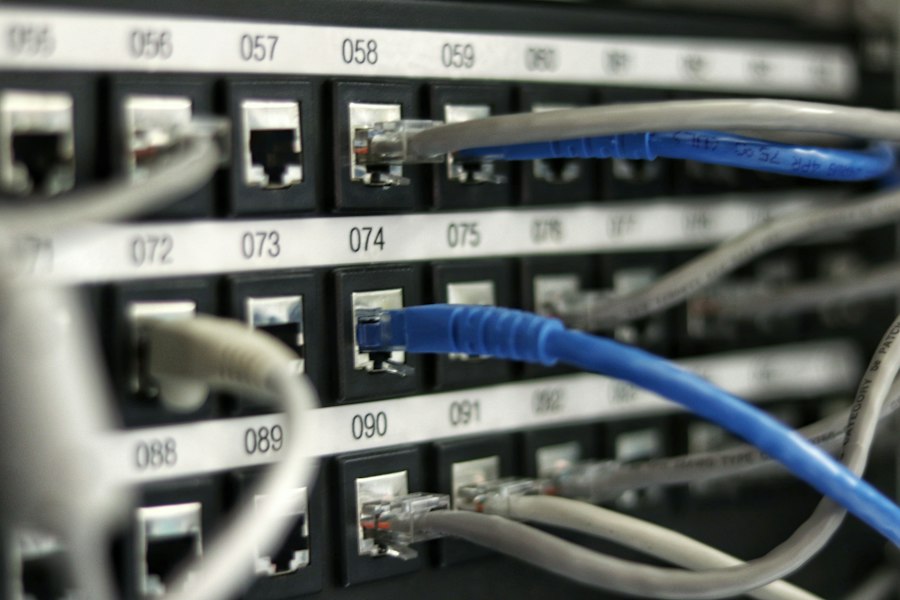
The cloud computing industry is dominated by a few giants: AWS, Microsoft Azure, and Google Cloud. These providers offer immense scalability and reliability, but they also come with vendor lock-in, potentially high costs, and centralized points of control. DePINs are looking to offer a decentralized alternative here too, leveraging distributed computing power and storage to create a more resilient, affordable, and censorship-resistant cloud.
Distributed Storage Networks
Instead of storing all your data on a server farm owned by a single company, imagine your files being encrypted and split into pieces, then stored across thousands of independent computers around the world.
This is the premise of distributed storage networks within the DePIN landscape. Individuals contribute their unused hard drive space to the network, earning tokens in return.
The benefits here are substantial: enhanced security through encryption and distribution, improved censorship resistance (it’s much harder to take down data spread across thousands of nodes), and often lower costs compared to traditional cloud storage. Data redundancy is typically built-in, ensuring that even if some nodes go offline, your data remains accessible.
This model fundamentally changes how data is owned, accessed, and secured.
Decentralized Compute Power
Just as individuals can share their storage space, they can also share their unused computing power. This could be anything from spare CPU cycles on a desktop computer to specialized GPUs used for intensive tasks like AI model training or video rendering. Decentralized compute networks aggregate this power, allowing developers and businesses to access on-demand computing resources without relying on centralized cloud providers.
This approach democratizes access to powerful computing resources, making them available to a wider range of users and projects.
It can also lead to more efficient resource utilization, as otherwise idle computing power is put to productive use. The economic incentives here are straightforward: providers earn tokens for contributing compute, and consumers pay for usage, often at a competitive rate.
Web3 and the Decentralized Cloud
The vision of Web3, a more decentralized internet, relies heavily on a decentralized cloud. DApps (decentralized applications) and blockchain networks need infrastructure for data storage, computation, and content delivery that aligns with their decentralized ethos.
Traditional cloud providers, being centralized, present a single point of failure and potential censorship risk for these applications.
DePINs offer a native Web3 solution for infrastructure. By providing decentralized storage, compute, and even content delivery networks (CDNs), they enable a truly end-to-end decentralized internet stack. This ensures that the underlying infrastructure supporting DApps is as robust and censorship-resistant as the DApps themselves, fulfilling a core promise of the Web3 movement.
The Challenges and Hurdles for DePINs
While the potential of DePINs is immense, it’s not a clear path to dominance. There are significant challenges that need to be addressed for these networks to achieve widespread adoption and truly disrupt established industries.
Technical Complexities and Scalability
Building and maintaining these decentralized networks is inherently complex. Ensuring consistent uptime, high performance, and reliable service across a geographically dispersed and independently owned infrastructure is a massive technical undertaking. Scalability is another huge hurdle; as more users and operators join, the underlying blockchain and coordination mechanisms must be able to handle the increased load without becoming slow or expensive.
Data routing, quality of service (QoS) guarantees, and efficient resource allocation are just some of the technical puzzles that need elegant solutions. Many DePIN projects are still in early stages of development, and proving their technical robustness at scale remains a key challenge.
Bootstrapping Network Effects
DePINs face a classic chicken-and-egg problem: without enough operators providing infrastructure, there won’t be enough users, and without enough users, there’s less incentive for operators to join. Bootstrapping these network effects requires significant initial investment, effective marketing, and a compelling value proposition for both sides of the marketplace.
The tokenomics of each project are critical here. The reward mechanisms must be attractive enough to draw in early operators, and the utility of the tokens must be clear enough to encourage user adoption and value accrual. Overcoming this initial inertia is one of the biggest hurdles for any new DePIN project.
Regulatory Uncertainty and Compliance
The decentralized nature of DePINs often puts them in a tricky spot regarding regulation. Who is responsible for compliance when infrastructure is owned by thousands of individuals? How do you regulate a global network that crosses numerous jurisdictions? These questions are largely unanswered.
Governments and existing regulatory bodies are still figuring out how to approach blockchain and cryptocurrency, let alone decentralized physical infrastructure. Issues like data privacy, security standards, consumer protection, and even licensing for telecommunication services can create significant legal and operational risks for DePIN projects. Navigating this evolving regulatory landscape will be crucial for long-term viability.
Competition from Established Players
Traditional telecom and cloud giants are not sitting idly by. They have vast resources, established customer bases, and deep technical expertise. While DePINs offer a different model, these incumbents can adapt, innovate, or even acquire promising decentralized projects if they perceive a threat.
Furthermore, traditional players often benefit from economies of scale that DePINs might struggle to match in their early stages. The marketing budgets, lobbying power, and existing trust with consumers of companies like AWS or Verizon are formidable advantages that DePINs must overcome through superior technology, lower costs, or a more compelling value proposition.
Decentralized Physical Infrastructure Networks (DePIN) are poised to disrupt traditional telecom and cloud computing models by leveraging community-driven resources and innovative technologies. This shift not only enhances connectivity but also empowers users to take control of their digital environments. For insights into how visionary leaders can influence the tech landscape, you might find it interesting to explore what we can learn from Instagram’s founders’ return to the social media scene, as it highlights the importance of adaptability and innovation in a rapidly changing industry.
The Future Landscape: Convergence and Innovation
| Metric | Description | Example Value | Impact on Telecom and Cloud Compute |
|---|---|---|---|
| Network Nodes | Number of decentralized physical nodes contributing infrastructure | 10,000+ | Increases network coverage and redundancy, reducing reliance on centralized providers |
| Bandwidth Capacity | Total data throughput available across the decentralized network | 100 Gbps+ | Enables high-speed data transfer comparable to traditional telecom networks |
| Compute Power | Aggregate decentralized compute resources (CPU/GPU cycles) | 500 TFLOPS | Supports distributed cloud compute workloads, reducing centralized data center dependency |
| Latency | Average network latency between nodes | 20 ms | Competitive latency improves user experience for real-time applications |
| Energy Efficiency | Energy consumption per unit of compute or bandwidth | 30% lower than centralized data centers | Reduces environmental impact and operational costs |
| Cost per GB | Cost to transmit or store one gigabyte of data | 0.01 | Lower costs disrupt traditional telecom and cloud pricing models |
| Security Model | Decentralized consensus and cryptographic security mechanisms | Proof-of-coverage, blockchain-based verification | Enhances trust and reduces single points of failure |
| Adoption Rate | Growth rate of users and infrastructure providers | 50% YoY | Rapid adoption accelerates disruption of incumbent telecom and cloud providers |
Despite the challenges, the trajectory for DePINs looks promising, driven by continued innovation and a growing desire for more open, resilient, and equitable infrastructure. We’re likely to see a period of intense development and, eventually, a convergence of these decentralized models with existing systems.
Hybrid Models and Partnerships
It’s unlikely that DePINs will completely replace traditional infrastructure overnight. A more probable scenario involves the emergence of hybrid models where DePINs complement or integrate with existing centralized services. For example, a telecom giant might partner with a DePIN project to expand coverage in a specific region more cost-effectively, or a cloud provider might offer decentralized storage as an additional, censorship-resistant tier.
These partnerships could provide DePINs with access to larger user bases and established infrastructure, while traditional players gain access to innovative technology and new revenue streams. This collaborative approach could accelerate adoption and bridge the gap between the old and new paradigms.
New Business Models and Services
The open and programmable nature of DePINs fosters an environment ripe for new business models and services that are difficult or impossible to implement in traditional, closed systems. Imagine micro-payments for highly granular usage of network resources, dynamic pricing based on real-time supply and demand, or even community-governed infrastructure projects where users have a direct say in network development.
Beyond basic connectivity and storage, DePINs could underpin a whole new generation of decentralized applications in areas like IoT data collection, environmental monitoring, edge computing for AI, and even new forms of entertainment delivery. The modular nature of these networks allows for creativity and experimentation previously limited by centralized control.
The Role of Decentralized Identity
For DePINs to truly flourish, especially in regulated environments, robust decentralized identity (DID) solutions will become increasingly important. Imagine a world where your devices and even you, as an operator or user, have verifiable digital identities that can interact with these decentralized networks without relying on a central authority.
DID could enable seamless authentication, reputation systems for operators (ensuring quality of service), and even compliance with KYC/AML regulations in a privacy-preserving manner. This foundational layer of decentralized identity will be crucial for building trust and ensuring accountability within these open networks. It would allow for a level of verification and security that is essential for mainstream adoption, especially when dealing with sensitive data or critical infrastructure.
FAQs
What are Decentralized Physical Infrastructure Networks (DePIN)?
Decentralized Physical Infrastructure Networks (DePIN) refer to a new paradigm in which physical infrastructure, such as telecom towers and cloud computing resources, are owned and operated by a decentralized network of participants rather than centralized entities. This model leverages blockchain technology to facilitate ownership, governance, and operational efficiency, enabling a more resilient and cost-effective infrastructure.
How do DePINs disrupt traditional telecom and cloud computing models?
DePINs disrupt traditional telecom and cloud computing models by removing the need for centralized control and ownership, which often leads to inefficiencies and high costs. By decentralizing infrastructure, DePINs allow for more competitive pricing, increased accessibility, and enhanced innovation, as multiple stakeholders can contribute to and benefit from the network.
What are the potential benefits of implementing DePINs?
The potential benefits of implementing DePINs include reduced operational costs, improved service reliability, enhanced security through distributed networks, and increased participation from local communities. Additionally, DePINs can foster innovation by allowing developers to create new applications and services that leverage the decentralized infrastructure.
What challenges do DePINs face in adoption?
DePINs face several challenges in adoption, including regulatory hurdles, the need for widespread technological infrastructure, and the potential resistance from established telecom and cloud service providers. Additionally, ensuring interoperability between different DePINs and maintaining user trust in decentralized systems are critical challenges that need to be addressed.
How can individuals participate in DePINs?
Individuals can participate in DePINs by becoming stakeholders in the network, which may involve investing in infrastructure, providing resources, or contributing to the governance of the network. Participation can also include using decentralized services and applications built on the DePIN framework, thereby supporting the ecosystem and benefiting from its offerings.
Enjoying our content? Make us a preferred source on Google:
Add us as a Preferred Source on Google