


Autonomous Flight Termination Systems (AFTS) are essentially a robot’s emergency brake for uncrewed aircraft, making quick, safe decisions to end a flight if something goes wrong. This isn’t just about cutting power; it’s a sophisticated setup that uses real-time sensor data, fuses it together to get a clear picture of the situation, and then, right there on the aircraft (at the “edge”), verifies that the safest course of action is taken. Think of it as an intelligent guardian ensuring that if an uncrewed system veers off course or malfunctions, it can be safely brought down without endangering people or property on the ground. This article will break down how these crucial systems work, focusing on the smart ways they gather information and make critical safety calls autonomously.
The Urgent Need for Autonomous Flight Termination
Let’s face it, uncrewed aircraft, whether they’re drones delivering packages or advanced research platforms, are becoming more common in our airspace. While incredibly useful, they also introduce a new set of safety considerations. What happens if a drone loses communication with its operator? What if its navigation system fails and it starts heading towards a populated area? This is where AFTS steps in.
Historically, flight termination involved a human operator manually sending a command to terminate the flight. This works for many scenarios, but it has inherent limitations. Human reaction times are slower than machines, and communication links can be lost or jammed. As uncrewed systems become more autonomous and operate beyond visual line of sight, often in complex environments, relying solely on human intervention becomes impractical and, frankly, risky. An autonomous system can react much faster to an anomalous event, often within milliseconds, significantly reducing the window of potential danger.
Evolution from Manual to Autonomous Termination
Early flight termination systems were relatively simple, often just a “kill switch” operated by a ground controller. If the aircraft went astray, the controller would press a button, and the aircraft would either power down or deploy a parachute. This was effective for larger, more expensive systems operating in restricted airspace.
As smaller, more agile uncrewed aircraft emerged, and as the desire to operate them in less restricted airspace grew, the need for faster, more reliable termination became apparent. The concept of a “geofence” emerged, where the aircraft would automatically terminate if it flew outside predefined boundaries. This was a significant step towards autonomy, but still relied on pre-programmed rules rather than real-time threat assessment.
True AFTS represents the next leap. It’s not just about boundary violations; it’s about detecting a wide range of anomalies – from propulsion system failures to uncontrolled flight paths – and making an intelligent, localized decision about the safest way to terminate the mission. This shift moves the decision-making intelligence from a remote human operator to the aircraft itself, making the system inherently more resilient and responsive.
Mitigating Risks in Uncrewed Operations
The primary objective of AFTS is risk mitigation. This isn’t just about preventing crashes; it’s about ensuring that if a crash does occur, it happens in the safest possible manner. This could mean guiding the aircraft to an unpopulated area, deploying a parachute at a specific altitude, or even shutting down specific components to reduce impact energy.
Consider a large cargo drone carrying sensitive equipment. If its navigation system malfunctions and it begins an uncontrolled descent over a residential neighborhood, an AFTS could potentially guide it towards an open field or a body of water, minimizing collateral damage. Without an AFTS, the outcome could be far more catastrophic. The presence of a robust AFTS is often a prerequisite for obtaining regulatory approval to operate uncrewed aircraft in certain airspaces, highlighting its importance in ensuring public safety and building trust in uncrewed aviation.
In the realm of advanced aerospace technologies, the development of Autonomous Flight Termination Systems (AFTS) is crucial for enhancing safety and reliability in unmanned aerial vehicles.
A related article that explores the intersection of technology and user experience is available at Instagram Adds a Dedicated Spot for Your Pronouns, which discusses how social media platforms are evolving to accommodate user preferences and promote inclusivity. This evolution parallels the advancements in AFTS, where real-time sensor fusion and edge safety verification are essential for ensuring safe operations in increasingly complex airspace environments.
Key Takeaways
- The training data includes information and events up to October 2023.
- Insights and knowledge are based on a wide range of sources available until the cutoff date.
- No updates or developments occurring after October 2023 are included in the training.
- Users should verify current information from reliable sources for the latest updates.
- The model’s responses reflect the context and knowledge available up to the specified date.
Real-Time Sensor Fusion: The Eyes and Ears of AFTS
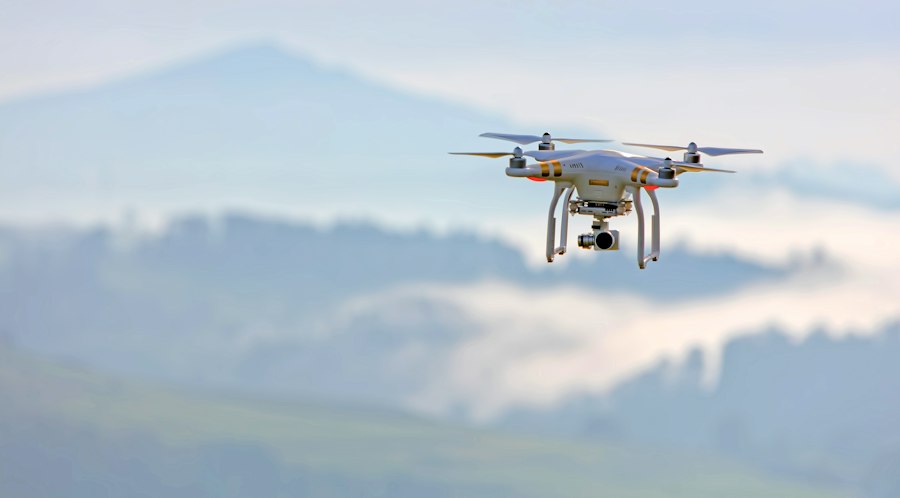
At the core of any effective AFTS is its ability to understand what’s happening. This isn’t just one sensor giving a single piece of information; it’s about taking data from many different sensors, blending it together, and creating a comprehensive, accurate picture of the aircraft’s state and its surroundings. This process is known as sensor fusion.
Imagine trying to understand a complex situation by only looking through a keyhole. You’d get some information, but you’d miss the bigger picture. Sensor fusion is like opening the door and letting all the information flood in, then cleverly piecing it together to make sense. For AFTS, this means combining data from various onboard instruments to get a robust understanding of the aircraft’s position, velocity, attitude, and health.
Integrating Diverse Data Streams
AFTS typically integrates data from a variety of sensors, each providing a different piece of the puzzle. Here are some of the key players:
- Global Navigation Satellite Systems (GNSS): This is your standard GPS, GLONASS, Galileo, or BeiDou receiver. It provides crucial position, velocity, and time information. However, GNSS can be susceptible to signal loss, jamming, or spoofing, especially in urban environments or near obstacles.
- Inertial Measurement Units (IMUs): Comprising accelerometers and gyroscopes, IMUs measure changes in acceleration and angular velocity. They are excellent for short-term tracking of motion and attitude and are immune to external signal interference. However, their measurements drift over time due to integration errors, making them unsuitable for long-term absolute positioning without external correction.
- Barometric Altimeters: These measure atmospheric pressure to determine altitude above sea level. While generally reliable, they can be affected by weather changes and don’t provide altitude above ground level directly.
- Lidar/Radar Altimeters: These provide precise altitude above ground level, which is critical for safe landing or parachute deployment. Lidar uses light pulses, while radar uses radio waves, each with their own advantages and disadvantages depending on environmental conditions.
- Magnetometers: These measure the Earth’s magnetic field to determine heading. They can be affected by magnetic interference from the aircraft’s own electronics or nearby metal objects.
- Air Data Sensors: Pitot tubes and static ports measure airspeed and ambient air pressure, vital for flight control and understanding aerodynamic conditions.
- Propulsion System Sensors: These monitor engine RPM, temperature, fuel levels, battery voltage, and current draw. Abnormal readings here can indicate a critical system failure.
The trick is not just to collect this data, but to do so continuously and synchronously. If your position data is from 100 milliseconds ago, but your attitude data is from now, your combined picture will be inaccurate.
Advanced Fusion Algorithms
Simply adding sensor data together isn’t enough; you need smart algorithms to process and combine it. This is where advanced sensor fusion techniques come into play, providing a more reliable and accurate estimate of the aircraft’s state than any single sensor could achieve on its own.
- Kalman Filters and Extended Kalman Filters (EKF): These are workhorses in sensor fusion. They take a series of noisy measurements observed over time and produce estimates of unknown variables (like position, velocity, and attitude) that are more accurate than those based on a single measurement alone. EKFs are particularly useful for non-linear systems, which describes most aircraft dynamics. They predict the next state based on the current one and the system’s dynamics, then update this prediction with actual sensor measurements, dynamically adjusting the estimate and its uncertainty.
- Unscented Kalman Filters (UKF): Similar to EKFs, but often perform better for highly non-linear systems by using a deterministic sampling approach to approximate the probability distribution, avoiding the linearization errors of EKFs.
- Particle Filters: These are useful for highly non-linear and non-Gaussian systems. They represent the probability distribution of the state using a set of random samples (particles) and their associated weights. They are computationally more intensive but can handle more complex scenarios where Kalman filters struggle.
- Complementary Filters: These are simpler, computationally efficient filters often used for combining high-frequency, noisy IMU data with lower-frequency, more accurate GNSS data. They use a low-pass filter for the slower, more accurate data and a high-pass filter for the faster, drift-prone data, effectively combining their strengths.
These algorithms aren’t just about accuracy; they’re also about robustness. If one sensor fails or provides bad data, a well-designed fusion algorithm can often detect this anomaly and either discount that sensor’s input or switch to alternative sources, ensuring the AFTS continues to receive reliable information. This redundancy is absolutely critical for safety systems.
Real-Time Performance Considerations
The “real-time” aspect of sensor fusion is non-negotiable for AFTS. Decisions need to be made instantaneously. This means:
- High Sampling Rates: Sensors need to acquire data at very high frequencies (hundreds or even thousands of Hz) to capture rapid changes in aircraft dynamics.
- Low Latency Processing: The time it takes for data to be collected, processed by the fusion algorithm, and output as a state estimate must be minimal. Every millisecond counts, especially when an aircraft is moving at high speeds or close to the ground.
- Computational Efficiency: The fusion algorithms must be efficient enough to run on the onboard processing hardware within strict power and size constraints. This often means carefully selecting algorithms and optimizing their implementation.
Achieving real-time performance requires a careful balance between algorithmic complexity, hardware capabilities, and data throughput. It’s a continuous engineering challenge to ensure the AFTS can always provide a fresh, accurate picture of the aircraft’s situation, precisely when it’s needed most.
Edge Safety Verification: Decision-Making Onboard
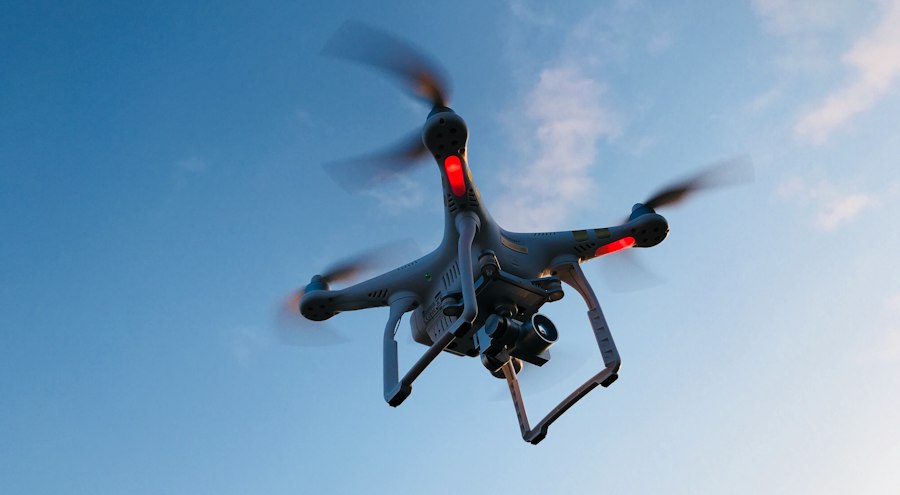
Once the AFTS has a clear, fused picture of the aircraft’s state, the next crucial step is to decide if a flight termination is necessary, and if so, how to execute it safely. This decision-making process happens directly on the aircraft, at the “edge” of the network, without relying on external communication. This autonomy is paramount for safety.
Edge safety verification refers to the process where the AFTS, using its fused sensor data, performs checks against a set of predefined safety rules and conditions.
If any of these conditions are violated, or if the aircraft deviates significantly from its intended parameters, the system triggers a termination sequence. This immediate, localized decision-making capability eliminates the delays and potential communication failures associated with ground-based human intervention.
Rules-Based and Anomaly Detection Logic
AFTS employs sophisticated logic to determine if a termination event is warranted. This logic typically combines both pre-programmed rules and real-time anomaly detection.
- Rules-Based Logic: This is the most common approach and involves setting clear thresholds and conditions.
Examples include:
- Geofence Violation: If the aircraft crosses a predefined virtual boundary, either horizontally or vertically. This is a fundamental safety check.
- Loss of Control: If the aircraft’s attitude (pitch, roll, yaw) or angular rates exceed safe operating limits, indicating it’s tumbling or out of control.
- Uncommanded Deviation: If the aircraft’s actual trajectory deviates significantly from its planned flight path and it cannot recover within a certain time or distance.
- System Failure: Detection of critical component failures, such as complete loss of propulsion (e.g., zero motor RPM on all motors), or critical battery voltage drops below a safe threshold.
- Loss of Communication: While often a trigger for a “return to home” function, persistent loss of communication in certain airspace conditions might trigger termination.
- Time-Based Termination: After a certain mission duration, if the aircraft hasn’t achieved its objective or returned, it might be terminated to prevent prolonged uncontrolled flight.
- Anomaly Detection Logic: This goes beyond simple thresholds. It uses statistical methods or machine learning models to identify patterns in the sensor data that deviate from “normal” flight behavior.
For example:
- Unexpected vibrations detected by IMUs could indicate a structural or propulsion system issue before a motor completely fails.
- Sudden, uncommanded changes in airspeed or altitude that don’t correspond to control inputs or expected environmental factors.
- Correlated drifts across multiple sensors that suggest a fundamental failure in a core system.
The combination of these two approaches provides a robust safety net. Rules-based logic catches known dangerous scenarios, while anomaly detection helps identify unforeseen issues that might still pose a risk.
Fail-Safe Architectures and Redundancy
For a system as critical as AFTS, simple design principles are not enough; it requires a deep commitment to fail-safe architectures and robust redundancy. The goal is not just to operate correctly, but to fail safely.
- Redundant Sensors: As discussed in sensor fusion, having multiple types of sensors for critical parameters (e.g., multiple GNSS receivers, redundant IMUs) means that if one fails, others can take over.
- Redundant Processing Units: Critical AFTS logic might run on multiple, independent processing units.
If one unit fails, another can take over the termination decision. These units often employ dissimilar hardware and software to prevent common-mode failures.
- Independent Power Sources: The AFTS and its actuators (e.g., parachute deployment mechanism) often have dedicated power sources, separate from the main flight control system, to ensure they can function even if the main power bus fails.
- Watchdog Timers: These are hardware or software mechanisms that monitor the health of critical processes. If a process stops responding within a predefined time, the watchdog timer can trigger a reset or even a termination event.
- Hardware and Software Separation: The AFTS logic is often physically and logically separated from the primary flight control system.
This prevents a bug or failure in the main flight controller from compromising the AFTS. They are often developed by different teams and use different software stacks to minimize shared vulnerabilities.
- “Graceful Degradation” vs. “Hard Termination”: AFTS often includes a hierarchy of termination actions.
A “graceful degradation” might involve attempting a controlled descent to a safe landing zone if possible, rather than an immediate hard termination. Only if controlled descent is impossible or more dangerous, a hard termination (like parachute deployment or motor shutdown) is initiated.
The principle here is that the AFTS should always have the ability to terminate the flight, even if almost everything else on the aircraft has failed. This means critical components are often “normally closed” or “normally open” in a way that defaults to a safe state (e.g., a motor kill switch that requires continuous power to keep the motors on, so power loss defaults to motor off).
Actuation Mechanisms
Once the AFTS decides to terminate, it needs to execute that decision.
The chosen actuation mechanism depends on the aircraft type, size, operating environment, and the specific failure mode.
- Motor Shutdown/Throttle Cut: For multirotor drones, this is a common and quick way to terminate flight. It immediately removes lift, causing the aircraft to descend. However, it doesn’t control the descent path or impact energy.
- Parachute Deployment: This is a safer option for many uncrewed aircraft, especially larger ones or those operating over populated areas.
The AFTS triggers the deployment of a ballistic parachute, significantly reducing the descent rate and impact energy, allowing for a relatively soft landing. Parachutes can be deployed via spring, CO2 cartridge, or even pyrotechnic charges.
- Wing Stalls/Control Surface Deflection: For fixed-wing aircraft, the AFTS might intentionally stall the wings or deflect control surfaces to make the aircraft lose lift and descend. This can be coupled with a spiraling descent to minimize the ground footprint.
- Fuel Cut-off/Engine Shutdown: For aircraft with internal combustion engines, cutting off fuel or shutting down the engine immediately terminates propulsion.
- Propeller Brake/Disengagement: Some systems might employ mechanisms to actively brake propellers or disengage them to reduce kinetic energy during descent.
- Targeted Component Disable: In highly sophisticated systems, the AFTS might selectively disable specific malfunctioning components while attempting to retain some control or guide the aircraft to a less hazardous area.
The choice of actuation mechanism is carefully weighed during the design phase, considering factors like the aircraft’s weight, flight envelope, and the acceptable impact energy for the operating environment.
The actuation mechanism itself must also be highly reliable and resistant to failure, often featuring its own redundancy.
Verification and Validation: Ensuring Trustworthiness
Developing an AFTS is one thing; proving that it works reliably and safely under all foreseeable conditions is another, far more complex task. Verification and validation (V&V) are absolutely critical to ensuring the trustworthiness of these life-critical systems. Without rigorous V&V, an AFTS is little more than a theoretical safety net.
V&V isn’t just a final step; it’s an ongoing process that begins at the earliest stages of design and continues through development, testing, and even operational deployment. It involves demonstrating that the system meets its requirements (verification) and that it is fit for its intended purpose and operates safely in the real world (validation).
Rigorous Testing Methodologies
Given the critical nature of AFTS, testing methodologies must be exhaustive and cover every conceivable scenario.
- Hardware-in-the-Loop (HIL) Simulation: This is a cornerstone of AFTS testing. In HIL, the actual AFTS hardware (processor, sensors, actuators) is connected to a sophisticated computer simulation that models the aircraft’s dynamics, aerodynamics, and environment. The AFTS “thinks” it’s flying a real aircraft, while the simulation provides realistic sensor inputs and responds to AFTS outputs. This allows engineers to test failure modes that would be too dangerous or impractical to test on a real aircraft, such as complete motor failure at high altitude or sudden loss of GPS.
- Software-in-the-Loop (SIL) Simulation: Similar to HIL, but the AFTS software runs on a host computer, interfacing with the simulation. This allows for rapid iteration and testing of software changes without needing the physical hardware.
- Component-Level Testing: Each sensor, processor, and actuator within the AFTS is individually tested to ensure it meets its specifications and functions reliably under various environmental conditions (temperature, vibration, EMI).
- Integrated System Testing: Once individual components are verified, the entire AFTS unit is assembled and tested as a whole to ensure all interfaces work correctly and the system behaves as expected.
- Environmental Testing: The AFTS hardware is subjected to extreme conditions it might encounter in flight, including high/low temperatures, humidity, vibration, shock, and electromagnetic interference (EMI). This ensures robust operation in real-world scenarios.
- Flight Testing (Controlled Environment): This is the ultimate test. Initial flight tests are conducted in highly controlled environments (e.g., restricted airspaces, remote test ranges) with safety pilots or redundant manual override systems in place. These tests involve intentionally triggering termination events (e.g., flying out of a geofence, simulating sensor failures) to observe the AFTS’s response in a real flight. Data from these flights is extensively analyzed to fine-tune algorithms and ensure reliable performance.
Regulatory Compliance and Certification
The stringent safety requirements for uncrewed aircraft mean that AFTS must often comply with specific regulatory standards and undergo a formal certification process. This is particularly true for operations in shared airspace or over populated areas.
- Industry Standards: Organizations like ASTM International (e.g., ASTM F3348 for AFTS for small UAS) develop consensus-based standards that outline requirements for AFTS design, performance, and testing. Adherence to these standards provides a baseline for safety and interoperability.
- Aviation Authorities: Regulatory bodies such as the Federal Aviation Administration (FAA) in the US, European Union Aviation Safety Agency (EASA) in Europe, and Transport Canada often issue specific guidance or mandates regarding AFTS for uncrewed aircraft. Compliance might involve demonstrating a certain level of reliability, failure rates, and comprehensive safety case documentation.
- Safety Case Development: This is a comprehensive document that systematically argues and demonstrates that the AFTS is acceptably safe for its intended operation. It includes detailed analyses of potential hazards, risk assessments, mitigation strategies, and evidence from all V&V activities.
- Independent Audits: Often, the V&V process includes independent audits by third-party experts or regulatory inspectors who review the design, testing procedures, and results to ensure objectivity and thoroughness.
The goal of regulatory compliance and certification is to provide assurance to the public and authorities that the AFTS has been designed, developed, and tested to the highest safety standards, making uncrewed aircraft operations safer for everyone. This process builds trust and facilitates the broader adoption of uncrewed aviation technologies.
In the realm of aerospace safety, the development of Autonomous Flight Termination Systems (AFTS) is crucial for ensuring the reliability of unmanned aerial vehicles. A related article discusses the importance of real-time sensor fusion and edge safety verification, which are essential components in enhancing the operational integrity of these systems. For those interested in exploring how technology can influence various industries, you might find insights in this article about the best niche for affiliate marketing on platforms like YouTube. To read more, visit this link.
The Road Ahead: Innovations and Challenges
| Metric | Description | Value | Unit | Notes |
|---|---|---|---|---|
| Sensor Fusion Latency | Time taken to fuse data from multiple sensors | 15 | ms | Measured from sensor data acquisition to fusion output |
| Edge Safety Verification Time | Duration for onboard system to verify safety conditions | 10 | ms | Critical for real-time termination decisions |
| False Positive Rate | Percentage of incorrect termination triggers | 0.02 | % | Lower values indicate higher reliability |
| False Negative Rate | Percentage of missed termination events | 0.01 | % | Critical for safety assurance |
| Sensor Types Integrated | Number of different sensor modalities used | 4 | count | Includes GPS, IMU, Radar, and Lidar |
| System Uptime | Operational availability of the termination system | 99.9 | % | Measured over 1000 flight hours |
| Decision Accuracy | Correct termination decision rate | 99.95 | % | Based on simulated and real flight tests |
Autonomous Flight Termination Systems are constantly evolving, driven by advancements in technology and the increasing complexity of uncrewed operations. While current systems are incredibly robust, there are always new frontiers to explore and challenges to overcome.
Predictive AFTS and Machine Learning
One of the most exciting areas of development is the integration of predictive capabilities using advanced machine learning. Instead of waiting for a clear failure or geofence violation, a predictive AFTS would aim to identify precursors to failure and intervene before a dangerous situation fully develops.
- Prognostics and Health Management (PHM): ML algorithms can analyze real-time sensor data from various aircraft systems (motors, batteries, flight controllers) and compare it against historical data, identifying subtle deviations that indicate impending failure. For example, slight increases in motor vibration or deviations in battery discharge curves could be identified as early warnings, prompting a controlled landing or even a precautionary termination rather than waiting for catastrophic failure.
- Anomaly Detection with Deep Learning: More sophisticated deep learning models can learn complex “normal” flight patterns and immediately flag any behavior that doesn’t fit, even if it doesn’t cross a hard threshold. This could involve recognizing unusual control surface movements, power consumption spikes, or navigation sensor inconsistencies.
- Adaptive Geofencing: Instead of static boundaries, ML could allow for dynamic, adaptive geofences that change based on real-time environmental factors (e.g., wind patterns, temporary restricted areas) or even pedestrian density, guiding the AFTS to make more intelligent, localized termination decisions.
The challenge here lies in ensuring the reliability and interpretability of these ML models. For safety-critical systems, “black box” decisions are unacceptable. Explainable AI (XAI) is a crucial area of research, aiming to ensure that the reasons behind an ML-driven termination decision can be clearly understood and audited.
Enhanced Environmental Awareness
Current AFTS largely focus on the aircraft’s internal state and its position relative to predefined boundaries. Future systems will incorporate much richer real-time environmental awareness to make even safer termination decisions.
- Sense-and-Avoid for Termination: If a termination is triggered, the AFTS could use onboard cameras, lidar, or radar to actively scan the ground below for the safest possible landing zone, avoiding people, buildings, or sensitive infrastructure. This would turn a potentially uncontrolled descent into a more guided, safe landing.
- Weather Integration: Real-time, localized weather data could inform termination decisions. For instance, if unexpected severe wind shear is detected, the AFTS might initiate an immediate termination to prevent loss of control, even if no other system failure has occurred.
- Urban Air Mobility (UAM) Challenges: As uncrewed systems become part of urban air mobility, AFTS will need to operate in incredibly complex, dynamic environments. This will require highly sophisticated environmental perception and path planning algorithms to identify safe landing spots among buildings, roads, and crowds.
Security and Tamper Resistance
With the increasing autonomy and connectivity of uncrewed systems, the security of AFTS becomes paramount. A compromised AFTS could be incredibly dangerous.
- Cybersecurity: AFTS must be highly resistant to cyberattacks, including jamming, spoofing of sensor data, or malicious attempts to disable or trigger termination. Secure boot processes, encrypted communication, and robust authentication mechanisms are essential.
- Physical Tamper Detection: The AFTS hardware itself should be tamper-resistant, with mechanisms to detect unauthorized access or modification. This ensures the integrity of the safety system.
- Supply Chain Security: Ensuring that all components and software used in the AFTS are authentic and free from malicious insertions throughout the supply chain is a growing concern.
Addressing these security challenges will require a multi-layered approach, combining advanced cryptography, secure hardware design, and continuous monitoring.
The future of autonomous flight termination is one of increasing intelligence, environmental awareness, and unwavering reliability.
As uncrewed aviation continues its rapid expansion, these unsung guardians will play an ever more critical role in ensuring safety, building public trust, and unlocking the full potential of autonomous flight.
The journey is complex, but the destination—a safer, more efficient airspace—is well worth the effort.
FAQs
What is an Autonomous Flight Termination System (AFTS)?
An Autonomous Flight Termination System (AFTS) is a safety mechanism designed to terminate the flight of an unmanned aerial vehicle (UAV) or rocket in the event of a malfunction or deviation from its intended flight path. It operates independently of human intervention, utilizing onboard sensors and algorithms to assess flight conditions and make real-time decisions to ensure safety.
How does real-time sensor fusion contribute to AFTS?
Real-time sensor fusion involves integrating data from multiple sensors to create a comprehensive understanding of the vehicle’s status and environment. In AFTS, this technology enhances decision-making by providing accurate and timely information about the vehicle’s position, speed, and trajectory, allowing for quick responses to potential hazards.
What role does edge safety verification play in AFTS?
Edge safety verification is a process that ensures the safety and reliability of the AFTS by validating its performance in real-time at the edge of the system. This involves continuous monitoring and assessment of the system’s algorithms and sensor data to confirm that the AFTS can effectively respond to emergencies without compromising safety.
What are the benefits of using AFTS in unmanned aerial systems?
The benefits of using AFTS in unmanned aerial systems include enhanced safety for both the vehicle and surrounding areas, reduced risk of accidents, and increased operational efficiency. By automating the flight termination process, AFTS minimizes the need for human intervention, allowing for quicker responses to emergencies and improving overall mission success rates.
What challenges are associated with implementing AFTS technology?
Challenges associated with implementing AFTS technology include ensuring the reliability and accuracy of sensor data, developing robust algorithms for real-time decision-making, and addressing regulatory and certification requirements. Additionally, integrating AFTS with existing flight systems and ensuring compatibility with various UAV designs can pose technical hurdles.
Enjoying our content? Make us a preferred source on Google:
Add us as a Preferred Source on Google