

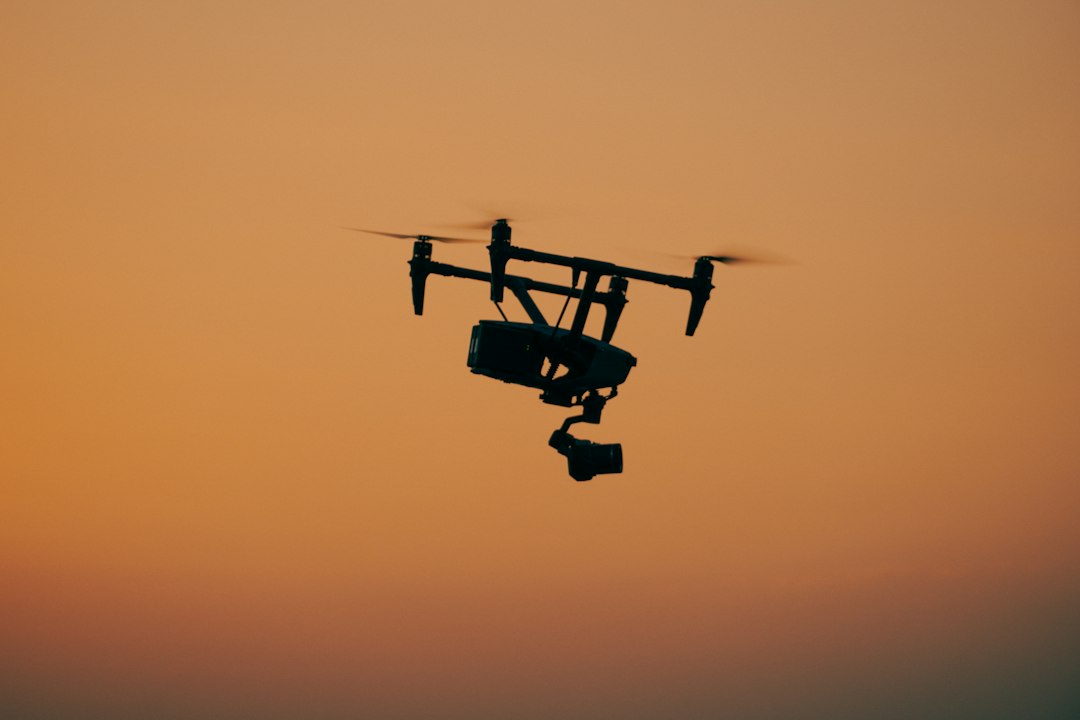
Yes, autonomous drone-in-a-box solutions are indeed a viable and increasingly effective technology for continuous perimeter security monitoring. They offer a significant leap forward from traditional static camera systems or periodic human patrols by providing dynamic, on-demand aerial surveillance capabilities, often with minimal human intervention. This technology combines advanced robotics, artificial intelligence, and robust networking to create a self-contained security system that can detect, track, and deter potential threats around a defined perimeter.
What’s a Drone-in-a-Box System, Really?
Alright, let’s break down what we’re talking about here. Imagine a compact, weather-resistant enclosure – that’s the “box.” Inside this box lives a sophisticated drone, usually a quadcopter or hexacopter, along with all the gear it needs to operate autonomously. This isn’t just a fancy charger; it’s a fully integrated system. The box itself is a landing pad, a charging station, a data offload point, and often, a communications hub.
When we say “autonomous,” we mean the drone can launch itself, fly pre-programmed missions or respond to triggers, capture data, and then return to its box to land and recharge, all without a human pilot guiding its every move. The human element usually comes in at the monitoring station, reviewing alerts and making decisions based on the data the drone collects.
Think of it as a robotic sentinel that can be deployed precisely when and where it’s needed, providing eyes in the sky that never get tired or distracted.
The Core Components You’ll Find
At its heart, a drone-in-a-box system is a symphony of integrated technologies.
The Drone Itself
This isn’t your hobby store drone. These are purpose-built machines, often ruggedized for outdoor use, capable of flying in various weather conditions (within limits, of course). They typically feature:
- Advanced Navigation: GPS, RTK (Real-Time Kinematic) or PPK (Post-Processed Kinematic) for pinpoint accuracy in flight and landing, crucial for returning to the box reliably.
- Obstacle Avoidance: Lidar, radar, or vision-based sensors to prevent collisions with trees, power lines, or unexpected obstacles during flight.
- Payload Capacity: Enough to carry a range of sensors without compromising flight time.
The “Box” or Hangar
More than just a shelter, this enclosure is the nerve center for the drone’s operations on the ground.
- Automated Docking and Charging: The drone lands precisely, connects to charging pads, and refuels its batteries. Some systems can even swap out battery packs for continuous operation.
- Environmental Control: Temperature regulation, dust protection, and sometimes even de-icing systems ensure the drone and its sensitive electronics are protected from the elements.
- Data Transfer: High-speed data links (Wi-Fi, Ethernet, cellular) to offload recorded footage and telemetry data for analysis and storage.
- Communication Hub: Often includes antennas for drone control, data transmission, and communication with the central monitoring station.
Sensor Payloads for Vigilance
This is where the magic really happens, dictating what the drone can “see” and detect.
- High-Resolution Cameras: Electro-optical (EO) cameras for daytime surveillance, offering detailed visual information.
- Thermal Imaging Cameras: Infrared (IR) cameras are indispensable for nighttime operations, detecting heat signatures regardless of ambient light. They’re excellent for spotting intruders in complete darkness or through light foliage.
- Low-Light Cameras: Specialized cameras that excel in twilight or very dim conditions where standard EO cameras might struggle, but full darkness doesn’t require thermal.
- Lidar/Radar: Can be used for mapping, detecting changes in terrain, or even for more advanced object detection and tracking.
- Spotlights/Speakers: Some systems include these for deterrence – shining a bright light on an anomaly or broadcasting a warning message.
Software for Intelligence and Control
The brains of the operation, tying everything together.
- Flight Management System: For planning routes, scheduling patrols, and executing autonomous flights.
- AI-Powered Analytics: This is a big one. The software can automatically analyze sensor data to detect anomalies – a person moving where they shouldn’t be, a vehicle entering a restricted zone, or even unusual thermal signatures. It distinguishes threats from false alarms.
- User Interface (UI): A dashboard for security personnel to monitor drone status, review alerts, view live feeds, and take manual control if necessary.
- Integration Capabilities: The ability to link up with existing security systems like access control, CCTV, and alarm systems, providing a holistic security picture.
In the evolving landscape of security technology, autonomous drone-in-a-box solutions are gaining traction for their ability to provide continuous perimeter monitoring. A related article that explores innovative technological advancements is available at New World of Possibilities with the Samsung Galaxy Chromebook 4, which discusses how cutting-edge devices can enhance operational efficiency and effectiveness in various applications, including security.
This intersection of drone technology and advanced computing devices highlights the potential for improved surveillance and response capabilities in safeguarding critical infrastructures.
Key Takeaways
- The training data includes information and events up to October 2023.
- Insights and knowledge are based on a wide range of sources available until the cutoff date.
- No updates or developments occurring after October 2023 are included in the training.
- Users should verify current information from reliable sources for the latest updates.
- The model’s responses reflect the context and knowledge available up to the specified date.
The Clear Advantages for Perimeter Security
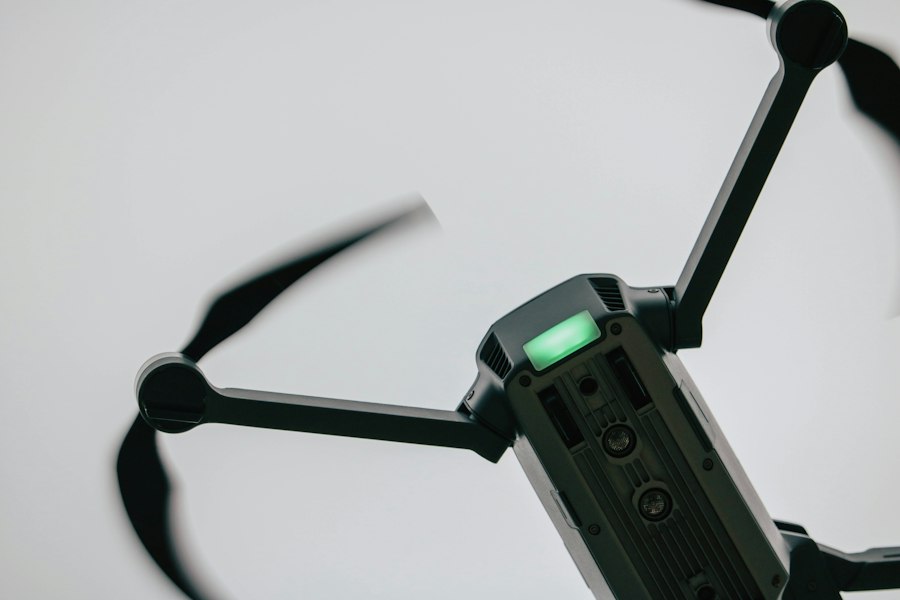
Why should anyone bother with this tech when we have fences and cameras? Well, autonomous drone-in-a-box systems bring some pretty compelling benefits to the table, especially when you’re talking about large or complex perimeters.
Dynamic and Flexible Surveillance
Unlike a fixed camera that always looks at the same spot, a drone offers unparalleled flexibility.
- On-Demand Deployment: If an alarm triggers in a specific sector, a drone can be launched immediately to investigate, providing real-time aerial footage of the incident area. This means eyes on the ground and eyes in the sky focusing on the threat.
- Variable Patrol Routes: Patrol routes can be easily adjusted based on time of day, current threat levels, or specific events. You’re not stuck with a static line of sight.
- Rapid Response to Alerts: When a ground sensor or another security system flags an anomaly, the drone can be dispatched in minutes, often reaching the scene faster than a human patrol, especially over challenging terrain.
Enhanced Detection and Identification
The aerial perspective significantly improves situational awareness.
- Overcoming Obstructions: Drones can see over walls, fences, dense vegetation, and even buildings that would block the view of ground-based cameras. This eliminates many blind spots.
- Thermal Imaging for All Conditions: As mentioned, thermal cameras see heat, not light. This makes them incredibly effective for detecting intruders at night, in fog, or even camouflaged individuals who might blend into the background for a standard camera.
- Multi-Sensor Data Fusion: Combining visual, thermal, and sometimes other sensor data (like lidar for 3D mapping) provides a more robust understanding of a situation, reducing false positives and improving accurate threat identification.
- Following Suspects: If an intruder is detected, the drone can autonomously track their movement across the perimeter, providing continuous intelligence to ground teams.
Cost-Effectiveness and Operational Efficiency
While the initial investment can be significant, the long-term operational savings are considerable.
- Reduced Reliance on Human Patrols: Drones can augment or even replace a portion of human patrol duties, especially for routine surveillance, freeing up personnel for higher-value tasks or direct intervention. This can significantly lower labor costs over time.
- Lower Infrastructure Costs: For vast perimeters, stringing miles of cable for CCTV cameras and maintaining them can be incredibly expensive. A few strategically placed drone-in-a-box systems can cover an equivalent area with fewer ground-based installations.
- Automated Data Collection and Reporting: The system automatically logs flight data, incidents, and video footage, streamlining reporting and compliance.
- Scalability: You can start with a few units and expand coverage as needed, integrating more drone boxes into the network.
In the realm of advanced security technologies, the implementation of Autonomous Drone-in-a-Box Solutions for Continuous Perimeter Security Monitoring is gaining traction. These innovative systems offer a seamless way to enhance surveillance capabilities, ensuring that properties remain secure around the clock. For those interested in exploring how technology can improve safety in various aspects of life, a related article discusses important considerations when selecting the right device for children, which can be found here. This connection highlights the broader impact of technology on our daily lives, from personal safety to security monitoring.
Deterrence and Evidence Collection
The visible presence of drones can be a powerful deterrent.
- Visible Deterrent: A drone flying overhead is a clear signal that the area is being monitored, potentially discouraging would-be intruders. Some drones can even have flashing lights or audible warnings.
- High-Quality Evidence: The cameras on these drones capture high-resolution video and images, providing crucial evidence for investigations and legal proceedings if an incident occurs. This evidence is often from a unique aerial perspective, offering context that ground cameras might miss.
The Practicalities: Deployment and Integration Considerations
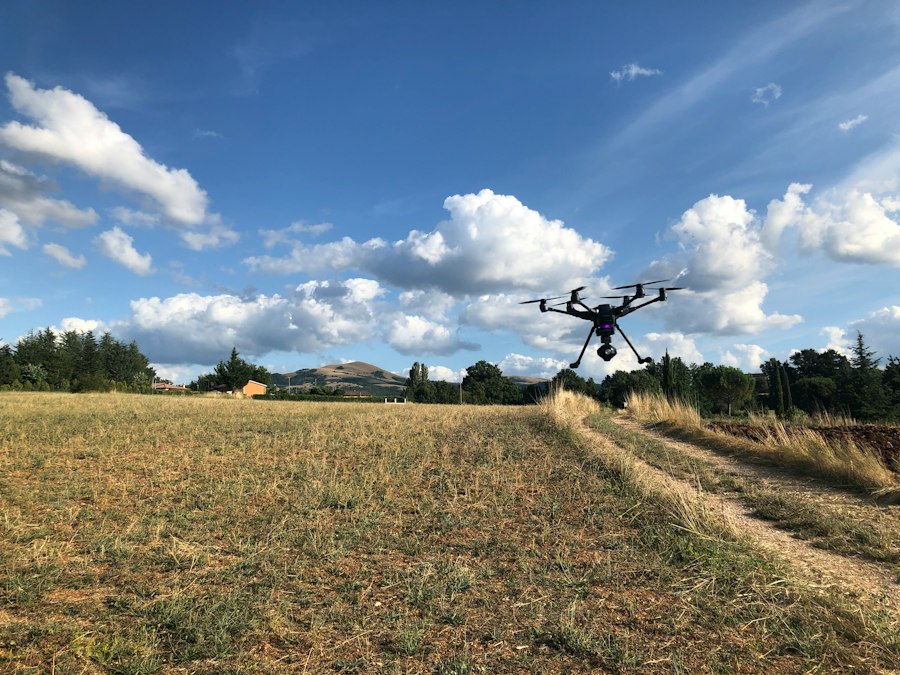
So, you’re convinced it’s good tech. Now, how do you actually make it work in the real world? There are several crucial aspects to consider before deploying an autonomous drone-in-a-box system.
Site Assessment and Planning
This isn’t a one-size-fits-all solution; careful planning is paramount.
Defining the Perimeter and Coverage Area
- Mapping: Precisely map the area to be monitored, identifying critical assets, potential entry points, and existing security infrastructure.
- Drone Placement: Determine optimal locations for the drone-in-a-box stations, considering line of sight, range, power access, and security of the box itself. You need to ensure the drone can reach all critical areas within its flight endurance.
- Flight Routes: Design efficient flight paths that maximize coverage while minimizing flight time and battery consumption.
Consider creating multiple routes for different scenarios (e.g., routine patrol, alarm response).
Environmental and Regulatory Challenges
- Weather Conditions: Evaluate typical weather patterns – strong winds, heavy rain, snow, or extreme temperatures can impact drone operations. While robust, drones have limits.
- Airspace Regulations: This is critical. Understand local aviation authorities’ rules regarding drone operations, especially autonomous flights, beyond visual line of sight (BVLOS), and operations near airports or restricted airspace.
Obtaining necessary permits and waivers is often a complex, but essential, step.
- Obstacles and Topography: Identify tall structures, power lines, dense foliage, or significant changes in elevation that could affect flight safety or sensor effectiveness.
Integration with Existing Security Infrastructure
A drone system is most effective when it’s part of a larger security ecosystem.
Command and Control Integration
- Centralized Monitoring: The drone’s control software should ideally integrate with a central security operations center (SOC) platform, allowing operators to view live feeds, receive alerts, and control drone missions from a single interface.
- Alarm System Linkage: The ability to automatically dispatch a drone in response to an alarm triggered by a ground sensor (e.g., motion detector, fence sensor, gate alarm) is a key advantage. This creates a powerful, layered response.
- Video Management Systems (VMS): Seamlessly feed drone video into existing VMS platforms for recording, playback, and incident review alongside footage from static cameras.
Data Management and Analysis
- Secure Data Storage: Establish secure protocols for storing the vast amount of video and telemetry data collected by the drones.
- AI Analytics at the Edge: Some systems perform initial AI analysis on the drone itself or within the box, reducing the amount of raw data that needs to be transmitted, thus saving bandwidth and speeding up threat detection.
- Post-Incident Analysis: The ability to quickly retrieve and analyze drone footage is crucial for understanding security incidents and improving future responses.
Training and Maintenance Protocols
Even autonomous systems require human oversight and care.
Operator Training
- System Operation: Security personnel need comprehensive training on operating the drone control software, understanding flight parameters, interpreting sensor data, and responding to alerts.
- Manual Override: While autonomous, operators should be trained on how to take manual control in emergencies or for specific investigations.
- Emergency Procedures: Clear protocols for dealing with drone malfunctions, unexpected landings, or communication loss.
Regular Maintenance
- Scheduled Checks: Routine inspections of the drone (propellers, motors, sensors) and the box (charging contacts, environmental controls) are essential to ensure reliable operation.
- Software Updates: Keeping the drone’s firmware and control software up to date ensures optimal performance, security, and access to new features.
- Battery Management: Batteries have a limited lifespan and require careful management and eventual replacement to maintain flight endurance.
Overcoming Challenges and Looking Ahead
While the benefits are clear, there are hurdles to overcome, both current and future. Addressing these challenges will be key to the widespread adoption and continuous improvement of autonomous drone-in-a-box solutions.
Current Obstacles and Mitigation Strategies
No technology is without its limitations, and drones are no exception.
Regulatory Landscape
- BVLOS Restrictions: Operating drones Beyond Visual Line of Sight (BVLOS) is often heavily restricted by aviation authorities globally. For continuous perimeter security over large areas, BVLOS is almost a necessity. Mitigating this involves working closely with regulatory bodies, proving the safety and reliability of the systems, and participating in pilot programs for BVLOS waivers.
- Privacy Concerns: The use of drones for surveillance naturally raises privacy questions, especially when operating near public spaces or residential areas. Mitigation requires clear policies on data collection, storage, and access, ensuring compliance with privacy laws (e.g., GDPR), and using anonymization techniques where appropriate.
Technical Limitations
- Battery Life and Endurance: Current battery technology limits continuous flight time. While drone-in-a-box systems mitigate this with automated charging, truly continuous, 24/7 coverage of vast areas might require multiple drones or strategic placement of several boxes. Advances in battery tech or alternative power sources (e.g., hydrogen fuel cells) are areas of active development.
- Adverse Weather Performance: While ruggedized, drones still have limits. High winds, heavy precipitation, and extreme temperatures can ground them. Redundancy with ground-based systems or having “weather-proof” patrol alternatives is crucial.
- Cybersecurity Risks: As connected systems, drone-in-a-box solutions are susceptible to cyberattacks (e.g., hacking, spoofing, jamming). Robust encryption, secure communication protocols, and regular security audits are essential to protect the system from compromise.
Cost of Entry
- Initial Investment: The upfront cost for high-end autonomous drone-in-a-box systems can be substantial, making them inaccessible for smaller organizations. As the technology matures and production scales, prices are expected to decrease, and “Drone-as-a-Service” (DaaS) models might become more prevalent.
Future Innovations on the Horizon
The pace of technological development in this field is rapid, promising even more sophisticated capabilities.
Enhanced AI and Machine Learning
- Predictive Analytics: Beyond reactive responses, future AI could analyze patterns to predict potential threats before they materialize, allowing for proactive deterrence or intervention.
- Advanced Anomaly Detection: More sophisticated algorithms will be able to distinguish subtle anomalies from normal activity with greater accuracy, further reducing false positives.
- Swarm Intelligence: Multiple drones coordinating autonomously to cover larger areas, share data, and optimize patrol patterns, acting as a unified intelligent network.
Improved Sensor Technology
- Hyperspectral Imaging: Beyond visible and thermal, new sensors could detect specific chemical signatures or materials, adding another layer of intelligence.
- Miniaturization: Smaller, lighter, and more powerful sensors will allow for longer flight times and more diverse payloads.
- Integrated Communications: Enhanced cellular (5G/6G) and satellite communication capabilities will improve connectivity and data transfer rates, especially in remote areas.
Energy and Endurance Breakthroughs
- Longer-Lasting Batteries: Continued improvements in battery chemistry and density will directly translate to longer flight times.
- Alternative Power Sources: Exploration of hydrogen fuel cells, solar-powered drones, or even tethered drone systems that draw power from the ground could lead to virtually unlimited endurance for specific applications.
- Faster Charging/Swapping: Rapid battery charging or fully automated battery swap systems will minimize downtime.
Regulatory Evolution
- Standardization: As drone technology matures, regulations are expected to evolve to accommodate more complex autonomous operations, including BVLOS, with standardized safety protocols.
- International Cooperation: Harmonization of drone regulations across different countries could simplify global deployment and operation of these systems.
In conclusion, autonomous drone-in-a-box solutions represent a significant leap forward in continuous perimeter security monitoring. While challenges related to regulation, technology, and cost exist, the ongoing innovation and practical benefits make them a powerful and increasingly indispensable tool for protecting critical infrastructure, large facilities, and expansive properties. They are not just cameras that fly, but intelligent, self-sufficient sentinels that are transforming how we approach physical security.
FAQs
What are Autonomous Drone-in-a-Box Solutions?
Autonomous Drone-in-a-Box Solutions are integrated systems that combine drones with a docking station, allowing for automated deployment, charging, and data collection. These systems are designed for continuous monitoring of perimeters, providing real-time surveillance and security without the need for human intervention.
How do these solutions enhance perimeter security?
These solutions enhance perimeter security by providing constant aerial surveillance, which can detect intrusions or anomalies in real-time. The drones can cover large areas quickly and efficiently, offering a comprehensive view that ground-based security measures may miss. Additionally, they can be programmed to follow specific flight paths and respond to alerts autonomously.
What types of sensors are typically used in these drones?
Autonomous drones used in security applications typically incorporate a variety of sensors, including high-definition cameras, thermal imaging sensors, and LiDAR systems. These sensors enable the drones to capture detailed visual data and detect heat signatures, making them effective for identifying potential threats in various environmental conditions.
Are Drone-in-a-Box Solutions suitable for all environments?
While Drone-in-a-Box Solutions are versatile, their effectiveness can vary based on environmental factors. They are generally suitable for open areas, industrial sites, and large facilities. However, dense urban environments or areas with significant obstacles may pose challenges for drone navigation and signal transmission.
What are the regulatory considerations for using drones in security monitoring?
Using drones for security monitoring involves adhering to various regulatory requirements, which can include obtaining necessary permits, following airspace regulations, and ensuring compliance with privacy laws. Operators must be aware of local laws regarding drone usage, especially concerning surveillance and data collection practices.
Enjoying our content? Make us a preferred source on Google:
Add us as a Preferred Source on Google