

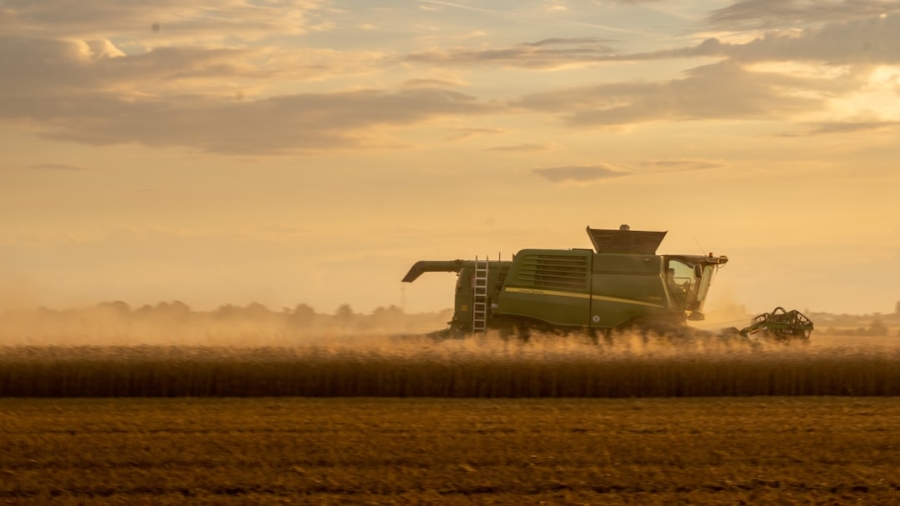
So, you’re wondering if precision agriculture can actually cut down on how much water farms use? The short answer is a resounding yes. It’s not about magic, but smart technology and a whole lot of data. Precision agriculture basically means using the right tools to do the right thing, at the right time, for the right part of your field. And when it comes to water, that’s incredibly important because it’s a finite resource, and sometimes we’re just watering empty space or overwatering what’s already soggy.
Understanding Your Field: The Foundation of Water Savings
Before you can get fancy with tech, you need to know your field like the back of your hand. Precision agriculture starts with understanding the unique characteristics of different areas within a single farm. What’s good for one spot might be a disaster for another, especially when it comes to moisture.
Soil Mapping and Analysis
This is where we get down to the nitty-gritty. Different parts of your field will have different soil types – some hold water better than others, some drain faster, and some might even have different nutrient profiles.
Using tools like soil probes or even high-tech sensors, you can create detailed maps of your soil. These maps show you where you have heavier clay soils that can hold onto moisture for longer, and where you have sandy soils that drain quickly and need more frequent watering. This isn’t about guessing; it’s about getting actual data on what’s happening beneath the surface.
Variable Rate Seeding and Fertilization
While the focus is water, understanding how much seed or fertilizer each part of the field needs can indirectly impact water usage.
- Seeding Density: If a certain area of your field consistently struggles with germination or plant health, you might be planting too densely there, leading to plants competing aggressively for limited water. Adjusting seeding rates based on soil conditions means you’re not wasting seed or water on areas that can’t support the expected plant population.
- Fertilizer Application: Nutrient deficiencies can stress plants, making them more susceptible to drought. By applying the right amount of fertilizer only where it’s needed, you can improve plant health and their ability to utilize available water more efficiently.
In exploring innovative solutions for sustainable farming, an insightful article on the best niches for affiliate marketing can provide valuable context on how precision agriculture technology is transforming the industry. By leveraging advanced tools and strategies, farmers can significantly reduce water usage while enhancing crop yields. For more information on effective marketing strategies that can support these technological advancements, you can read the article here: The Best Niches for Affiliate Marketing in Facebook.
Smart Irrigation Systems: Applying Water Where It Counts
This is where precision agriculture really shines when it comes to water. Instead of a one-size-fits-all approach to irrigation, we’re talking about tailoring water delivery to the specific needs of each section of your field, or even individual plants.
Soil Moisture Sensors
These are your eyes and ears in the soil. Soil moisture sensors are placed throughout your fields and provide real-time data on how wet the soil is at different depths.
- How they work: They can use different technologies, but the core idea is to measure the electrical conductivity or dielectric constant of the soil, which changes depending on the amount of water present.
- The benefit: Instead of irrigating on a fixed schedule (e.g., every three days for two hours), you irrigate only when the sensors indicate that the soil is drying out to a critical level for your crop. This prevents overwatering and ensures the plants get water exactly when they need it.
Weather Stations and Evapotranspiration (ET) Data
Understanding the weather is just as crucial as understanding your soil.
- On-farm weather stations: These collect local data on temperature, humidity, wind speed, and rainfall. This information is vital for calculating evapotranspiration (ET).
- Evapotranspiration (ET): This is the combined process of water evaporating from the soil surface and water transpired by plants. It’s essentially how much water your crop is losing to the atmosphere.
- ET-based irrigation scheduling: By using ET data, irrigation systems can be programmed to replace the exact amount of water lost by the crop. This is incredibly precise and ensures you’re not applying excess water that will just run off or sit unused.
Variable Rate Irrigation (VRI) Systems
This is the advanced stage, where you can actually control how much water is applied to different zones within a field, or even individual sprinklers.
- How it works: VRI systems integrate with GPS technology and often use prescription maps generated from soil maps, yield data, and ET data. The system then adjusts the water application rate of pivots, linear moves, or even drip lines on the fly.
- The savings: If one section of your field typically requires less water than another, the VRI system will deliver less water to that specific zone. This direct control significantly reduces water waste.
Drones and Remote Sensing: Getting a Bird’s-Eye View of Water Stress
While ground-based sensors are great for direct soil moisture, you can also get valuable water-related information from above. Drones and satellite imagery offer a broader perspective on how crops are using water and whether they’re experiencing stress.
Thermal Imaging
Plants losing water through transpiration create a cooling effect. During periods of water stress, this cooling is reduced.
- Thermal cameras: These cameras on drones or satellites can detect subtle differences in crop canopy temperature.
- Identifying stress: Areas showing higher canopy temperatures might indicate that plants are not transpiring effectively due to water scarcity, signaling an urgent need for irrigation in those specific areas. This allows for targeted application before widespread wilting occurs.
Multispectral and Hyperspectral Imaging
These sensors capture light in different bands of the electromagnetic spectrum, beyond what the human eye can see. Certain spectral signatures are known to correlate with plant health and water content.
- NDVI (Normalized Difference Vegetation Index): While often used for general plant health, NDVI can also be an indicator of water stress. Healthy, well-watered plants tend to have higher NDVI values.
- Water-specific indices: Researchers are developing more advanced indices that directly measure water content or stress in plant leaves.
- Early detection: These technologies can often detect water stress before it’s visible to the naked eye, allowing for proactive irrigation adjustments.
Data Integration and Analysis: Making Sense of It All
Having all this data is fantastic, but it’s useless if you can’t interpret it and put it into action. This is where the “precision” in precision agriculture truly comes into play – integrating and analyzing data to make informed decisions.
Farm Management Software (FMS)
These platforms are designed to bring all your farm data together into one place.
- Data aggregation: FMS can compile data from soil sensors, weather stations, drones, yield monitors, and irrigation systems.
- Decision support: The software can then help you visualize this data on maps, identify trends, and even provide recommendations for irrigation, fertilization, and planting.
- Historical analysis: Over time, FMS allows you to track water usage and its impact on yield, helping you refine your strategies year after year. This is crucial for long-term water conservation.
Predictive Analytics
By analyzing historical data and current conditions, you can start to predict future water needs.
- Forecasting water requirements: Machine learning algorithms can be used to predict how much water a crop will need, taking into account weather forecasts, crop type, growth stage, and soil conditions.
- Optimizing irrigation schedules: This predictive capability allows for more proactive and efficient scheduling of irrigation, ensuring water is available when and where it’s most needed, without overapplying.
- Reducing risk: Predicting potential water stress allows farmers to take preventative measures, potentially saving crops and reducing the need for emergency or inefficient irrigation later.
In exploring innovative solutions for sustainable farming, the application of precision agriculture technology plays a crucial role in reducing water usage. A related article discusses the transformative impact of AI in various fields, including agriculture, highlighting how advanced tools can optimize resource management. For more insights on cutting-edge technology, you can read about the best AI video generator software today here. This intersection of technology and farming not only enhances efficiency but also promotes environmental stewardship.
Implementing Precision Agriculture for Water Savings: Practical Steps
So, you’ve got the overview. Now, how do you actually start making this happen on your farm? It’s not an overnight switch, but here are some practical ways to get started.
Start Small and Scale Up
You don’t need to implement every single piece of technology at once.
- Pilot projects: Begin with a pilot project on a smaller acreage or with one specific technology, like soil moisture sensors in a critical area.
- Learn and adapt: Use the data from your pilot to understand what works best for your farm and then gradually expand your precision agriculture efforts.
- Focus on ROI: Prioritize technologies that offer a clear return on investment, both in terms of water savings and potential yield increases.
Choosing the Right Technologies for Your Needs
The best technology for one farm might not be the best for another.
- Consider your crops: Different crops have vastly different water requirements and sensitivities to drought.
- Analyze your soil and climate: Your local soil types and weather patterns will heavily influence which technologies are most effective.
- Assess your budget: Precision agriculture tech can range in cost. Start with solutions that fit your current financial situation and offer long-term value. Cloud-based software and sensor systems often have subscription models that can be more manageable.
Training and Education
Technology is only as good as the people using it.
- Invest in knowledge: Ensure you and your team have the necessary training to operate and interpret data from precision agriculture tools.
- Collaborate with experts: Work with agricultural extension agents, consultants, or technology providers to get the most out of your investments.
- Continuous learning: The field of precision agriculture is constantly evolving, so staying updated on new developments is key to ongoing water savings.Farmers are increasingly looking for ways to use water more efficiently, and precision agriculture offers a powerful toolkit to achieve this. It’s about moving away from broad-stroke applications and embracing a more nuanced, data-driven approach that respects the preciousness of water.
FAQs
What is precision agriculture technology?
Precision agriculture technology refers to the use of advanced tools such as GPS, sensors, drones, and data analytics to optimize farming practices. This technology allows farmers to monitor and manage their fields with greater precision, leading to more efficient use of resources like water and fertilizer.
How does precision agriculture technology help reduce water usage in farming?
Precision agriculture technology enables farmers to precisely monitor soil moisture levels, crop health, and weather patterns. By using this data, farmers can apply water only where and when it is needed, reducing water waste and improving crop yields.
What are some examples of precision agriculture technology used to reduce water usage?
Examples of precision agriculture technology include soil moisture sensors, automated irrigation systems, satellite imagery for crop monitoring, and variable rate technology for applying inputs based on specific field conditions. These tools help farmers make more informed decisions about water usage.
What are the benefits of using precision agriculture technology to reduce water usage?
By reducing water usage, precision agriculture technology can help farmers save on water costs, conserve water resources, and minimize the environmental impact of farming. Additionally, it can lead to improved crop quality and higher yields.
Are there any challenges associated with implementing precision agriculture technology for water reduction?
Challenges in implementing precision agriculture technology for water reduction include the initial investment costs, the need for technical expertise, and potential resistance to change from traditional farming practices. Additionally, ensuring reliable connectivity in rural areas for data transmission can be a challenge.
Enjoying our content? Make us a preferred source on Google:
Add us as a Preferred Source on Google