

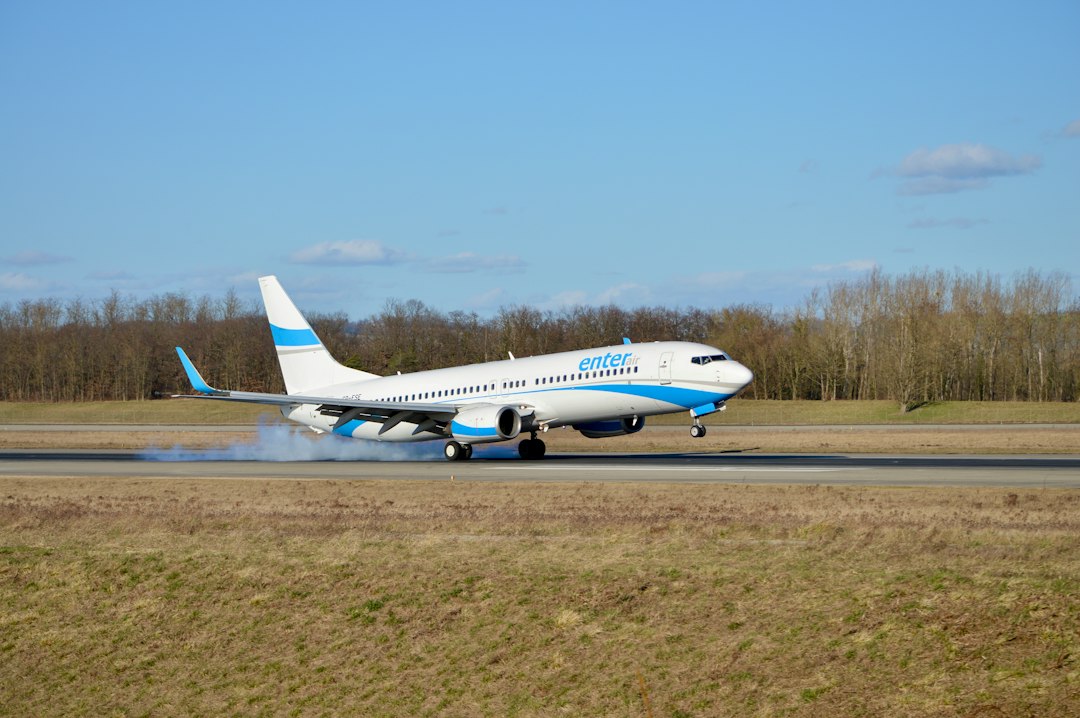
Yep, zero-emission flight for regional airliners, particularly through hybrid-hydrogen propulsion, is definitely a real possibility and is being actively developed. It’s not science fiction anymore; it’s a very tangible engineering challenge with significant progress being made.
Why Hydrogen is Making Waves in Aviation
When we talk about decarbonizing aviation, especially for shorter hops, hydrogen keeps coming up as a serious contender. Unlike batteries, which face significant weight limitations for anything beyond very small aircraft, hydrogen offers a much higher energy density by mass. This is crucial for aviation where every pound matters. The big draw for regional airliners is that the infrastructure and the technology scale better for these routes first, acting as a stepping stone to potentially larger aircraft later.
Understanding the Emission Challenge
Current jet fuel combustion releases carbon dioxide (CO2), nitrogen oxides (NOx), soot, and water vapor at high altitudes, all contributing to global warming. While CO2 is a major culprit, the non-CO2 effects, like contrails formed by water vapor and soot, are also a significant concern. Hydrogen, when combusted, primarily produces water vapor. If used in a fuel cell, the only emission is pure water. This fundamental difference is why it’s so attractive for a truly zero-emission future.
The Role of Regional Airliners
Focusing on regional airliners makes a lot of sense for several reasons. These aircraft typically fly shorter routes (under 1,000 nautical miles), meaning they have less demanding range requirements compared to long-haul jets. This reduced range makes the challenges of hydrogen storage (which takes up more volume than jet fuel) more manageable. Also, regional airports are generally smaller and more numerous, potentially simplifying the initial rollout of hydrogen fueling infrastructure. Think of it as a localized, contained ecosystem where new tech can be tested and refined before broader application.
In the pursuit of sustainable aviation, the exploration of hybrid-hydrogen propulsion systems for regional airliners is gaining traction, as highlighted in the article on Zero-Emission Aviation.
This innovative approach not only aims to reduce carbon emissions but also enhances fuel efficiency, making it a promising solution for the future of air travel. For further insights into cutting-edge technology, you can read about the latest advancements in mobile devices in this article: Unlock the Power of the Galaxy with the Samsung S22 Ultra.
Key Takeaways
- The training data includes information and events up to October 2023.
- Insights and knowledge are based on a wide range of sources available until the cutoff date.
- No updates or developments occurring after October 2023 are included in the training.
- Users should verify current information from reliable sources for the latest updates.
- The model’s responses reflect the context and knowledge available up to the specified date.
Diving into Hybrid-Hydrogen Propulsion Systems
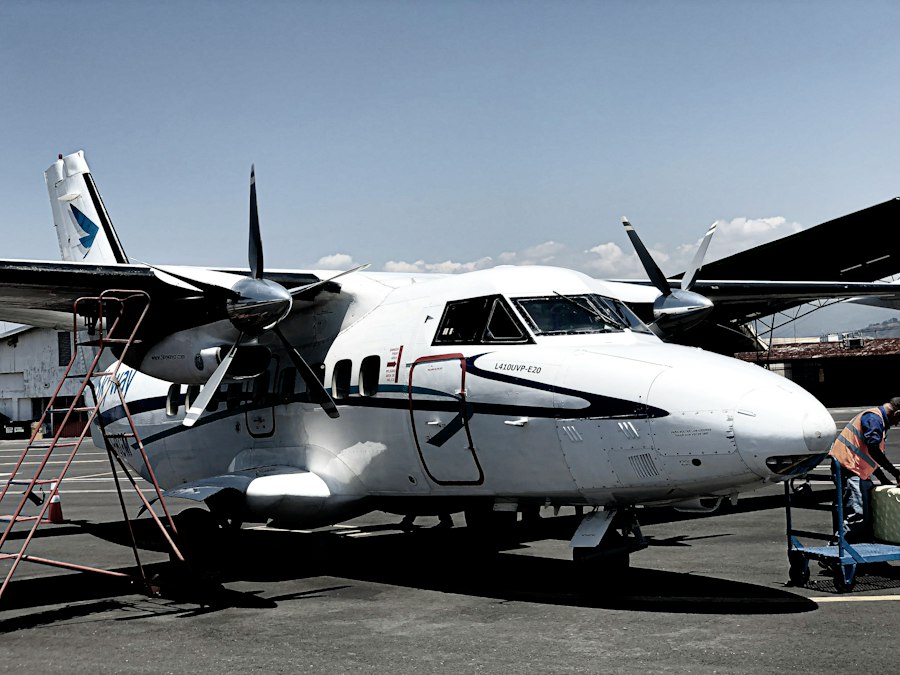
So, what exactly does “hybrid-hydrogen” mean in this context? It’s not just one thing. It’s a combination of technologies working together to leverage the strengths of hydrogen while mitigating its current challenges. The “hybrid” part typically refers to combining hydrogen fuel with electrical power, often from batteries, to optimize performance and efficiency.
Hydrogen Combustion vs. Fuel Cells
There are two primary ways to use hydrogen for propulsion:
- Hydrogen Combustion (Direct Burn): This is where hydrogen is burned directly in modified gas turbine engines, much like conventional jet fuel. The advantage here is that it leverages existing turbine technology, potentially reducing development time and cost. The primary emission is water vapor, but it can still produce some NOx if not carefully controlled, due to the high temperatures involved in combustion.
- Hydrogen Fuel Cells (Electric Propulsion): This approach converts hydrogen into electricity through an electrochemical reaction in a fuel cell. This electricity then powers electric motors connected to propellers. The main benefit is that the only emission is pure water; there’s no combustion, so no NOx. However, fuel cells are currently heavier and have lower power densities than direct combustion, making them more challenging for larger aircraft.
The “hybrid” often comes into play by combining these, or by using batteries to assist fuel cells during peak power demands (like takeoff) or to recover energy during descent, thereby optimizing the fuel cell’s operation and reducing the required size of the fuel cell stack.
System Architecture Examples
Let’s look at some ways these systems might be put together:
- Fuel Cell-Battery Hybrid with Electric Motors: This is a common vision. Hydrogen is stored onboard (liquid or gaseous). It’s fed to a fuel cell stack, which generates electricity. This electricity drives electric motors directly connected to propellers. A battery pack acts as a buffer, providing extra power for takeoff and climb, absorbing regenerated power during descent, and smoothing out power delivery to the motors. This allows the fuel cell to operate at its most efficient point for longer.
- Hydrogen Turbofan (Direct Burn) with Electric Assist: In this scenario, modified gas turbines burn hydrogen directly. Electric motors, powered by a small battery or even a fuel cell, could provide additional thrust during takeoff or climb, or even power some secondary systems, improving overall efficiency and reducing emissions further.
- Cryogenic Hydrogen and Superconducting Motors: This is a more advanced concept. Hydrogen, especially when stored cryogenically (liquid hydrogen), is extremely cold. This cold could potentially be used to cool superconducting electric motors and power distribution systems, significantly reducing electrical losses and allowing for much lighter and more compact motors. This is still in early research phases but holds great promise for power density.
The Nitty-Gritty of Hydrogen Storage and Infrastructure

One of the biggest hurdles for hydrogen aviation, especially for larger aircraft, is how to store it efficiently and safely onboard.
Liquid Hydrogen (LH2) vs. Gaseous Hydrogen (GH2)
- Liquid Hydrogen (LH2): This is typically favored for aviation because it offers a much higher energy density by volume compared to gaseous hydrogen. To keep hydrogen liquid, it needs to be cooled to extremely low temperatures (-253°C or -423°F). This requires specialized, heavily insulated cryogenic tanks, which are bulky and heavy. “Boil-off” – the gradual evaporation of LH2 due to heat ingress – is also a challenge, though it can be captured and used by the aircraft.
- Gaseous Hydrogen (GH2): Stored under very high pressure (up to 700 bar), GH2 tanks are robust and heavy, and even then, the volumetric energy density is significantly lower than LH2.
This makes it less suitable for larger aircraft but might be a starting point for smaller, very short-range demonstrators or auxiliary power units.
For regional airliners, LH2 is generally seen as the more viable option due to its superior volumetric energy density, despite the cryogenic challenges. The tanks would likely be integrated into the fuselage, perhaps in the rear or within redesigned wing structures, shifting the internal layout of the aircraft considerably.
Refueling and Airport Infrastructure
This isn’t just about the plane; it’s about the entire ecosystem. Airports would need a complete overhaul of their fueling infrastructure.
- Production: The first step is producing green hydrogen, which means hydrogen produced using renewable energy sources (like solar or wind) to split water (electrolysis).
This ensures the entire lifecycle is truly zero-emission.
- Transport: Green hydrogen would then need to be transported to airports, either via pipelines (which are expensive to build but efficient), trucks (which have range limitations), or even ships.
- Storage at Airports: Airports would require large cryogenic storage facilities for LH2, along with liquefaction plants if hydrogen isn’t delivered in liquid form.
- Refueling Operations: Refueling an LH2 aircraft is a more complex operation than current jet fuel. It requires specialized cryo-tanks, hoses, and safety protocols to handle the extremely cold temperatures and potential for leaks. This will likely involve automation to improve efficiency and safety.
The good news is that regional airports, with their smaller footprint and fewer daily movements compared to major hubs, could serve as ideal proving grounds for this new infrastructure.
Overcoming Engineering and Operational Hurdles
While the promise is clear, several significant engineering and operational challenges need to be addressed before hybrid-hydrogen regional airliners become commonplace.
Weight and Volume Penalties
- Fuel Storage: As discussed, LH2 tanks are much larger and heavier than equivalent kerosene tanks due to the lower density of hydrogen and the insulation requirements. This directly impacts payload, range, and aircraft design. Designers are exploring novel fuselage designs, like “blended wing body” concepts, to integrate these tanks more effectively.
- Propulsion System Weight: Fuel cells and electric motors, while continuously improving, are still heavier than conventional gas turbines for equivalent power output. The battery pack in a hybrid system also adds weight. Balancing these weight penalties with aircraft performance is a key design challenge.
Thermal Management
Fuel cells, electric motors, and power electronics all generate heat that needs to be dissipated. For fuel cells, this waste heat can be substantial. Efficient thermal management systems are critical to ensure components operate within optimal temperature ranges, which becomes even more complex in the cold environment of high-altitude flight or when dealing with cryogenic hydrogen. This might involve new cooling fluids or heat exchange systems.
Safety and Certification
Hydrogen is flammable, and LH2 is extremely cold. Robust safety protocols and designs are paramount. This includes:
- Leak Detection and Mitigation: Designing systems that can detect hydrogen leaks quickly and safely vent them or shut down operations.
- Crashworthiness: Ensuring hydrogen tanks can withstand impact forces in the event of an accident.
- Fire Suppression: Developing effective fire suppression systems for hydrogen fires.
- Cryogenic Safety: Protecting ground crew and passengers from potential contact with extremely cold LH2.
Certification bodies like EASA and the FAA are already working with industry to develop new standards and regulations specific to hydrogen aviation, which is a massive undertaking.
Economic Viability
Beyond the technical challenges, the economics need to make sense.
- Cost of Green Hydrogen: Currently, green hydrogen is more expensive to produce than traditional jet fuel. As production scales up and renewable energy costs decrease, this price gap is expected to narrow significantly.
- Aircraft Development and Production Costs: Developing entirely new aircraft designs or significantly modifying existing ones to accommodate hydrogen propulsion will be expensive.
- Infrastructure Investment: The immense investment required for airport hydrogen infrastructure is a significant barrier that will likely require government support and public-private partnerships.
- Operating Costs: The cost of maintenance for new propulsion systems, the efficiency of the overall system, and the price of hydrogen will all impact operational costs and, ultimately, ticket prices.
In the pursuit of sustainable aviation, the exploration of hybrid-hydrogen propulsion systems for regional airliners is gaining traction, offering a promising alternative to traditional fuel sources. A related article discusses the best niche for affiliate marketing in 2023, highlighting how emerging technologies, including those in the aviation sector, can create new opportunities for marketers. For those interested in the intersection of technology and business, this article provides valuable insights into how innovations like zero-emission aviation can influence market trends. You can read more about it here.
The Road Ahead: Timelines and Prototypes
| Metric | Value | Unit | Notes |
|---|---|---|---|
| Aircraft Range | 800 | km | Typical regional airliner range with hybrid-hydrogen propulsion |
| Passenger Capacity | 50-70 | Seats | Standard regional airliner size |
| Hydrogen Storage Type | Liquid Hydrogen | – | Preferred for higher energy density |
| Fuel Cell Power Output | 500-1000 | kW | Power range for hybrid propulsion system |
| Electric Motor Power | 600 | kW | Electric motor peak power for propulsion |
| CO2 Emissions Reduction | 90-100 | % | Compared to conventional regional aircraft |
| Hybrid System Weight Penalty | 15-20 | % | Additional weight compared to conventional propulsion |
| Refueling Time | 30-45 | minutes | Hydrogen refueling duration |
| Operational Cost Reduction | 10-15 | % | Estimated savings due to fuel efficiency and maintenance |
| Noise Reduction | 40-50 | % | Compared to conventional turboprop engines |
While the challenges are real, the momentum behind hybrid-hydrogen regional aviation is undeniable. We’re seeing active development, significant investment, and ambitious timelines from both established aerospace players and innovative startups.
Current Demonstrators and Prototypes
Several companies are already flying or developing hydrogen-powered demonstrators:
- Universal Hydrogen: This company is focusing on modular, swappable liquid hydrogen capsules that could be retrofitted into existing regional aircraft, aiming for entry into service around 2025-2027. They’ve already flown a modified De Havilland Canada Dash 8 with one hydrogen fuel cell powertrain.
- ZeroAvia: Another leader in the space, ZeroAvia, is developing hydrogen-electric powertrains for various regional aircraft. They’ve flown a Dornier 228 with a hydrogen-electric engine and are targeting commercial operations for 19-seat aircraft by 2025 and 40-80 seat aircraft by 2027.
- Airbus ZEROe Concepts: Airbus has unveiled several hydrogen aircraft concepts, including a turboprop design for regional flights, aiming for entry into service by 2035. Their approach includes both hydrogen combustion and fuel cell technologies.
- Rolls-Royce and easyJet: These companies have successfully ground-tested a hydrogen-powered aircraft engine, demonstrating the viability of direct hydrogen combustion.
These demonstrations are critical for proving the technology, gathering real-world data, and addressing unforeseen issues early in the development cycle.
Phased Rollout and Market Adoption
The transition to hydrogen aviation won’t happen overnight. It’s likely to be a phased rollout:
- Small Regional Aircraft (10-50 seats): These will be the first to adopt hydrogen propulsion due to their less demanding range and payload requirements. This allows for proof of concept and initial infrastructure development.
- Larger Regional Aircraft (50-100 seats): As the technology matures, and hydrogen storage and power density improve, larger regional airliners will follow.
- Specific Routes and “Green Corridors”: Initial deployments will likely focus on specific routes between airports that have invested in hydrogen infrastructure, creating “green corridors” that can be expanded over time.
- Retrofits and New Builds: Initially, retrofitting existing airframes with hydrogen powertrains might offer a faster path to market. However, entirely new aircraft designs optimized for hydrogen (e.g., with integrated LH2 tanks) will ultimately offer better performance and efficiency.
The path to zero-emission regional aviation with hybrid-hydrogen propulsion is challenging but clear. The ongoing research, development, and demonstration projects show a strong commitment from the industry to make this a reality within the next decade or two. It’s an exciting time to watch these technologies take flight, promising cleaner skies for regional travel.
FAQs
What is a hybrid-hydrogen propulsion system for regional airliners?
A hybrid-hydrogen propulsion system for regional airliners is a technology that combines traditional jet engines with hydrogen fuel cells to power the aircraft. This system aims to reduce carbon emissions and increase fuel efficiency in aviation.
How does a hybrid-hydrogen propulsion system work?
In a hybrid-hydrogen propulsion system, the aircraft’s traditional jet engines are supplemented or replaced by hydrogen fuel cells. These fuel cells generate electricity by combining hydrogen and oxygen, which then powers electric motors to drive the aircraft’s propellers or fans.
What are the benefits of using a hybrid-hydrogen propulsion system in regional airliners?
Using a hybrid-hydrogen propulsion system in regional airliners can significantly reduce carbon emissions and dependence on fossil fuels. It can also improve fuel efficiency, lower operating costs, and contribute to a more sustainable aviation industry.
Are there any challenges or limitations associated with hybrid-hydrogen propulsion systems for regional airliners?
Some challenges with hybrid-hydrogen propulsion systems include the high cost of hydrogen production and infrastructure, limited hydrogen storage capacity onboard aircraft, and the need for further technological advancements to increase efficiency and reliability.
Which regional airliners are currently exploring or implementing hybrid-hydrogen propulsion systems?
Several aircraft manufacturers and airlines are actively researching and developing hybrid-hydrogen propulsion systems for regional airliners. Companies like Airbus, Boeing, and ZeroAvia are among those leading the way in this innovative technology for sustainable aviation.
Enjoying our content? Make us a preferred source on Google:
Add us as a Preferred Source on Google