

Wearable sensors have emerged as a transformative technology in the realm of health monitoring and disease management. These devices, which can be worn on the body like clothing or accessories, are equipped with advanced sensors that collect a variety of physiological data. From heart rate and temperature to more complex metrics like blood oxygen levels and electrocardiograms, wearable sensors provide real-time insights into an individual’s health status.
The proliferation of smartphones and the Internet of Things (IoT) has further accelerated the development and adoption of these devices, making them more accessible to the general public. As a result, wearable sensors are not only revolutionizing personal health management but also paving the way for significant advancements in medical diagnostics. The integration of wearable sensors into everyday life signifies a shift towards proactive health management rather than reactive treatment.
Traditionally, disease diagnosis relied heavily on clinical visits and laboratory tests, often leading to late-stage detection of illnesses. However, with the advent of wearable technology, individuals can continuously monitor their health metrics, allowing for early identification of potential health issues. This capability is particularly crucial in managing chronic diseases, where timely intervention can significantly alter the course of the illness.
As we delve deeper into the implications of wearable sensors, it becomes evident that they hold immense potential for enhancing early disease diagnosis and improving overall health outcomes.
Key Takeaways
- Wearable sensors offer continuous health monitoring, enabling early disease detection.
- Early diagnosis through wearables can improve treatment outcomes and reduce healthcare costs.
- These devices provide advantages like real-time data, non-invasive monitoring, and patient convenience.
- Challenges include data accuracy, privacy concerns, and integration with healthcare systems.
- Future advancements promise enhanced sensor capabilities and broader applications in disease management.
The Importance of Early Disease Diagnosis
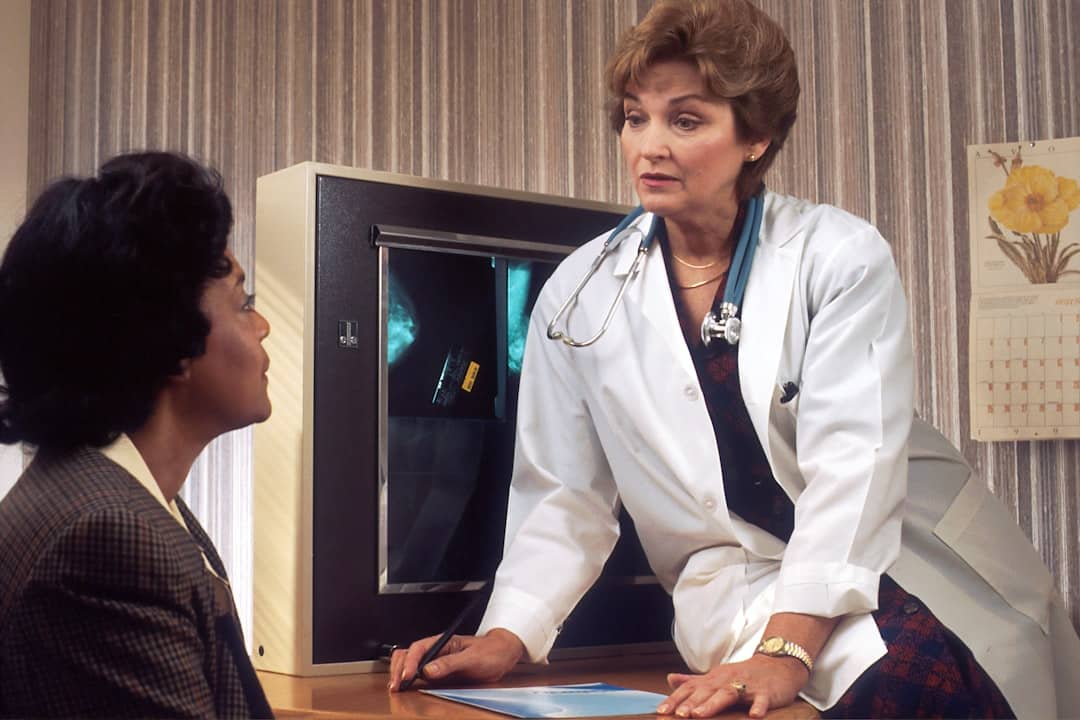
Early disease diagnosis is a critical factor in effective healthcare management. The earlier a disease is detected, the more options are available for treatment, often leading to better prognoses and improved quality of life for patients. For many conditions, such as cancer, diabetes, and cardiovascular diseases, early intervention can mean the difference between life and death.
For instance, in oncology, early-stage cancers are often more treatable and have higher survival rates compared to those diagnosed at advanced stages. Similarly, in diabetes management, early detection allows for lifestyle modifications and medical interventions that can prevent severe complications. Moreover, early diagnosis can significantly reduce healthcare costs.
In contrast, managing diseases at their onset typically involves less intensive treatments and outpatient care. This not only alleviates the financial burden on healthcare systems but also enhances patient satisfaction by minimizing the physical and emotional toll associated with severe illness.
As healthcare systems worldwide grapple with rising costs and increasing patient loads, the emphasis on early diagnosis becomes even more pronounced.
How Wearable Sensors Can Aid in Early Disease Detection
Wearable sensors play a pivotal role in facilitating early disease detection by continuously monitoring vital signs and other health indicators. These devices can track metrics such as heart rate variability, skin temperature, and activity levels, providing a comprehensive view of an individual’s health status over time. For example, a sudden increase in resting heart rate or a significant change in sleep patterns can serve as early warning signs of underlying health issues such as infections or cardiovascular problems.
By alerting users to these changes in real-time, wearable sensors empower individuals to seek medical advice before conditions escalate. Furthermore, advancements in machine learning and artificial intelligence have enhanced the analytical capabilities of wearable sensors. These technologies can process vast amounts of data collected from users to identify patterns that may indicate the onset of diseases.
For instance, algorithms can analyze heart rate data to detect arrhythmias or irregularities that might suggest heart disease. Similarly, continuous glucose monitors can provide insights into blood sugar levels for diabetic patients, alerting them to potential hypoglycemic or hyperglycemic events before they become critical. This proactive approach not only aids in early diagnosis but also fosters a culture of preventive healthcare.
Advantages of Using Wearable Sensors for Disease Diagnosis
The advantages of using wearable sensors for disease diagnosis are manifold. One of the most significant benefits is the ability to collect continuous data over extended periods. Unlike traditional diagnostic methods that rely on sporadic measurements during clinical visits, wearable sensors provide a constant stream of information that reflects an individual’s health status in real-time.
This continuous monitoring allows for a more nuanced understanding of health trends and fluctuations, enabling healthcare providers to make informed decisions based on comprehensive data rather than isolated snapshots. Another advantage is the convenience and accessibility that wearable sensors offer. Many individuals are reluctant to visit healthcare facilities for routine check-ups due to time constraints or fear of exposure to illness.
Wearable devices eliminate these barriers by allowing users to monitor their health from the comfort of their homes or while on the go. This ease of use encourages more people to engage in regular health monitoring, leading to increased awareness and proactive management of their health conditions. Additionally, many wearable sensors are designed to be user-friendly, with intuitive interfaces that make it easy for individuals to interpret their data without requiring extensive medical knowledge.
Challenges and Limitations of Wearable Sensors in Disease Diagnosis
| Metric | Description | Impact on Early Disease Diagnosis |
|---|---|---|
| Continuous Monitoring | Wearable sensors provide real-time, 24/7 tracking of vital signs and physiological parameters. | Enables early detection of abnormal patterns before symptoms appear. |
| Data Accuracy | High precision in measuring heart rate, blood pressure, glucose levels, and oxygen saturation. | Improves reliability of early diagnosis and reduces false positives/negatives. |
| Patient Compliance | Wearables are non-invasive and user-friendly, encouraging consistent use. | Ensures continuous data collection, critical for identifying early disease markers. |
| Early Symptom Detection | Ability to detect subtle changes in physiological data indicative of disease onset. | Facilitates timely medical intervention and better prognosis. |
| Remote Monitoring | Data can be transmitted to healthcare providers without in-person visits. | Allows for early diagnosis in remote or underserved areas. |
| Cost Efficiency | Reduces need for frequent hospital visits and expensive diagnostic tests. | Enables affordable early screening and monitoring. |
| Integration with AI | Wearable data can be analyzed using AI algorithms for predictive diagnostics. | Enhances accuracy and speed of early disease detection. |
Despite their numerous advantages, wearable sensors also face several challenges and limitations that must be addressed to maximize their potential in disease diagnosis. One significant concern is the accuracy and reliability of the data collected by these devices. While many wearable sensors are equipped with sophisticated technology, variations in individual physiology can lead to discrepancies in readings.
For instance, factors such as skin tone, body composition, and even environmental conditions can affect sensor performance.
Another challenge lies in data privacy and security.
Wearable sensors collect sensitive health information that could be vulnerable to breaches or unauthorized access. As these devices become more integrated into healthcare systems, safeguarding patient data becomes paramount. Users must be assured that their personal health information is protected from cyber threats while still being accessible to healthcare providers who need it for diagnosis and treatment planning.
Striking a balance between data accessibility and privacy is essential for fostering trust in wearable technology.
Current Applications of Wearable Sensors in Disease Diagnosis
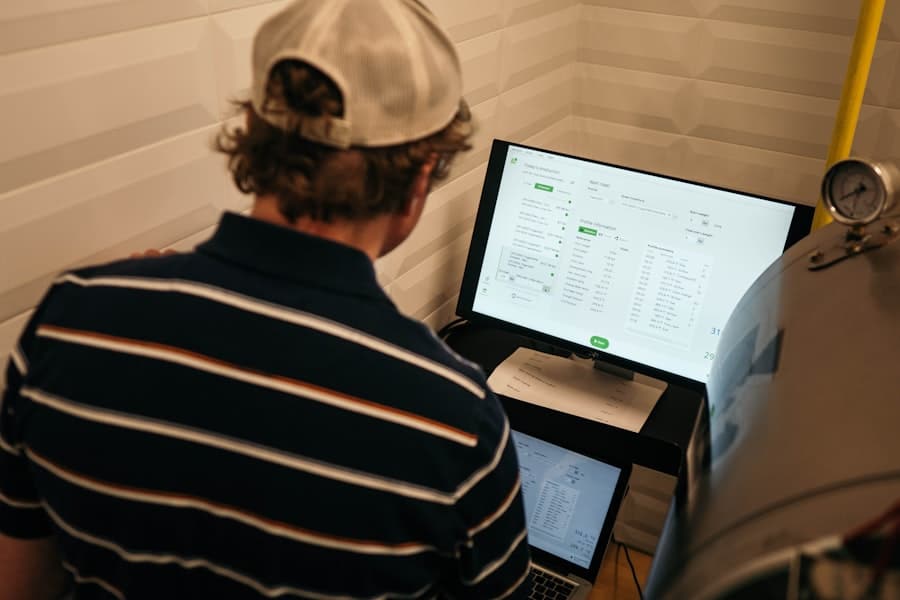
Currently, wearable sensors are being utilized across various domains of healthcare for disease diagnosis and management. One prominent application is in cardiovascular health monitoring. Devices such as smartwatches equipped with electrocardiogram (ECG) capabilities can detect irregular heart rhythms like atrial fibrillation (AFib), which is a significant risk factor for stroke.
By alerting users to these irregularities, these devices enable timely medical intervention that can prevent serious complications. In addition to cardiovascular applications, wearable sensors are making strides in diabetes management through continuous glucose monitoring (CGM) systems. These devices provide real-time glucose level readings, allowing individuals with diabetes to make informed decisions about their diet and insulin administration.
The integration of CGM data with mobile applications further enhances user experience by offering insights into trends and patterns that can inform lifestyle adjustments. Moreover, research is ongoing into using wearable sensors for mental health monitoring by tracking physiological indicators associated with stress and anxiety levels.
Future Implications and Developments in Wearable Sensor Technology
The future of wearable sensor technology holds immense promise for enhancing disease diagnosis and overall healthcare delivery. As technology continues to evolve, we can expect improvements in sensor accuracy and functionality. Innovations such as biosensors that analyze sweat or saliva could provide even more comprehensive insights into an individual’s health status without invasive procedures.
These advancements could lead to earlier detection of diseases such as metabolic disorders or infections by analyzing biomarkers present in bodily fluids. Moreover, the integration of artificial intelligence with wearable sensor technology is likely to revolutionize personalized medicine. Machine learning algorithms will become increasingly adept at analyzing individual health data over time, allowing for tailored recommendations based on unique health profiles.
This could lead to more effective prevention strategies and treatment plans that consider an individual’s specific risk factors and lifestyle choices. Additionally, as telemedicine continues to gain traction, wearable sensors will play a crucial role in remote patient monitoring, enabling healthcare providers to deliver care without requiring patients to visit clinics physically.
The Role of Wearable Sensors in Improving Early Disease Diagnosis
Wearable sensors represent a significant advancement in the quest for early disease diagnosis and proactive health management. By providing continuous monitoring capabilities and real-time data analysis, these devices empower individuals to take charge of their health while facilitating timely medical interventions when necessary. Despite challenges related to accuracy and data privacy, ongoing developments in technology promise to enhance the reliability and effectiveness of wearable sensors in clinical settings.
As we move forward into an era where personalized medicine becomes increasingly prevalent, the role of wearable sensors will only grow more critical. Their ability to integrate seamlessly into daily life while providing valuable health insights positions them as essential tools in modern healthcare. Ultimately, the continued evolution of wearable sensor technology will not only improve early disease diagnosis but also contribute to a healthier society by fostering a culture of prevention and proactive health management.
Wearable sensors are revolutionizing the field of early disease diagnosis by providing real-time health data that can lead to timely interventions. For a deeper understanding of how technology is shaping various sectors, you might find the article on

<ul class=)