


Smart glasses represent a significant leap in wearable technology, merging the digital and physical worlds in ways that were once confined to the realm of science fiction. These devices, equipped with augmented reality (AR) capabilities, allow users to access information, communicate, and interact with their environment without the need for traditional screens. The concept of smart glasses has evolved from early prototypes to sophisticated devices that integrate seamlessly into daily life, offering a glimpse into a future where hands-free computing becomes the norm rather than the exception.
The allure of smart glasses lies in their potential to enhance productivity and efficiency across various sectors. By providing real-time data and notifications directly in the user’s line of sight, these devices can streamline workflows and reduce the cognitive load associated with multitasking. As technology continues to advance, smart glasses are becoming more accessible and user-friendly, paving the way for widespread adoption in both professional and personal contexts.
This article delves into the evolution of hands-free computing, the benefits of smart glasses in various fields, and the challenges that lie ahead as this technology continues to develop.
Key Takeaways
- Smart glasses represent a significant advancement in hands-free computing technology.
- They enhance productivity and efficiency in various work environments.
- In healthcare, smart glasses improve medical procedures and patient care.
- The consumer market is increasingly adopting smart glasses for everyday use.
- Despite their potential, smart glasses face challenges like privacy concerns and technical limitations.
The Evolution of Hands-Free Computing
The journey of hands-free computing can be traced back to the early days of voice recognition software and rudimentary wearable devices. In the 1990s, inventions like the Virtuality Group’s head-mounted displays hinted at the potential for immersive experiences, but these early iterations were often bulky and limited in functionality. As technology progressed, so did the concept of hands-free interaction.
The introduction of smartphones revolutionized how we interact with digital content, but it also highlighted the limitations of traditional interfaces that require manual input. With the advent of smart glasses, hands-free computing took a significant step forward. Devices like Google Glass, released in 2013, showcased the possibilities of augmented reality by overlaying digital information onto the real world.
Although Google Glass faced criticism for its design and privacy concerns, it laid the groundwork for future innovations in smart eyewear. Companies like Microsoft with its HoloLens and Magic Leap have since refined the concept, focusing on enterprise applications that leverage AR for training, collaboration, and remote assistance. This evolution reflects a broader trend toward more intuitive and immersive computing experiences that prioritize user engagement and efficiency.
The Benefits of Smart Glasses for Work and Productivity

Smart glasses offer a multitude of benefits that can significantly enhance work processes and overall productivity. One of the most notable advantages is the ability to access information hands-free while remaining engaged with one’s surroundings. For instance, in manufacturing environments, workers can receive real-time data about machinery performance or assembly instructions without needing to consult a handheld device or computer screen.
This not only streamlines operations but also minimizes the risk of errors that can occur when switching between tasks. Moreover, smart glasses facilitate improved communication and collaboration among team members. With features such as video conferencing and live streaming capabilities, users can share their perspective with colleagues in real-time, regardless of their physical location.
This is particularly beneficial in industries like construction or engineering, where on-site experts can guide remote teams through complex tasks using augmented reality overlays. By bridging geographical gaps and enhancing teamwork, smart glasses contribute to more efficient project management and decision-making processes.
Smart Glasses in Healthcare and Medical Fields
The healthcare sector has been one of the most promising arenas for the application of smart glasses. Surgeons and medical professionals are increasingly utilizing these devices to enhance surgical precision and improve patient outcomes. For example, during complex procedures, surgeons can access patient data, imaging results, or even instructional videos directly through their smart glasses without diverting their attention from the surgical field.
This integration of information allows for more informed decision-making and reduces the likelihood of errors during critical moments. In addition to surgical applications, smart glasses are also being employed for training purposes within medical education.
These simulations can replicate various medical scenarios, allowing students to practice their skills in a controlled environment while receiving real-time feedback. As a result, smart glasses are not only enhancing current medical practices but also shaping the future of medical training by providing innovative educational tools.
Smart Glasses in the Consumer Market
| Metric | Value | Relevance to Smart Glasses |
|---|---|---|
| Hands-Free Interaction Efficiency | Up to 40% faster task completion | Enables users to perform tasks without using hands, increasing productivity |
| Battery Life | 6-8 hours average | Supports extended use throughout the workday without frequent recharging |
| Field of View (FOV) | 30-50 degrees | Provides sufficient augmented reality overlay without obstructing natural vision |
| Voice Command Accuracy | Over 90% | Allows reliable hands-free control and interaction with devices |
| Weight | Less than 50 grams | Ensures comfort for prolonged wear and usability |
| Applications Supported | 100+ enterprise and consumer apps | Wide range of use cases from healthcare to manufacturing and daily life |
| Latency | Under 20 milliseconds | Provides real-time feedback and interaction for seamless user experience |
While much of the focus on smart glasses has been on professional applications, there is a growing interest in their potential within the consumer market. Companies are exploring various use cases that cater to everyday users, from fitness enthusiasts to gamers. For instance, smart glasses equipped with fitness tracking capabilities can provide users with real-time data on their performance during workouts, such as heart rate or distance traveled.
This hands-free approach allows individuals to stay focused on their activities without needing to check their smartphones or fitness trackers. Gaming is another area where smart glasses are making waves. With advancements in AR technology, developers are creating immersive gaming experiences that blend digital elements with the real world.
Players can interact with virtual characters or objects overlaid onto their physical environment, creating a unique gaming experience that encourages movement and engagement. As consumer interest in augmented reality continues to grow, smart glasses are poised to become a staple accessory for tech-savvy individuals seeking new ways to enhance their leisure activities.
The Future of Smart Glasses and Hands-Free Computing
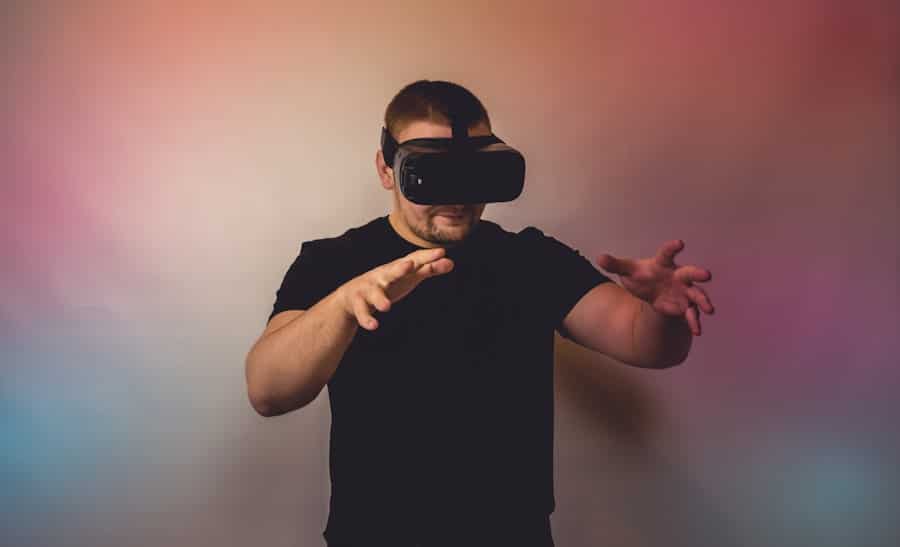
Looking ahead, the future of smart glasses appears promising as technology continues to evolve at an unprecedented pace. Innovations in display technology, battery life, and miniaturization are likely to lead to more compact and comfortable designs that appeal to a broader audience. As manufacturers invest in research and development, we can expect to see enhancements in features such as voice recognition, gesture control, and even eye-tracking capabilities that will further improve user interaction with these devices.
Moreover, as artificial intelligence (AI) becomes increasingly integrated into everyday technology, smart glasses could leverage AI algorithms to provide personalized experiences tailored to individual users’ preferences and needs. For example, AI could analyze a user’s behavior patterns and suggest relevant information or notifications based on context—whether they are at work, exercising, or socializing. This level of personalization could transform how we interact with technology on a daily basis, making smart glasses an indispensable tool for both work and leisure.
Challenges and Limitations of Smart Glasses
Despite their potential benefits, smart glasses face several challenges that could hinder widespread adoption. One significant concern is privacy; as these devices often include cameras and recording capabilities, there are valid fears regarding surveillance and data security. Users may be hesitant to wear smart glasses in public spaces due to concerns about being recorded without consent or having their personal information compromised.
Additionally, there are technical limitations that need addressing before smart glasses can achieve mainstream acceptance. Battery life remains a critical issue; many current models require frequent recharging due to power-hungry features like high-resolution displays and constant connectivity. Furthermore, user interface design poses challenges; creating an intuitive experience that allows users to navigate complex information without overwhelming them is essential for ensuring usability.
The Impact of Smart Glasses on Hands-Free Computing
The impact of smart glasses on hands-free computing is profound and multifaceted. As these devices continue to evolve and integrate into various aspects of life—from professional environments to personal entertainment—they have the potential to redefine how we interact with technology. By enabling seamless access to information while allowing users to remain engaged with their surroundings, smart glasses represent a significant advancement in computing paradigms.
As we move forward into an era where hands-free computing becomes increasingly prevalent, it is essential to address the challenges associated with privacy and usability. By fostering innovation while prioritizing user concerns, developers can create smart glasses that not only enhance productivity but also enrich everyday experiences. The journey of smart glasses is just beginning; as they become more refined and widely accepted, they will undoubtedly play a crucial role in shaping our digital future.
Smart glasses are revolutionizing the way we interact with technology, offering a seamless hands-free computing experience that enhances productivity and connectivity. For those interested in exploring how wearable technology is evolving, a related article on the best smartwatch apps of 2023 provides insights into complementary devices that further integrate with smart glasses. You can read more about it here: The Best Smartwatch Apps of 2023.
FAQs
What are smart glasses?
Smart glasses are wearable devices that resemble traditional eyeglasses but incorporate advanced computing capabilities, such as augmented reality (AR), voice control, and connectivity to smartphones or the internet.
How do smart glasses enable hands-free computing?
Smart glasses allow users to interact with digital information through voice commands, head movements, or touchpads on the frame, eliminating the need to use hands for operating devices like smartphones or computers.
What are the main features of smart glasses?
Key features include heads-up displays, voice recognition, gesture controls, real-time notifications, augmented reality overlays, and integration with apps and cloud services.
In what industries are smart glasses commonly used?
Smart glasses are used in healthcare, manufacturing, logistics, field service, and retail to improve productivity, provide real-time data access, and enhance training and collaboration.
How do smart glasses improve productivity?
By providing instant access to information and enabling hands-free operation, smart glasses allow users to perform tasks more efficiently without interrupting their workflow.
Are smart glasses compatible with other devices?
Yes, most smart glasses can connect to smartphones, tablets, and computers via Bluetooth or Wi-Fi, allowing seamless integration with existing digital ecosystems.
What are the privacy concerns related to smart glasses?
Privacy concerns include unauthorized recording, data security, and potential misuse of sensitive information, which manufacturers address through encryption, user controls, and compliance with privacy regulations.
Do smart glasses require an internet connection to function?
While some features work offline, many smart glasses rely on internet connectivity for cloud-based services, real-time updates, and access to online applications.
What is the battery life of smart glasses?
Battery life varies by model and usage but typically ranges from several hours to a full day, depending on the intensity of tasks and features used.
Are smart glasses suitable for everyday consumer use?
While initially targeted at enterprise and professional markets, advancements in design and functionality are making smart glasses increasingly accessible and appealing for everyday consumer use.