


The development of hearing aid technology spans several centuries, beginning with basic acoustic devices in the 1600s. These early instruments were constructed from wood and metal, functioning through simple sound amplification principles. However, they were bulky and provided limited hearing improvement, relying entirely on natural sound wave amplification.
The introduction of electronic components in the early 1900s marked a pivotal advancement in hearing aid technology. Electronic hearing aids first appeared in the 1920s, incorporating vacuum tubes for sound amplification. This innovation substantially enhanced both sound clarity and volume compared to previous acoustic models.
The mid-to-late 20th century brought additional technological improvements with transistor integration. Transistors enabled manufacturers to produce smaller, more energy-efficient devices, transitioning from large, conspicuous models to compact units designed for behind-the-ear or in-ear-canal placement. This development significantly improved user comfort and device discretion.
Digital signal processing technology, introduced in the 1990s, represented another major breakthrough. This advancement allowed hearing aids to automatically analyze acoustic environments and adjust settings accordingly. Digital processing improved sound quality while enabling customized hearing solutions for individual users.
Contemporary hearing aids incorporate advanced algorithms capable of filtering background noise, improving speech recognition, and establishing wireless connections with smartphones and other electronic devices. These features demonstrate the substantial technological progress achieved since the earliest acoustic hearing devices.
Key Takeaways
- Hearing aid technology has evolved from basic amplification to advanced smart, connected devices.
- Smart hearing aids offer benefits like improved sound quality, personalized settings, and seamless connectivity.
- Connectivity features enable integration with smartphones and other devices, enhancing user functionality.
- Innovations include AI-driven noise reduction, health tracking, and adaptive sound environments.
- Choosing the right smart hearing aid involves considering features, lifestyle needs, and compatibility with other technology.
The Benefits of Smart and Connected Hearing Aids
Smart and connected hearing aids offer a plethora of benefits that extend beyond mere sound amplification. One of the most significant advantages is their ability to adapt to various listening environments automatically. Equipped with advanced sensors and artificial intelligence, these devices can distinguish between different types of sounds and adjust their settings accordingly.
For instance, when a user enters a noisy restaurant, the hearing aid can reduce background noise while enhancing speech frequencies, allowing for clearer conversations without manual adjustments.
Moreover, connectivity features in smart hearing aids enable seamless integration with smartphones and other smart devices.
Users can stream music, phone calls, and even television audio directly to their hearing aids, enhancing their overall auditory experience. This connectivity fosters a sense of independence and empowerment, as users can engage more fully in social interactions without feeling isolated due to their hearing loss. Additionally, many smart hearing aids come equipped with companion apps that allow users to customize settings, track usage patterns, and even receive remote support from audiologists.
This level of personalization and accessibility represents a significant leap forward in how individuals manage their hearing health.
How Smart Hearing Aids Are Changing the Industry
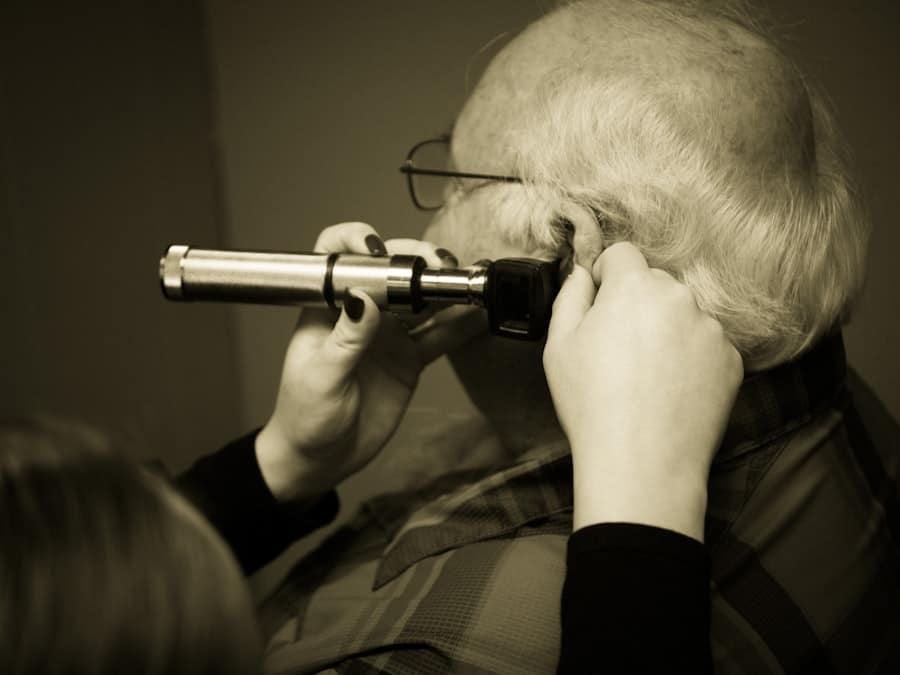
The introduction of smart hearing aids has not only transformed user experiences but has also reshaped the entire hearing aid industry. Manufacturers are now focusing on developing products that incorporate cutting-edge technology, leading to increased competition and innovation. Companies are investing heavily in research and development to create devices that not only meet the basic needs of users but also offer advanced features that enhance overall quality of life.
This shift has resulted in a broader range of options for consumers, allowing them to choose devices that best fit their lifestyle and preferences. Furthermore, the rise of telehealth services has been significantly influenced by smart hearing aids. Audiologists can now provide remote consultations and adjustments through connected devices, making it easier for users to receive timely support without needing to visit a clinic physically.
This convenience is particularly beneficial for individuals living in remote areas or those with mobility challenges. As a result, the industry is witnessing a paradigm shift towards more user-centric approaches, where customer feedback and real-world usage data play crucial roles in product development. This evolution not only enhances user satisfaction but also drives continuous improvement in technology.
The Role of Connectivity in Improving Hearing Aid Functionality
Connectivity is at the heart of modern hearing aid functionality, enabling a range of features that significantly enhance user experience. Bluetooth technology has become a standard feature in many smart hearing aids, allowing users to connect their devices to smartphones, tablets, and other Bluetooth-enabled gadgets. This connectivity facilitates direct audio streaming, which means users can listen to music or take phone calls without needing additional accessories or intermediary devices.
The convenience of this feature cannot be overstated; it allows for a more integrated lifestyle where users can enjoy entertainment and communication seamlessly. Moreover, connectivity extends beyond personal devices; many smart hearing aids can connect to home automation systems and public infrastructure. For instance, users can link their hearing aids to smart home devices such as doorbells or alarms, receiving alerts directly through their hearing aids.
This integration enhances safety and awareness in daily life, particularly for those who may struggle to hear traditional alerts. Additionally, public venues are increasingly adopting assistive listening technologies that work in tandem with smart hearing aids, providing users with enhanced auditory experiences in theaters, museums, and places of worship. Such advancements illustrate how connectivity is not just about personal convenience but also about creating inclusive environments for individuals with hearing loss.
The Future of Smart and Connected Hearing Aids
| Metric | Description | Impact on Hearing Aids |
|---|---|---|
| Bluetooth Connectivity | Percentage of hearing aids equipped with Bluetooth technology | Enables direct streaming from smartphones and other devices, improving user experience |
| Smartphone App Integration | Number of hearing aids compatible with mobile apps for customization | Allows users to adjust settings discreetly and personalize hearing aid functions |
| AI and Machine Learning | Use of AI algorithms to adapt to different sound environments | Improves sound quality and reduces background noise automatically |
| Battery Life Improvement | Average hours of use per charge in smart hearing aids | Supports longer usage and convenience with rechargeable options |
| Remote Fitting and Adjustments | Availability of remote tuning by audiologists via internet | Reduces clinic visits and provides timely support to users |
| Health Monitoring Features | Inclusion of sensors to track physical activity and health metrics | Transforms hearing aids into multifunctional health devices |
Looking ahead, the future of smart and connected hearing aids appears promising as technology continues to evolve at an unprecedented pace. One area poised for significant growth is artificial intelligence (AI) integration within hearing aids. Future devices may leverage machine learning algorithms to learn from users’ preferences and behaviors over time, allowing for even more personalized sound processing.
This could lead to automatic adjustments based on individual listening habits or environmental changes without requiring user intervention. Additionally, advancements in battery technology are likely to play a crucial role in the future of hearing aids. Current models often require regular charging or battery replacements, which can be inconvenient for users.
Innovations such as rechargeable batteries with longer life spans or even solar-powered options could alleviate these concerns, making hearing aids more user-friendly and sustainable. Furthermore, as telehealth continues to gain traction post-pandemic, we can expect more robust remote monitoring capabilities in future devices. This would enable audiologists to track users’ progress in real-time and make necessary adjustments remotely, ensuring optimal performance without the need for frequent office visits.
Features and Innovations in Smart Hearing Aid Technology

Smart hearing aids are equipped with an array of features designed to enhance user experience significantly. One notable innovation is directional microphones that allow users to focus on specific sounds while minimizing background noise. This feature is particularly beneficial in crowded environments where distinguishing speech from noise can be challenging.
By utilizing multiple microphones positioned strategically within the device, users can enjoy clearer conversations without straining to hear. Another exciting development is the incorporation of health monitoring features into smart hearing aids. Many modern devices now include sensors that track physical activity levels, heart rate, and even fall detection capabilities.
This dual functionality transforms hearing aids into comprehensive health management tools that provide valuable insights into users’ overall well-being. For instance, if a user experiences a fall, their hearing aid can send an alert to designated contacts or emergency services, providing an added layer of safety. Moreover, some manufacturers are exploring augmented reality (AR) capabilities within hearing aids.
By integrating AR technology, users could receive visual cues related to their auditory environment directly through their devices. For example, if someone is speaking from behind them, the device could provide visual indicators to help users locate the source of sound more easily. Such innovations represent a significant leap forward in how technology can enhance auditory experiences while addressing the unique challenges faced by individuals with hearing loss.
The Impact of Smart Hearing Aids on User Experience
The impact of smart hearing aids on user experience is profound and multifaceted. One of the most significant changes is the reduction in social isolation often experienced by individuals with hearing loss. With improved sound quality and connectivity features, users can engage more fully in conversations and social gatherings without feeling left out or frustrated by communication barriers.
This newfound ability fosters stronger relationships with family and friends and enhances overall quality of life. Additionally, the customization options available through companion apps empower users to take control of their auditory experiences actively.
This level of personalization not only enhances satisfaction but also encourages consistent use of hearing aids among individuals who may have previously struggled with traditional models. Furthermore, the integration of health monitoring features adds another layer of value to user experience. By providing insights into physical activity levels or alerting users to potential health concerns, smart hearing aids become essential tools for holistic well-being rather than mere assistive devices for hearing loss.
This shift towards viewing hearing aids as multifunctional health devices reflects a broader trend in healthcare towards preventive measures and proactive management.
Considerations for Choosing a Smart and Connected Hearing Aid
When selecting a smart and connected hearing aid, several factors warrant careful consideration to ensure that users find a device that meets their unique needs effectively. First and foremost is the level of amplification required based on individual hearing loss severity. Consulting with an audiologist is crucial in determining the appropriate level of amplification needed for optimal performance.
Another important consideration is the range of features offered by different models. Users should evaluate which functionalities are most relevant to their lifestyle—whether it’s Bluetooth connectivity for streaming audio or advanced noise-cancellation capabilities for busy environments. Additionally, compatibility with smartphones or other devices should be assessed to ensure seamless integration into daily routines.
Comfort and fit are also paramount when choosing a hearing aid; options range from behind-the-ear models to completely-in-canal designs. Users should prioritize comfort during extended wear periods while also considering aesthetic preferences. Finally, it’s essential to factor in ongoing costs associated with maintenance and support services when making a decision; some manufacturers offer comprehensive care packages that include regular check-ups or adjustments as part of their service.
In conclusion, navigating the world of smart and connected hearing aids requires careful thought about individual needs and preferences while keeping abreast of technological advancements that continue shaping this dynamic field.
As technology continues to advance, hearing aids are evolving into smart and connected devices that enhance the user experience. This transformation is not only improving the functionality of hearing aids but also integrating them into the broader ecosystem of smart devices. For those interested in how technology is reshaping various fields, you might find the article on the best software for NDIS providers particularly insightful, as it explores how digital solutions are improving accessibility and support for individuals with disabilities.
FAQs
What does it mean for hearing aids to be “smart”?
Smart hearing aids are devices equipped with advanced technology such as sensors, artificial intelligence, and connectivity features that allow them to adapt to different sound environments, improve sound quality, and provide personalized user experiences.
How do connected hearing aids work?
Connected hearing aids use wireless technologies like Bluetooth to link with smartphones, tablets, and other devices. This connectivity enables users to stream audio directly, adjust settings via apps, and receive software updates for improved performance.
What are the benefits of smart and connected hearing aids?
Benefits include enhanced sound clarity, automatic adjustment to various listening environments, remote control through mobile apps, direct streaming of phone calls and media, and the ability to track hearing health data.
Can smart hearing aids be customized to individual hearing needs?
Yes, smart hearing aids often use AI algorithms and user feedback to tailor sound amplification and noise reduction to the wearer’s specific hearing loss profile and preferences.
Are smart hearing aids compatible with smartphones?
Most modern smart hearing aids are compatible with both iOS and Android smartphones, allowing users to control settings, stream audio, and receive notifications through dedicated apps.
Do smart hearing aids require regular maintenance or updates?
Yes, connected hearing aids can receive over-the-air software updates to improve functionality and fix bugs. Users may also need to maintain the devices by cleaning and charging them regularly.
Are smart hearing aids more expensive than traditional hearing aids?
Smart hearing aids typically cost more due to their advanced technology and connectivity features, but prices vary depending on brand, model, and included functionalities.
Is it necessary to have a smartphone to use smart hearing aids?
While smartphones enhance the functionality of smart hearing aids, many devices can still operate with basic hearing aid features without a smartphone connection.
How do smart hearing aids improve user experience in noisy environments?
They use directional microphones, noise reduction algorithms, and AI to distinguish speech from background noise, making it easier for users to hear conversations in challenging listening situations.
Can smart hearing aids help monitor hearing health?
Some smart hearing aids include sensors and apps that track hearing aid usage, environmental noise exposure, and hearing performance, providing valuable data for users and audiologists.