

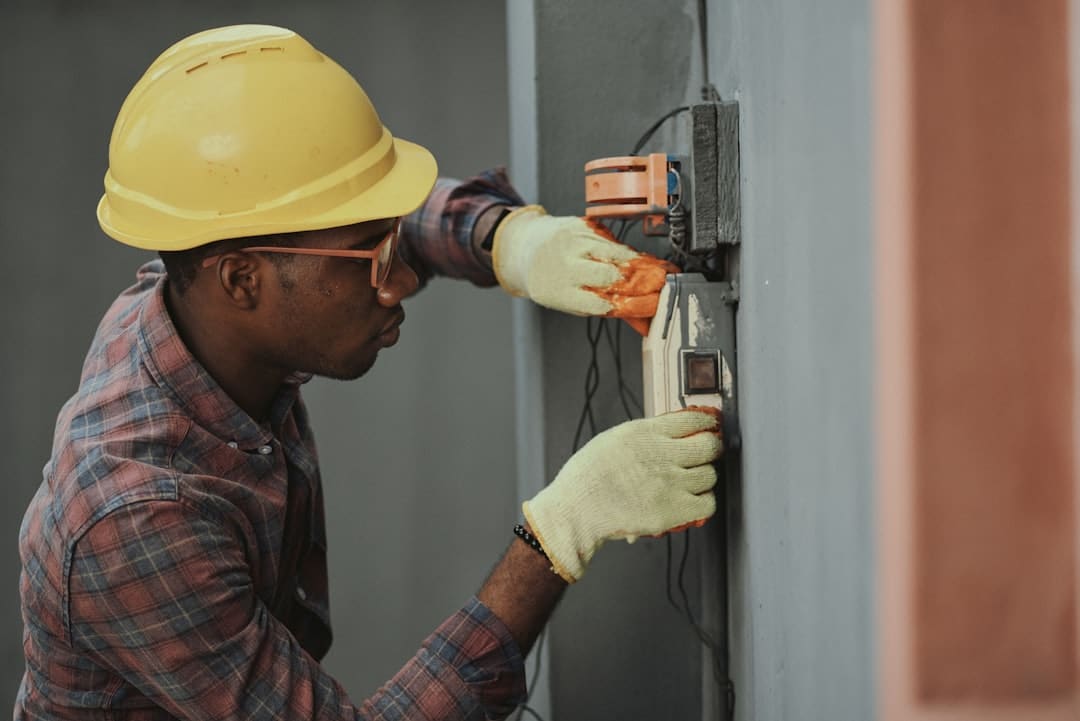
Predictive maintenance is a proactive equipment management strategy that uses data analysis and monitoring technologies to forecast potential machinery failures before they occur. This approach differs fundamentally from reactive maintenance, which responds to equipment breakdowns after they happen, and preventive maintenance, which follows predetermined schedules regardless of equipment condition. Organizations implementing predictive maintenance can optimize maintenance timing, minimize unplanned downtime, and maximize asset longevity.
The methodology relies on continuous data collection from sensors and monitoring systems installed on equipment, with this information analyzed to detect patterns and irregularities that signal potential failures. Technological advances in data analytics and machine learning have driven the development of predictive maintenance capabilities. The widespread adoption of Internet of Things (IoT) technologies across industries has enabled the collection of extensive operational datasets from connected equipment.
This data volume supports sophisticated predictive analytics that inform maintenance decision-making processes. The implementation of predictive maintenance systems improves equipment reliability and operational efficiency, establishing it as an essential element in contemporary manufacturing and service operations.
Key Takeaways
- AI enhances predictive maintenance by enabling early detection of equipment failures.
- Implementing AI-driven maintenance improves operational efficiency and reduces downtime.
- Challenges include data quality, integration complexity, and the need for skilled personnel.
- Successful case studies demonstrate significant cost savings and improved asset lifespan.
- Future trends point to more advanced AI models and seamless integration into maintenance workflows.
The Role of AI in Predictive Maintenance
Artificial Intelligence (AI) plays a pivotal role in enhancing the effectiveness of predictive maintenance strategies. By employing machine learning algorithms, AI can analyze historical and real-time data to identify trends and predict future equipment behavior with remarkable accuracy. These algorithms can process vast datasets far beyond human capability, allowing for the detection of subtle patterns that may indicate potential failures.
For instance, AI can analyze vibration data from rotating machinery to identify unusual patterns that precede mechanical failures, enabling maintenance teams to intervene before a breakdown occurs. Moreover, AI-driven predictive maintenance systems can continuously learn and adapt over time. As more data is collected, these systems refine their predictive models, improving their accuracy and reliability.
This self-improving capability is particularly beneficial in complex industrial environments where equipment operates under varying conditions. For example, an AI system might learn that a specific machine tends to fail more frequently during high-temperature operations, allowing it to adjust its predictions accordingly. This dynamic adaptability ensures that organizations can stay ahead of potential issues, minimizing unplanned downtime and optimizing maintenance schedules.
Benefits of Using AI for Predictive Maintenance
The integration of AI into predictive maintenance offers numerous benefits that can significantly enhance operational efficiency and reduce costs. One of the most notable advantages is the reduction in unplanned downtime. By accurately predicting when equipment is likely to fail, organizations can schedule maintenance activities during non-peak hours or planned shutdowns, thereby minimizing disruptions to production processes.
This proactive approach not only saves time but also helps maintain consistent output levels, which is crucial for meeting customer demands. In addition to reducing downtime, AI-driven predictive maintenance can lead to substantial cost savings. Traditional maintenance practices often involve unnecessary servicing or replacement of parts based on fixed schedules rather than actual equipment condition.
By utilizing AI to monitor equipment health in real-time, organizations can avoid these unnecessary expenses and allocate resources more effectively. For example, a manufacturing plant that implements AI-based predictive maintenance may find that it can extend the life of its machinery by addressing issues only when they arise, rather than adhering to arbitrary maintenance schedules. This targeted approach not only conserves financial resources but also contributes to sustainability efforts by reducing waste associated with premature part replacements.
Challenges and Limitations of AI in Predictive Maintenance
Despite the numerous advantages of AI in predictive maintenance, several challenges and limitations must be addressed for successful implementation. One significant hurdle is the quality and availability of data. For AI algorithms to function effectively, they require high-quality data that accurately reflects the operational conditions of the equipment being monitored.
In many cases, organizations may struggle with incomplete or inconsistent data due to legacy systems or inadequate sensor networks. This lack of reliable data can hinder the accuracy of predictions and lead to misguided maintenance decisions. Another challenge lies in the complexity of integrating AI solutions into existing maintenance frameworks.
Many organizations have established processes and systems that may not be compatible with new AI technologies. The transition to an AI-driven predictive maintenance strategy often requires significant changes in organizational culture, employee training, and investment in new technologies. Resistance to change among staff can also pose a barrier, as employees may be hesitant to trust AI-generated insights over their own experience and intuition.
Overcoming these challenges necessitates a comprehensive change management strategy that emphasizes the benefits of AI while providing adequate support and training for personnel.
Case Studies of Successful Implementation of AI in Predictive Maintenance
| Metric | Traditional Maintenance | AI-Driven Predictive Maintenance | Impact |
|---|---|---|---|
| Equipment Downtime | 10-20% annually | 2-5% annually | Up to 80% reduction in downtime |
| Maintenance Costs | High due to reactive repairs | Reduced by 20-40% | Significant cost savings |
| Failure Prediction Accuracy | Low (based on scheduled checks) | 85-95% accuracy using AI models | Improved reliability and planning |
| Mean Time to Repair (MTTR) | Hours to days | Reduced by 30-50% | Faster recovery from issues |
| Asset Lifespan | Standard expected lifespan | Extended by 10-20% | Better return on investment |
| Safety Incidents | Higher risk due to unexpected failures | Reduced incidents by up to 25% | Improved workplace safety |
| Data Utilization | Minimal, manual data analysis | Real-time sensor data and AI analytics | Enhanced decision-making |
Several organizations across various industries have successfully implemented AI-driven predictive maintenance strategies, showcasing the tangible benefits of this approach. One notable example is Siemens, which has integrated AI into its manufacturing processes to enhance equipment reliability and reduce downtime. By utilizing machine learning algorithms to analyze sensor data from its production lines, Siemens has been able to predict equipment failures with high accuracy.
This proactive approach has resulted in significant reductions in unplanned downtime and has allowed the company to optimize its maintenance schedules effectively. Another compelling case study comes from General Electric (GE), which has leveraged AI for predictive maintenance in its aviation division. GE developed a system called Predix that analyzes data from aircraft engines in real-time.
By monitoring various parameters such as temperature, pressure, and vibration, Predix can predict potential failures before they occur. This capability has enabled airlines to perform targeted maintenance on their fleets, reducing operational disruptions and enhancing safety. The success of GE’s implementation demonstrates how AI can transform traditional maintenance practices into more efficient and effective strategies.
Future Trends and Developments in AI for Predictive Maintenance

As technology continues to evolve, several trends are emerging that will shape the future of AI in predictive maintenance. One significant trend is the increasing adoption of edge computing, which allows data processing to occur closer to the source rather than relying solely on centralized cloud systems. This shift enables real-time analysis of data generated by machinery, facilitating quicker decision-making and reducing latency issues associated with cloud-based solutions.
Edge computing will enhance the effectiveness of AI algorithms by providing timely insights that can be acted upon immediately. Another trend is the growing emphasis on explainable AI (XAI). As organizations become more reliant on AI-driven insights for critical decision-making processes, there is a pressing need for transparency in how these algorithms arrive at their predictions.
Explainable AI aims to provide clarity on the decision-making processes of machine learning models, allowing users to understand the rationale behind specific predictions. This transparency will foster greater trust among maintenance teams and facilitate better collaboration between human expertise and AI capabilities.
Best Practices for Integrating AI into Predictive Maintenance Strategies
To successfully integrate AI into predictive maintenance strategies, organizations should adhere to several best practices that promote effective implementation and maximize benefits. First and foremost, it is essential to establish a robust data infrastructure that ensures high-quality data collection and management. Organizations should invest in modern sensor technologies and IoT devices that can capture relevant operational data accurately.
Additionally, implementing data governance practices will help maintain data integrity and consistency across systems. Training personnel on both the technical aspects of AI technologies and the importance of predictive maintenance is another critical best practice. Employees should be equipped with the skills necessary to interpret AI-generated insights and understand how these insights can inform their decision-making processes.
Fostering a culture of collaboration between human expertise and AI capabilities will enhance overall effectiveness and ensure that teams are aligned in their approach to maintenance activities.
The Importance of AI in Driving Efficiency and Cost Savings in Industrial Maintenance
The integration of artificial intelligence into predictive maintenance represents a transformative shift in how organizations manage their assets and optimize operational efficiency. By harnessing the power of data analytics and machine learning, companies can anticipate equipment failures before they occur, significantly reducing unplanned downtime and associated costs.
The journey toward effective implementation may present challenges; however, the potential rewards far outweigh these obstacles. Organizations that embrace this innovative approach will not only enhance their operational reliability but also contribute positively to their bottom line through cost savings and improved resource allocation. As technology continues to advance, the role of AI in predictive maintenance will only grow more significant, paving the way for smarter, more efficient industrial practices that benefit both businesses and their customers alike.
In the realm of industrial efficiency, understanding the role of AI in predictive maintenance is crucial. For those interested in exploring how technology enhances productivity, a related article on the best laptops for graphic design in 2023 can provide insights into the tools that support advanced software applications, including AI-driven maintenance solutions. You can read more about it here: The Best Laptops for Graphic Design in 2023.
FAQs
What is predictive maintenance?
Predictive maintenance is a strategy that uses data analysis and monitoring tools to predict when equipment or machinery is likely to fail, allowing maintenance to be performed just in time to prevent unexpected breakdowns.
How does AI contribute to predictive maintenance?
AI contributes by analyzing large volumes of sensor data, identifying patterns, and predicting potential equipment failures with high accuracy. Machine learning algorithms can detect anomalies and forecast maintenance needs before issues occur.
Why is AI essential for predictive maintenance in industry?
AI is essential because it enhances the accuracy and efficiency of maintenance predictions, reduces downtime, lowers maintenance costs, and improves overall operational reliability by enabling proactive rather than reactive maintenance.
What types of AI technologies are used in predictive maintenance?
Common AI technologies include machine learning, deep learning, natural language processing, and computer vision, which help in analyzing sensor data, detecting anomalies, and interpreting maintenance logs or images.
Can predictive maintenance with AI be applied to all industries?
Yes, AI-driven predictive maintenance can be applied across various industries such as manufacturing, energy, transportation, aerospace, and utilities, wherever machinery and equipment require regular upkeep.
What are the benefits of using AI for predictive maintenance?
Benefits include reduced unplanned downtime, extended equipment lifespan, optimized maintenance schedules, cost savings, improved safety, and better resource allocation.
Is AI predictive maintenance expensive to implement?
While initial setup costs can be significant due to sensor installation and AI system development, the long-term savings from reduced downtime and maintenance costs often outweigh the investment.
How does AI handle data in predictive maintenance?
AI systems collect and process real-time data from sensors, historical maintenance records, and operational logs to train models that can predict failures and recommend maintenance actions.
What challenges exist in implementing AI for predictive maintenance?
Challenges include data quality and availability, integration with existing systems, the need for skilled personnel, and ensuring the AI models remain accurate over time with changing equipment conditions.
How can companies get started with AI-based predictive maintenance?
Companies can start by identifying critical equipment, installing necessary sensors, collecting data, partnering with AI solution providers, and gradually integrating AI models into their maintenance workflows.