

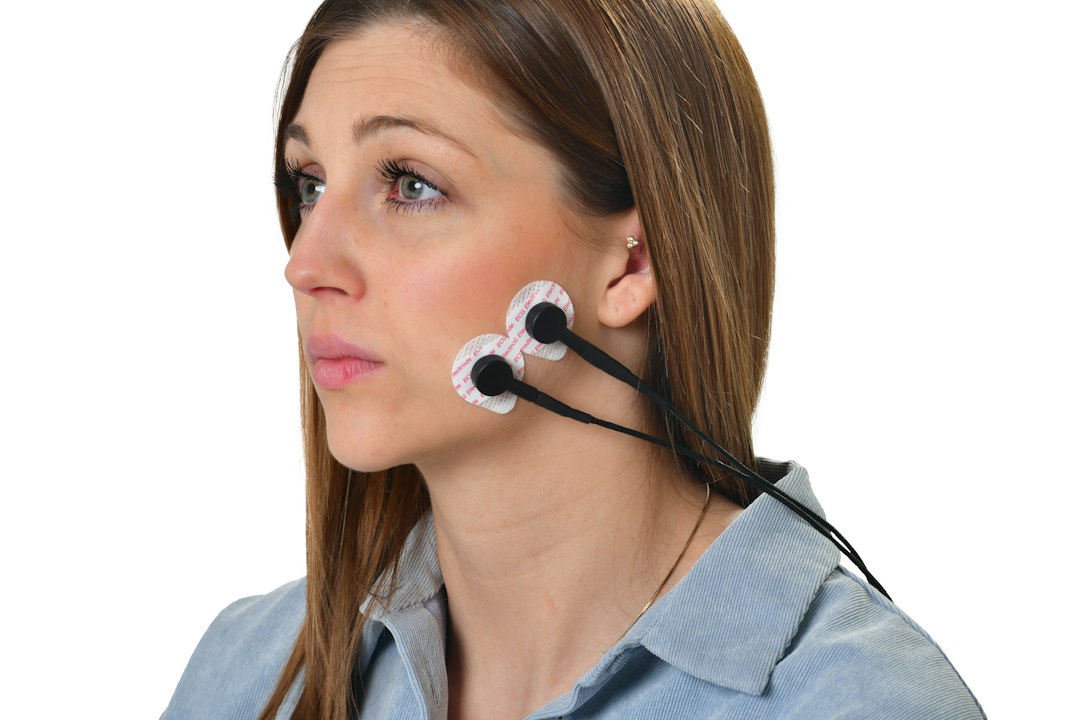
Wearables are becoming increasingly sophisticated tools for monitoring neurological activity, offering a promising avenue for detecting early signs of conditions like Parkinsonian tremors and seizure activity long before they might otherwise be noticed. This isn’t about replacing your doctor, but about providing them (and you!) with a richer, more continuous stream of data that can lead to earlier interventions and better management. Think of it as having a silent, diligent assistant constantly gathering insights into your body’s subtle neurological cues.
The Power of Continuous Monitoring
One of the biggest hurdles in diagnosing and managing neurological conditions is their often intermittent and unpredictable nature. A person might experience a tremor or a brief seizure episode at home, but by the time they see a doctor, the symptoms might be absent. This “snapshot” approach can make diagnosis challenging and delay crucial interventions. Wearable technology, however, changes the game by offering continuous, long-term data collection.
This constant stream of information allows for the identification of patterns, frequencies, and even subtle changes that would be impossible to catch during a brief clinical visit. Imagine a device that records every tremor, its intensity, and when it occurs. Or a sensor that logs every tiny electrical fluctuation indicative of an impending seizure. This isn’t just about recording an event; it’s about understanding its context and evolution over time.
Why Traditional Methods Fall Short
Traditional neurological assessment often relies on patient self-reporting, which can be subjective and incomplete.
People might not remember every detail, or they might downplay symptoms.
Clinical observations are also limited to the time spent with a healthcare professional, which is usually a small fraction of a person’s day. Lab tests and imaging scans provide valuable insights but are often reactive, occurring after symptoms have become noticeable.
These methods, while essential, create gaps in understanding a condition’s progression. For instance, diagnosing Parkinson’s disease often occurs when motor symptoms are already quite established. Similarly, tracking seizure activity can be difficult, as many events happen outside of a controlled medical environment. Wearables aim to bridge these gaps, providing objective, real-world data that complements traditional diagnostic approaches.
The Role of Passive Data Collection
The beauty of many wearable devices for neurological monitoring lies in their passive data collection. Users don’t need to actively input information or perform specific tasks for the device to gather data. This means the information collected reflects a person’s natural behavior and daily routines, providing a more authentic picture of their condition.
For example, a smartwatch equipped with accelerometers and gyroscopes can quietly track movement patterns throughout the day, looking for subtle changes in gait or the presence of tremors during everyday activities. This background monitoring minimizes user burden and ensures a more consistent data stream, making it easier to identify trends and deviations from a person’s baseline.
In the realm of wearable technology, advancements are being made not only in fitness tracking but also in neurological monitoring, as highlighted in the article on Wearables for Neurological Monitoring: Detecting Early Parkinsonian Tremors and Seizure Activity. This innovative approach aims to provide early detection of neurological disorders, potentially transforming patient care. For those interested in exploring how technology can enhance various aspects of life, including social media management, you might find this article on the best software for social media management in 2023 insightful: The Best Software for Social Media Management in 2023.
Key Takeaways
- The training data includes information and events up to October 2023.
- Insights and knowledge are based on a wide range of sources available until the cutoff date.
- No updates or developments occurring after October 2023 are included in the training.
- Users should verify current information from reliable sources for the latest updates.
- The model’s responses reflect the context and knowledge available up to the specified date.
Detecting Early Parkinsonian Tremors
Parkinson’s disease is a progressive neurological disorder primarily affecting movement. One of its most well-known symptoms is a resting tremor, which often begins subtly in one limb. Detecting these tremors early is crucial because interventions started earlier can often help manage symptoms more effectively and potentially slow disease progression. Wearable technology is showing significant promise in this area.
How Wearables Identify Tremors
Most wearables designed for tremor detection utilize accelerometers and gyroscopes. These sensors are miniature devices that can measure acceleration and angular velocity, respectively. When a person experiences a tremor, their limb undergoes repetitive, involuntary movements. Accelerometers can quantify the frequency and amplitude of these movements.
For Parkinsonian tremors, specifically, the resting tremor often has a characteristic frequency range, typically between 4-6 Hz. Algorithms within the wearable device or associated software can filter out other movements (like voluntary actions) and identify these specific frequency patterns. Some advanced devices also incorporate electromyography (EMG) sensors, which measure electrical activity produced by skeletal muscles, providing another layer of data to confirm involuntary muscle contractions associated with tremors.
Beyond Simple Tremor Detection
It’s not just about detecting a tremor; it’s about understanding its characteristics. Wearables can provide data on:
- Frequency: How many cycles per second the tremor completes.
- Amplitude: The intensity or magnitude of the tremor.
- Duration: How long each tremor episode lasts.
- Laterality: Which side of the body is affected.
- Variability: How these characteristics change over time and in different situations (e.g., stress, medication timing).
This detailed information is invaluable for clinicians. It helps them differentiate Parkinsonian tremors from other types of tremors (like essential tremor, which typically has a higher frequency) and track the effectiveness of medications. For instance, if a medication is working well, the frequency and amplitude of tremors might decrease.
Challenges and Future Directions
While promising, detecting early Parkinsonian tremors with wearables isn’t without its challenges. Differentiating between actual tremors and other common movements (like fidgeting or hand gestures) requires sophisticated algorithms. Noise from daily activities can also interfere with sensor readings.
Future developments are focusing on improving algorithm accuracy through machine learning, integrating data from multiple sensors for a more robust picture, and developing more discreet and comfortable devices. The goal is to create devices that can not only detect tremors but also predict their occurrence or identify subtle pre-motor symptoms that might precede visible tremors, offering an even earlier window for intervention.
Monitoring Seizure Activity
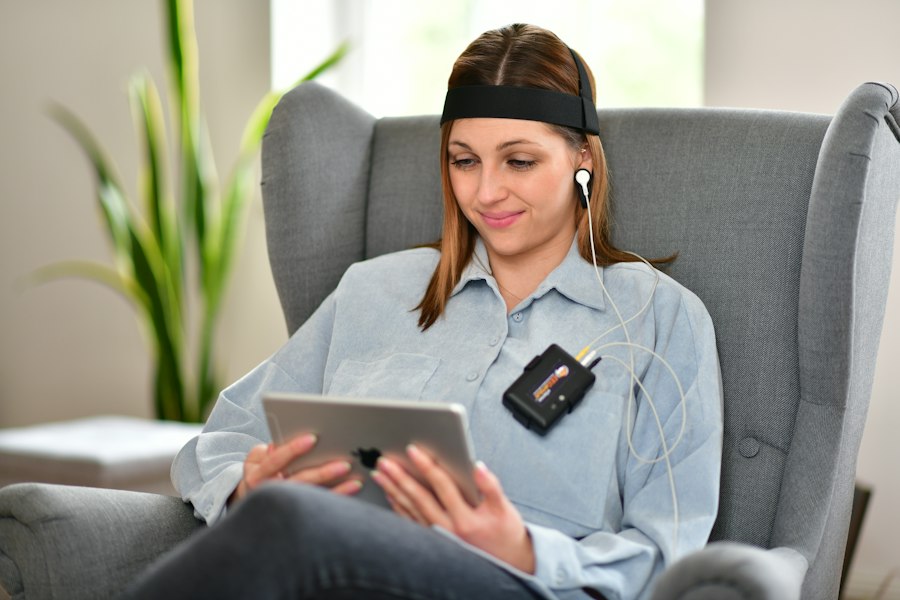
Epilepsy is a neurological disorder characterized by recurrent, unprovoked seizures. Seizures can manifest in various ways, from subtle moments of absent-mindedness to dramatic convulsions. Accurately monitoring seizure activity is crucial for diagnosis, medication management, and improving the safety and quality of life for individuals with epilepsy. Wearables are emerging as powerful tools in this domain, especially for detecting certain types of seizures.
Types of Seizures and Wearable Detection
While not all types of seizures are easily detectable by current wearable technology, significant progress has been made, particularly for generalized tonic-clonic seizures (GTCS), often referred to as grand mal seizures.
These seizures involve a loss of consciousness and widespread muscle contractions, leading to rhythmic jerking movements.
- Accelerometer and Gyroscope Sensors: Similar to tremor detection, these sensors are excellent at picking up the rapid, repetitive movements associated with the tonic-clonic phase of a seizure. Algorithms are trained to recognize these specific movement patterns, differentiating them from normal activities like exercise or falls.
- Heart Rate Sensors: During a seizure, especially a GTCS, there can be significant changes in heart rate. Many wearables already incorporate optical heart rate sensors, and these can provide an additional data point, looking for sudden spikes or drops in heart rate that correlate with detected movement patterns.
- Electrodermal Activity (EDA) Sensors: Also known as galvanic skin response, EDA measures changes in the electrical conductivity of the skin, which is influenced by sweat gland activity.
Seizures, particularly those involving the autonomic nervous system, can trigger changes in EDA. Some research-grade wearables are beginning to integrate these sensors to add another layer of detection.
Alerting and Data Logging
One of the most immediate practical benefits of seizure-detecting wearables is the ability to send alerts. If a device detects a suspected seizure, it can automatically notify a caregiver, family member, or emergency services via a paired smartphone.
This can be life-saving, especially for individuals who live alone or experience seizures at night.
Beyond immediate alerts, these devices log detailed information about each suspected seizure event:
- Time and Date: Precise timing of the event.
- Duration: How long the suspected seizure lasted.
- Intensity: Based on the magnitude of movement.
- Location: Using GPS data from a paired phone, if available.
- Associated Physiological Changes: Heart rate, EDA, if recorded.
This comprehensive data provides clinicians with a much clearer picture of seizure frequency, patterns, and potential triggers. It can help them evaluate the effectiveness of anti-epileptic medications, adjust dosages, or explore alternative treatments.
Addressing the Challenges of Seizure Monitoring
The biggest challenge in seizure monitoring with wearables is accuracy. False positives (mistaking a non-seizure event for a seizure) can cause unnecessary anxiety, while false negatives (missing a real seizure) can be dangerous.
Researchers are constantly refining algorithms using machine learning and large datasets of actual seizure events to improve specificity and sensitivity.
Another challenge is detecting non-motor seizures, such as absence seizures or focal aware seizures, which do not involve noticeable physical movements. These seizures are much harder to detect with current motion-based wearables. Future directions include integrating more sophisticated biosensors, like miniature EEG (electroencephalography) sensors, directly into wearables to detect electrical brain activity.
While full, clinical-grade EEG is bulky, simplified, single-channel EEG patches or headbands are being explored for this purpose.
The Underlying Technology: Sensors and Algorithms
The magic behind these neurological wearables lies in a combination of sophisticated hardware (sensors) and intelligent software (algorithms). Understanding these basic components helps demystify how these devices work.
Essential Sensor Types
- Accelerometers: These measure acceleration, which is the rate of change of velocity. In simpler terms, they detect changes in motion – speed and direction. For neurological monitoring, they are crucial for detecting repetitive movements like tremors or the jerking associated with seizures. They can also track posture and gait.
- Gyroscopes: Gyroscopes measure angular velocity, or the rate of rotation. While accelerometers detect linear motion, gyroscopes detect rotational motion. Used in conjunction with accelerometers, they provide a more complete picture of limb movement and orientation in space.
- Heart Rate Sensors (PPG): Most wearables use photoplethysmography (PPG) to measure heart rate. This technology uses LEDs to shine light into the skin and photodiodes to detect changes in light absorption, which correspond to blood flow pulsatility. Changes in heart rate can be indicative of physiological stress during a seizure or other neurological events.
- Electrodermal Activity (EDA) Sensors: These sensors measure the electrical conductance of the skin. Sweat glands, which are innervated by the sympathetic nervous system, alter skin conductance. Neurological events, stress, and emotions can trigger sympathetic responses, leading to changes in EDA.
- Electromyography (EMG) Sensors (Emerging): EMG measures the electrical activity of muscles. While typically used in clinical settings with electrodes placed on the skin, miniaturized EMG sensors are being explored for wearables to provide direct evidence of muscle contraction and differentiate between different types of movements.
- Electroencephalography (EEG) Sensors (Future Focus): EEG measures electrical activity in the brain. Current wearable EEG systems are often limited in the number of electrodes and signal quality compared to clinical EEGs, but simplified versions are being developed for monitoring specific brainwave patterns associated with seizures or sleep disorders.
The Role of Smart Algorithms and Machine Learning
Raw sensor data is just noise without intelligent processing. This is where algorithms come in.
- Signal Processing: The first step is to clean up the sensor data. This involves filtering out noise (like vibrations from walking, random arm swings, or electrical interference) and isolating the relevant signals. For tremors, this means identifying specific frequency bands. For seizures, it means recognizing repetitive, high-amplitude movements.
- Feature Extraction: Once the signal is clean, algorithms extract “features” – specific characteristics of the data that are relevant to the neurological event being monitored. For example, tremor features might include frequency, amplitude, and periodicity. Seizure features might include the rate of movement, duration of high-intensity activity, and patterns of movement.
- Classification (Machine Learning): This is where machine learning shines. Algorithms are trained on vast datasets of both healthy individuals and individuals with specific neurological conditions. They learn to identify patterns in the extracted features that correspond to, for example, a Parkinsonian tremor versus an essential tremor, or a seizure versus a fall. Supervised learning models, where the algorithm is fed labeled data (e.g., “this data segment is a seizure,” “this is not a seizure”), are commonly used.
- Personalization: Over time, some advanced wearables and their associated software can learn a user’s individual baseline and patterns. This personalization helps improve accuracy by tailoring the detection thresholds and algorithms to the unique physiology and movement characteristics of each individual, reducing false positives and negatives.
The continuous feedback loop between sensor data collection, algorithm refinement, and real-world validation is key to making these wearable technologies increasingly reliable and useful for neurological monitoring.
Recent advancements in wearable technology have significantly enhanced the ability to monitor neurological conditions, particularly in detecting early Parkinsonian tremors and seizure activity. A related article discusses the best laptops for graphic design in 2023, which highlights the importance of having reliable devices for professionals working in health tech and research. These tools can facilitate the development of innovative wearables that improve patient outcomes. For more insights, you can read the article here.
Integration into Healthcare and Future Outlook
| Metric | Description | Typical Range/Value | Relevance to Neurological Monitoring |
|---|---|---|---|
| Tremor Frequency (Hz) | Frequency of detected tremor oscillations | 4 – 6 Hz (Parkinsonian tremors) | Helps differentiate Parkinsonian tremors from other tremor types |
| Tremor Amplitude (m/s²) | Acceleration magnitude of tremor movements | 0.1 – 2.0 m/s² | Quantifies severity and progression of tremors |
| Seizure Detection Sensitivity (%) | Percentage of actual seizures correctly identified | 85% – 95% | Indicates reliability of wearable in detecting seizure events |
| Seizure Detection Specificity (%) | Percentage of non-seizure events correctly identified as such | 80% – 90% | Reduces false alarms in seizure monitoring |
| Battery Life (hours) | Duration wearable can operate continuously | 24 – 72 hours | Ensures continuous monitoring without frequent recharging |
| Data Sampling Rate (Hz) | Frequency at which sensor data is recorded | 50 – 200 Hz | Higher rates improve detection accuracy of tremors and seizures |
| Latency (seconds) | Time delay between event occurrence and detection alert | < 5 seconds | Critical for timely intervention during seizures |
| Wearable Weight (grams) | Physical weight of the device | 20 – 50 grams | Impacts user comfort and compliance |
The goal of neurological wearables isn’t to replace medical professionals but to empower them with more data and provide individuals with greater insight into their own health. The effective integration of these devices into existing healthcare pathways is crucial for their long-term success.
Bridging the Gap Between Data and Clinical Action
Collecting vast amounts of data is only useful if it can be easily interpreted and acted upon by healthcare providers. This requires:
- User-Friendly Interfaces: Data needs to be presented in a clear, concise, and easily digestible format for clinicians, highlighting key trends, anomalies, and event logs.
- Data Security and Privacy: Handling sensitive health data requires robust security measures and strict adherence to privacy regulations (like HIPAA in the US or GDPR in Europe).
- Interoperability: Ideally, data from wearables should be able to integrate seamlessly with electronic health records (EHRs) to provide a holistic view of a patient’s health. This is a significant challenge, but progress is being made.
- Clinical Validation: Before widespread adoption, wearable devices need rigorous clinical validation to prove their accuracy, reliability, and clinical utility. This often involves large-scale studies comparing wearable data to gold-standard clinical assessments.
The Role of Telemedicine and Remote Monitoring
Wearables are a natural fit for telemedicine and remote patient monitoring models. They allow clinicians to track a patient’s condition from afar, reducing the need for frequent in-person visits, which can be particularly beneficial for individuals with mobility challenges or those living in rural areas.
Remote monitoring enables:
- Proactive Adjustments: Clinicians can make timely adjustments to medication or treatment plans based on continuous data, rather than waiting for scheduled appointments.
- Early Intervention: Detecting worsening symptoms or new events early can prevent complications and lead to better outcomes.
- Personalized Care: A deeper understanding of a patient’s daily patterns and responses to treatment allows for more personalized and effective care strategies.
Future Directions: Beyond Detection
The field of neurological wearables is rapidly evolving, with several exciting future directions:
- Predictive Analytics: Moving beyond just detecting events to predicting them. Could a wearable predict an impending seizure hours before it occurs? Could it identify subtle changes indicative of disease progression before symptoms become overt?
- Biofeedback and Intervention: Some devices might not just monitor but also provide real-time biofeedback to users to help manage symptoms. For example, a device could alert someone if their tremor intensity is increasing, prompting them to take a break or adjust their posture.
- Multi-Modal Sensing: Combining data from an even wider array of sensors (e.g., brain activity, eye movements, voice analysis, sleep patterns) to create a more comprehensive picture of neurological health.
- Non-Invasive Brain Stimulation: While still largely in the research phase, some wearables are exploring the integration of non-invasive brain stimulation techniques (like transcranial direct current stimulation or focused ultrasound) for therapeutic purposes, moving from monitoring to direct intervention.
- Personalized Drug Delivery: Future systems might integrate with smart drug delivery systems, automatically administering medication based on real-time physiological data.
While challenges remain in terms of accuracy, integration, and regulatory approval, the potential of neurological wearables to transform how we detect, monitor, and manage conditions like Parkinson’s and epilepsy is immense. They offer a future where individuals have more control over their health, and clinicians have unprecedented insight, leading to earlier diagnosis, more effective treatments, and ultimately, a better quality of life.
FAQs
What are wearables for neurological monitoring?
Wearables for neurological monitoring are devices designed to track and analyze physiological signals related to neurological conditions. These devices can monitor various parameters such as movement, tremors, and seizure activity, providing real-time data that can help in the early detection and management of conditions like Parkinson’s disease and epilepsy.
How do wearables detect early Parkinsonian tremors?
Wearables detect early Parkinsonian tremors by utilizing sensors that measure movement patterns and muscle activity. These devices often include accelerometers and gyroscopes that can capture subtle changes in motion, allowing for the identification of tremors that may indicate the onset of Parkinson’s disease.
Can wearables help in managing seizure activity?
Yes, wearables can help in managing seizure activity by continuously monitoring physiological signals such as heart rate, movement, and electroencephalogram (EEG) data. When abnormal patterns are detected, the device can alert the user or caregivers, enabling timely intervention and potentially reducing the risk of injury during a seizure.
What are the benefits of using wearables for neurological monitoring?
The benefits of using wearables for neurological monitoring include continuous data collection, early detection of symptoms, improved patient engagement, and enhanced communication between patients and healthcare providers. These devices can also facilitate personalized treatment plans based on real-time data analysis.
Are there any limitations to wearables for neurological monitoring?
Yes, there are limitations to wearables for neurological monitoring, including potential issues with accuracy, battery life, and user compliance. Additionally, the effectiveness of these devices can vary based on individual differences in physiology and the specific neurological condition being monitored.
Enjoying our content? Make us a preferred source on Google:
Add us as a Preferred Source on Google