

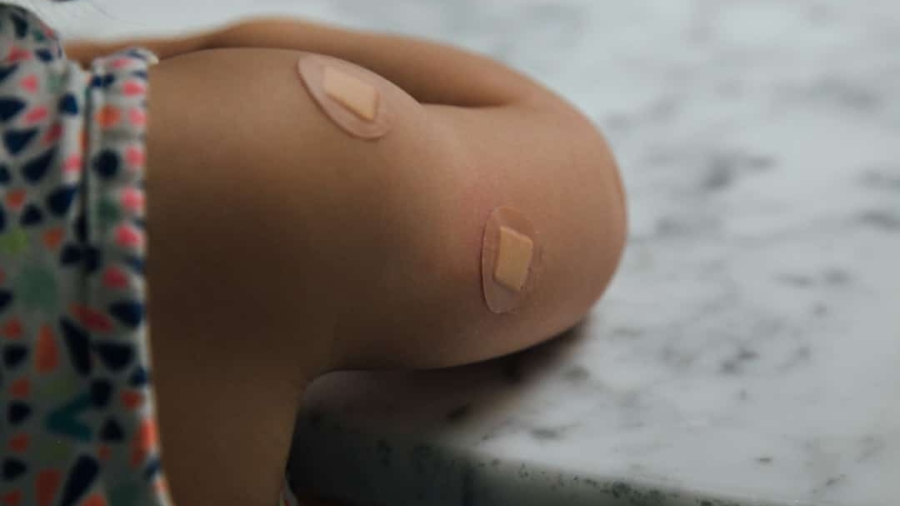
Thinking about how we get medicine into our bodies, you might picture pills or needles. But there’s a super interesting and convenient option emerging: wearable patches that deliver drugs right through your skin. Essentially, these patches stick to you like a bandage but are designed to steadily release medication into your bloodstream over time. It’s a game-changer for many, offering a much more comfortable and often more effective way to manage various health conditions.
So, why are these patches becoming such a big deal? Well, traditional drug delivery methods, while effective, often come with their own set of challenges. Patches aim to tackle many of these head-on, making medication a bit less of a hassle and often more beneficial.
Bypassing First-Pass Metabolism
When you swallow a pill, it goes on a journey through your digestive system and then gets processed by your liver. This “first-pass metabolism” can sometimes reduce the amount of active drug that actually reaches your bloodstream, meaning you might need a higher dose or experience less consistent effects. Patches, however, bypass this whole process. The medication goes directly through your skin into your capillaries, leading to a much more direct route to your system. This often translates to a more predictable drug concentration and potentially fewer side effects related to liver processing. Think of it like a direct lane for the drug, skipping the heavy traffic.
Eliminating the Need for Injections
Let’s be honest, most people aren’t thrilled about needles. For conditions that require frequent injections, like diabetes or certain autoimmune diseases, the constant pricking can be painful, stressful, and even lead to issues like skin irritation or infection. Wearable patches offer a needle-free alternative, which is a huge relief for many, especially children or those with needle phobias. It turns a potentially unpleasant daily routine into something much simpler – just stick on a patch.
Enhancing Patient Adherence
Remembering to take pills multiple times a day or scheduling regular injections can be tough, especially for busy individuals or those with cognitive impairments. It’s easy to miss a dose, which can impact the effectiveness of the treatment. Patches, on the other hand, are often designed for extended wear – sometimes for a day, a week, or even longer. You apply it and largely forget about it until it’s time to replace it. This significantly improves adherence, meaning people are more likely to get the full benefit of their prescribed medication. Less worry about remembering a pill, more focus on living life.
Wearable patch technology for drug delivery is an innovative approach that enhances patient compliance and medication management. A related article that explores advancements in wearable technology and its applications can be found at Discover the Best Tablet for On-Stage Lyrics Today. This article discusses how portable devices, including tablets, are transforming various fields, including healthcare, by providing seamless access to information and improving user experience.
Key Takeaways
- Clear communication is essential for effective teamwork
- Active listening is crucial for understanding team members’ perspectives
- Setting clear goals and expectations helps to keep the team focused
- Regular feedback and open communication can help address any issues early on
- Celebrating achievements and milestones can boost team morale and motivation
How Patches Work Their Magic
It might seem almost magical that a patch can deliver medicine, but there’s some clever science behind it. Different patches use different techniques, depending on the drug and the intended effect.
Passive Diffusion Through the Skin
This is the most common and simplest method. Imagine your skin as a slightly porous barrier. For certain drugs, mainly those that are relatively small and fat-soluble, they can gradually seep through your outermost skin layer (the stratum corneum) and into the capillaries below. It’s like gentle, constant trickle rather than a sudden gush. The concentration of the drug in the patch is higher than in your skin, creating a gradient that drives the movement of the drug. Think of it like water flowing downhill – it naturally moves from an area of high concentration to low concentration. This method is effective for drugs that need a slow, sustained release.
Microneedle Patches: Tiny Punctures for Big Impact
Sometimes, drugs are either too large or not fat-soluble enough to passively diffuse through the skin. This is where microneedle patches come in. These aren’t like traditional needles; they contain hundreds or thousands of microscopic needles, often less than a millimeter long. When pressed onto the skin, these tiny needles create microscopic punctures, forming pathways for the drug to enter. Critically, these needles are usually so small that they don’t reach nerve endings, making the process virtually painless. These patches can deliver a wider range of drugs, including larger molecules like proteins and vaccines, which wouldn’t otherwise get through the skin. It’s a clever way to temporarily open up the skin’s protective barrier without causing discomfort.
Iontophoresis and Electroporation: Electrical Assists
For drugs that struggle with both passive diffusion and microneedles, technology offers an electrical hand.
Iontophoresis: Gentle Electrical Push
Imagine using a tiny, harmless electrical current to gently push charged drug molecules into your skin. That’s essentially what iontophoresis does. The patch contains electrodes that apply a low-level electrical current, which propels ionized (charged) drug molecules across the skin barrier. This method allows for more precise control over the delivery rate and can be turned on or off. It’s particularly useful for drugs that are water-soluble and have an electrical charge.
Electroporation: Temporarily Opening Pathways
Similar to iontophoresis, electroporation also uses electrical impulses. However, instead of pushing charged molecules, it temporarily creates tiny, reversible pores in the skin cells. These pores act as temporary gateways, allowing larger or less permeable drugs to pass through. Once the electrical pulse stops, the pores close up. This method offers another avenue for delivering a broader range of complex molecules.
Sonophoresis: Ultrasonic Vibrations
This technique uses high-frequency ultrasound waves to enhance drug delivery. The ultrasonic vibrations create temporary disruptions in the skin’s lipid layers, making them more permeable.
This allows drugs, particularly larger molecules, to pass through more easily.
It’s a non-invasive way to increase skin permeability without needles or electrical currents.
Current Applications and Expanding Horizons

Wearable patches aren’t just a future concept; they’re already being used for a variety of conditions, with more on the way.
Pain Management
From chronic pain to post-surgical discomfort, patches offer a steady, localized, or systemic way to manage pain. Fentanyl patches, for instance, are widely used for severe chronic pain, providing continuous relief over several days. Lidocaine patches are excellent for localized pain, such as nerve pain or muscle aches.
This steady delivery can help maintain consistent pain relief without the peaks and valleys often associated with oral pain medications.
Hormone Replacement Therapy
For women going through menopause, estrogen patches provide a convenient and effective way to deliver hormones directly into the bloodstream, alleviating symptoms like hot flashes and night sweats. Testosterone patches are also available for men with low testosterone levels. This method avoids the digestive system, which can sometimes interfere with hormone absorption.
Nicotine Cessation
Nicotine patches are a cornerstone of smoking cessation programs.
They deliver a controlled dose of nicotine through the skin, helping to reduce cravings and withdrawal symptoms without the harmful chemicals found in cigarettes. This gradual reduction in nicotine helps people slowly wean off their addiction.
Cardiovascular Conditions
Nitroglycerin patches are used to prevent angina (chest pain associated with heart disease) by dilating blood vessels. The sustained release helps to maintain consistent blood vessel relaxation, reducing the frequency and severity of angina attacks.
This steady approach is beneficial for managing chronic conditions.
Future Potential: Beyond Current Uses
The exciting thing about this technology is its potential for even wider applications.
Diabetes Management
Imagine a patch that not only monitors glucose levels but also delivers insulin automatically when needed. This closed-loop system is a significant area of research, potentially revolutionizing diabetes care by removing the burden of constant self-monitoring and manual injections. Patches could also be used to deliver other diabetes medications, making management simpler.
Vaccine Delivery
Instead of painful injections, imagine a small, painless patch delivering vaccines.
Microneedle patches are particularly promising here, offering a more patient-friendly way to administer immunizations, which could also be beneficial for large-scale vaccination efforts, especially in remote areas.
Autoimmune Diseases
Many autoimmune conditions require frequent injections of complex biological drugs. Patches could offer a more comfortable and convenient way to deliver these medications, improving the quality of life for patients.
Challenges and Considerations

While wearable patch technology holds immense promise, it’s not without its hurdles. Understanding these is key to realizing its full potential.
Skin Irritation and Allergic Reactions
The skin, while a convenient delivery route, can also be sensitive. Some individuals might experience irritation, redness, itching, or even allergic reactions to the adhesive or components within the patch. This is a common issue with any topical product and requires careful formulation and testing. Finding hypoallergenic materials and optimizing patch design are ongoing efforts.
Limited Drug Permeability
Not all drugs are suitable for transdermal delivery. Drugs that are too large, too water-soluble, or highly charged often struggle to penetrate the skin effectively. This limitation means that patches won’t replace all drug delivery methods, and finding ways to enhance permeability for a wider range of molecules is a key research area.
Dosage Precision and Control
| Technology | Advantages | Challenges |
|---|---|---|
| Wearable Patch | Convenient drug delivery, continuous monitoring, non-invasive | Adhesion to skin, regulatory approval, cost |
Achieving precise and consistent drug delivery can be complex. Factors like skin temperature, hydration, and even individual skin thickness can affect how much drug gets absorbed. While many patches offer steady release, ensuring the exact therapeutic dose reaches the bloodstream consistently for every patient can be a challenge. Active patches (like those using iontophoresis) offer more control but add to complexity.
Cost and Manufacturing Complexity
Developing and manufacturing these sophisticated patches can be expensive, especially those incorporating advanced technologies like microneedles or electrical components. This cost can sometimes limit accessibility, especially for novel or niche applications. Scaling up production while maintaining quality is another significant consideration.
Regulatory Hurdles
Any new drug delivery system, especially one with embedded technology, faces rigorous regulatory scrutiny. Ensuring safety, efficacy, and consistent manufacturing quality is a long and complex process, which can delay the introduction of new patch innovations to the market.
Recent advancements in wearable patch technology for drug delivery have opened new avenues for patient care and medication adherence. A fascinating article discusses the impact of innovative devices on healthcare outcomes, highlighting how these patches can provide controlled and efficient drug release. For those interested in exploring the latest trends in technology that can enhance various fields, including education, you might find this article on the best laptops for teachers in 2023 particularly insightful. You can read it here.
The Future is Sticking
Wearable patch technology is undoubtedly a compelling area in medicine. It offers a patient-centric approach to drug delivery, moving towards greater comfort, convenience, and potentially improved adherence and outcomes. While challenges remain in perfecting the science and expanding its reach, the ongoing advancements, particularly in areas like microneedles and active delivery systems, suggest a future where patches play an increasingly vital role in how we manage our health. It’s an exciting time to watch these smart little bandages transform the landscape of medicine, making treatment a little less invasive and a lot more integrated into our daily lives.
FAQs
What is wearable patch technology for drug delivery?
Wearable patch technology for drug delivery refers to the use of patches that can be worn on the skin to deliver medication into the body. These patches are designed to provide a controlled and continuous release of drugs over a specific period of time.
How does wearable patch technology work?
Wearable patch technology works by using a patch that contains a reservoir of medication. The patch is applied to the skin, and the medication is then released through the skin and into the bloodstream at a controlled rate. This allows for consistent and sustained drug delivery.
What are the advantages of wearable patch technology for drug delivery?
Some advantages of wearable patch technology for drug delivery include improved patient compliance, as the patches are easy to use and require less frequent dosing. They also provide a more consistent drug delivery compared to oral medications, and can reduce the risk of side effects associated with high peak concentrations of drugs in the bloodstream.
What types of medications can be delivered using wearable patch technology?
Wearable patch technology can be used to deliver a wide range of medications, including pain relievers, hormone therapies, nicotine replacement therapy, and medications for conditions such as Parkinson’s disease and motion sickness.
Are there any limitations or drawbacks to wearable patch technology for drug delivery?
Some limitations of wearable patch technology for drug delivery include the limited amount of medication that can be delivered through the skin, as well as potential skin irritation at the application site. Additionally, not all medications are suitable for delivery via wearable patches.
Enjoying our content? Make us a preferred source on Google:
Add us as a Preferred Source on Google