

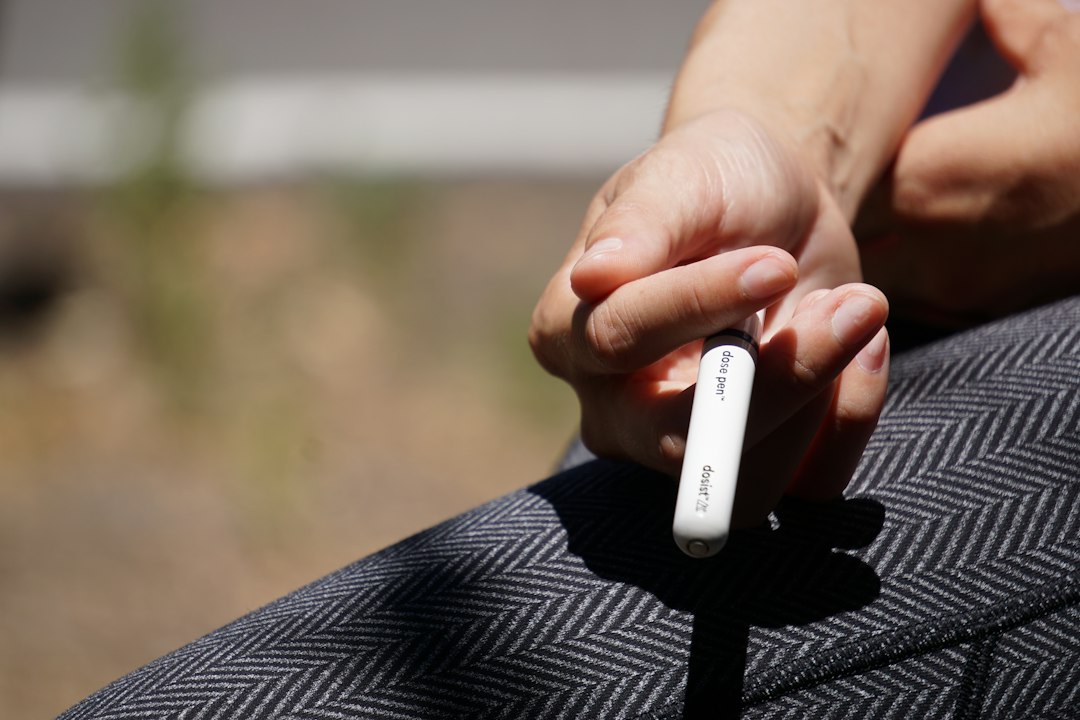
Here’s a breakdown of how wearable devices are making a difference in managing Parkinson’s tremors, offering both immediate relief and valuable data insights. They’re not a cure, but they can significantly improve daily life for many people by either actively reducing tremors or providing information that helps doctors tailor treatment plans better.
Understanding Parkinson’s Tremors and Why They’re So Challenging
Parkinson’s disease is a complex neurodegenerative disorder, and one of its most visible and often debilitating symptoms is tremor. While not everyone with Parkinson’s experiences tremors, for those who do, it can severely impact their quality of life. Imagine trying to drink a glass of water, write a grocery list, or even just hold a conversation when your hand or limb is involuntarily shaking. It’s frustrating, exhausting, and can lead to a loss of independence.
The Nature of Parkinsonian Tremors
Parkiston’s tremors are typically “resting tremors.” This means they occur when the affected body part is at rest and not actively engaged in movement. For instance, your hand might shake while it’s resting on your lap, but the tremor might lessen or even disappear when you intentionally reach for something. This distinguishes them from “action tremors,” which worsen during movement. They often start unilaterally, meaning on one side of the body, and can progress to affect both sides. The frequency usually ranges from 4 to 6 Hz, a fairly consistent rhythm.
Impact on Daily Life
The consequences of tremors go far beyond just the physical act of shaking. Tremors can make it incredibly difficult to perform fine motor tasks, like buttoning a shirt, using cutlery, or typing. This can lead to embarrassment and social isolation. Beyond practical difficulties, the constant physical exertion of trembling can be fatiguing, contributing to the overall exhaustion many people with Parkinson’s experience. There’s also the psychological toll: the frustration, the feeling of losing control, and the potential for depression and anxiety. Effective tremor management, therefore, isn’t just about stopping the shakes; it’s about restoring a sense of normalcy and improving overall well-being.
In the realm of innovative healthcare technology, the development of wearable devices for Parkinson’s tremor management is gaining significant attention. These devices not only provide real-time suppression of tremors but also offer advanced analytics to help patients and healthcare providers monitor progress effectively. For those interested in exploring how technology can enhance project management in various fields, including healthcare, a related article can be found here: Best Software for Project Management. This resource highlights tools that can streamline the development and implementation of such cutting-edge medical devices.
Key Takeaways
- The training data includes information and events up to October 2023.
- Insights and knowledge are based on a wide range of sources available until the cutoff date.
- No updates or developments occurring after October 2023 are included in the training.
- Users should verify current information from reliable sources for the latest updates.
- The model’s responses reflect the context and knowledge available up to the specified date.
How Wearable Devices Tackle Tremor Management
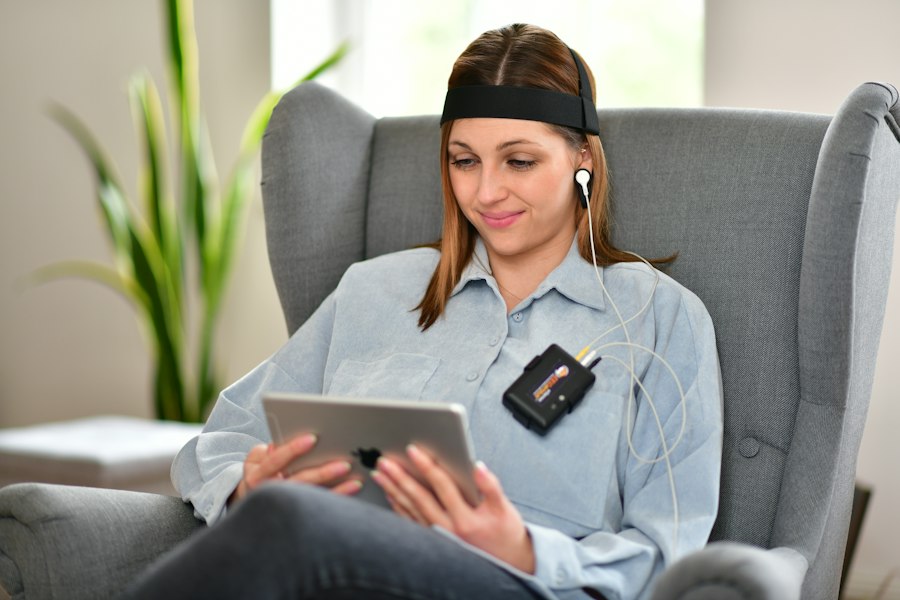
Wearable devices for Parkinson’s tremors generally fall into two main categories: those designed for real-time suppression and those focused on analytics. Some devices cleverly combine both functions, offering a holistic approach.
Devices for Real-Time Tremor Suppression
These wearables are designed to actively reduce or mitigate tremors as they happen. They employ various mechanisms to achieve this, often through mechanical or electrical stimulation.
Mechanical Counter-Oscillation
One fascinating approach involves using small, motorized components within the wearable to generate counter-oscillations. Think of it like canceling out a wave with another wave. If your hand is shaking forward and back, the device might gently push it back and forth in the opposite direction and at the same frequency, effectively dampening the tremor. These devices are often worn on the wrist or hand, much like a watch or a specialized glove. The challenge here is precise synchronization and calibration to match the individual’s unique tremor pattern without causing discomfort or interfering with intentional movement.
Neuromuscular Electrical Stimulation (NMES)
NMES devices deliver small electrical impulses to specific muscles or nerves. The idea is to interfere with the neural signals that are causing the involuntary muscle contractions responsible for the tremor. This isn’t about stimulating movement; rather, it’s about modulating the overactive signals. These devices usually involve electrodes placed on the skin over the target muscles. The intensity and frequency of the electrical pulses are carefully controlled to provide relief without causing pain or unwanted muscle contractions. Research is ongoing to optimize these parameters for different individuals and tremor characteristics.
Targeted Vibration Therapy
Some wearables utilize localized vibration at specific frequencies. The theory behind this is that applying a carefully chosen vibration can disrupt the tremor’s rhythmic pattern, potentially by interfering with sensory feedback loops or by inducing muscle relaxation. These devices are typically small and can be worn discreetly on the affected limb. The effectiveness can vary between individuals, and finding the optimal vibration frequency is key.
Passive Damping and Weighting
While perhaps less technologically advanced than other methods, simple passive damping and weighting can also be incorporated into wearables. A wristband with a strategically placed weight, for example, can increase inertia, making it harder for the tremor to move the limb as much. Similarly, stiff materials or bracing can restrict the range of motion of the tremor. These methods are often less obtrusive and can be combined with other techniques.
Devices for Tremor Analytics and Monitoring
Beyond immediate relief, many wearables are designed to collect data about tremors. This information is invaluable for both the individual and their healthcare team.
Quantitative Tremor Measurement
Traditional tremor assessment often relies on subjective observations by clinicians during office visits. Wearable sensors, typically accelerometers and gyroscopes, can provide objective, quantitative data. They measure the frequency, amplitude, and regularity of tremors over extended periods. This means doctors can get a much clearer picture of how tremors fluctuate throughout the day, during different activities, and in response to medication. This data can help establish a baseline, track disease progression, and assess the effectiveness of treatments.
Activity and Sleep Tracking Integration
Many tremor monitoring devices are integrated with broader activity and sleep tracking features. This allows for a more holistic understanding of how tremors interact with daily life. For instance, does tremor worsen after a poor night’s sleep? Does it correlate with stress levels or specific activities? This contextual data can be incredibly insightful for identifying triggers or patterns that might otherwise go unnoticed.
Medication Response Monitoring
One of the biggest benefits of analytical wearables is their ability to monitor medication response. Parkinson’s medication schedules are often complex and need frequent adjustment. By continuously tracking tremor severity, these devices can help patients and doctors understand how well a particular dose is working, when it starts to wear off, and if there are “off” periods where tremors significantly worsen. This data can inform precise medication adjustments, leading to better symptom control and reduced side effects.
Providing Biofeedback
Some devices are starting to incorporate biofeedback elements. This could involve visual or haptic (vibratory) cues to alert the user when their tremor is increasing, encouraging them to perhaps change posture, take a break, or consciously try to relax. While still emerging, biofeedback has the potential to empower individuals to take a more active role in managing their symptoms.
Practical Considerations for Adopting Wearable Solutions
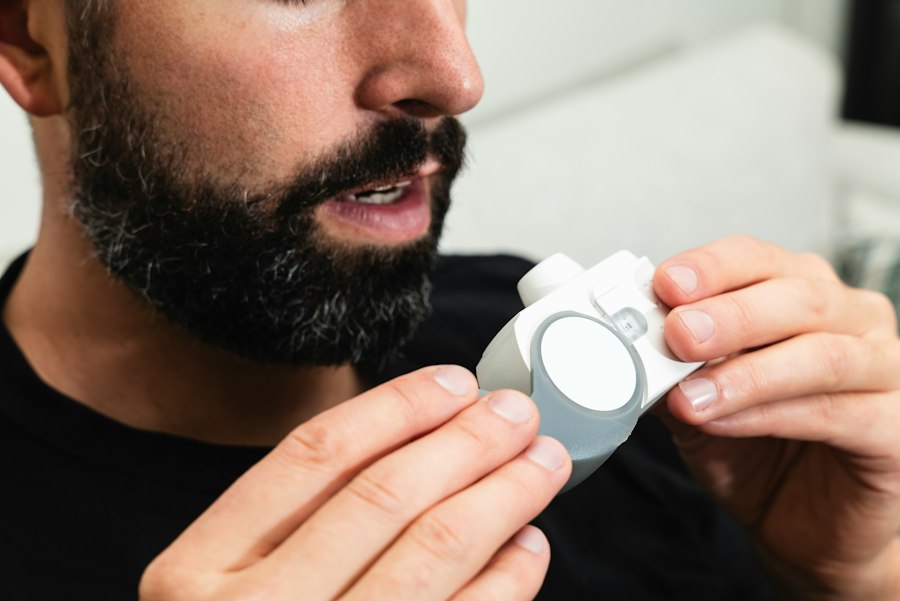
While wearable tremor management devices offer exciting possibilities, there are several practical points to consider before integrating them into daily life. It’s not just about the technology itself, but how it fits into a person’s routine and healthcare journey.
Comfort and Discreteness
For any wearable device to be truly useful, it needs to be comfortable and, ideally, discreet. If a device is bulky, heavy, or causes skin irritation, compliance will inevitably drop. People often don’t want their condition to be constantly on display, so a device that can be worn under clothing or looks like a regular accessory (like a smartwatch) is generally preferred. Material choices, weight distribution, and strap design all play a crucial role here.
Battery Life and Charging
Consistent use requires reliable battery life.
A device that needs to be charged every few hours can be a significant nuisance, especially for someone who relies on it throughout their day. Longer battery life, efficient charging mechanisms, and clear battery indicators are essential. Ideally, a device should last at least a full day on a single charge, or even multiple days for monitoring-focused devices.
Ease of Use and Calibration
Technology needs to be user-friendly, especially for individuals who might have fine motor difficulties or cognitive challenges associated with Parkinson’s.
Complicated interfaces, tiny buttons, or overly complex app settings can be major barriers. Devices should be easy to put on, take off, operate, and, if applicable, calibrate. For real-time suppression devices, calibration might involve finding the optimal settings (e.g., intensity of electrical stimulation, frequency of counter-oscillation) which ideally should be guided by a healthcare professional or an intuitive, automated process.
Data Security and Privacy
When devices collect personal health data, data security and privacy become paramount.
Users need assurances that their sensitive information is protected from breaches and used only for its intended purpose. Manufacturers must comply with relevant data protection regulations (like GDPR or HIPAA) and be transparent about their data handling policies. This includes how data is stored, transmitted, and who has access to it.
Cost and Insurance Coverage
The cost of these specialized devices can vary widely, from a few hundred dollars for simpler monitors to several thousand for advanced suppression systems.
For many, affordability is a significant factor. Furthermore, insurance coverage for these devices is often inconsistent or non-existent, treating them as experimental or non-essential. This can create a significant financial barrier to access, despite the potential quality-of-life improvements.
Advocating for better insurance coverage is an ongoing challenge in this space.
Integrating Wearables into a Comprehensive Care Plan
Wearable devices are powerful tools, but they are most effective when viewed as part of a broader, individualized Parkinson’s care plan, rather than a standalone solution. They complement, rather than replace, traditional medical interventions.
Collaboration with Healthcare Professionals
The data collected by analytical wearables can provide invaluable insights for neurologists and movement disorder specialists. Instead of relying solely on patient recall or brief observations during appointments, clinicians can review objective, long-term data on tremor severity, frequency, and response to medication. This allows for more informed decisions regarding medication adjustments, therapy recommendations, and overall treatment strategy.
Patients should be encouraged to share this data with their care team, and devices should have secure, user-friendly mechanisms for data export or sharing.
Personalization of Treatment Strategies
Every person with Parkinson’s experiences the disease differently, and their tremor characteristics can vary significantly. Wearable devices facilitate a highly personalized approach. For suppression devices, this means fine-tuning settings to match an individual’s unique tremor frequency and amplitude. For analytical devices, the data gathered over time can reveal individual patterns and triggers that can be addressed through lifestyle modifications, medication timing adjustments, or targeted therapies. This shift from a one-size-fits-all approach to precision medicine is a major benefit.
Adherence to Medication Schedules
“Off” periods, where medication effects wear off and symptoms like tremor return, are a common challenge in Parkinson’s management. Wearable monitoring devices can provide objective evidence of these off periods, allowing for more precise timing of medication doses. Some advanced devices are even exploring integration with medication reminders or alerts based on real-time symptom changes, helping individuals maintain better adherence to their complex medication schedules.
Complementary Therapies and Lifestyle Adjustments
Beyond medication, lifestyle factors like stress, sleep, and physical activity can influence tremor severity. By tracking tremor patterns alongside activity and sleep data, individuals and their care teams can identify correlations. For example, if data consistently shows worse tremors after nights of poor sleep, it highlights the importance of improving sleep hygiene. Similarly, if stress exacerbates tremors, relaxation techniques or mindfulness could be emphasized. Wearables can thus empower individuals to make informed lifestyle adjustments that complement their medical treatment.
Recent advancements in wearable technology have significantly impacted the management of Parkinson’s disease, particularly through devices designed for real-time tremor suppression and analytics. These innovations not only enhance the quality of life for patients but also provide valuable data for healthcare professionals. For those interested in exploring the broader implications of wearable devices, a comparison of popular smartwatches highlights their potential in health monitoring. You can read more about this in the article on Apple Watch vs Samsung Galaxy Watch, which discusses how these devices can be utilized for various health applications.
The Future Landscape of Wearable Tremor Management
| Device Name | Type | Tremor Suppression Method | Real-Time Analytics Features | Battery Life (hours) | Weight (grams) | Clinical Effectiveness (%) | Connectivity |
|---|---|---|---|---|---|---|---|
| WearTremorX | Wristband | Vibrotactile Stimulation | Motion Tracking, Tremor Intensity Graphs | 12 | 80 | 65 | Bluetooth |
| TremorShield | Glove | Electrical Muscle Stimulation | Real-Time Tremor Frequency Analysis | 10 | 150 | 70 | Wi-Fi, Bluetooth |
| NeuroBrace | Arm Sleeve | Counteracting Forces via Motors | Data Logging, Symptom Trend Reports | 8 | 200 | 75 | Bluetooth |
| TremorSense | Smartwatch | Adaptive Filtering Algorithms | Real-Time Alerts, Tremor Severity Index | 18 | 60 | 60 | Bluetooth, Cellular |
| ParkinPulse | Finger Ring | Mechanical Damping | Continuous Tremor Monitoring | 14 | 30 | 55 | Bluetooth |
The field of wearable technology for Parkinson’s is evolving rapidly. We’re seeing exciting advancements that promise even more sophisticated and personalized solutions.
Enhanced AI and Machine Learning for Tremor Prediction
Current analytical devices are great at detecting tremors. The next frontier involves using artificial intelligence (AI) and machine learning (ML) to predict tremors. By analyzing long-term data on tremor patterns, activity levels, sleep, medication timing, and even physiological markers (like heart rate variability or skin conductance), AI algorithms could potentially identify early warning signs or specific triggers for tremors. Imagine a device that could subtly alert you that your tremor is likely to increase in the next hour, giving you time to prepare or take a preventative measure.
Integration with Other Smart Home and Health Ecosystems
Wearables are increasingly becoming part of a larger interconnected ecosystem. In the future, we might see tremor management devices seamlessly integrating with smart home systems. For example, if a tremor is detected, the device could automatically adjust ambient lighting, play calming music, or even trigger a communication with a caregiver. Furthermore, integration with electronic health records (EHRs) would streamline data sharing with healthcare providers, making it easier for doctors to access and interpret the information.
Closed-Loop Systems and Adaptive Therapies
One of the most exciting prospects is the development of “closed-loop” systems. These devices would not only detect tremors but also automatically adjust their suppression therapy in real-time based on the severity and characteristics of the tremor. For instance, an NMES device could dynamically increase or decrease stimulation intensity as needed, without manual intervention. This adaptive therapy would offer continuous, optimized relief, potentially reducing the need for constant monitoring or manual adjustments by the user.
Miniaturization and Advanced Materials
As technology advances, we can expect these devices to become even smaller, lighter, and more comfortable. Miniaturization will allow for more discreet designs, perhaps even integrating sensors directly into clothing or existing accessories without being noticeable. The use of advanced, flexible materials could also improve comfort and durability, making them more resilient to daily wear and tear. Imagine a tremor-suppressing fabric woven into a sleeve or glove.
Personalized Sensor Suites for Individual Needs
Instead of a one-size-fits-all approach, future wearables might offer personalized sensor suites. Depending on an individual’s specific tremor characteristics (e.g., whether it’s primarily in the hand, arm, or leg), a physician could recommend a tailored combination of sensors and intervention modules. This would optimize both the efficacy of tremor suppression and the relevance of the collected analytical data, ensuring that the technology is perfectly suited to the user’s unique needs.
FAQs
What are wearable Parkinson’s tremor management devices?
Wearable Parkinson’s tremor management devices are wearable gadgets designed to help individuals with Parkinson’s disease manage their tremors in real-time. These devices use technology to suppress tremors and provide analytics to track the user’s condition.
How do wearable Parkinson’s tremor management devices work?
These devices typically use sensors and algorithms to detect tremors and provide vibrations or stimulation to counteract the tremor. By providing real-time feedback and assistance, these devices aim to improve the user’s quality of life and reduce the impact of tremors.
What are the benefits of using wearable Parkinson’s tremor management devices?
The benefits of using these devices include improved tremor control, increased independence in daily activities, enhanced quality of life, and the ability to track and analyze tremor patterns over time to better manage the condition.
Are wearable Parkinson’s tremor management devices safe to use?
Most wearable Parkinson’s tremor management devices are designed to be safe for use by individuals with Parkinson’s disease. However, it is essential to consult with a healthcare professional before using any new device to ensure it is suitable for your specific needs and condition.
Can wearable Parkinson’s tremor management devices replace medication or other treatments?
While wearable Parkinson’s tremor management devices can help individuals better manage their tremors, they are not intended to replace medication or other treatments prescribed by healthcare professionals. These devices are often used in conjunction with existing treatments to provide additional support and symptom management.
Enjoying our content? Make us a preferred source on Google:
Add us as a Preferred Source on Google