

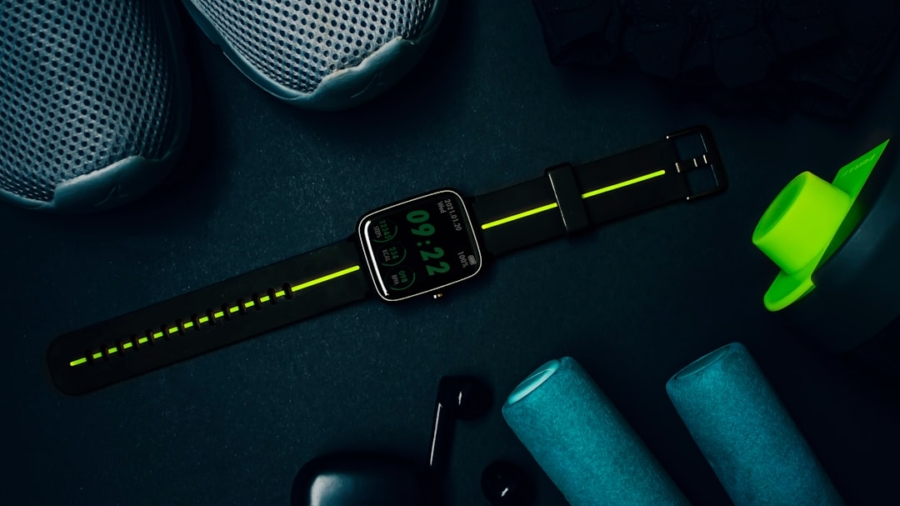
Navigating the subtle signs of sleep apnea and other respiratory glitches can be tricky, but wearable devices are stepping up to make early detection much more accessible. No more guessing or waiting for severe symptoms to appear; these gadgets offer a peek into your nighttime breathing patterns, potentially catching issues before they become big problems. Think of them as your personal, unobtrusive sleep detective, quietly gathering data while you snooze.
Understanding Sleep Apnea and Respiratory Issues
Before diving into the tech, it’s helpful to understand what we’re trying to detect. Sleep apnea isn’t just loud snoring; it’s a serious condition where breathing repeatedly stops and starts during sleep. This can lead to a cascade of health problems over time. Beyond apnea, other respiratory issues like hypopnea (shallow breathing) or periods of reduced oxygen saturation can also impact sleep quality and overall health. These might not always manifest as obvious gasping for air but can still leave you feeling tired and unwell. The point of early detection is to identify these subtler, or even not-so-subtle, deviations from healthy breathing so you can address them.
Recent advancements in wearable technology have paved the way for innovative solutions in healthcare, particularly in the early detection of sleep apnea and respiratory issues. A related article discusses the best group-buy SEO tools that can enhance the visibility of such health-focused innovations online. For more insights on optimizing digital presence in the health tech sector, you can read the article here: 2023 Best Group Buy SEO Tools Provider.
How Wearables Help with Early Detection
The magic of wearables lies in their ability to continuously monitor vital signs that are directly linked to breathing and sleep. They can track things like heart rate, blood oxygen levels, movement (which can indicate restless sleep or awakenings), and sometimes even breathing rate or thoracic movement (the expansion and contraction of your chest). This data, collected over several nights, paints a much clearer picture than a single night of troubled sleep might suggest. The aggregation of this information allows algorithms within the devices or associated apps to identify patterns that are indicative of sleep-disordered breathing.
What Wearables Can Measure
Wearable devices are equipped with a variety of sensors, each designed to contribute a piece to the puzzle of your sleep health. The type and sophistication of these sensors vary greatly between devices, impacting the depth and accuracy of the information you can obtain.
Heart Rate and Heart Rate Variability
Your heart rate often responds to breathing disruptions. When your oxygen levels drop during an apnea event, your heart rate might increase as your body tries to compensate. Heart Rate Variability (HRV), the variation in the time between each heartbeat, can also be an indicator. Changes in HRV patterns during sleep can signal stress on your autonomic nervous system, which can be triggered by interrupted breathing.
Blood Oxygen Saturation (SpO2)
This is a crucial metric for sleep apnea detection. SpO2 measures the percentage of oxygen in your blood. During breathing pauses in sleep apnea, oxygen levels in your blood naturally drop. Many modern wearables, particularly those designed with health tracking in mind, can accurately measure SpO2 levels, especially during sleeping hours when breathing is most vulnerable to disruption.
Motion and Sleep Stages
While not directly measuring breathing, how much you move and how frequently you wake up provides context. Significant restlessness or frequent awakenings could be your body’s unconscious response to struggling for breath. Some advanced wearables also attempt to estimate sleep stages (light, deep, REM) based on movement and heart rate, which can indirectly inform about sleep quality impacted by respiratory events.
Respiratory Rate and Thoracic Movement
Some dedicated sleep trackers and advanced smartwatches are now incorporating sensors that can estimate your breathing rate or even detect the subtle movement of your chest as you breathe. These are more direct indicators of respiratory function during sleep and can be particularly useful in identifying patterns associated with hypopnea.
Types of Wearable Devices for Sleep Apnea Detection
Not all wearables are created equal when it comes to sleep apnea. Some are general fitness trackers with added sleep features, while others are purpose-built for health monitoring. Understanding the differences can help you choose the right tool for your needs.
Consumer Smartwatches and Fitness Trackers
These are the most popular and widely available options. Brands like Apple, Samsung, Google (Fitbit), Garmin, and others have integrated sleep tracking features into their smartwatches and fitness bands.
Essential Features to Look For
When considering a smartwatch or fitness tracker for sleep health, prioritize those that offer SpO2 monitoring, detailed sleep stage analysis, and consistent heart rate tracking.
Some newer models are also starting to offer respiratory rate monitoring.
The accompanying app should provide clear data visualization and sleep scores.
Limitations and Considerations
While convenient, these devices often have limitations. Their SpO2 sensors might be less precise than medical-grade devices, and their algorithms for detecting sleep apnea are generally not diagnostic. They are best used for identifying potential issues and prompting further discussion with a healthcare professional. Accuracy can also be affected by factors like watch fit and skin tone.
Dedicated Sleep Trackers and Rings
These devices are specifically designed to monitor sleep and, consequently, are often better equipped to detect sleep-related issues.
Oura Ring and Similar Devices
Devices like the Oura Ring focus on a comprehensive analysis of sleep and recovery by measuring heart rate, HRV, body temperature, and movement. They provide a “readiness score” and detailed sleep analysis that can highlight patterns suggesting sleep disturbances, which could include respiratory events.
Benefits of Specialization
The advantage of these devices is their specialized focus. They often have more refined sensors and algorithms tuned for sleep patterns. They can provide more actionable insights into sleep quality and potential underlying issues that might not be obvious from general fitness trackers.
Medical-Grade Wearable Devices (Prescription-Based)
For more accurate and diagnostic purposes, there are medical-grade wearable devices that are often prescribed by doctors.
Types of Medical Devices
These can range from patches worn on the chest that monitor breathing, heart rate, and oxygen levels, to more sophisticated wrist-worn devices that use advanced sensors. They are designed to meet stricter accuracy standards for medical diagnosis.
When to Consider Medical-Grade Options
If you have a strong suspicion of sleep apnea or have been advised by a doctor, a medical-grade device might be necessary. These devices can often provide the data needed for a clinical diagnosis, which consumer wearables typically cannot. They are usually provided through healthcare providers and may involve rental or purchase after a consultation.
The Data: What to Look For and How to Interpret It
Gathering data is only half the battle; understanding what it means is key. Wearable apps usually present a wealth of information, and it’s easy to get overwhelmed. Focus on the metrics that are most relevant to sleep apnea and respiratory issues.
Key Metrics for Sleep Apnea Indicators
When reviewing your sleep data, pay close attention to any recorded drops in blood oxygen saturation (SpO2). Frequent dips below 90%, especially if accompanied by a rise in heart rate, are red flags. Also, look for patterns of significant restlessness, frequent awakenings, or an unusually high number of breathing interruptions as reported by the device.
Understanding SpO2 Fluctuations
A consistently high SpO2 (above 95%) during sleep is normal. However, regular occurrences of SpO2 dropping into the low 90s or even below 85% are concerning. The duration and frequency of these drops are important. Even short, recurrent dips can cumulatively impact your health.
Identifying Breathing Disturbances
Some devices will flag periods of poor breathing or potential respiratory events. This might be presented as a “respiratory disturbance index” or simply a count of events. Again, the frequency and severity of these flagged events are what matter.
Recognizing Patterns of Disrupted Sleep
Beyond specific oxygen dips, look at the overall picture of your sleep. Are you experiencing prolonged periods of light sleep with little deep or REM sleep? Are your awakenings unusually frequent and prolonged? These patterns can be indirect indicators of compromised breathing.
Sleep Efficiency and Time in Deep/REM Sleep
Low sleep efficiency (the percentage of time spent asleep in bed) and consistently low durations of deep and REM sleep can point to poor sleep quality. This can be a ripple effect of your body struggling to breathe effectively, waking you up just enough to disrupt the deeper, restorative sleep stages.
Frequent Awakenings and Restlessness
A high number of awakenings, especially if you don’t recall them all, can be a sign of your body signaling distress due to breathing issues.
Excessive tossing and turning, or a high movement score, can correlate with these awakenings.
Recent advancements in wearable technology have shown promising potential for the early detection of sleep apnea and respiratory issues, making it easier for individuals to monitor their health. A related article discusses the capabilities of the Samsung Galaxy Tab S8, which can complement these wearable devices by providing a seamless interface for tracking health metrics. For more insights on how this tablet enhances user experience and integrates with health monitoring tools, you can read the full article here.
When to Seek Professional Medical Advice
It’s crucial to remember that wearables are tools for observation, not diagnosis. They can provide valuable insights and prompts, but they don’t replace the expertise of a healthcare professional. Don’t self-diagnose based solely on wearable data.
Interpreting Wearable Data in Context
Your doctor will consider your wearable data alongside your medical history, reported symptoms (like daytime sleepiness, headaches, or difficulty concentrating), and a physical examination. They can help you understand whether the patterns observed by your wearable are clinically significant.
Discussing Your Data with Your Doctor
When you visit your doctor, bring printouts or have your wearable data readily accessible on your phone. Be prepared to discuss your sleep habits, any symptoms you’ve experienced, and what the wearable data specifically shows. This collaborative approach is the most effective way to get to the bottom of any potential issues.
The Role of a Sleep Study (Polysomnography)
For a definitive diagnosis of sleep apnea or other sleep-related breathing disorders, a formal sleep study, known as polysomnography (PSG), is typically required. This is a comprehensive overnight study conducted in a sleep lab or sometimes at home, where medical-grade equipment monitors a wide range of physiological signals.
What a Sleep Study Involves
During a PSG, sensors are attached to your body to measure brain waves (EEG), eye movements (EOG), muscle activity (EMG), heart rate, respiration, blood oxygen levels, and snoring. This provides a detailed and accurate picture of your breathing and sleep architecture.
Bridging the Gap Between Wearables and Diagnosis
Wearable devices can be excellent tools to flag potential concerns and help you get referred for a sleep study sooner rather than later. The data from your wearable can often be enough to convince your doctor that a formal study is warranted, saving you time and potentially alleviating anxiety.
The Future of Wearable Sleep Technology
The landscape of wearable health technology is evolving rapidly, and sleep tracking is a major area of innovation. We can expect to see even more sophisticated devices with greater accuracy and more direct measurement capabilities in the future.
Advancements in Sensing Technology
Future wearables may incorporate more advanced sensors for directly measuring airflow, even subtle chest wall movements with higher precision. This could lead to devices that are closer to medical-grade capabilities in detecting a wider range of respiratory events.
Improved Algorithms and AI Integration
The software side is just as important. Advancements in artificial intelligence and machine learning will allow wearable devices to interpret sleep data with greater nuance, identifying complex patterns previously only detectable by expert clinicians. AI could offer more personalized insights and predictive capabilities.
More Comfortable and Discreet Devices
Innovations are also focused on making these devices more comfortable and less intrusive. This might include more flexible wearables, smart fabrics, or even small, discreet patches that can be worn for extended periods without notice, further encouraging consistent monitoring.
Integration with Healthcare Systems
Ultimately, the goal is for these wearables to integrate seamlessly into our healthcare ecosystem. Imagine your doctor having access to your recent sleep data as part of your electronic health record, enabling proactive interventions and more personalized treatment plans. This interconnectedness will empower both patients and healthcare providers.
The journey to better sleep health is often paved with understanding. Wearable devices offer a powerful, accessible way to gain crucial insights into your nighttime breathing. By staying informed about what these devices can measure, how to interpret their data, and when to involve medical professionals, you’re taking proactive steps towards a healthier, more rested you. These gadgets are not replacements for medical care, but they are excellent allies in the quest for early detection and a better understanding of your body’s intricate workings.
FAQs
What are wearable devices for early detection of sleep apnea and respiratory issues?
Wearable devices for early detection of sleep apnea and respiratory issues are small, portable devices that can be worn on the body to monitor and track various physiological parameters such as heart rate, oxygen saturation, and breathing patterns during sleep.
How do wearable devices help in early detection of sleep apnea and respiratory issues?
Wearable devices can continuously monitor and analyze the wearer’s physiological data during sleep, allowing for the early detection of abnormal breathing patterns, oxygen desaturation, and other indicators of sleep apnea and respiratory issues. This early detection can prompt individuals to seek medical evaluation and treatment.
What are the benefits of using wearable devices for early detection of sleep apnea and respiratory issues?
The use of wearable devices for early detection of sleep apnea and respiratory issues can provide individuals with valuable insights into their sleep quality and respiratory health. Early detection can lead to timely intervention and treatment, potentially preventing the progression of sleep apnea and respiratory issues.
Are wearable devices for early detection of sleep apnea and respiratory issues accurate?
Many wearable devices for early detection of sleep apnea and respiratory issues have been validated through clinical studies and have shown to provide accurate and reliable data. However, it is important to choose a device that has been validated and approved by regulatory authorities.
How can individuals benefit from using wearable devices for early detection of sleep apnea and respiratory issues?
Individuals can benefit from using wearable devices for early detection of sleep apnea and respiratory issues by gaining a better understanding of their sleep patterns and respiratory health. This can lead to early intervention, improved treatment outcomes, and overall better management of sleep apnea and respiratory issues.
Enjoying our content? Make us a preferred source on Google:
Add us as a Preferred Source on Google