

The Core Question: PPG vs. Cuff Accuracy
If you’re looking into wearable blood pressure monitors, one of the first things you’re likely wondering is, “How accurate are these things, really?” Especially when comparing the slick, sensor-based devices that use optical Photoplethysmography (PPG) to the more traditional, inflatable cuff style. The quick answer is this: for now, inflatable cuff wearables generally offer a higher level of accuracy and are the gold standard for clinical validation. PPG-based wearables are getting better, and some are cleared for blood pressure estimation, but they typically don’t match the immediate, direct measurement of a cuff. They often rely on calibration with a cuff or infer blood pressure using a variety of less direct signals. It’s a trade-off between convenience and precision, and understanding the differences is key to choosing the right device for your needs.
In the realm of health technology, the accuracy of wearable blood pressure monitors has become a significant topic of discussion, particularly when comparing optical PPG sensors to traditional inflatable cuffs. A related article that explores the broader implications of technology in everyday life is available at How to Choose Your VPS Hosting Provider: 2023. While this article focuses on selecting a virtual private server for hosting, it highlights the importance of reliable technology solutions, which parallels the need for accurate health monitoring devices in our increasingly tech-driven world.
Key Takeaways
- The training data includes information and events up to October 2023.
- Insights and knowledge are based on a wide range of sources available until the cutoff date.
- No updates or developments occurring after October 2023 are included in the training.
- Users should verify current information from reliable sources for the latest updates.
- The model’s responses reflect the context and knowledge available up to the specified date.
Understanding How They Work
To really grasp the accuracy discussion, it helps to understand the fundamental principles behind both types of blood pressure measurement in wearable devices. They approach the task from very different angles.
Inflatable Cuff Mechanics
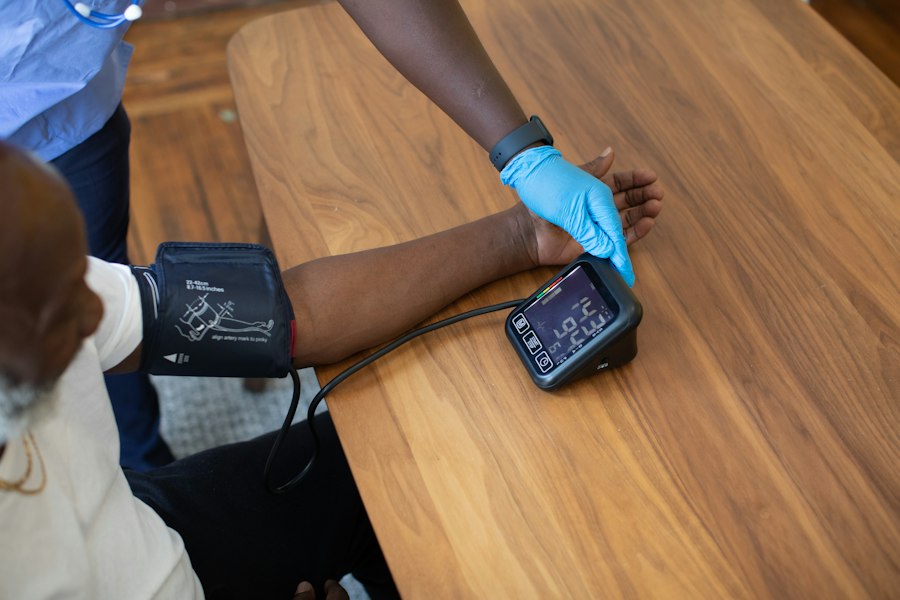
When we talk about an inflatable cuff for blood pressure, we’re talking about the tried-and-true oscillometric method. This is the same principle your doctor uses, or that automatic machine at the pharmacy.
How an Inflatable Cuff Measures
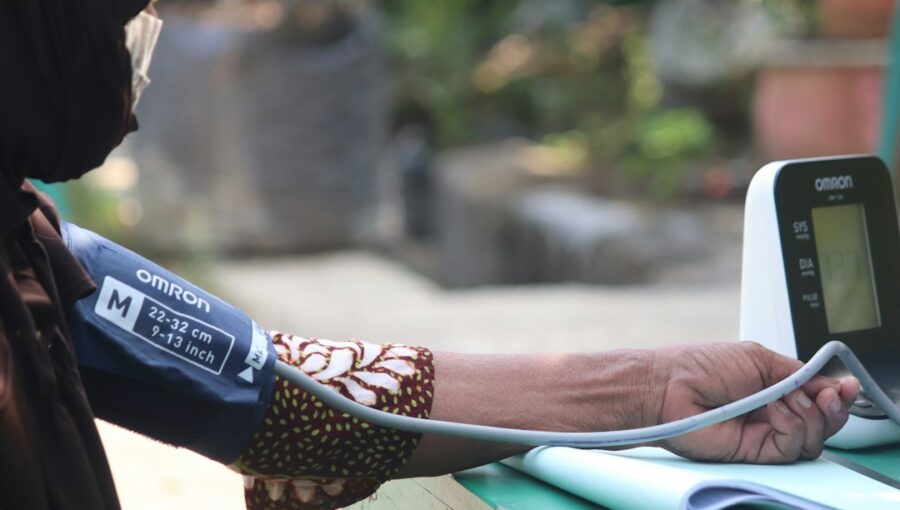
A cuff-based wearable, whether it’s a wrist-worn device or a more traditional upper-arm style, works by temporarily occluding (blocking) the artery. As the cuff inflates, it squeezes the artery. As it slowly deflates, the device detects pulsations in the blood flow.
- Systolic Pressure: This is the first pressure at which the blood just starts to push through the artery again after being occluded. The device registers the first significant oscillation.
- Diastolic Pressure: As the cuff continues to deflate, the oscillations reach a peak and then start to diminish. Diastolic pressure is estimated when these oscillations become minimal or disappear, indicating unobstructed blood flow.
- Pulse Rate: Alongside the blood pressure, the device also measures your pulse rate by counting the oscillations.
Advantages of Cuff Technology
The main advantage of this method is its directness. It’s physically interacting with your blood vessels to get a reading. It’s also been extensively studied, validated, and refined over decades. This is why it’s the method used in clinical settings and for diagnostic purposes. The physics behind it are well-understood, making its measurements reliable when used correctly.
Optical PPG Principles
Optical PPG is a different beast entirely. It doesn’t directly measure blood pressure but instead measures changes in blood volume. These changes are then used to estimate blood pressure.
How Optical PPG Works
PPG sensors, commonly found in smartwatches and fitness trackers, use light. They shine a light (usually green, sometimes red or infrared) into your skin and measure the light that’s reflected or transmitted back.
- Light Absorption: Blood absorbs more light than surrounding tissue. As your heart beats, blood surges through the capillaries, causing a momentary increase in blood volume in that area. This increase in blood volume leads to more light absorption and less reflected light.
- Pulsatile Wave: The PPG sensor detects these tiny, pulsatile changes in light absorption, which correspond to your heartbeat. This creates a waveform, often called a photoplethysmogram.
- Derived Metrics: From this waveform, devices can derive various metrics like heart rate and oxygen saturation (SpO2). For blood pressure estimation, things get more complex. They look at features of the PPG waveform like pulse transit time (PTT), pulse wave velocity (PWV), pulse wave analysis (PWA), and other algorithms that correlate these features with blood pressure.
Challenges of PPG for Blood Pressure
The biggest challenge is that PPG isn’t directly measuring pressure. It’s looking at the effects of pressure on blood volume and then trying to reverse-engineer the pressure itself. This is why these devices often require calibration with a traditional cuff or rely on complex algorithms trained on vast datasets. Factors like skin tone, motion artifacts, temperature, and even how tightly the watch is worn can significantly influence the PPG signal and, consequently, the accuracy of blood pressure estimation.
Accuracy Benchmarks and Validation
When we talk about accuracy in medical devices, especially for something as critical as blood pressure, there are specific standards and validation protocols. These aren’t just suggestions; they’re rigorous tests designed to ensure a device provides reliable readings.
Clinical Validation Standards
Medical devices intended to measure blood pressure are held to strict international standards. The most widely recognized are:
- ISO 81060-2: This is the current international standard for automated non-invasive sphygmomanometers (blood pressure monitors). It outlines specific testing protocols, including the number of subjects, age range, blood pressure distribution, and the statistical methods used to evaluate accuracy.
- AAMI/ESH/ISO Collaboration: This collaboration represents a unified approach from the Association for the Advancement of Medical Instrumentation (AAMI), the European Society of Hypertension (ESH), and the International Organization for Standardization (ISO).
Their protocol ensures a device’s readings are within a specified margin of error compared to a reference standard (mercury sphygmomanometer readings taken by trained observers).
How Validation is Performed
During validation, the device being tested is used simultaneously with or immediately following a reference measurement (typically two trained observers using a mercury sphygmomanometer). The differences between the device’s readings and the reference readings are then statistically analyzed. A device passes if the mean difference is within ±5 mmHg and the standard deviation of the differences is ≤8 mmHg.
This might sound technical, but it’s crucial for ensuring the device is consistently accurate across a range of users and blood pressure levels.
Wearable Cuff Accuracy
Wearable devices that incorporate an inflatable cuff generally undergo these rigorous validation processes, or at least the reputable ones do.
FDA Clearance and CE Mark
For a wearable cuff device to be marketed as a medical device for blood pressure measurement in the US, it needs FDA clearance. In Europe, it needs a CE Mark under the Medical Device Regulation (MDR). These clearances indicate that the manufacturer has provided sufficient evidence of the device’s safety and effectiveness, including accuracy validation against established standards.
Performance Expectations
When a wearable cuff device is cleared, you can expect its accuracy to be comparable to a traditional, clinical-grade blood pressure monitor.
This means readings should be within a few mmHg of a reference measurement. However, user technique (e.g., proper cuff placement, staying still) still plays a significant role in getting accurate readings, just as it does with traditional cuffs.
Optical PPG Accuracy (Present State)
This is where the distinction becomes most critical. Most current PPG-only wearables are not cleared by regulatory bodies for medical blood pressure measurement.
The “Estimation” vs.
“Measurement” Divide
Many PPG devices can estimate blood pressure, and some may even display a number, but they are not measuring it in the same validated sense as a cuff. They often frame their feature as “blood pressure trend tracking” or “blood pressure insights” rather than a precise measurement. The algorithms used are often proprietary and vary widely between manufacturers.
Calibration Requirements
A significant portion of PPG-based blood pressure estimation devices require regular calibration with a traditional, accurate cuff.
For example, you might have to input a reading from a separate cuff device into your smartwatch once a month to “teach” it your current blood pressure range. This reliance on an external, more accurate measurement highlights the inherent limitations of PPG for direct blood pressure measurement. If you forget to calibrate, or if your blood pressure changes significantly between calibrations, the estimates can become less reliable.
Factors Affecting PPG Accuracy
Beyond the fundamental method, several practical factors can throw off PPG accuracy:
- Motion Artifacts: Any movement of the wrist can disrupt the light signal, leading to inaccurate readings.
- Skin Tone: Melanin can affect light absorption and reflection, potentially impacting accuracy, though modern algorithms attempt to compensate for this.
- Temperature: Blood flow changes with temperature, which can influence PPG signals.
- Device Fit: The watch needs to be snug enough to ensure good skin contact without being uncomfortably tight, which itself can affect blood flow.
- Physiological Variability: Individual differences in arterial stiffness, vessel elasticity, and other physiological factors can affect how pulse waves propagate, making a universal PPG-to-BP algorithm challenging.
Practical Implications for Users
Okay, so what does all this mean for you, the person looking to buy one of these devices? It boils down to understanding your needs and the limitations of the technology.
For Medical Monitoring and Diagnosis
If your doctor has told you to monitor your blood pressure for a medical condition, or if you’re looking for readings that could lead to a diagnosis or significant treatment changes, then an inflatable cuff wearable is the safer and more appropriate choice.
Doctor’s Recommendations
Many doctors will specifically recommend an arm-cuff style monitor for home use, even over a wrist-cuff if you have specific circulatory issues. If a wearable is suggested, they’ll usually point you towards one that has undergone rigorous clinical validation and holds FDA clearance or a similar regulatory approval. They need readings they can trust to make informed decisions about your health.
Avoiding Misleading Data
Relying on potentially inaccurate PPG estimations for medical decision-making can be dangerous. You might be falsely reassured about high blood pressure or unnecessarily alarmed by a low reading. For critical health metrics, precision is paramount.
For General Health and Trend Tracking
If your goal is more about general wellness, tracking trends over time, or just getting a rough idea of your blood pressure, then a PPG-based device might be acceptable, provided you understand its limitations.
Understanding “Wellness” vs. “Medical”
Many smartwatches and fitness trackers fall squarely into the “wellness” category. They offer insights and trends but are not replacements for medical devices. Think of them like a step counter – useful for motivation and general activity tracking, but not a diagnostic tool for gait analysis.
PPG as an Early Indicator (with Caution)
Some people use PPG-based blood pressure estimation as an early warning system. If they see consistently elevated readings, even estimated ones, it might prompt them to take a validated cuff measurement or consult their doctor. This approach requires a healthy dose of skepticism and a willingness to cross-reference with more accurate methods.
The Role of Calibration
If you choose a PPG device that offers blood pressure estimation, be prepared for the commitment of regular calibration with a validated cuff. This isn’t a “set it and forget it” feature. The more diligent you are with calibration, the more useful its estimates might become.
Convenience vs. Accuracy Trade-Off
This is the core decision point.
The Appeal of PPG Convenience
There’s no denying the appeal of a device that’s always on your wrist, passively monitoring various metrics, including an estimated blood pressure. No need to carry a separate cuff, no fiddling with tubes, just glance at your watch. For many, this convenience outweighs the lack of clinical-grade accuracy for general awareness.
The Necessity of Cuff Accuracy
However, for actionable health data, especially in the context of hypertension management, the accuracy of a cuff is non-negotiable. The brief inconvenience of taking a proper cuff reading is a small price to pay for reliable information that directly impacts your health.
In the ongoing debate about the accuracy of wearable blood pressure monitors, a recent article explores the effectiveness of various monitoring technologies, comparing optical PPG and inflatable cuff methods. This discussion is crucial for understanding how these devices can impact health management and patient outcomes. For those interested in enhancing their social media strategies, you might find insights in this article about the best software for social media management in 2023, which highlights tools that can help streamline communication about health technologies.
Emerging Technologies and Future Outlook
| Metric | Optical PPG Monitors | Inflatable Cuff Monitors |
|---|---|---|
| Measurement Method | Photoplethysmography (PPG) using light sensors | Oscillometric method with inflatable cuff |
| Accuracy (Systolic BP) | ±8-12 mmHg | ±3-5 mmHg |
| Accuracy (Diastolic BP) | ±6-10 mmHg | ±3-5 mmHg |
| Measurement Time | Continuous or frequent intervals | Typically 30-60 seconds per reading |
| Comfort | High (non-invasive, no inflation) | Moderate (inflation can cause discomfort) |
| Portability | High (wrist or finger wearable) | Moderate (usually arm cuff, less compact) |
| Susceptibility to Motion Artifacts | High (affects optical signal quality) | Low (less affected by motion) |
| Calibration Requirement | Frequent calibration recommended | Rarely required |
| Use Case | Continuous monitoring, fitness tracking | Clinical and home blood pressure measurement |
The field of wearable blood pressure monitoring is far from stagnant. Researchers and companies are constantly working on new methods to make blood pressure measurement more convenient and more accurate without the need for an inflatable cuff.
Enhancements in PPG Algorithms
Manufacturers are continually refining their PPG algorithms. This involves:
Machine Learning and AI
Sophisticated machine learning models are being trained on vast datasets of PPG waveforms correlated with actual blood pressure measurements. These algorithms can learn to identify subtle patterns in the PPG signal that might relate to blood pressure more accurately than previous methods. The goal is to create more robust models that are less susceptible to individual physiological variations and environmental factors.
Multi-Sensor Fusion
Instead of relying solely on PPG, future devices might combine PPG data with other sensor inputs. For example:
- ECG (Electrocardiogram): Combining PPG with ECG allows for more accurate measurement of Pulse Transit Time (PTT), which is the time it takes for a pulse wave to travel from the heart (detected by ECG) to a peripheral site (detected by PPG). PTT has a strong inverse correlation with blood pressure.
- Force/Pressure Sensors: Integrating miniature pressure sensors or even subtle force sensors that detect arterial stiffness could provide additional data points for blood pressure estimation.
- Temperature Sensors: Compensating for temperature variations, which affect blood vessel diameter and blood flow, could improve accuracy.
Cuff-less Technologies Beyond PPG
While PPG is prominent, other cuff-less methods are also under exploration:
Pulse Wave Velocity (PWV) Sensors
PWV directly measures how fast the pressure wave travels along an artery. Higher blood pressure generally leads to faster PWV. Dedicated sensors designed to measure PWV at two different points on the body (e.g., wrist and finger, or even earlobe and wrist) could offer more direct estimations of blood pressure than relying solely on PPG waveform analysis.
Tonometry
Arterial tonometry involves applying a precise amount of pressure to an artery (typically the radial artery in the wrist) to flatten it against a bone. A sensor then measures the arterial pulse waveform. This method is used in some research settings for central aortic blood pressure measurement but is challenging to miniaturize and make robust for everyday wearable use.
Continuous Wave Doppler
This technique uses ultrasound to measure blood flow velocity. While powerful, it’s typically used in clinical settings and faces significant hurdles for miniaturization and power consumption in a wearable context.
Regulatory Landscape Evolution
As these technologies advance, regulatory bodies like the FDA will need to adapt. We might see new categories of clearance for devices that don’t use a cuff but demonstrate sufficient accuracy for specific medical applications, perhaps with different accuracy thresholds than traditional cuff devices. The challenge will be balancing innovation with the need for patient safety and reliable medical information.
The Near Future
It’s likely that in the next few years, we’ll see more PPG-based devices receiving limited regulatory clearance for blood pressure estimation, perhaps for trend tracking or for detecting significant deviations, rather than precise absolute measurements. The “holy grail” of a truly cuff-less, clinically accurate, and calibration-free wearable blood pressure monitor remains a significant technical challenge, but progress is steady. For now, if accuracy is your primary concern for medical reasons, the inflatable cuff wearable is still the most reliable bet.
FAQs
What is the difference between optical PPG and inflatable cuff blood pressure monitors?
Optical PPG blood pressure monitors use light to measure blood flow and calculate blood pressure, while inflatable cuff monitors use air pressure to determine blood pressure.
Are wearable blood pressure monitors as accurate as traditional arm cuff monitors?
Studies have shown that wearable blood pressure monitors, especially those using optical PPG technology, can provide accurate readings comparable to traditional arm cuff monitors.
How does an optical PPG blood pressure monitor work?
An optical PPG monitor emits light onto the skin, which is then absorbed by blood vessels. The monitor measures the amount of light absorbed, which correlates to blood flow and pressure.
Can wearable blood pressure monitors be used for continuous monitoring?
Yes, wearable blood pressure monitors are designed for continuous monitoring throughout the day, providing a more comprehensive picture of an individual’s blood pressure fluctuations.
Are there any limitations to using wearable blood pressure monitors?
Some limitations of wearable blood pressure monitors include potential inaccuracies due to motion artifacts, skin tone variations affecting optical readings, and the need for calibration and validation against traditional monitors.
Enjoying our content? Make us a preferred source on Google:
Add us as a Preferred Source on Google