

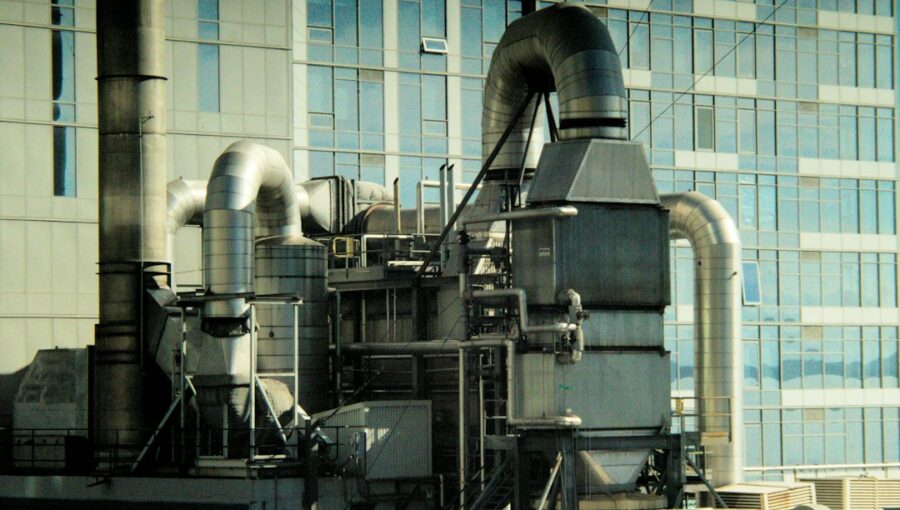
Alright, let’s talk about something pretty neat: using the heat coming off edge data centers instead of just letting it go to waste. The short answer to “can we actually do this?” is a resounding yes, and it makes a lot of sense from an environmental and economic perspective. Instead of burning more fossil fuels for heat elsewhere, we can tap into the warm exhaust from these data centers. It’s a practical, real-world solution that’s gaining traction.
The Lowdown on Waste Heat and Edge Data Centers
So, what are we even talking about here? Edge data centers are, by design, closer to where data is generated and consumed. Think smaller facilities, often distributed across urban or industrial areas, processing data for things like IoT, 5G, and local AI applications. These aren’t the hyperscale giants, but they still generate a substantial amount of heat.
Now, traditional data centers often just blast this heat out into the atmosphere using massive cooling systems. That’s a huge waste of energy. The idea behind waste heat recovery is to capture that heat, upgrade it if needed, and then put it to good use. For edge data centers, this opportunity is even more compelling because they’re often located in areas where there’s a direct need for heat – like residential districts or industrial facilities.
In exploring the innovative applications of waste heat recovery in edge data centers, it’s essential to consider how these systems can contribute to district heating and various industrial use cases. A related article that delves into the broader implications of energy efficiency in technology is available at Best Software for 2D Animation, which discusses the importance of optimizing resources in the digital landscape.
By leveraging waste heat recovery, edge data centers can not only enhance their operational efficiency but also support sustainable practices in urban environments.
Why Edge Data Centers are a Prime Target for Heat Recovery
It’s not just about any data center; edge facilities have some unique advantages that make them particularly attractive for waste heat recovery.
Proximity to Demand
This is probably the biggest one. Edge data centers are, by their very nature, distributed. This means they’re often located closer to population centers or industrial zones. The closer the heat source is to the heat demand, the less energy is lost during transport and the simpler the infrastructure required. Imagine a data center right next to a housing complex – perfect for district heating.
Consistent Heat Output
Unlike some industrial processes that have fluctuating heat outputs, data centers tend to operate 24/7 with a relatively stable heat load. This consistency is a huge advantage for applications that require a reliable heat source, like district heating systems or certain industrial processes. You don’t have to worry as much about sudden drops or surges in heat availability.
Scalability and Modularity
Edge data centers are often built with a modular approach. This means their heat recovery systems can also be scaled up or down as the data center grows or changes. This flexibility is a plus, allowing for more adaptive and efficient heat recovery solutions tailored to the specific needs of the facility and its surrounding environment.
District Heating: Warming Homes and Businesses with Data Center Exhaust
One of the most promising applications for waste heat from edge data centers is district heating. This involves supplying heated water or steam from a central source (in this case, our data center) through a network of insulated pipes to multiple buildings.
How it Works: From Server to Radiator
The basic principle is straightforward. Servers inside the data center generate heat. This heat is typically transferred to a liquid coolant (often water or a specialized refrigerant) to keep the servers from overheating. Instead of just cooling this liquid down and discarding the heat, we capture it.
- Heat Exchangers: These devices facilitate the transfer of heat from the data center’s cooling loop to the district heating network’s water.
- Heat Pumps (Optional but often beneficial): Data center waste heat might not always be hot enough for direct district heating, especially in colder climates or for older heating systems that require higher temperatures. Heat pumps can take this lower-grade heat and upgrade it to a more usable temperature, essentially boosting its energy content. This requires an input of electricity, but the overall efficiency gain can be substantial.
- Distribution Network: Insulated pipes then carry this heated water to homes, offices, schools, and other buildings within the district.
- Customer Connection: Each building has a heat exchanger that transfers the heat from the district heating network to its internal heating system (radiators, underfloor heating, etc.). The cooled water then returns to the data center to pick up more heat.
Advantages for Communities
Beyond the data center operator, district heating powered by waste heat offers significant benefits to the communities it serves.
- Reduced Carbon Emissions: By displacing fossil fuel-based heating, communities can drastically reduce their carbon footprint. It’s a direct swap from burning gas or oil to using readily available, otherwise wasted energy.
- Lower Heating Costs: For consumers, district heating can often lead to more stable and potentially lower heating bills, especially as it reduces reliance on volatile fossil fuel markets.
- Energy Independence: Communities can become less reliant on external energy sources for heating, increasing their energy security and resilience.
- Improved Air Quality: Less burning of fossil fuels locally means fewer particulate emissions and better air quality for residents.
- Urban Planning Integration: District heating infrastructure can be integrated into new urban developments or retrofitted into existing ones, fostering more sustainable city planning.
Challenges and Considerations for District Heating
While the benefits are clear, there are practical aspects to consider.
- Infrastructure Investment: Building or expanding a district heating network requires significant upfront capital investment. This can be a barrier, especially for smaller municipalities.
- Temperature Requirements: Matching the waste heat temperature to the district heating network’s needs is crucial. As mentioned, heat pumps might be necessary, adding to costs and energy consumption (albeit efficiently).
- Regulatory and Policy Support: Supportive policies, incentives, and streamlined permitting processes are essential to encourage the adoption of these systems.
- Land Use and Planning: Integrating a data center into a residential or commercial area for district heating requires careful urban planning and stakeholder engagement.
Industrial Use Cases: Fueling Factories with Recycled Heat
Beyond warming homes, the heat from edge data centers can also be a valuable resource for various industrial processes. Many industries require heat for drying, sterilization, pre-heating, or other thermal operations.
Diverse Industrial Applications
The specific applications depend heavily on the temperature of the waste heat available and the temperature requirements of the industrial process.
- Greenhouses and Agriculture: Maintaining optimal temperatures in greenhouses is energy-intensive. Data center waste heat can provide a stable and cost-effective heating source, especially for urban or peri-urban farms. Imagine a data center next to a vertical farm – a perfect symbiotic relationship.
- Aquaculture: Fish farms and other aquaculture operations often require specific water temperatures. Waste heat can be used to warm tanks, improving growth rates and reducing energy costs.
- Food and Beverage Processing: Pasteurization, drying, and cleaning processes in the food and beverage industry often require significant heat. Depending on the temperature, data center waste heat could offset a portion of this demand.
- Manufacturing and Drying: Industries that involve drying materials (e.g., timber, textiles, ceramics, paper) can utilize lower-grade heat. Pre-heating air for industrial ovens or dryers is another potential application.
- Absorption Chillers: This is an interesting one. Instead of using electricity to power a compressor in a conventional chiller, absorption chillers use a heat source (like waste heat) to drive the cooling process. This means the data center could potentially use its own waste heat to help cool itself, or even provide chilled water to an adjacent industrial process.
Tailoring Heat Recovery to Industrial Needs
Successful industrial heat recovery isn’t a one-size-fits-all solution.
- Temperature Matching: This is paramount. An industrial process requiring 150°C heat won’t benefit directly from 50°C waste heat without significant upgrading. Understanding the delta is key.
- Integration Challenges: Connecting a data center’s waste heat system to an existing industrial facility can be complex, involving pipework, control systems, and safety considerations.
- Intermittency (Less an issue for data centers): While data centers offer consistent heat, the industrial demand might fluctuate. Storage solutions (like large thermal tanks) might be needed to balance supply and demand.
- Purity Requirements: Some industrial processes have strict purity requirements for heat transfer fluids. This needs careful consideration in system design.
In exploring the innovative applications of waste heat recovery in edge data centers, one can find valuable insights in a related article that discusses the transformative potential of advanced tools for optimizing energy efficiency. By leveraging these tools, organizations can better understand how to implement district heating and industrial use cases effectively. For more information on enhancing your keyword research strategies that can complement your energy optimization efforts, you can check out this insightful piece on Rankatom.
Technologies for Efficient Heat Recovery
Getting that heat out of the data center and into its next life requires some specific technologies. It’s not just about a fan blowing hot air.
Liquid Cooling Systems
This is becoming increasingly important for efficient heat recovery. Air cooling systems expel heat at lower temperatures, which are less useful for district heating or industrial processes. Liquid cooling (direct-to-chip, immersion cooling, or rear-door heat exchangers) captures heat at higher temperatures, making it much more valuable for reuse.
- Higher Temperatures: Liquid cooling can produce water temperatures in the range of 40-60°C or even higher, which is directly suitable for many district heating networks or for feeding heat pumps efficiently.
- Greater Efficiency: It’s more efficient at removing heat from servers, meaning less energy is consumed for cooling within the data center itself.
Heat Pumps
As mentioned, heat pumps are often critical. They act like a “reverse refrigerator,” taking heat from a lower-temperature source (our data center waste heat) and concentrating it to a higher, more useful temperature.
- Compression Heat Pumps: These are the most common, using a refrigerant and a compressor to elevate the temperature. They require electricity to operate.
- Absorption Heat Pumps: These use a heat source (our waste heat) instead of electricity to drive the refrigeration cycle, which can be very energy-efficient if the initial waste heat is hot enough.
Thermal Energy Storage
Sometimes, the heat supply from the data center won’t perfectly match the demand from the district heating network or industrial user. Thermal energy storage systems, like large insulated water tanks, can bridge this gap. They store excess heat when demand is low and release it when demand is high, maximizing the utilization of the waste heat.
The Business Case: Making it Economically Viable
While the environmental benefits are compelling, for these projects to take off, they need to make financial sense.
Cost Savings for Data Center Operators
- Reduced Cooling Costs: By offloading heat to a district heating network or industrial user, the data center operator might reduce their reliance on traditional cooling systems, leading to lower energy consumption and operational costs.
- Revenue Generation: In some cases, the data center might be able to sell the heat to the district heating company or industrial partner, creating a new revenue stream.
- ESG Reporting: Demonstrating a commitment to sustainability through waste heat recovery can improve a company’s Environmental, Social, and Governance (ESG) profile, which is increasingly important for investors and public image.
Benefits for Heat Consumers
- Lower Energy Bills: As noted, district heating users can benefit from more stable and potentially lower heating costs.
- Reduced Capital Expenditures: Industrial users might avoid investing in new boilers or heating equipment if they can tap into a reliable waste heat source.
- Enhanced Sustainability: For industrial partners, using recycled heat contributes to their own sustainability goals and can improve their green credentials.
Government Incentives and Funding
Crucially, government incentives, grants, and favorable policies play a massive role in making these projects viable. These can include:
- Subsidies for district heating infrastructure.
- Tax breaks for investing in energy efficiency and renewable heat.
- Carbon credits for displacing fossil fuel use.
- Support for research and development in heat recovery technologies.
Without supportive frameworks, the upfront costs can be prohibitive, even with a strong long-term business case.
Looking Ahead: The Future of Waste Heat Recovery
The trend towards smaller, distributed edge data centers, coupled with increasing awareness of energy efficiency and sustainability, positions waste heat recovery as a critical component of future infrastructure.
Integration into Smart Cities
Imagine smart cities where edge data centers aren’t just processing data but are also integral parts of the energy infrastructure, warming homes, powering industrial parks, and potentially even contributing to local cooling networks via absorption chillers. This holistic approach integrates digital and energy systems for maximum efficiency.
Standardization and Collaboration
To scale these solutions, there will be a need for greater standardization in heat recovery interfaces and protocols, facilitating easier integration between data centers and heat consumers. Collaboration between data center operators, utility companies, urban planners, and industrial partners will be essential to identify opportunities and implement successful projects.
Continued Technological Advancements
Improvements in liquid cooling technologies, more efficient heat pumps, and better thermal storage solutions will continue to enhance the viability and effectiveness of waste heat recovery from edge data centers.
In essence, turning waste heat into a valuable resource from edge data centers isn’t just a nice-to-have; it’s a smart, practical, and increasingly necessary step toward building more sustainable and resilient communities and industries. It’s about being clever with the energy we already use, rather than constantly finding new sources.
FAQs
What is waste heat recovery in edge data centers?
Waste heat recovery in edge data centers involves capturing and reusing the excess heat generated by data center operations to improve energy efficiency and reduce overall energy consumption.
How is waste heat from edge data centers utilized in district heating systems?
The waste heat from edge data centers can be utilized in district heating systems by transferring the excess heat to nearby buildings or facilities for space heating and hot water purposes, thereby reducing the reliance on traditional heating sources.
What are some industrial use cases for waste heat recovery from edge data centers?
Industrial use cases for waste heat recovery from edge data centers include heating processes in manufacturing facilities, drying applications in agriculture, and powering absorption chillers for cooling purposes in various industries.
What are the benefits of implementing waste heat recovery in edge data centers?
The benefits of implementing waste heat recovery in edge data centers include increased energy efficiency, reduced operational costs, lower carbon emissions, and the potential for additional revenue streams through selling excess heat to external parties.
What are some challenges associated with waste heat recovery in edge data centers?
Some challenges associated with waste heat recovery in edge data centers include technical complexities in heat transfer systems, upfront investment costs, regulatory hurdles, and the need for collaboration between data center operators and external stakeholders for effective heat utilization.
Enjoying our content? Make us a preferred source on Google:
Add us as a Preferred Source on Google